G-SPORT is a smart, practical solution designed for strength coaches and athletic trainers who need a reliable, everyday testing tool. It combines a versatile suite of assessment tests with automated reporting to evaluate an athlete's condition, alongside guided biofeedback exercises. This transforms every routine movement into an opportunity for immediate, seamless screening.
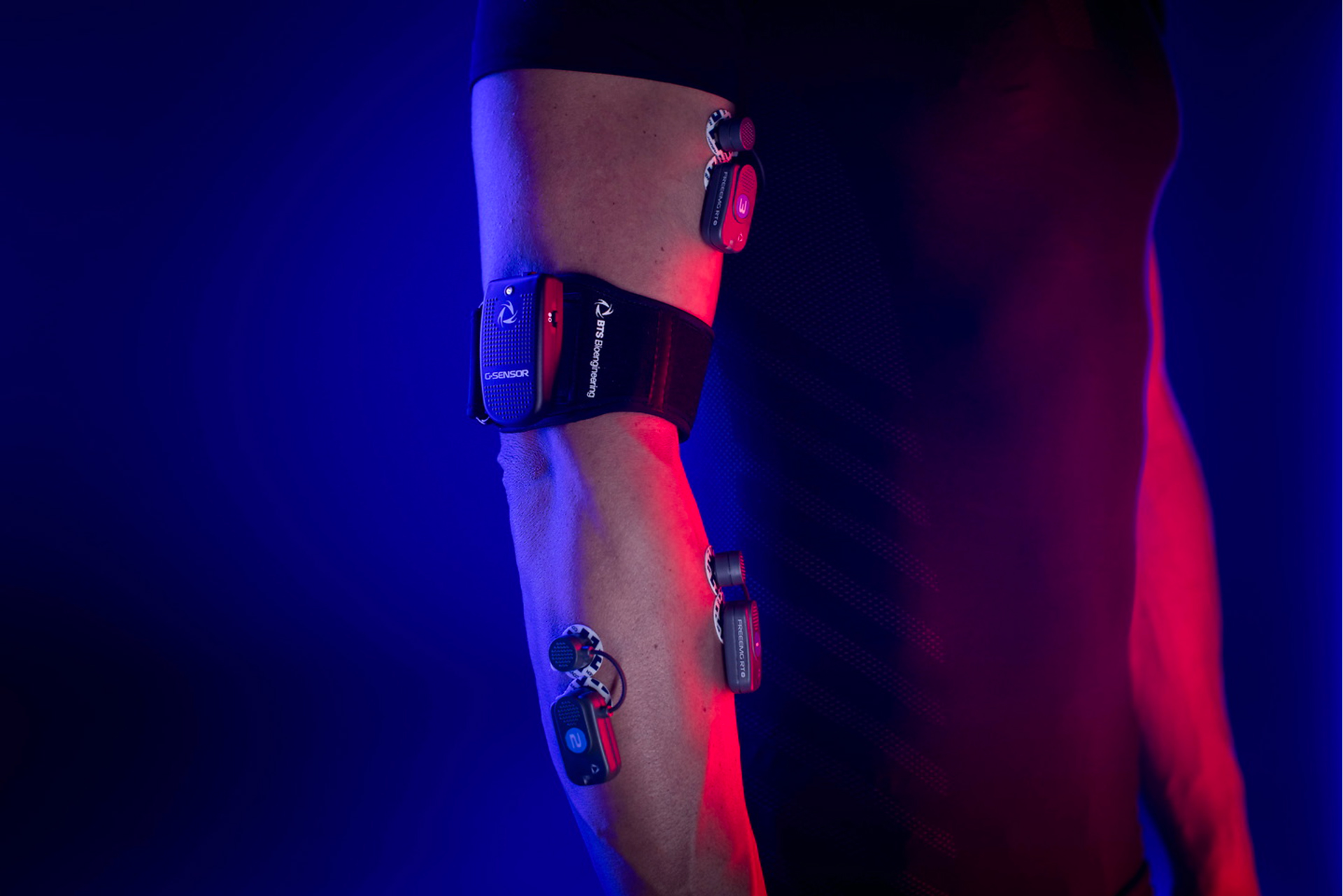
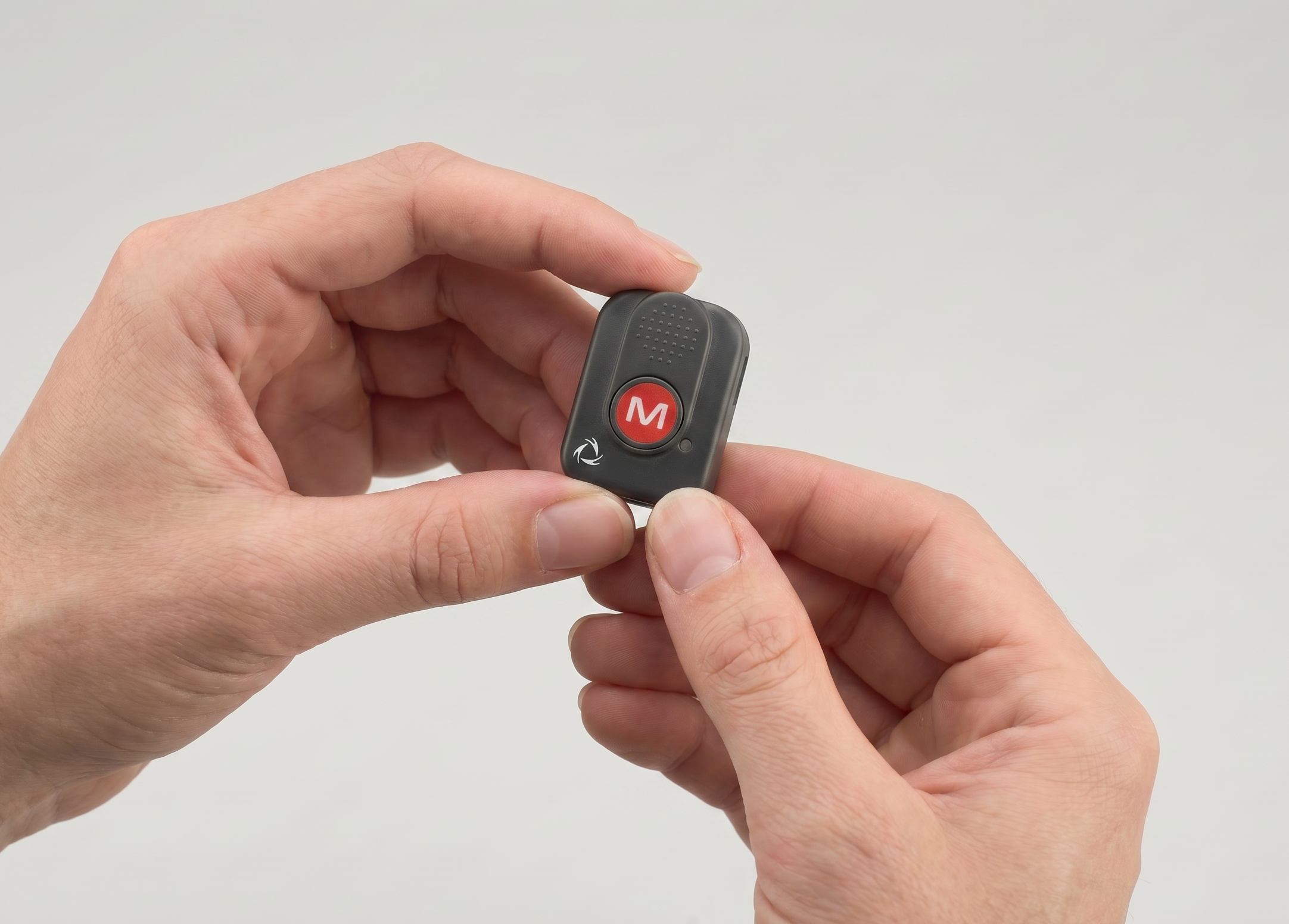
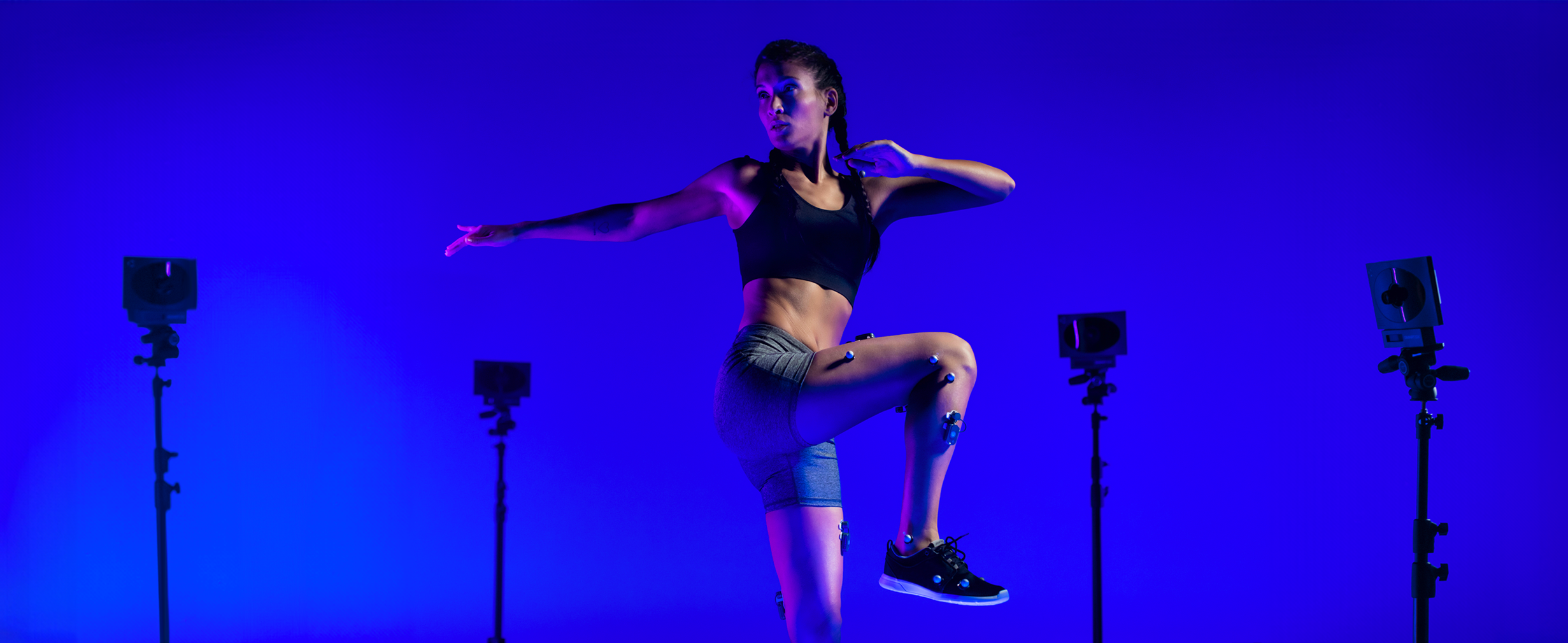
G-SPORT leverages G-SENSOR, our latest ultra-compact wearable inertial sensor, to capture body segment acceleration and rotation during motor tasks. Metrics are sent instantly to the Baiobit software without breaking the training workflow, delivering automated data processing and instant test reports.
G-SPORT replaces subjective observation with simple, reliable data, making athletic screening easy and accessible. By delivering straightforward metrics, it helps coaches optimize performance, monitor recovery trends, support Return-to-Play decisions, and track injury risk factors right on the field.
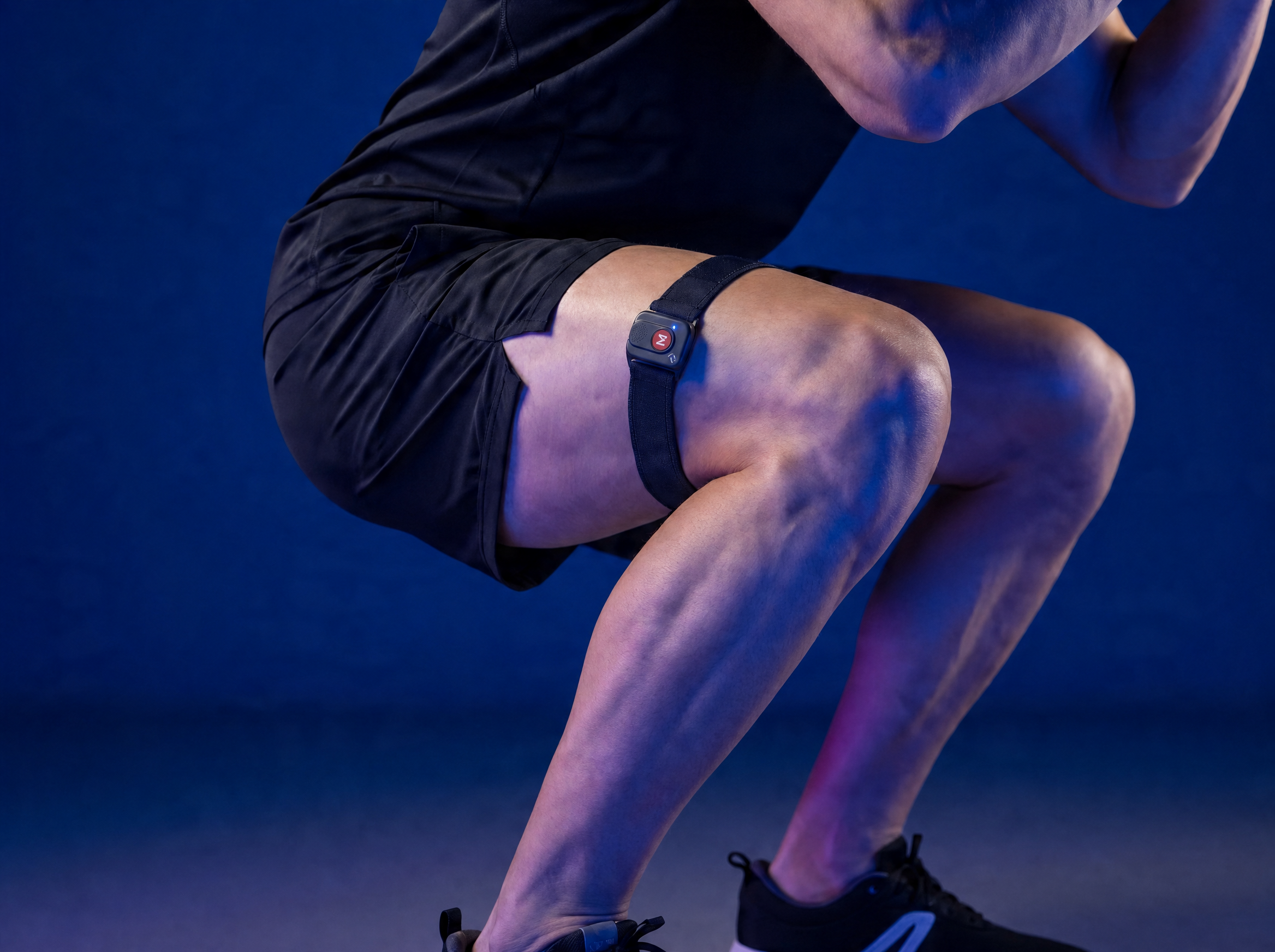
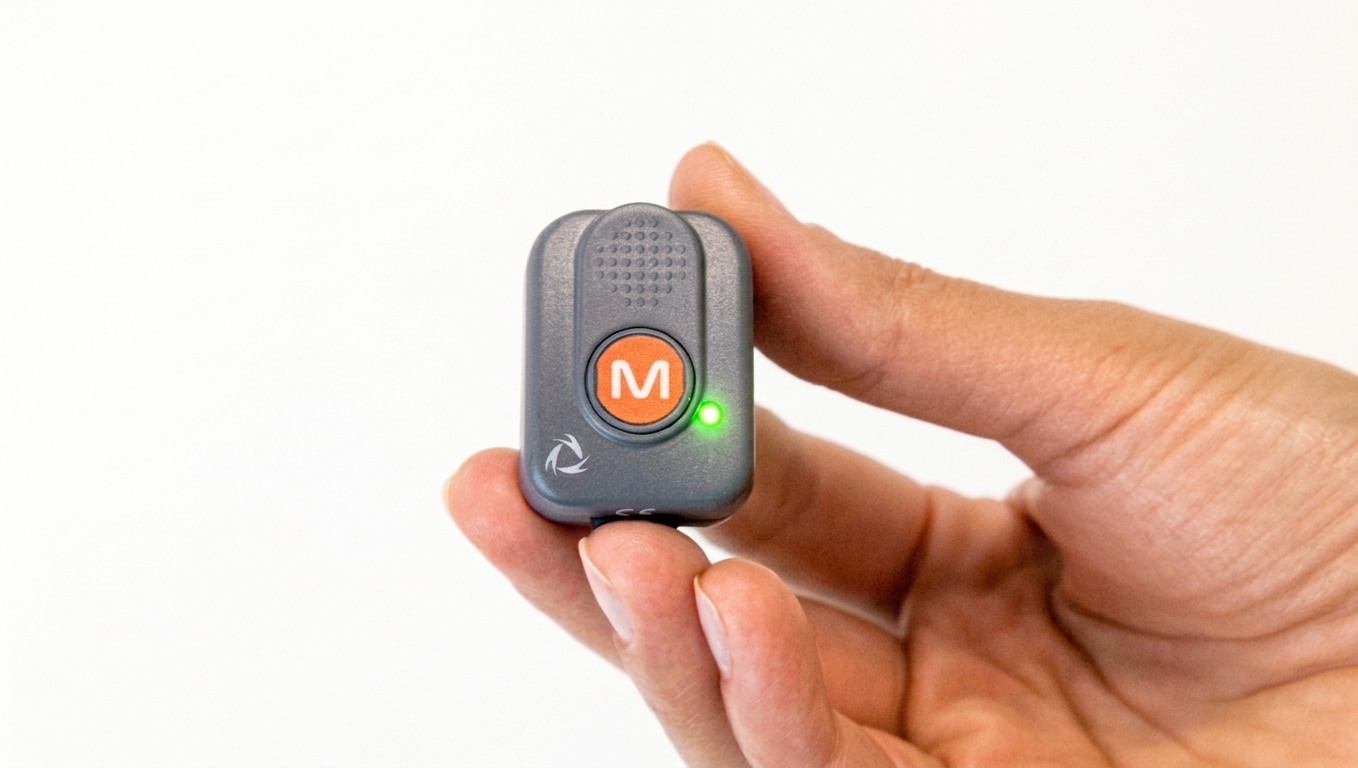
The new G-SENSOR redefines the standards of wearable sports technology. Drastically reduced in size and weight compared to previous generations, it can be applied in seconds and is designed to be completely imperceptible to the athlete, ensuring natural movement even during maximum intensity, explosive athletic tasks.
The system delivers highly reliable inertial data engineered for routine athletic screening. It is the ideal tool for executing ultra-fast baseline tests, capturing precise vertical jump profiling, and performing comprehensive kinetic assessments directly on the field.
Software
Simple Analytics & Instant Feedback
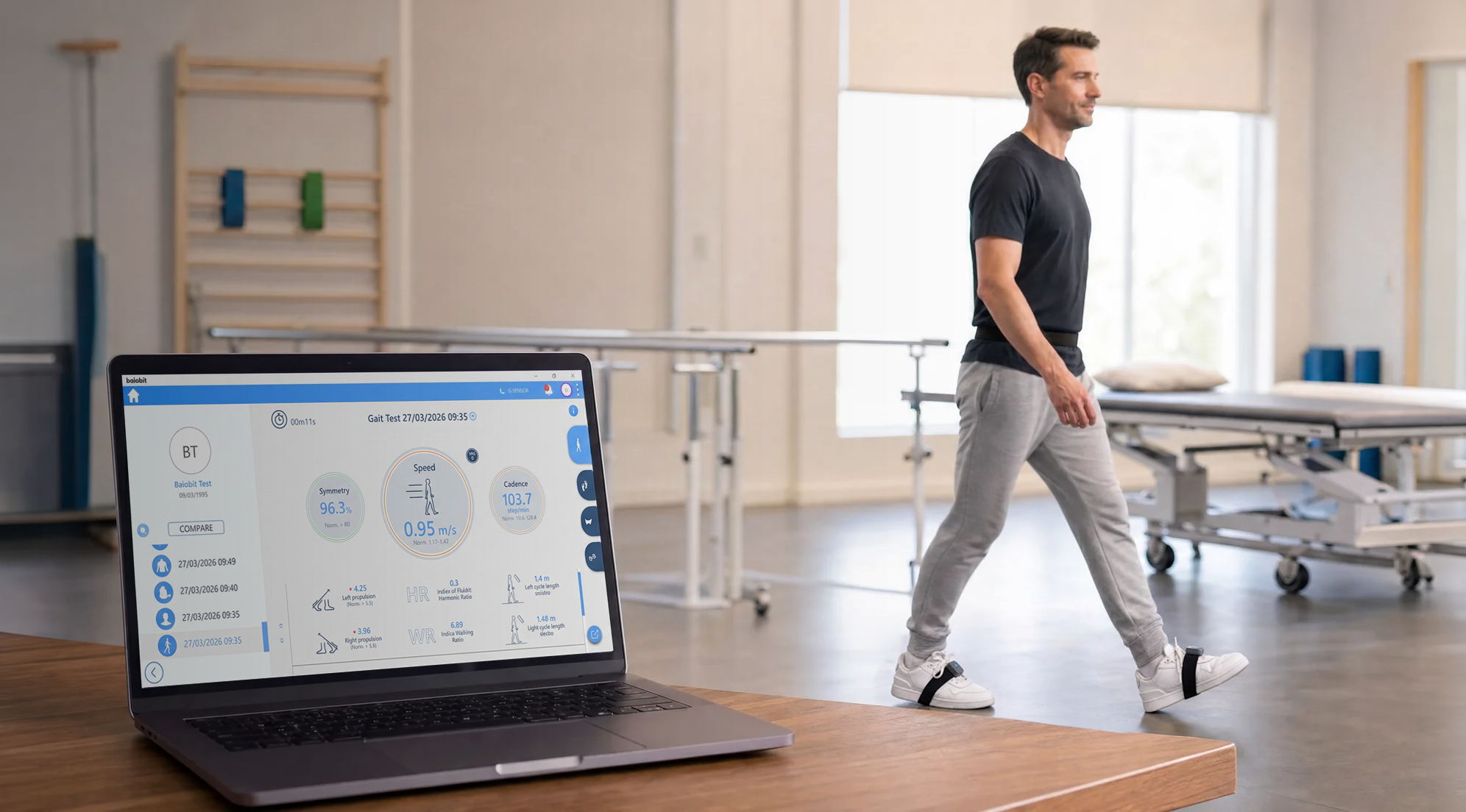
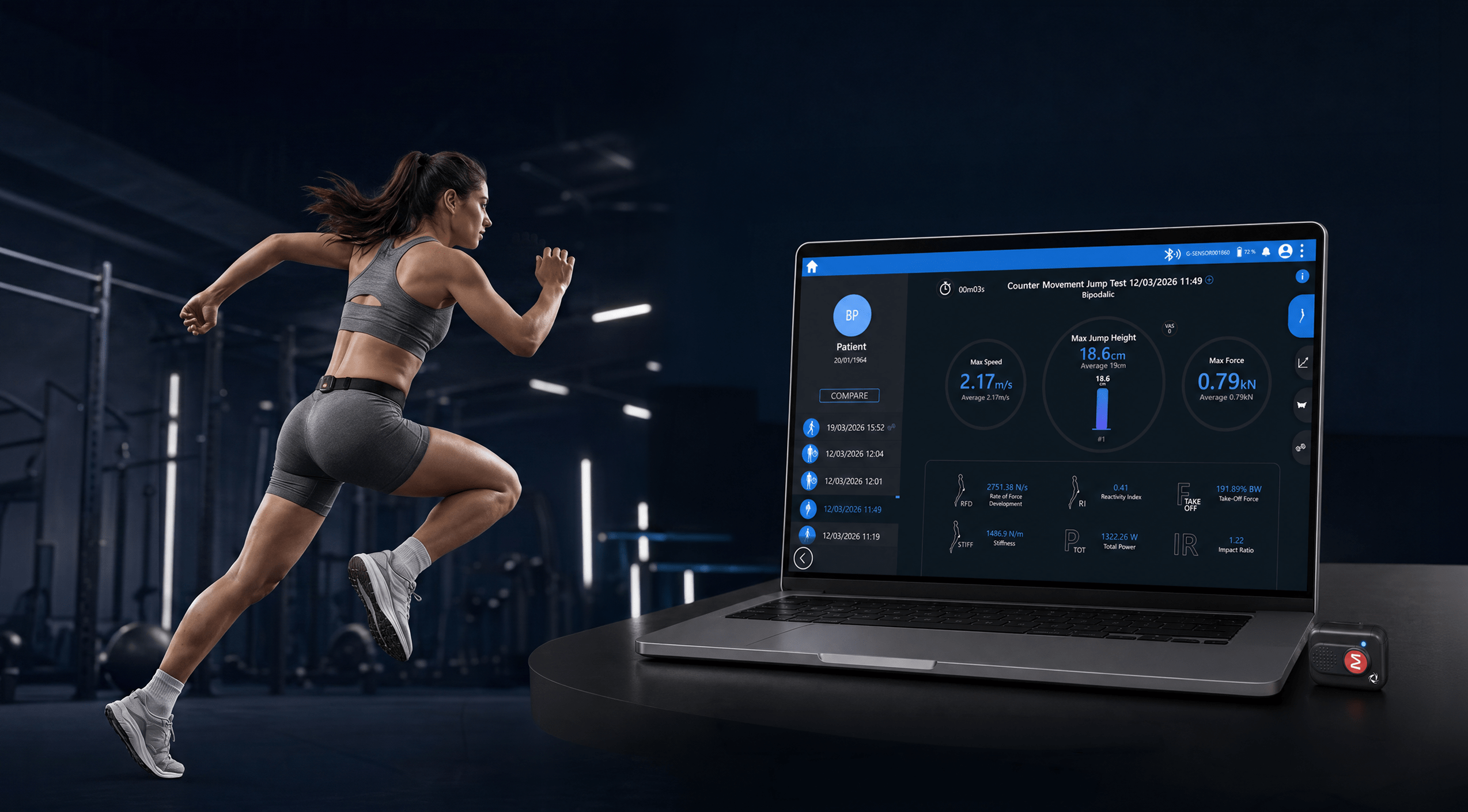
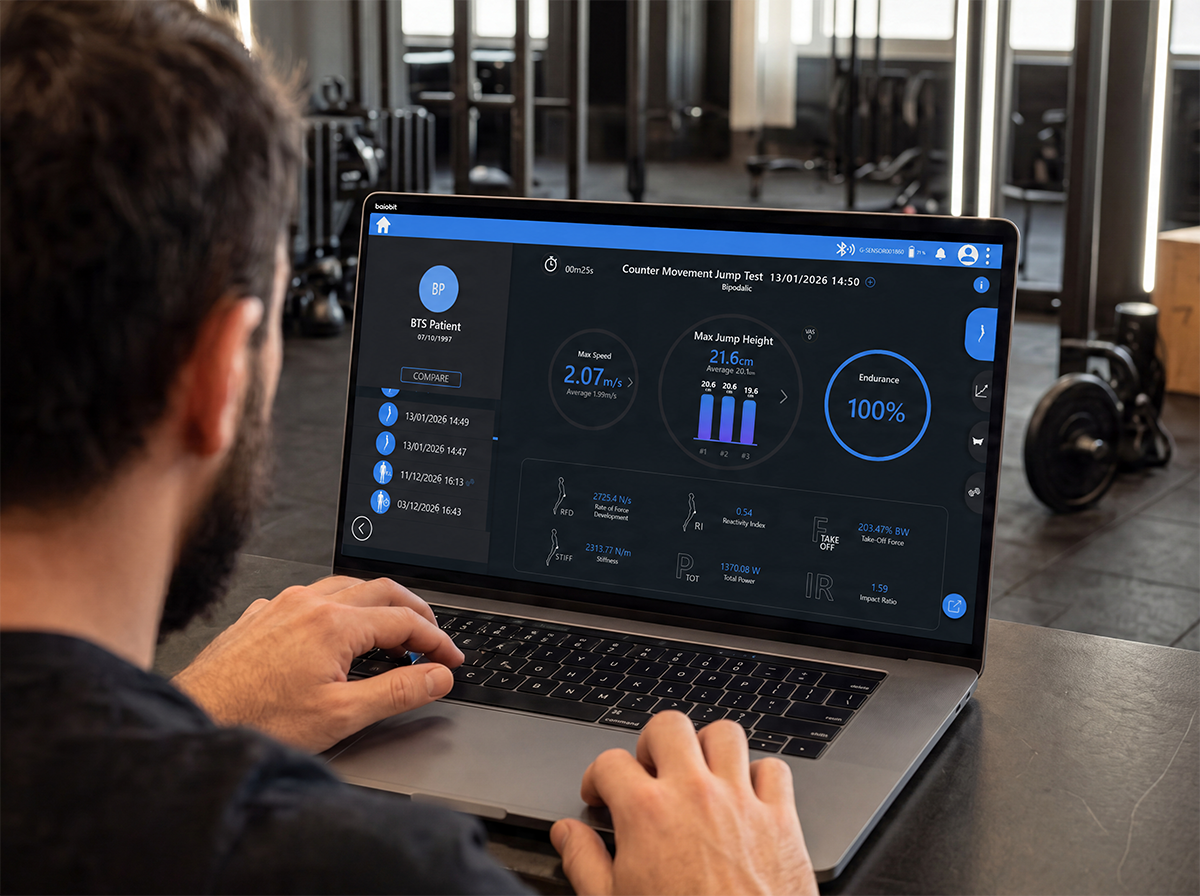
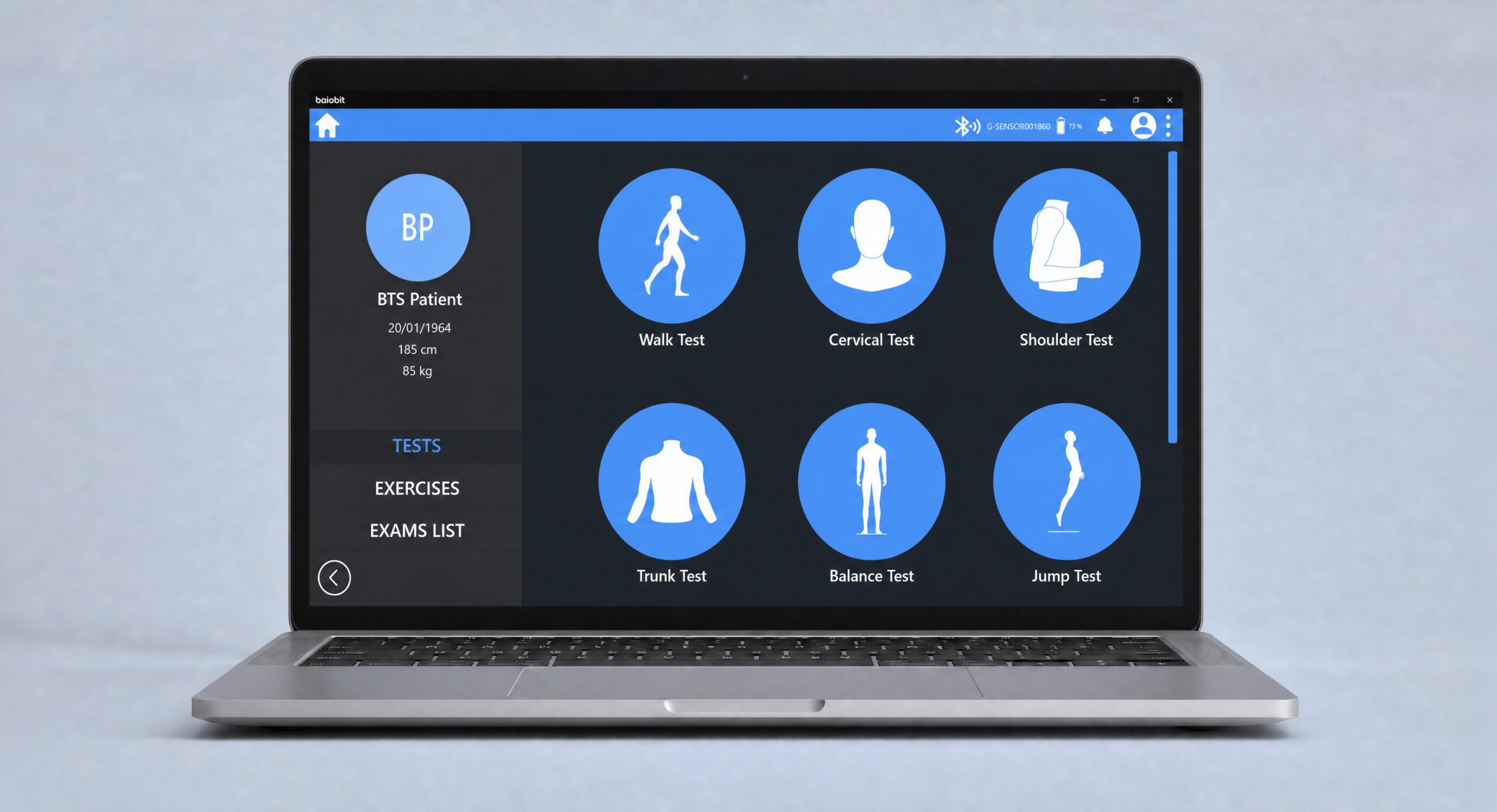
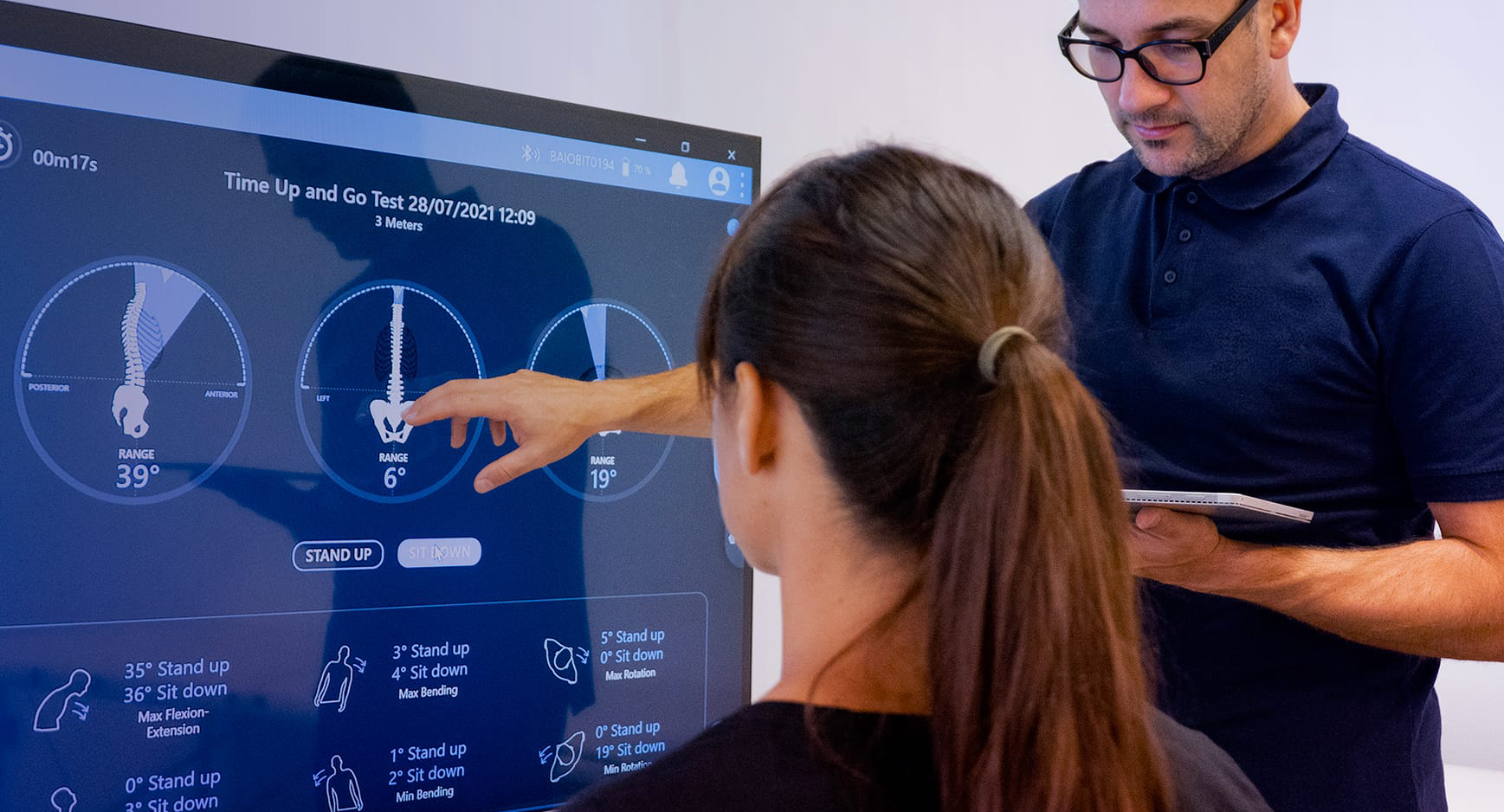
The Baiobit software, included in the G-SPORT solution, is designed for immediate use, skipping complex data processing in favor of a user-friendly interface. It pairs G-SENSOR instantly via bluetooth, turning raw movement into clear bars, graphs, and target zones that both coaches and athletes can understand at a glance.
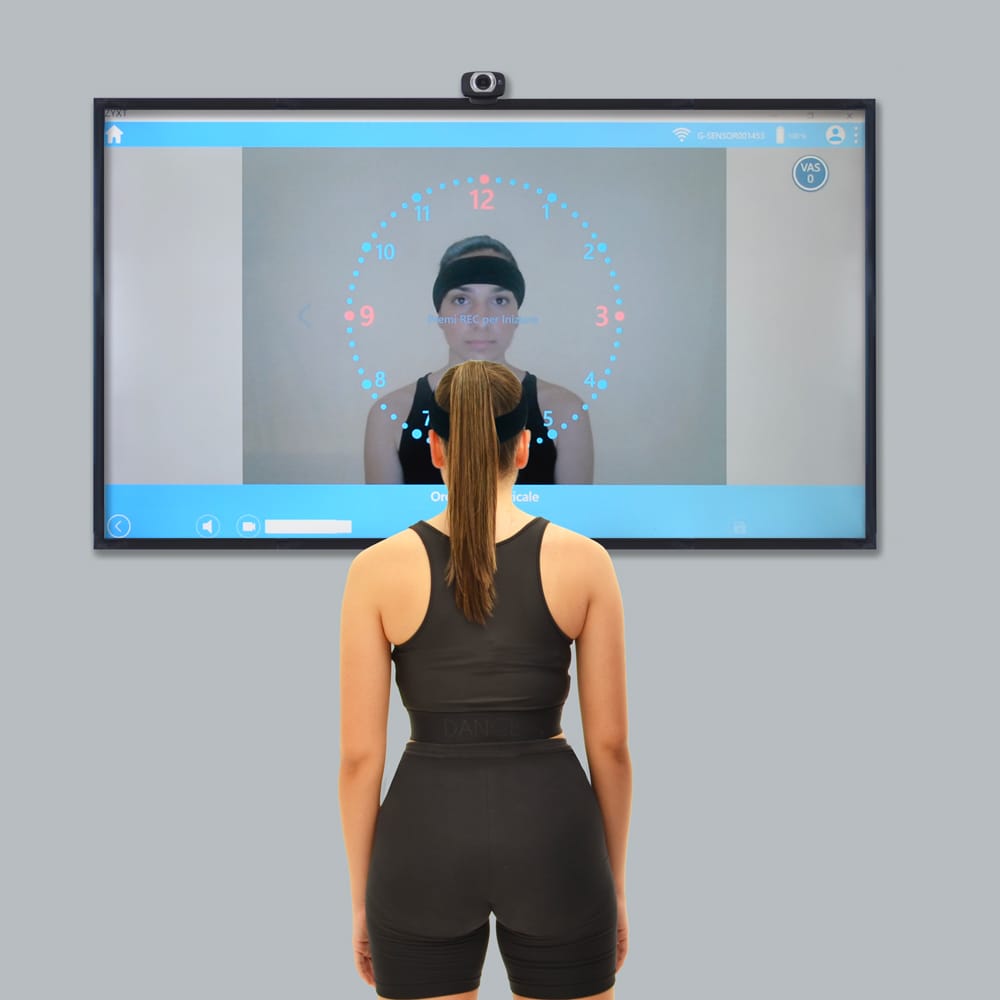
The software includes a basic visual feedback system. By showing key metrics on-screen in real-time – such as power estimated output or jump height trends – it helps athletes stay motivated, correct their execution on the spot, and understand their performance baselines during regular training or recovery phases.
Analysis protocols
A versatile suite of analysis protocols and exercises
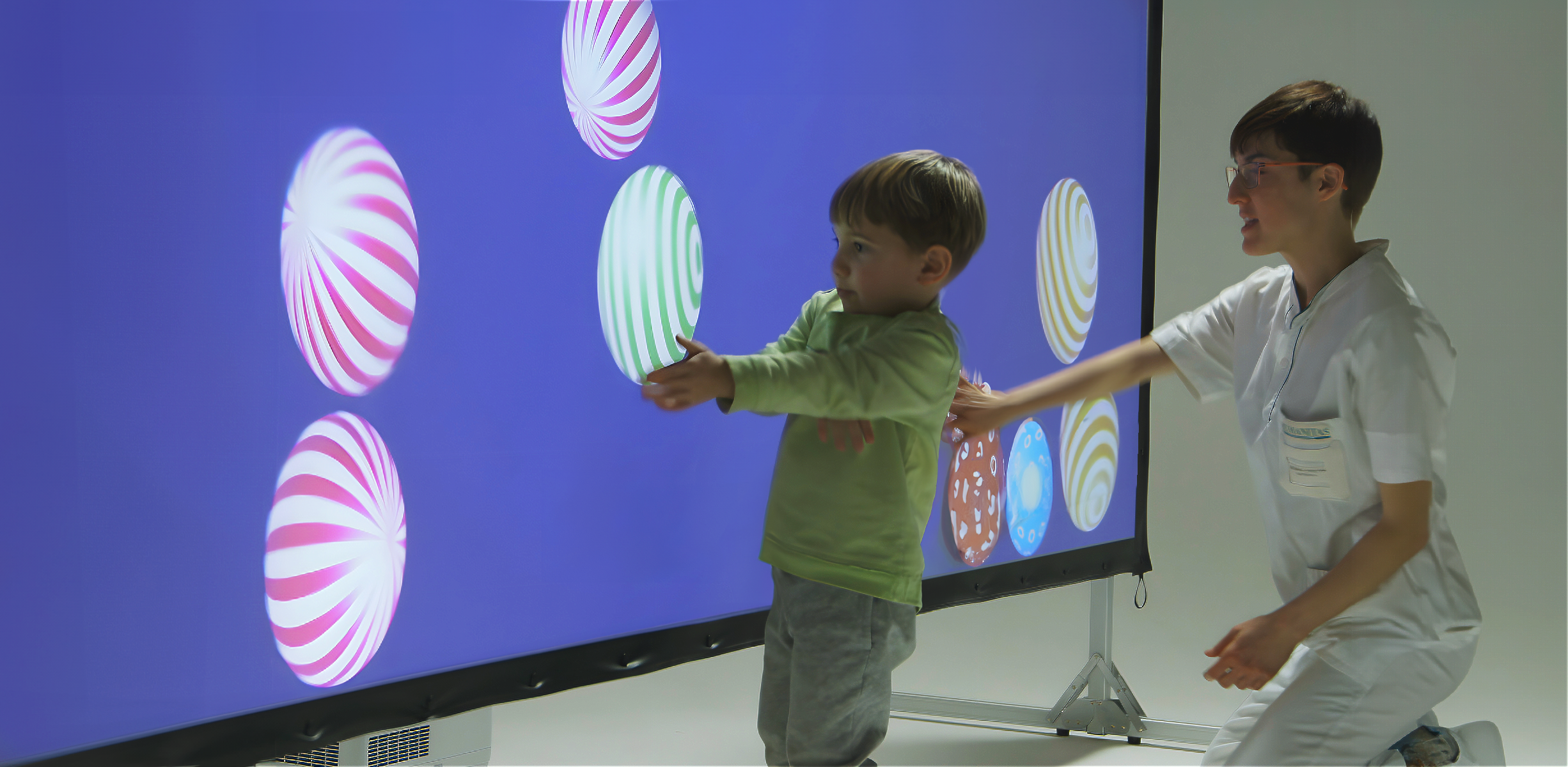
G-SPORT includes functional tests for evaluation and follow-up, alongside exercises supported by real-time biofeedback—utilizing acoustic and visual signals to actively engage the subject.
These features are organized into the following specialized packages:
Range of Motion (ROM): Practical instrumental analysis of joint mobility across key body districts (Cervical, Shoulder, Trunk, and Free angles) to quickly track stiffness and recovery trends.
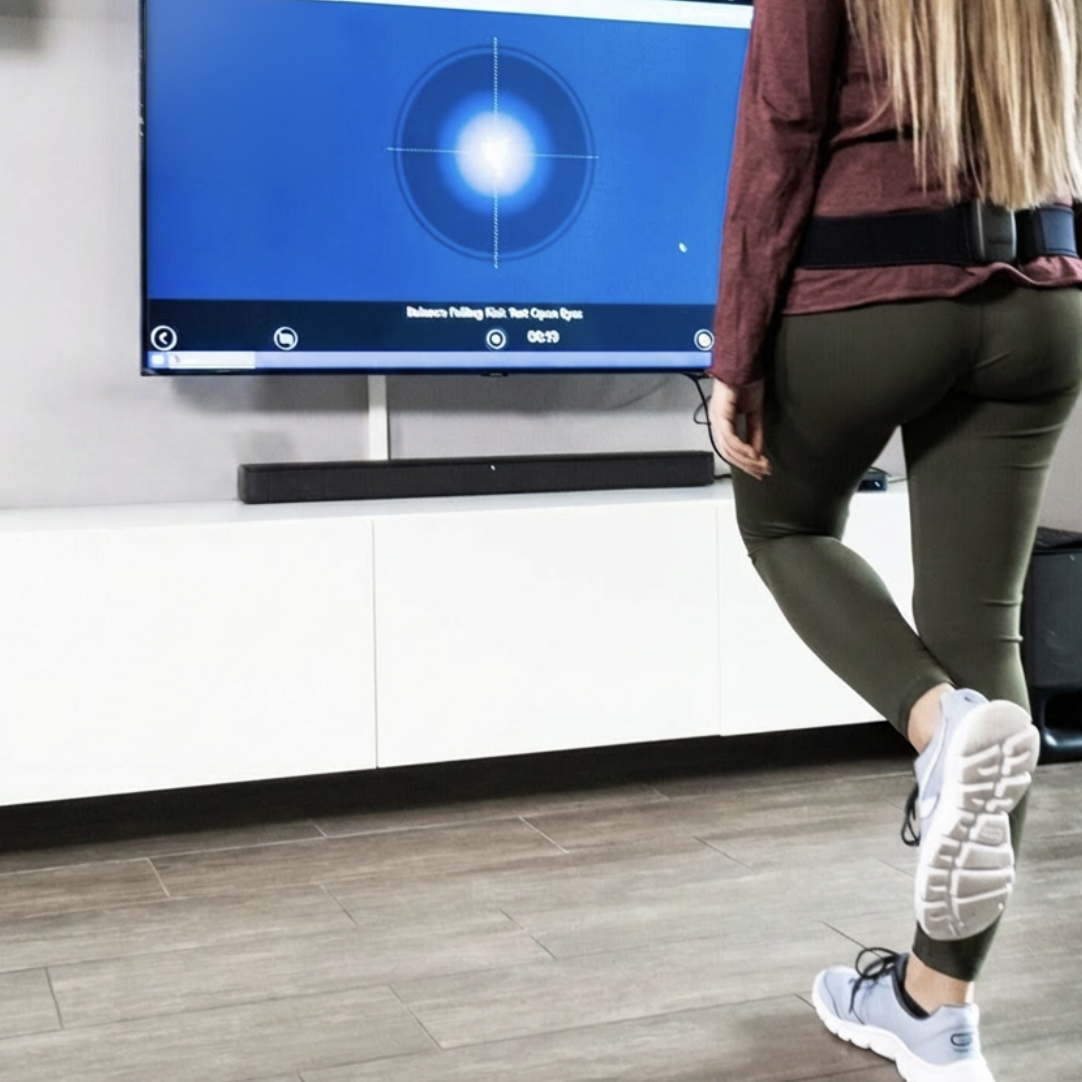
Return to Play: Objective support during the recovery process from sports injuries through rapid Jump tests, Balance screening, and estimated Power-Force-Velocity profiling.
Moreover, available as option:
Gait & Balance: Straightforward walking and equilibrium assessment (including Timed Up and Go, Walk, and Quiet Standing tests) to establish baseline protocols and monitor stability.
Report
Instant Insights & Comparative Analytics
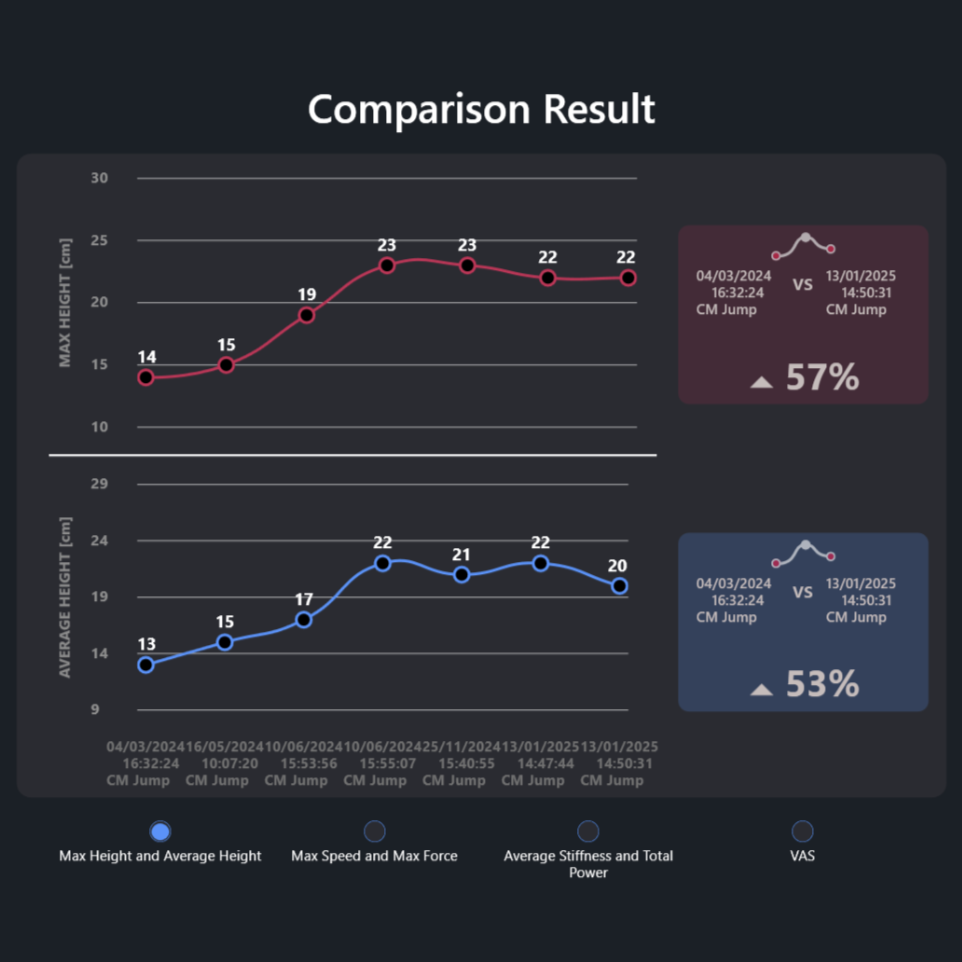
G-SPORT automatically generates intuitive, clincial-grade reports as soon as a test or exercise is completed, making it easy to streamline communication and share immediate insights with patients or athletes.
Additionally, its built-in history tracking enables advanced longitudinal analysis, allowing professionals to easily compare data across different sessions to objectively quantify recovery trajectories and visualize progress trends over time.
Highlights and plus
Functional tests
Validated protocols
Biofeedback
Bluetooth
Integrated pulse oximeter
Multi-user Software
What’s included in the kit
Components
Applications Packages
G-SENSOR Wireless inertial sensor
Transport bag
Charger cables
Fastening kit
Baiobit software license (5 seats)
Included:
RANGE OF MOTION
Accurate instrumental analysis of joint range of motion.
It includes:
Test: Cervical, Shoulder, Trunk, Free angles
Biofeedback exercises
RETURN TO PLAY
Support in the recovery process from a sport injury.
It includes:
Test: Jump, Power-Force-Velocity Profile, Balance
Biofeedback exercises
Available as options:
GAIT & BALANCE
Walking and balance assessment to create tailor-made rehabilitative programs.
It includes:
Test: Timed Up and Go, Walk, Balance
Biofeedback exercises
*Further clinical packages available upon request
A unique analysis tool
The G-SPORT solution combines the precision of the new, ultra-compact G-SENSOR featuring enhanced performance, with the versatility of BAIOBIT software, delivering a comprehensive suite of advanced analysis protocols and targeted exercises to optimize movement assessment in sports and rehabilitation.
Why choose our system
Report & comparison
G-SPORT provides objective data about athlete movement. Generate immediate automatic reports and compare multiple tests over time
Exercises with biofeedback
All the exercises included are supported by biofeedback. During the session, the subjects receive sound and visual cues that actively engage and motivate.
Training program design
G-SPORT helps you choose the best training program for each subjact. Thanks to the repeatability of motion measurements, you monitor the evolution of the motor skills over time.
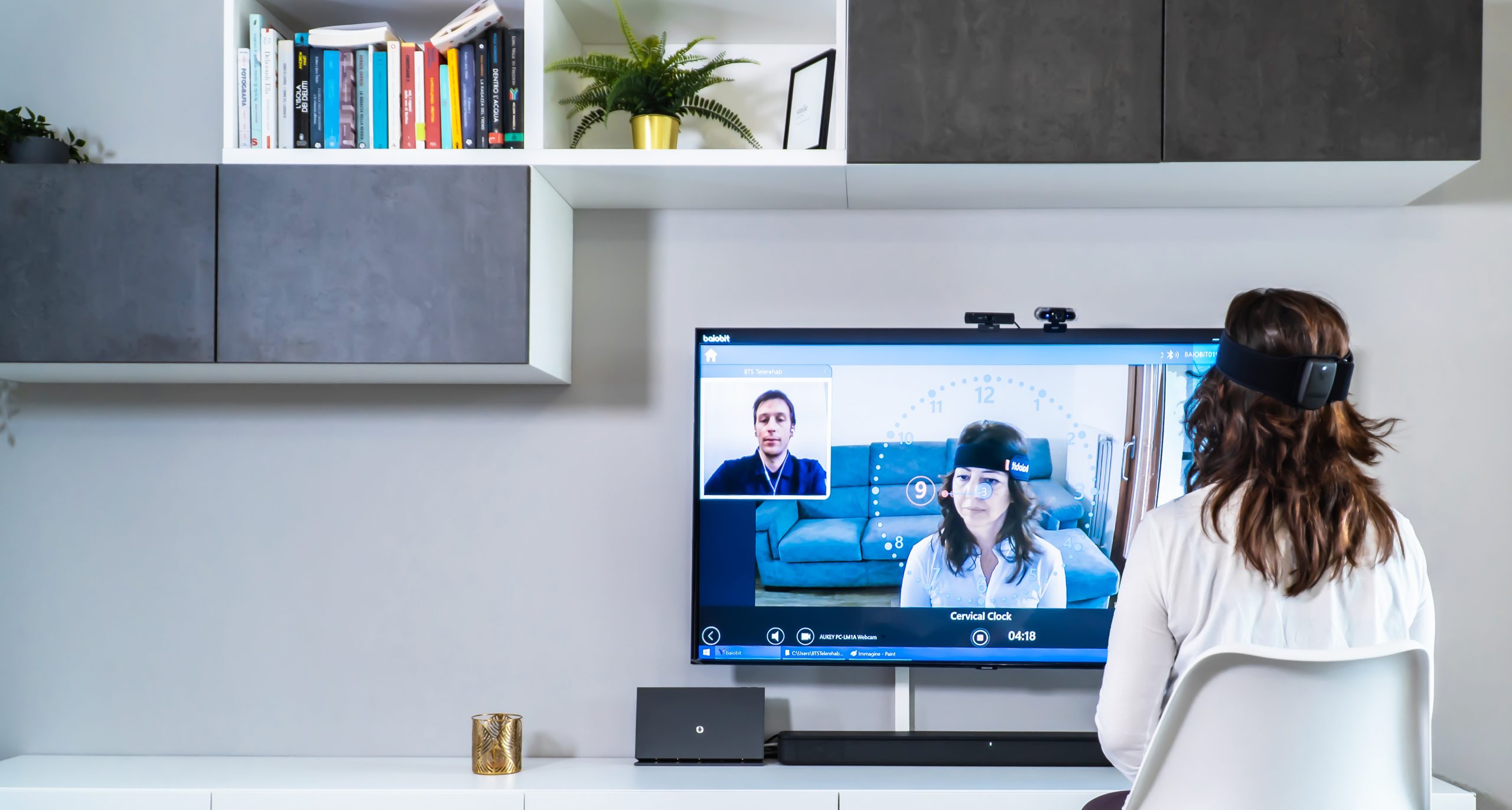
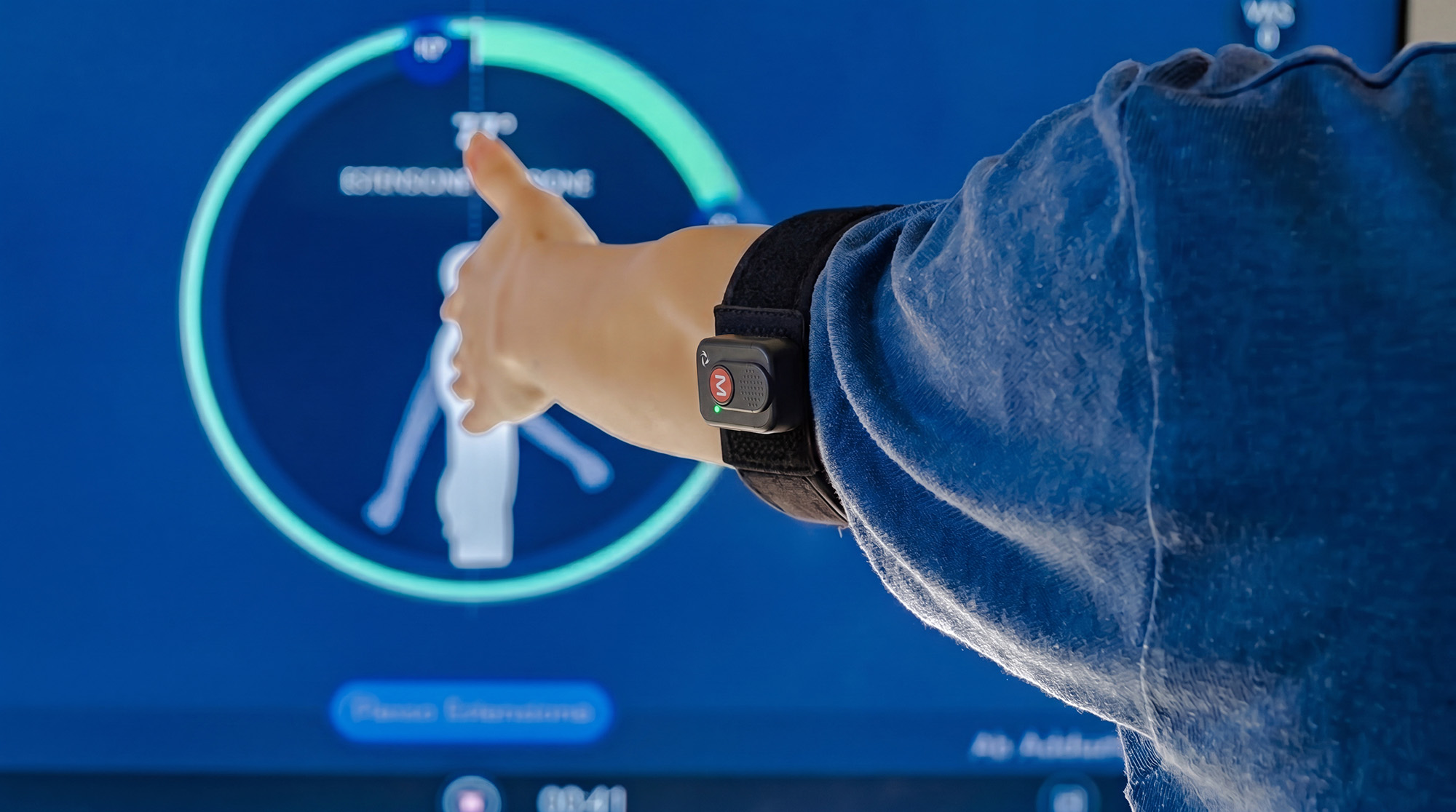
Mirror therapy
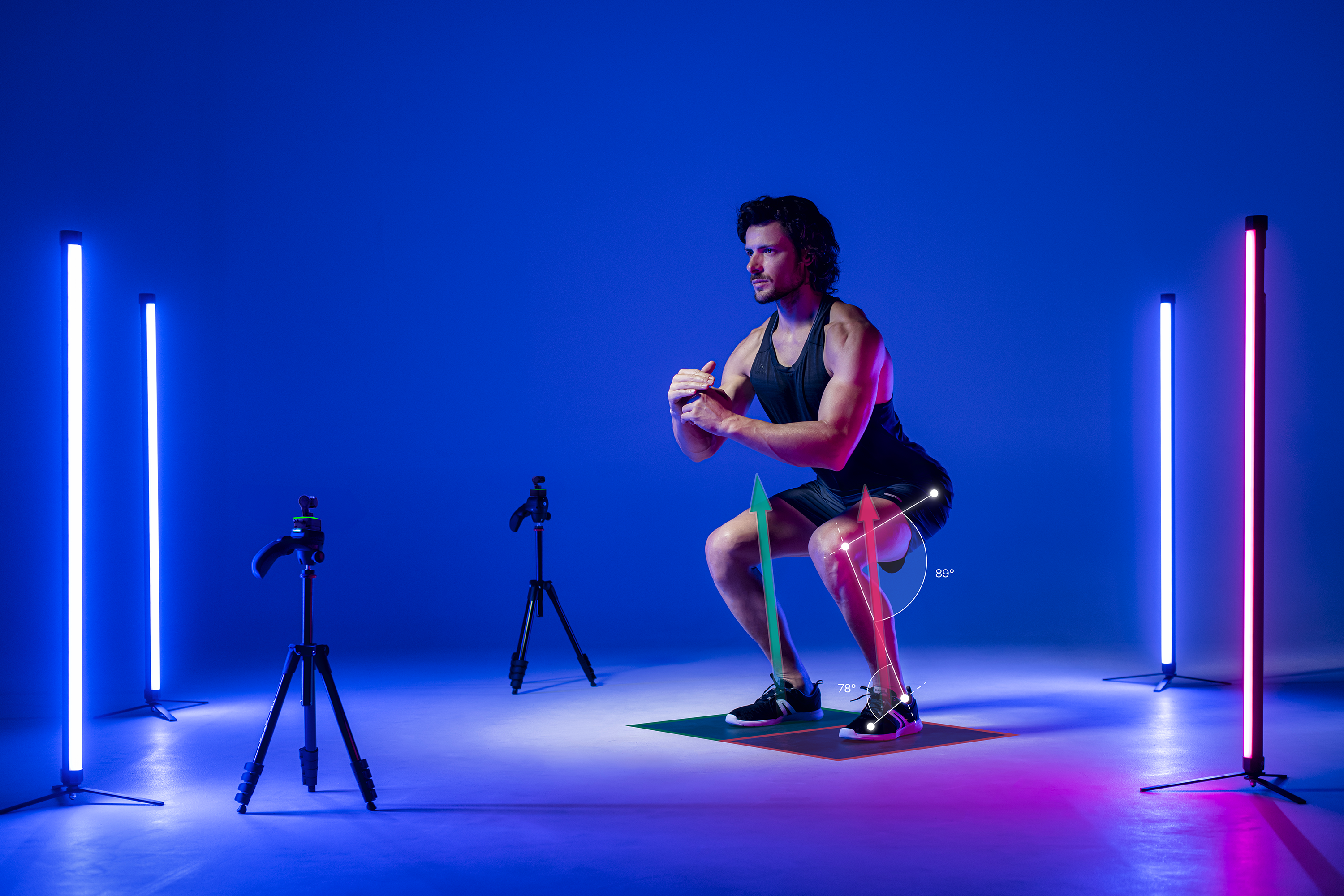
The subject’s mirrored image on the TV is superimposed by graphic elements in real time for the execution of selective functional movements, without the use of avatars.