Info request

Advanced Multifactorial Movement Analysis

Discover

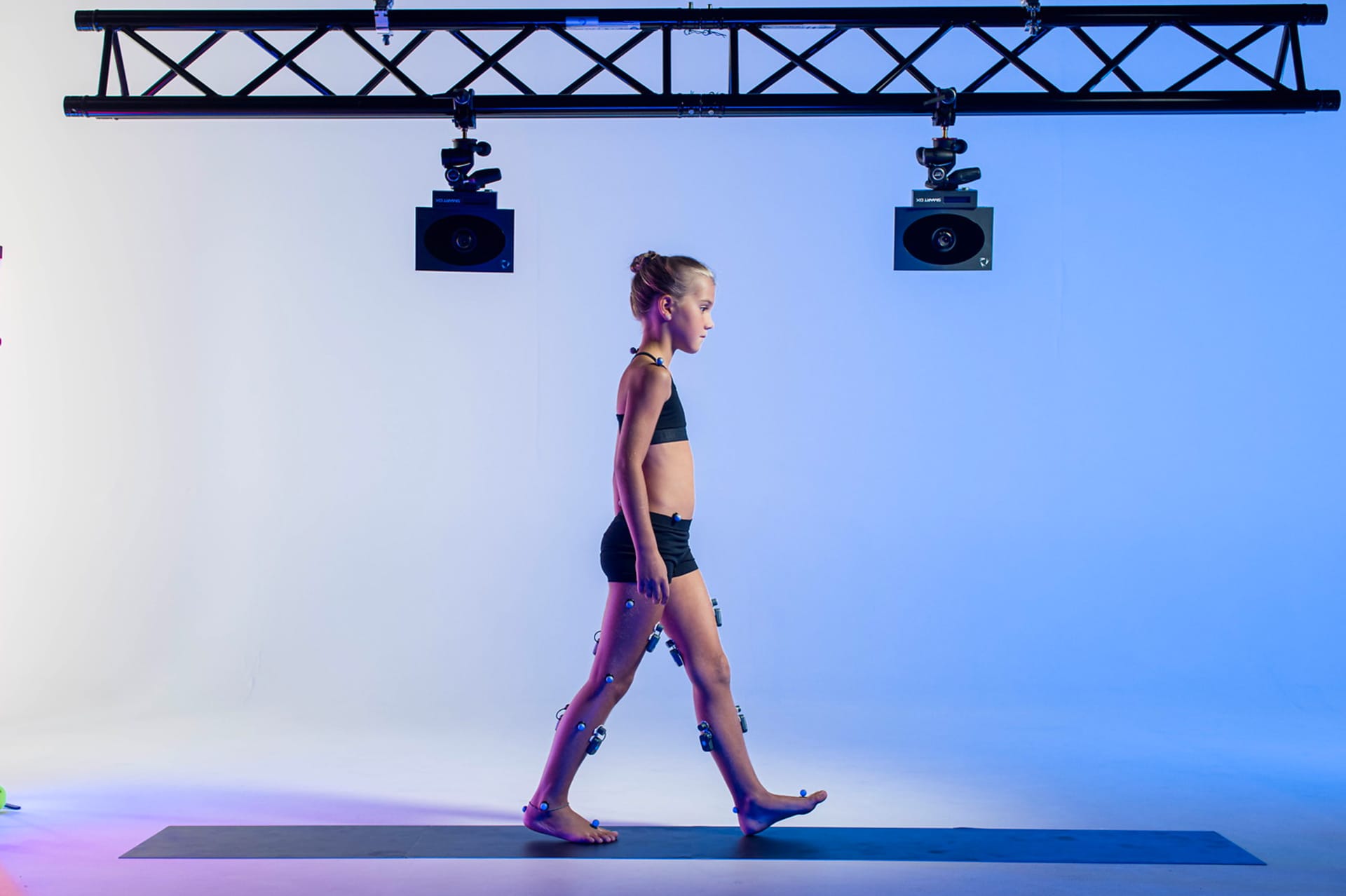
Advanced multifactorial movement analysis provides a comprehensive and in-depth evaluation of motor impairments by integrating kinematic, kinetic, and neuromuscular data. It represents the most advanced level of clinical movement analysis and is particularly indicated when the complexity of a case requires a deeper understanding of the underlying causes of movement dysfunction.

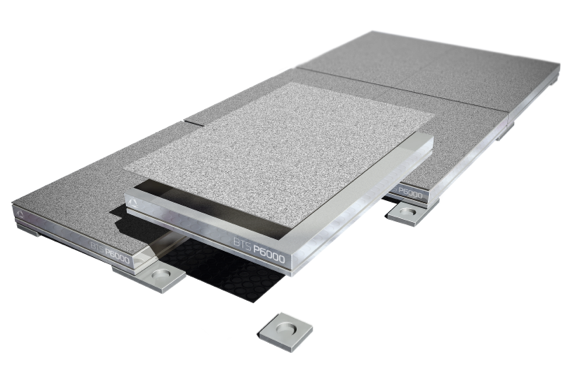
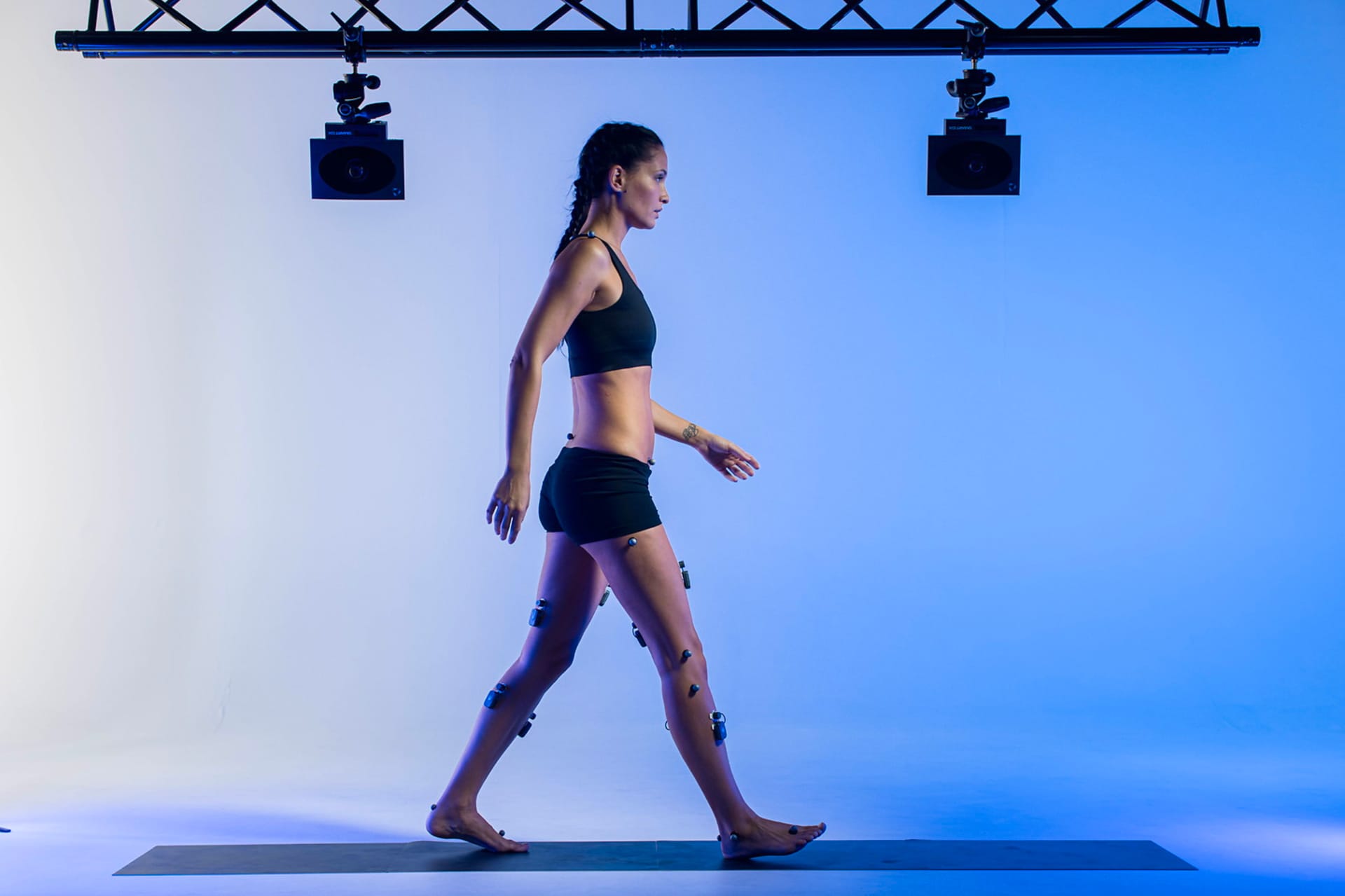
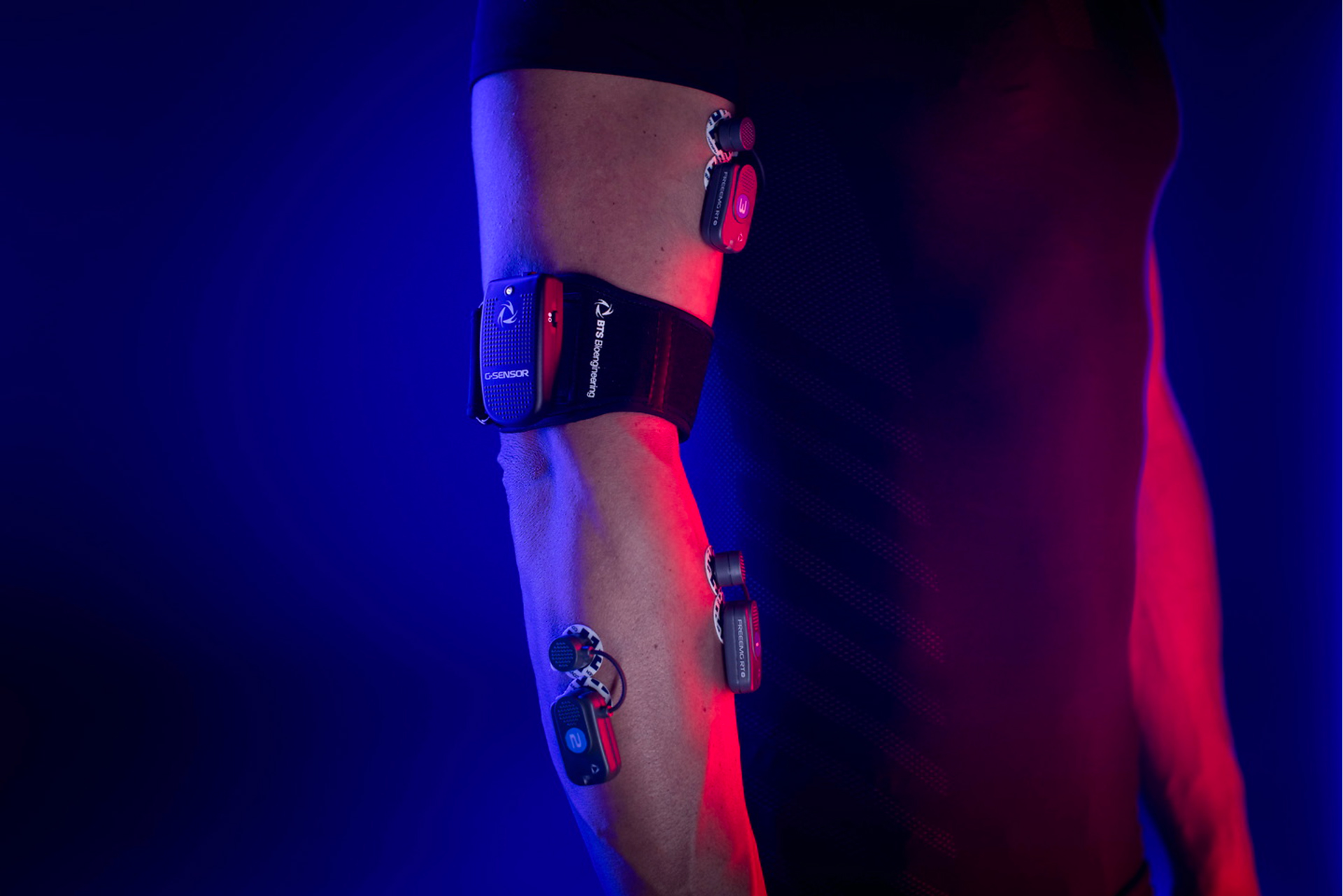
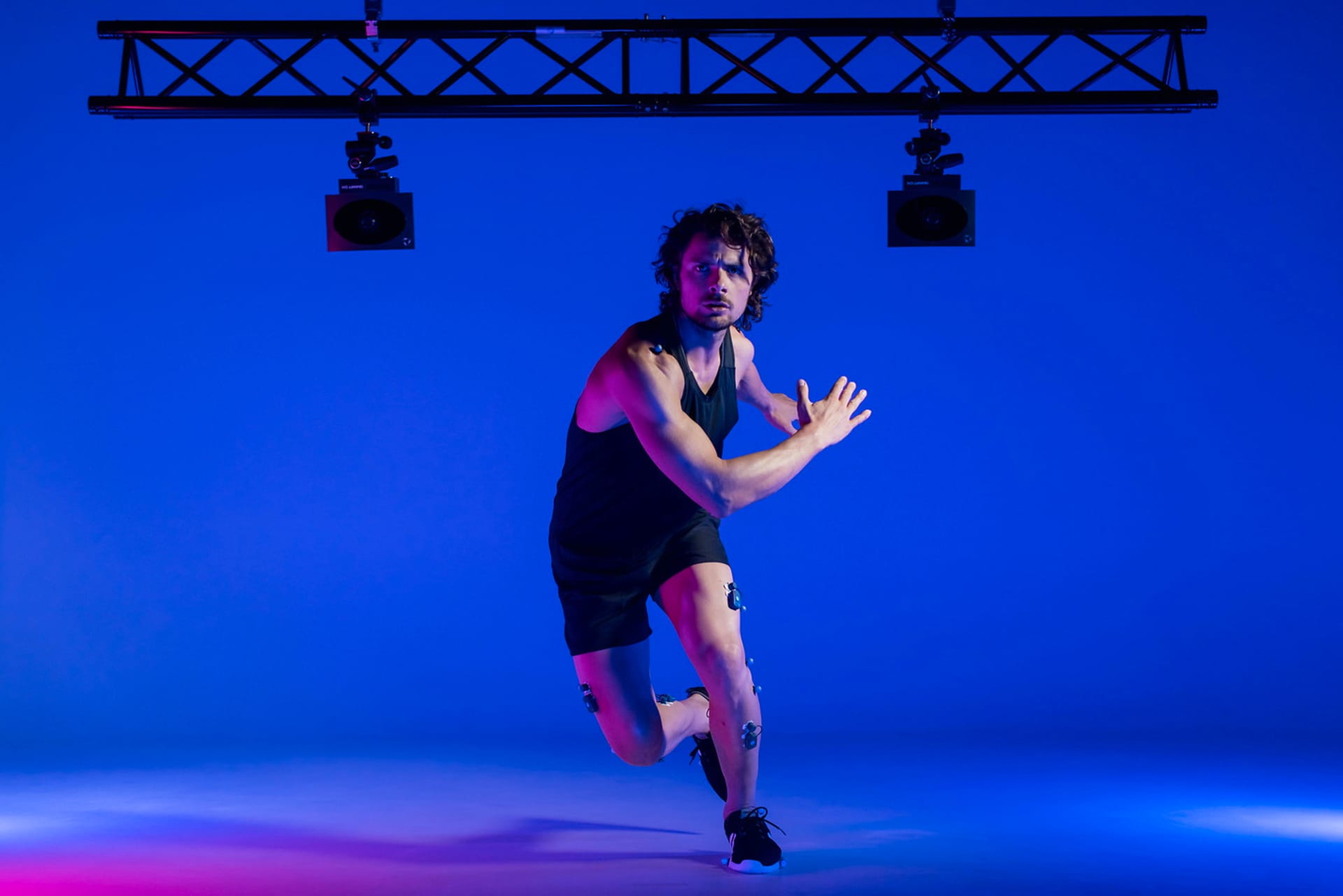
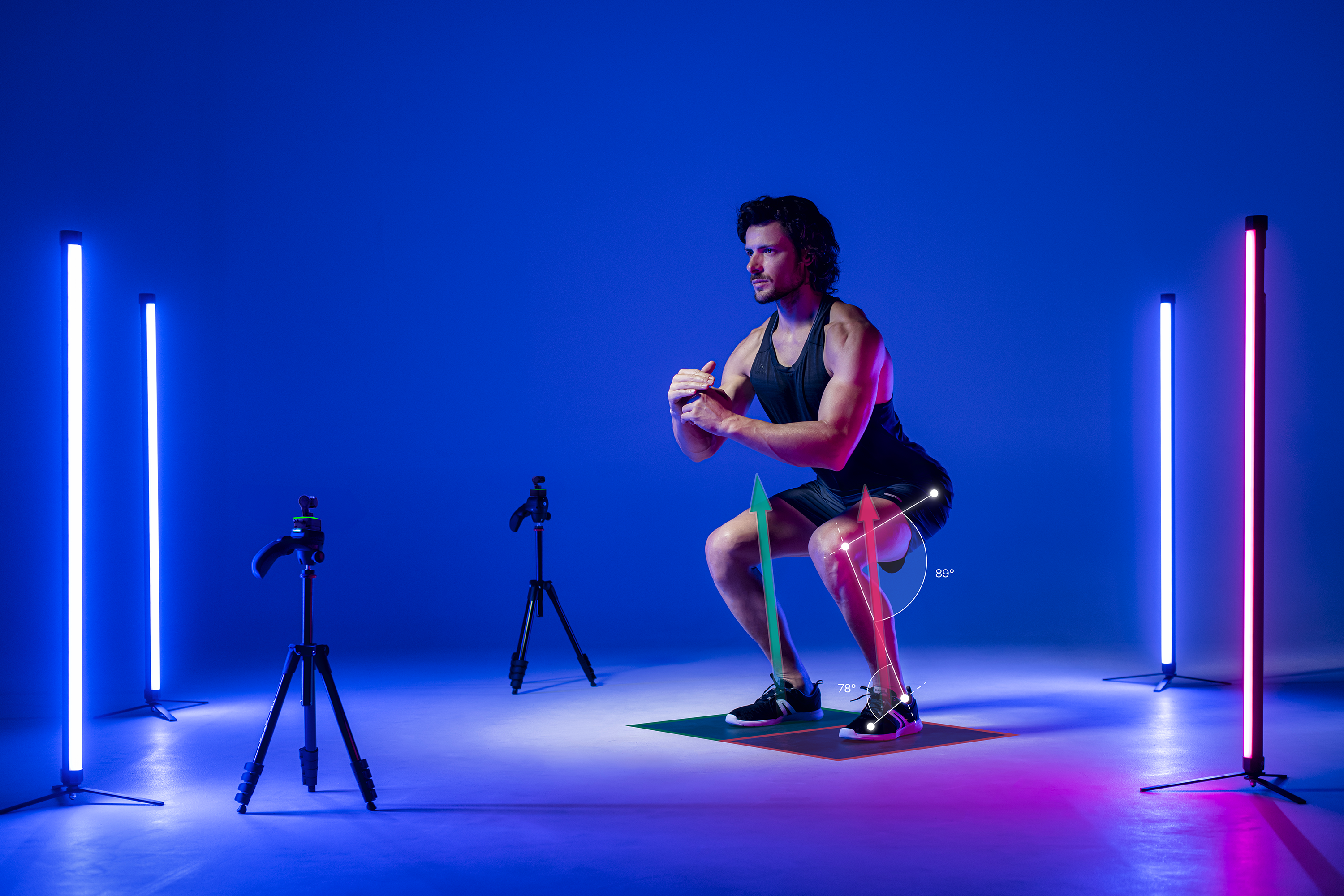
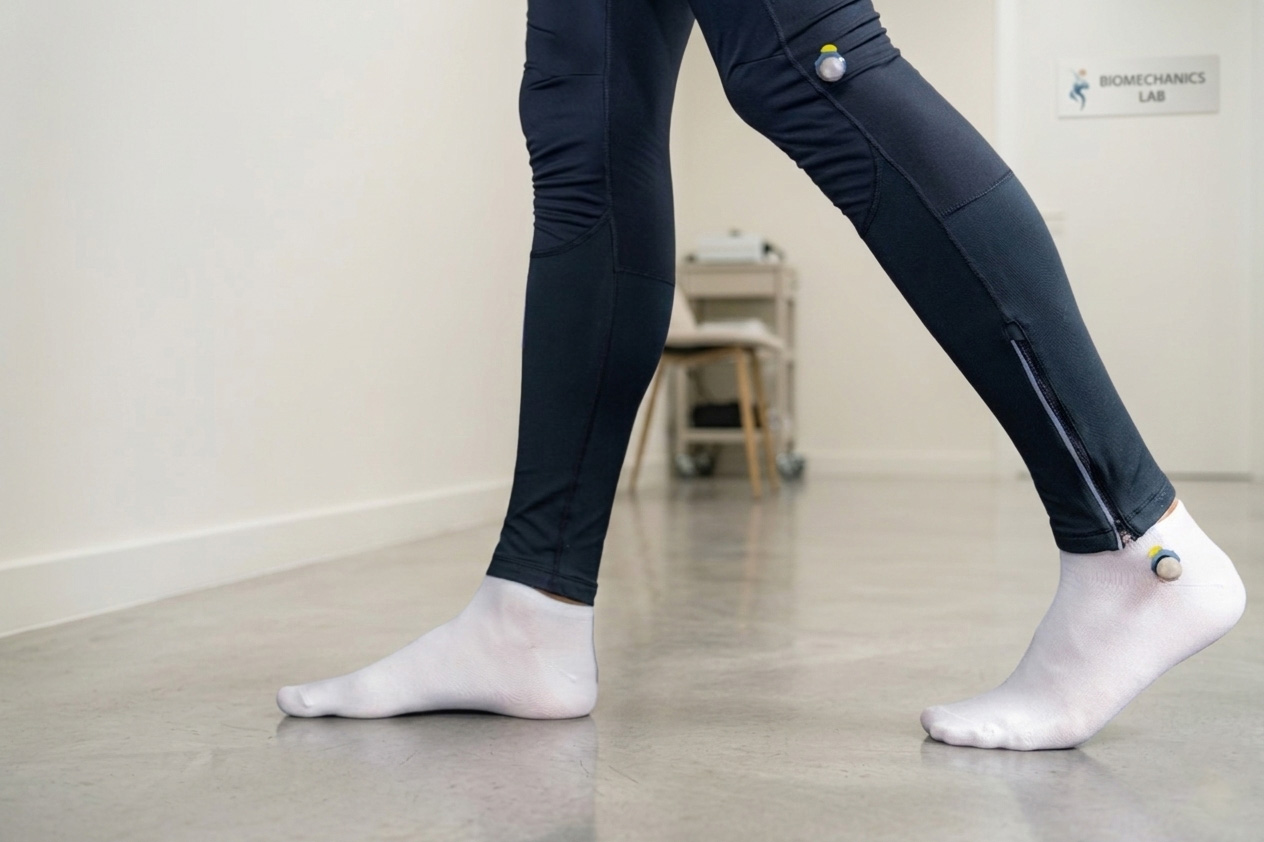
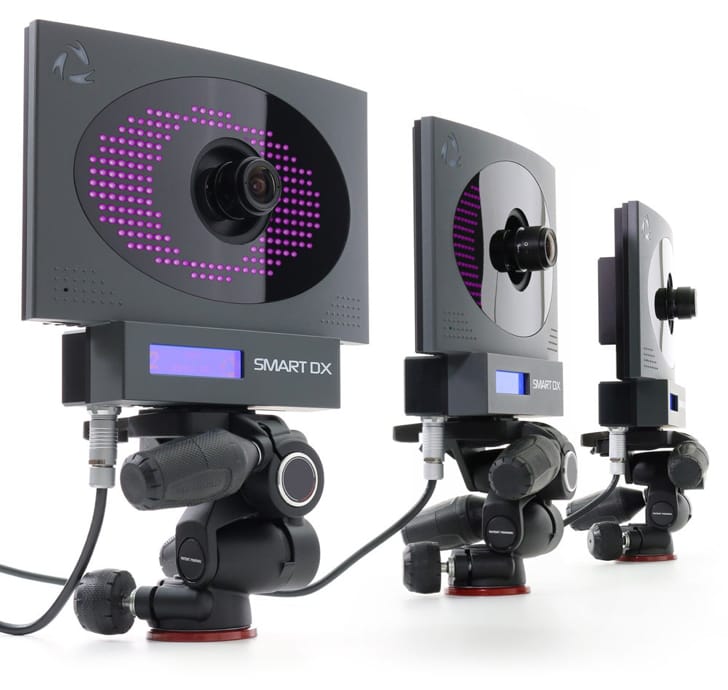
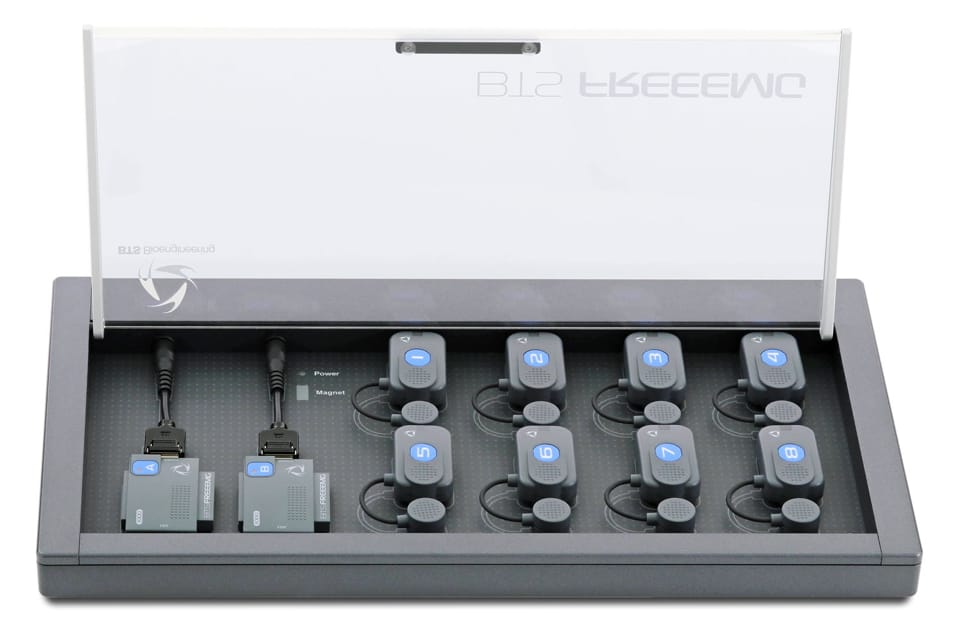
By combining 3D motion analysis, ground reaction force measurement, and surface electromyography (sEMG), it becomes possible to study human movement as the result of the interaction between joints, muscles, and external forces. This integrated approach goes beyond simple movement description and enables a causal interpretation of functional impairments.

When integrated into high-specialization clinical workflows, multifactorial movement analysis provides critical information to support therapeutic and surgical decision-making, improving the overall quality of clinical decisions in complex cases.
Why it matters

In complex clinical cases, visual observation and partial assessments are insufficient to fully understand the causes of movement alterations. Multifactorial movement analysis allows for the correlation of kinematics, kinetics, and muscle activation, distinguishing structural deficits from compensatory strategies. This approach reduces clinical uncertainty and supports more informed and targeted decisions, particularly in pre- and post-surgery contexts

Who it’s for

This application supports professionals working in high-complexity clinical environments, including:

  • Medical specialists and surgeons:  informed pre- and post-surgical decision-making

  • Physiatrists and experienced physiotherapists: managing complex cases not responding to standard treatments

  • Neurology specialists: advanced evaluation of central movement disorders

  • Reference centers and hospitals: multidisciplinary gait disorder assessments

  • Universities and research centers: advanced studies in biomechanics and motor control

Key Benefits

  • Provides a comprehensive and integrated understanding of human movement

  • Supports causal interpretation of motor impairments

  • Reduces clinical uncertainty in complex cases

  • Improves therapeutic and surgical planning

  • Enables objective comparison before and after treatment

Scientific papers

08/02/2018
Journal of Medical and Biological Engineering

Assessment of Waveform Similarity in Electromyographical Clinical Gait Data: The Linear Fit Method

23/01/2020
Journal of Biomechanics

Does variability in motor output at individual joints predict stride time variability in gait? Influences of age, sex, and plane of motion

24/07/2020
IRCCS Fondazione Don Carlo Gnocchi, Milan, Italy

Improved Gait of Persons With Multiple Sclerosis After Rehabilitation: Effects on Lower Limb Muscle Synergies, Push-Off, and Toe-Clearance

09/10/2019
Multiple Sclerosis International

Is There Any Relationship between Upper and Lower Limb Impairments in People with Multiple Sclerosis? A Kinematic Quantitative Analysis

01/05/2012
Gait & Posture

Integrated kinematics–kinetics–plantar pressure data analysis: A useful tool for characterizing diabetic foot biomechanics Author links open overlay panel

Customer Success Story

Discover how your colleagues have made the most of our technologies.

“BTS Bioengineering’s technologies offer a comprehensive operating system to currently capture multiple points of data. This is extremely important when working with children as they often fatigue quickly or lose interest after several trials. As such, we are able to capture data in a single pass”

Warren Marks Motion Lab Medical Director

Already trusted us

Discover how

Need more information?

Send us a request

Info request