Info request

Quantitative movement and gait analysis

Discover

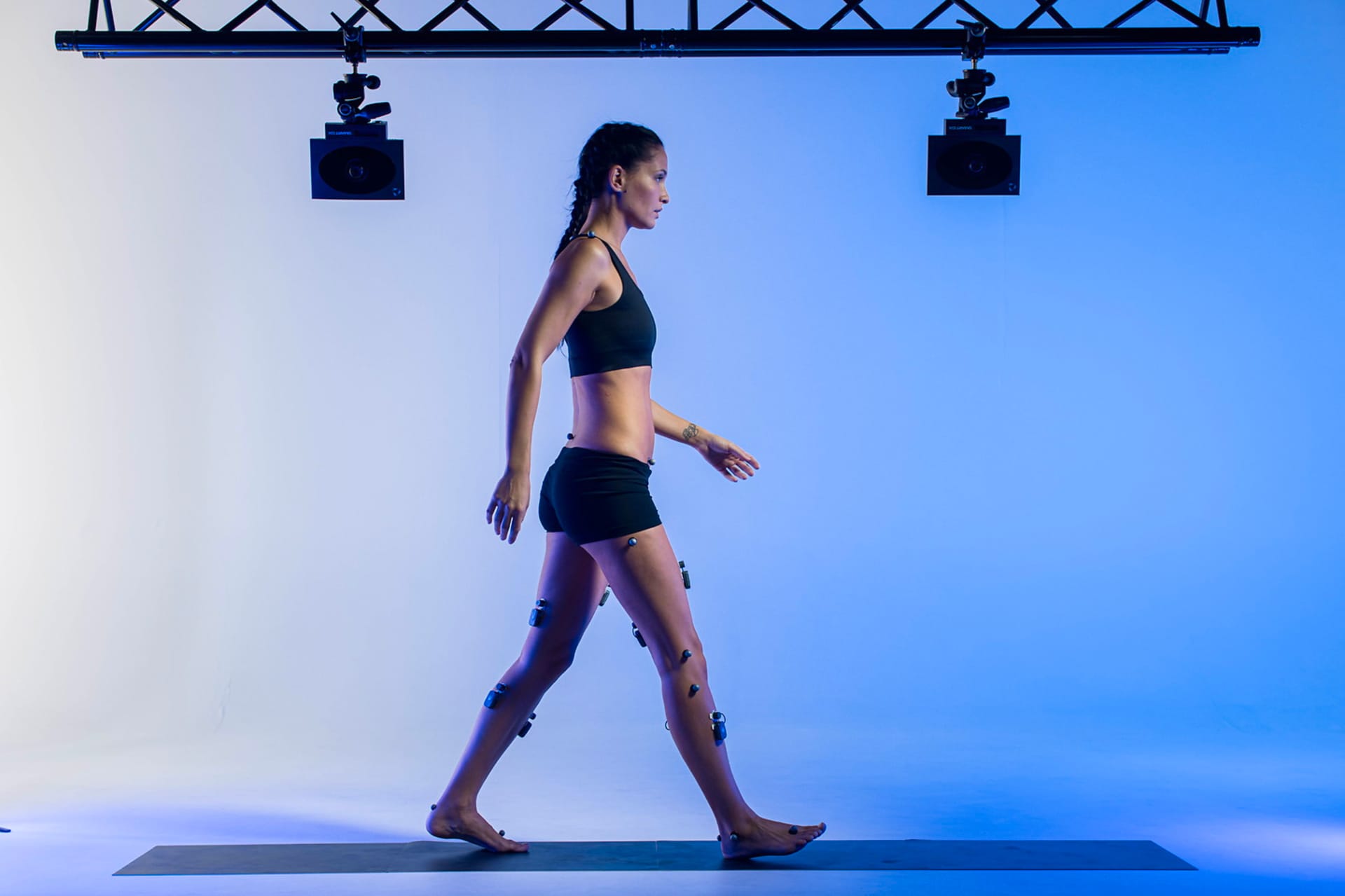
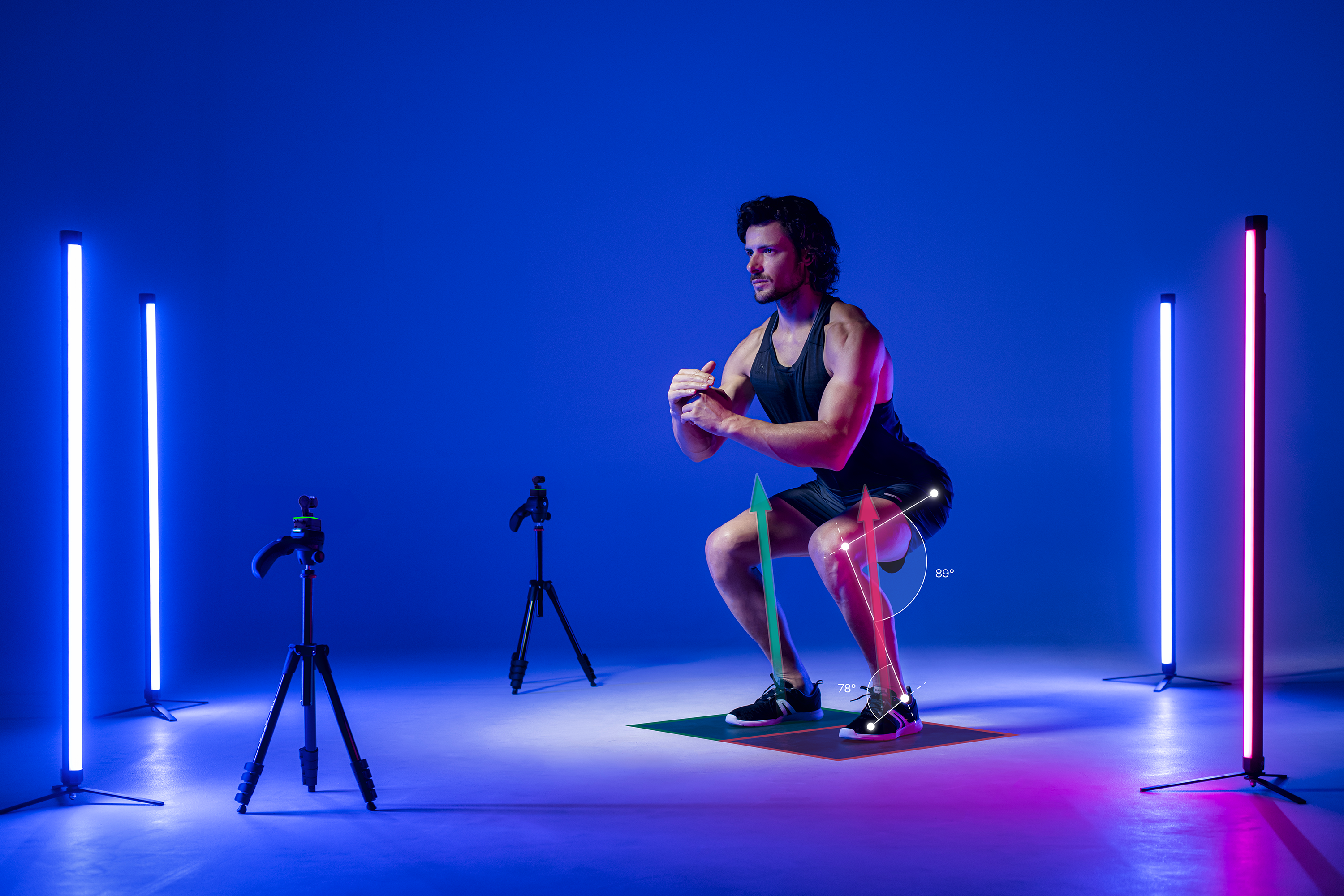
Quantitative movement and gait analysis allows for the objective analysis of how a patient moves in static and dynamic conditions, transforming clinical observation into measurable data. It represents a key element for functional assessment, diagnostic support, and outcome monitoring across various clinical contexts.

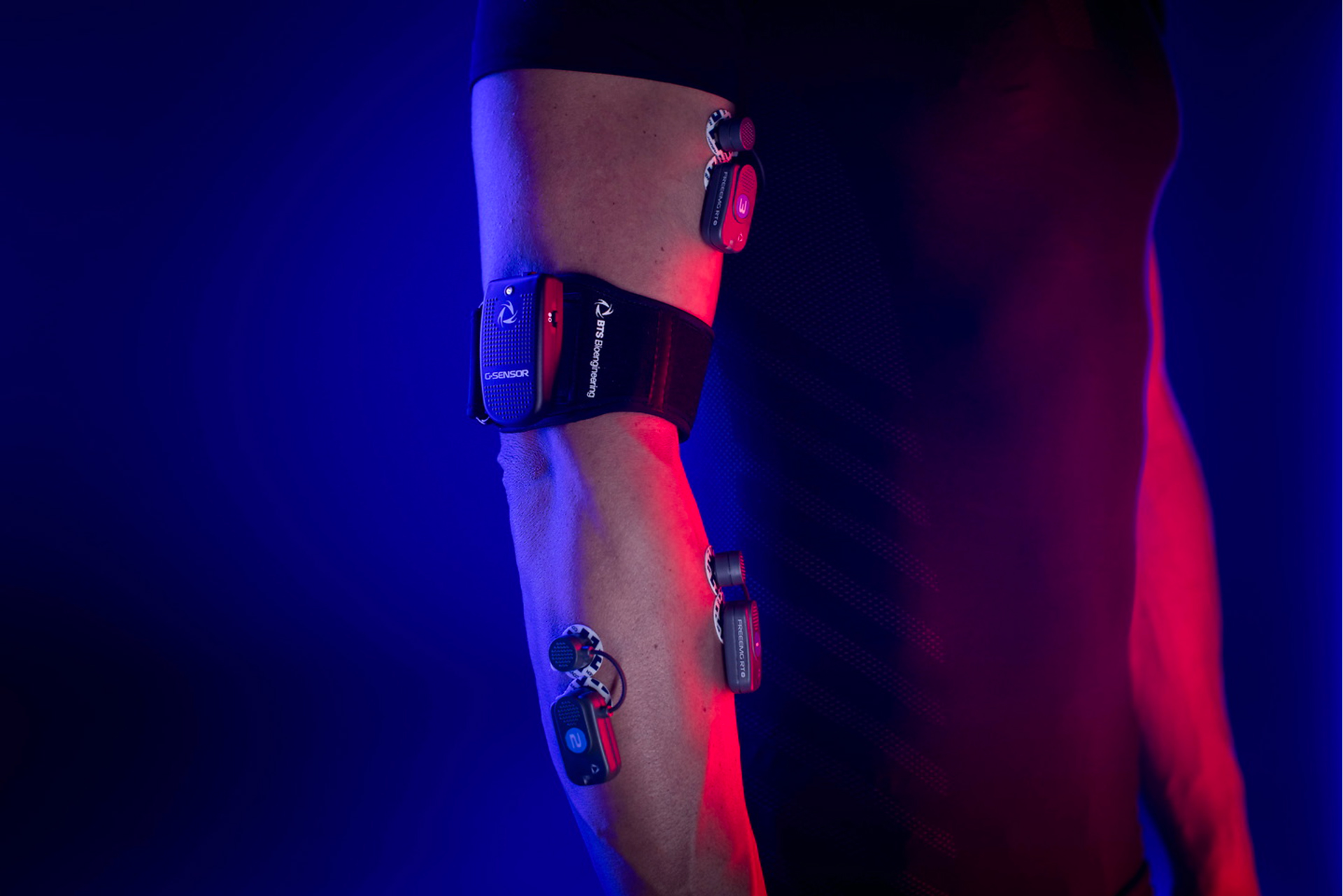
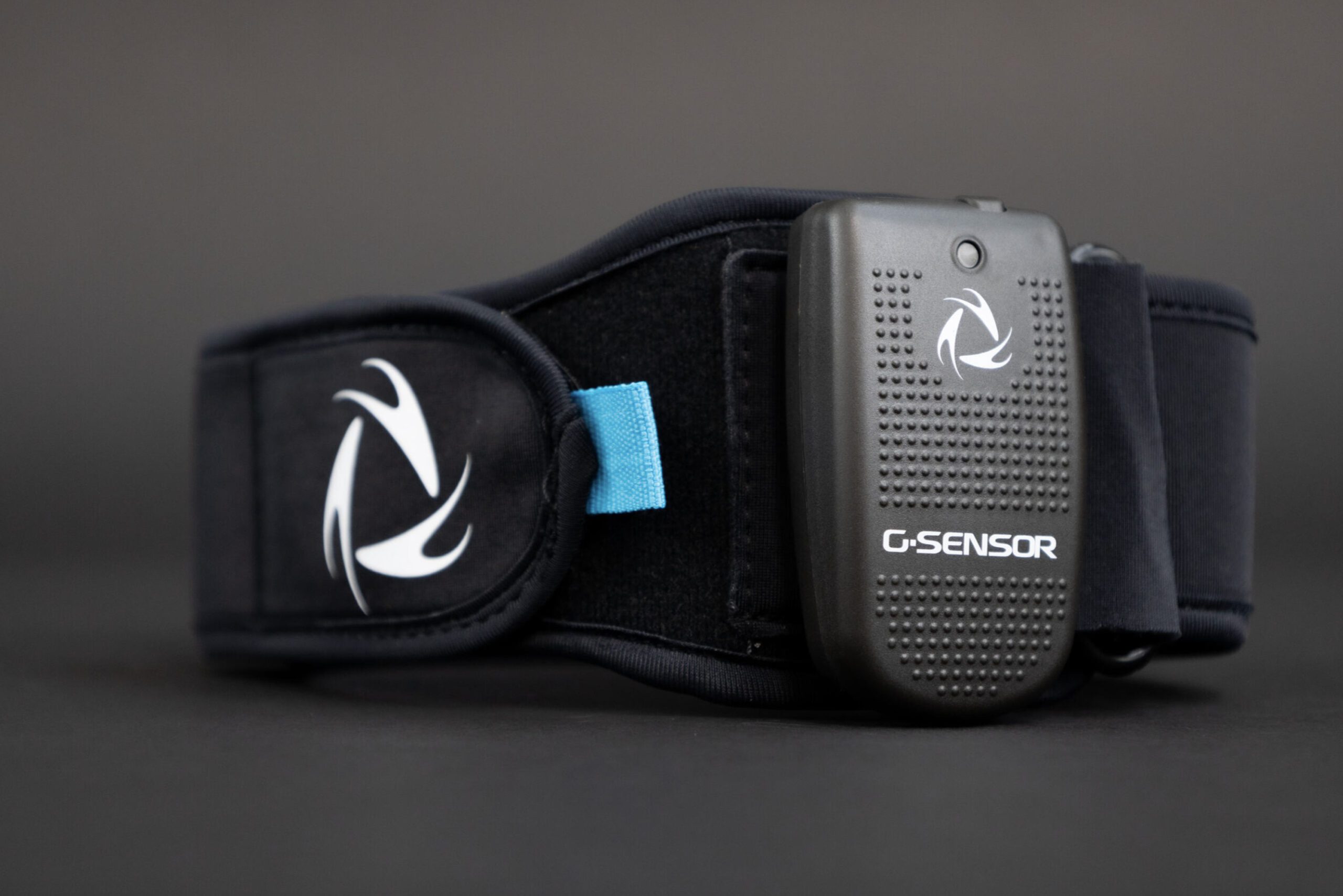
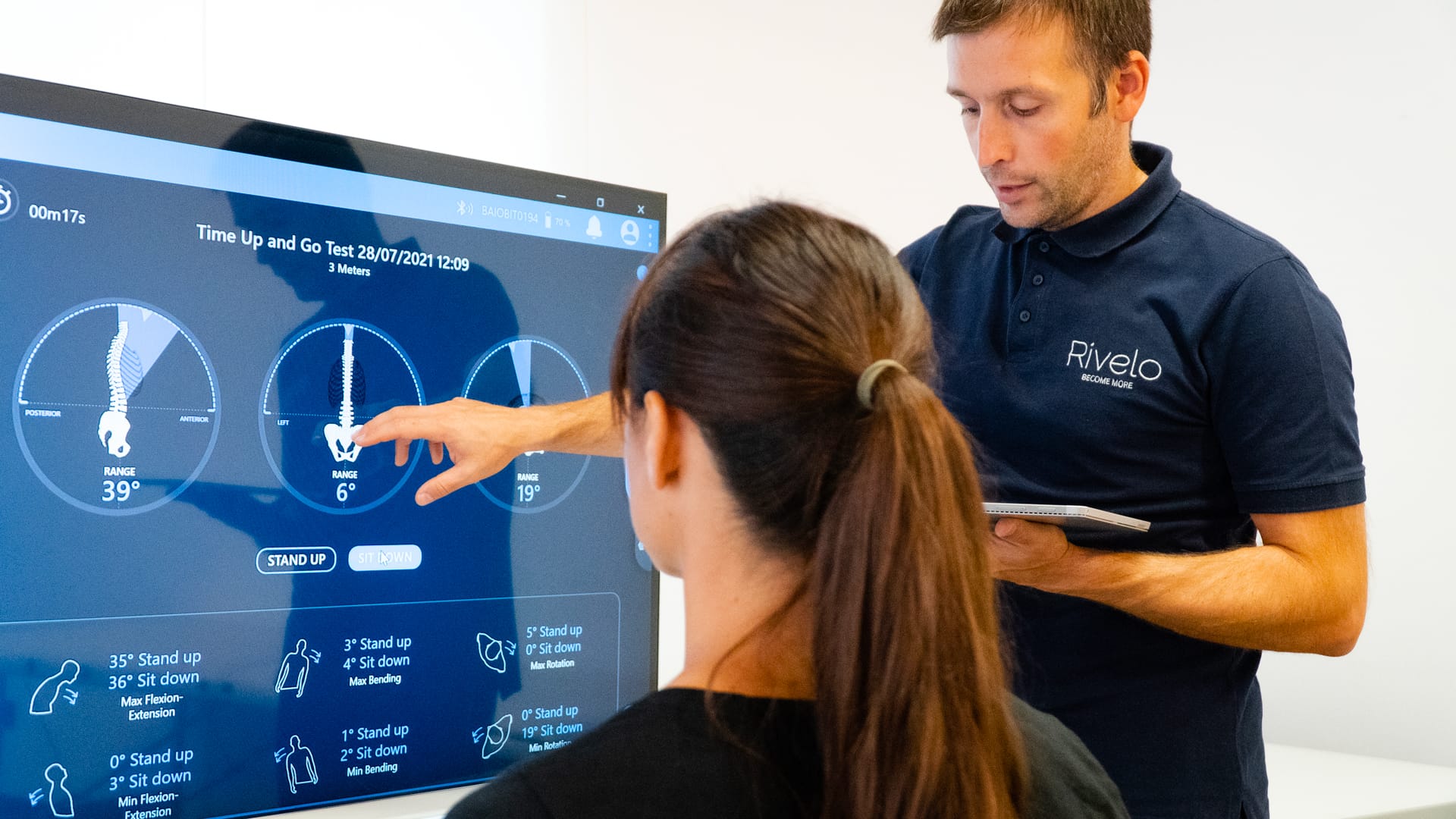
Through the use of inertial sensor systems, gait analysis enables rapid, repeatable, and clinically relevant walking assessments. Parameters such as spatio-temporal variables, symmetry, postural stability, and motor control strategies can be quantified, reducing subjectivity and improving the reliability of clinical decisions.

Standardized walking tests, clinical postural analysis, and functional movements allow for realistic evaluation in daily clinical settings. Integrating quantitative movement assessment into clinical workflows supports an evidence-based approach, from neurological and musculoskeletal evaluation to post-surgical follow-up and geriatric patient management.
Why it matters

Functional movement assessment is essential for identifying functional alterations that are not always evident through clinical observation alone. Quantitative evaluation supports a more accurate diagnosis, improves communication between professionals, and enables reliable monitoring of pathology progression or functional recovery over time. Inertial sensors allow for consistent data collection, longitudinal comparisons, and meaningful clinical interpretation of movement quality.

Does focal mechanical stimulation of the lower limb muscles improve postural control and sit to stand movement in elderly

Who it’s for

This application supports a wide range of professionals:

  • Physiotherapists and rehabilitation centers: evaluate functional recovery and post-surgical movement and monitor outcomes objectively
  • Medical doctors: support functional diagnosis and treatment planning through quantitative data
  • Neurology and orthopedics specialists: neurological and orthopedic screenings to analyze gait alterations, balance deficits and motor control disorders
  • Geriatric professionals: functional tests for geriatric patients to assess mobility, stability, and fall risk
  • Universities and research centers: study movement patterns and functional performance in clinical populations

Key Benefits

  • Provides objective and repeatable assessment of gait and posture
  • Identifies asymmetries and compensatory strategies not visible to the naked eye
  • Supports standardized clinical protocols and longitudinal monitoring
  • Easily integrates into daily clinical practice
  • Improves decision-making through reliable quantitative data

Scientific papers

22/05/2020
PeerJ

Agreement between the GAITRite® System and the Wearable Sensor BTS G-Walk® for measurement of gait parameters in healthy adults and Parkinson's disease patients

29/03/2022
International journal of environmental research and public health

Primitive Reflex Factors Influence Walking Gait in Young Children: An Observational Study

28/12/2023
BMJ Open

Quantifying Parkinson's disease severity using mobile wearable devices and machine learning: the ParkApp pilot study protocol

03/01/2026
Scientific Data

Six-minute walk test instrumented with a single inertial sensor: dataset from healthy adults of different ages

27/01/2023
Electronics

Age-Associated Changes on Gait Smoothness in the Third and the Fourth Age

Customer Success Story

Discover how your colleagues have made the most of our technologies.

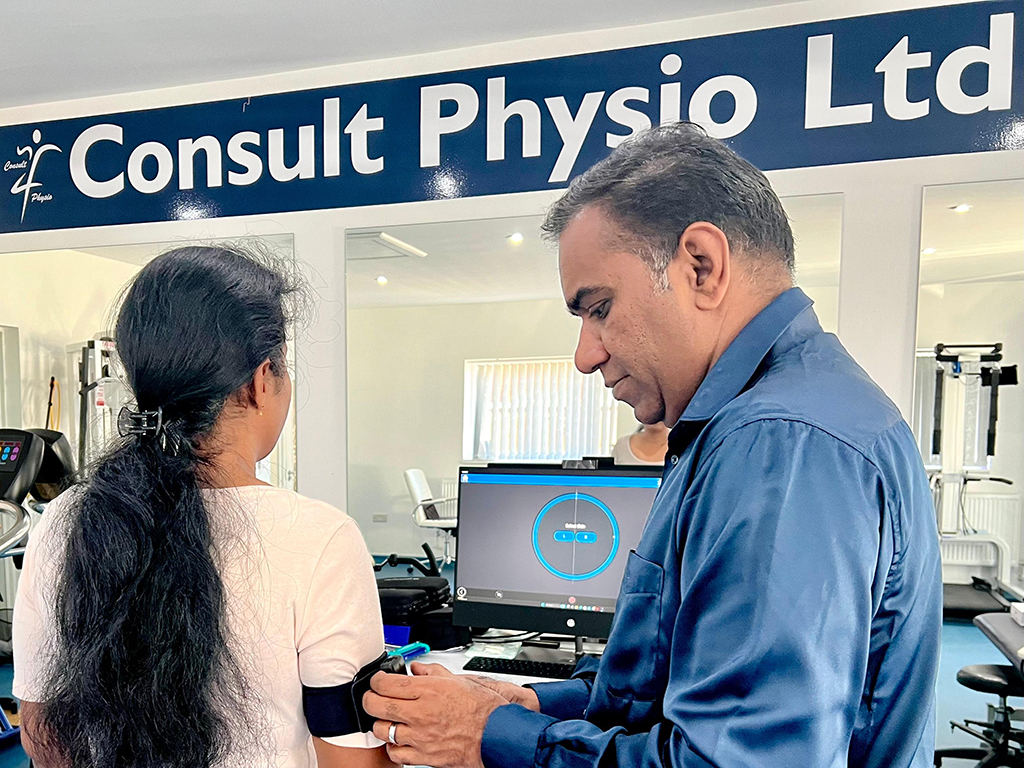
“I really enjoy using baiobit, it fits in with my model and works with what I do on a day-to-day basis. With any technology, the clinical need is the most important thing. Baiobit has a clear clinical need and I am a big fan of it!”

Ranjith Mahamani Lead Neuro Physiotherapist, Consult Physio: Neuro & Sports Physiotherapy Clinic

Discover how

Need more information?

Send us a request

Info request