Info request

Proprioceptive Assessment and Training

Discover

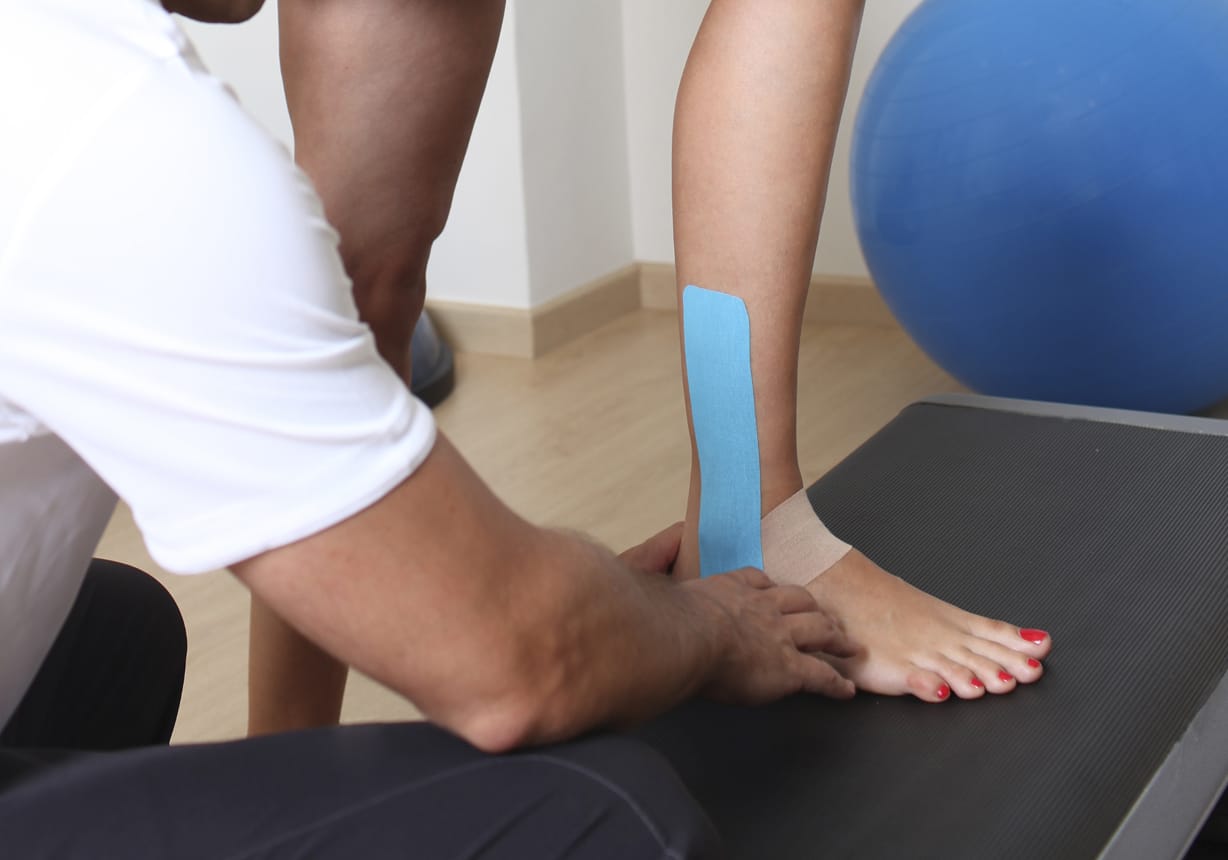
Proprioception is the body’s ability to perceive position and movement, and it plays a key role in balance, joint stability, and injury prevention. Proprioceptive training improves neuromuscular coordination, reduces injury risk, and accelerates recovery.

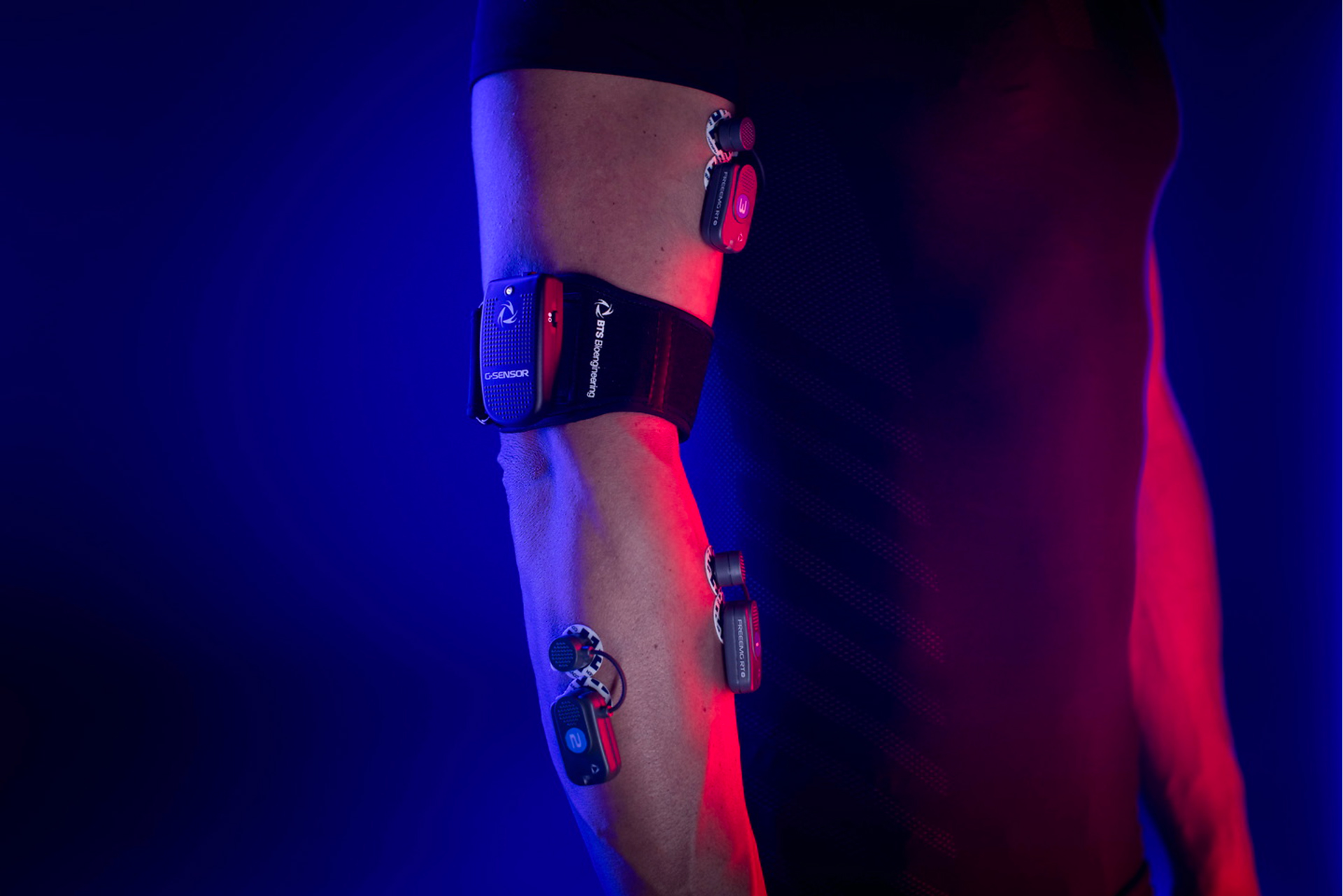
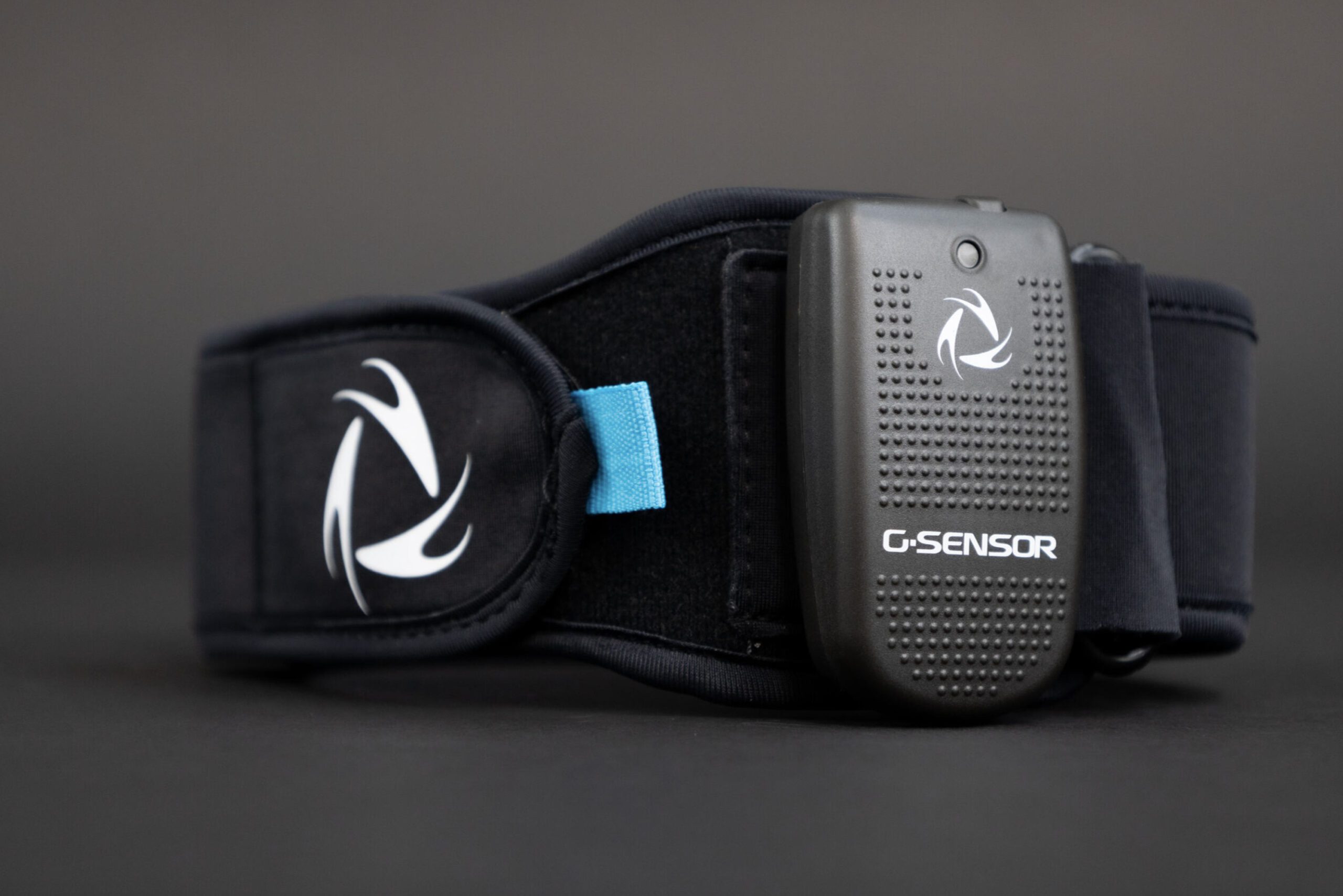
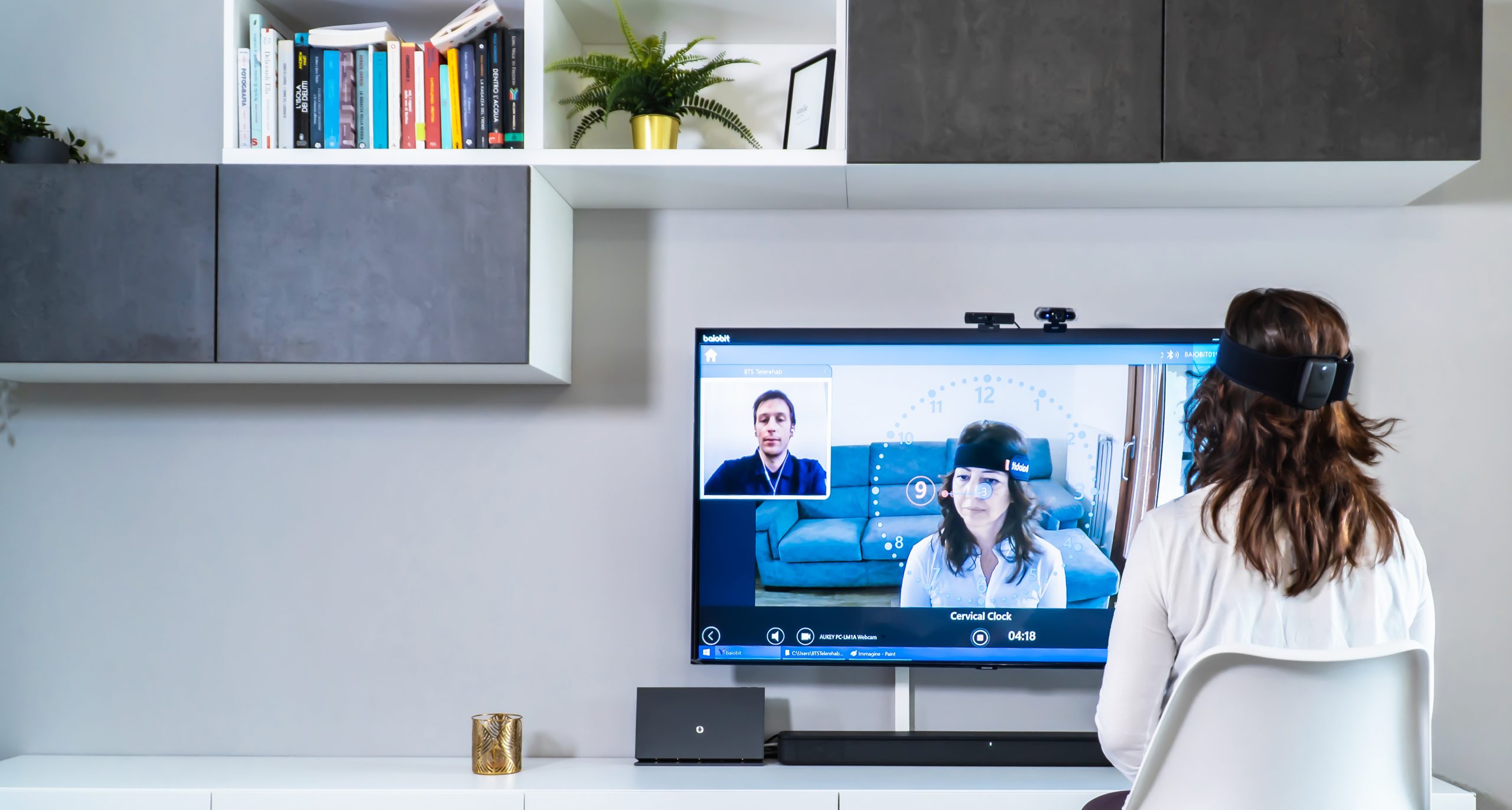
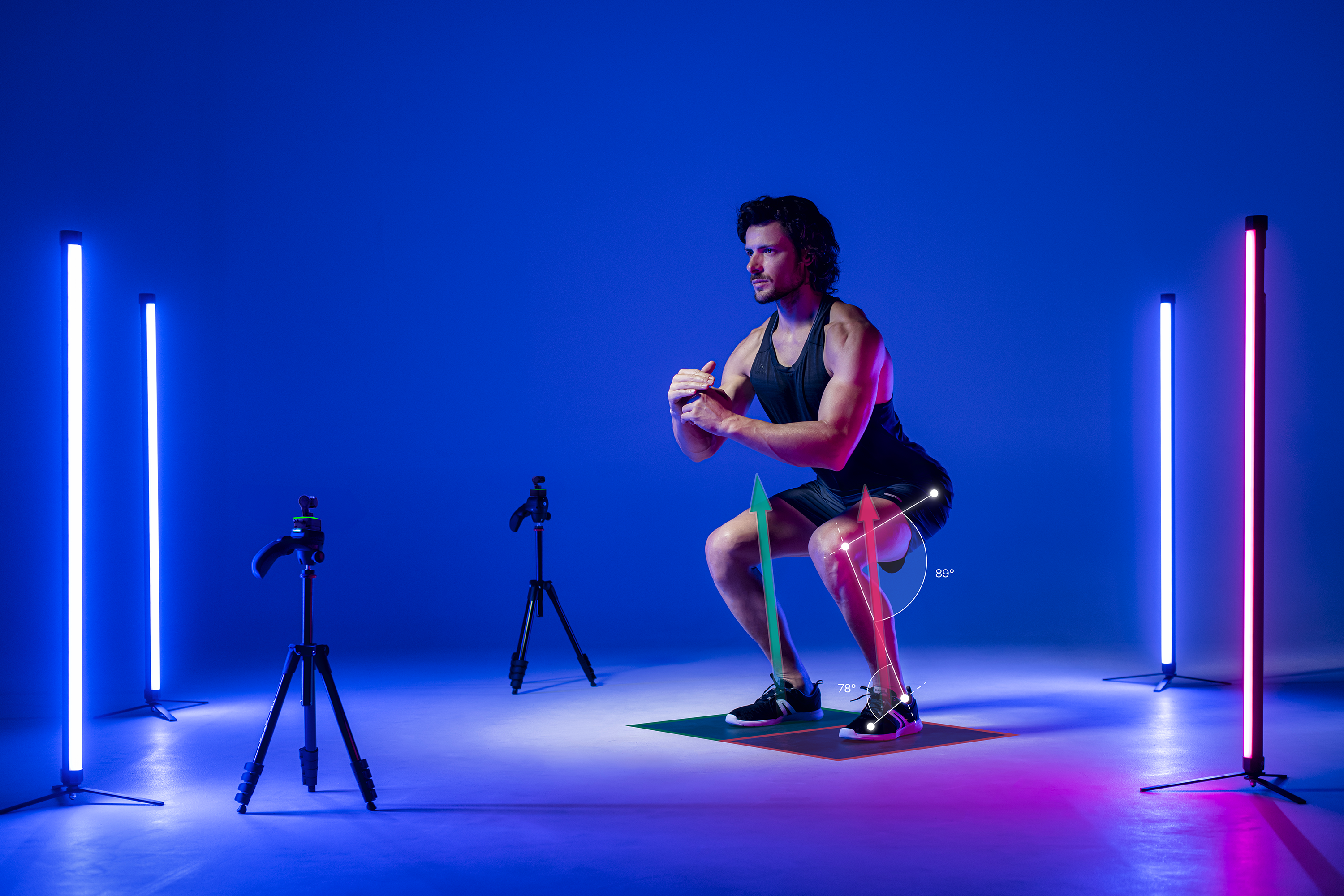
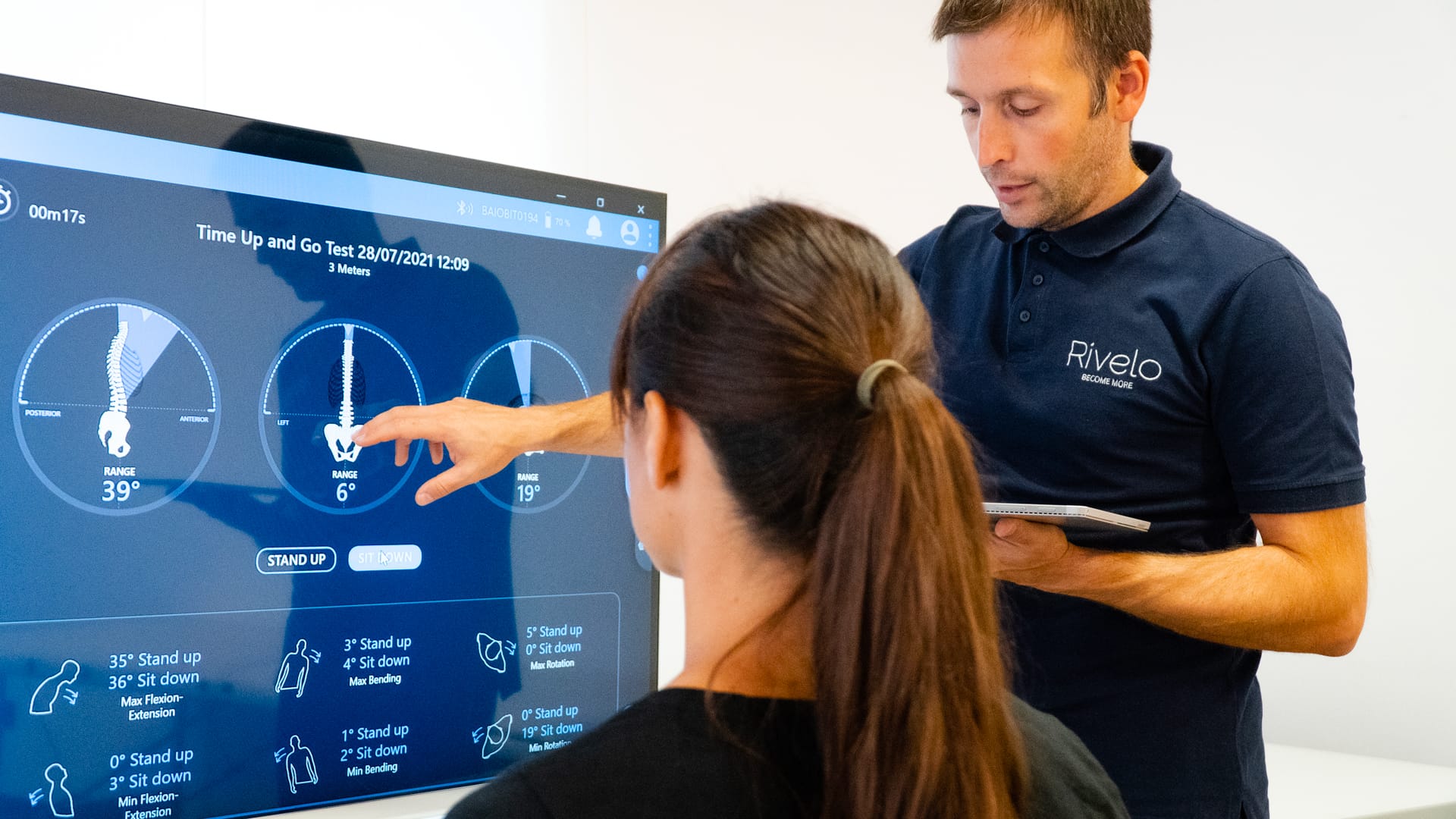
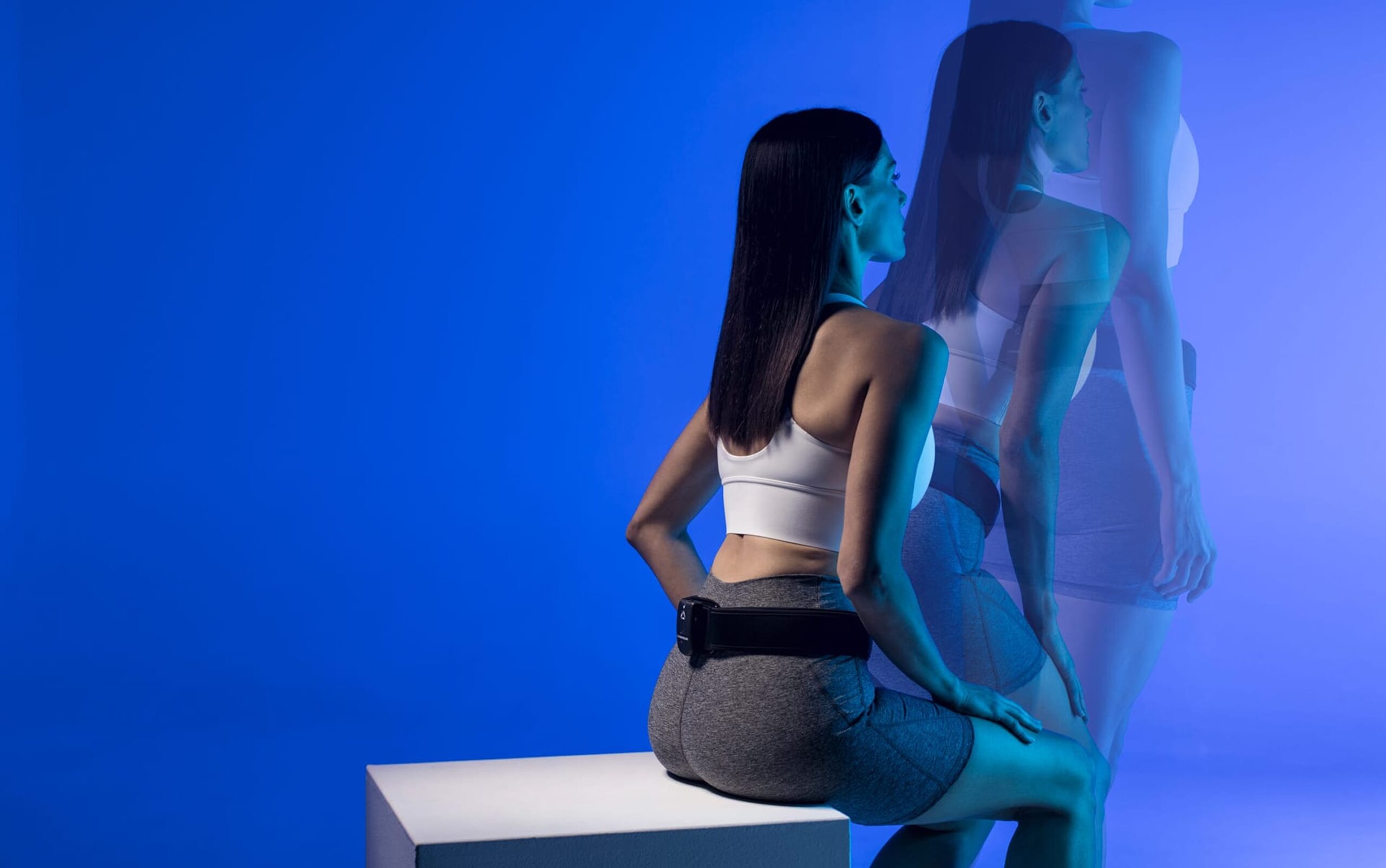
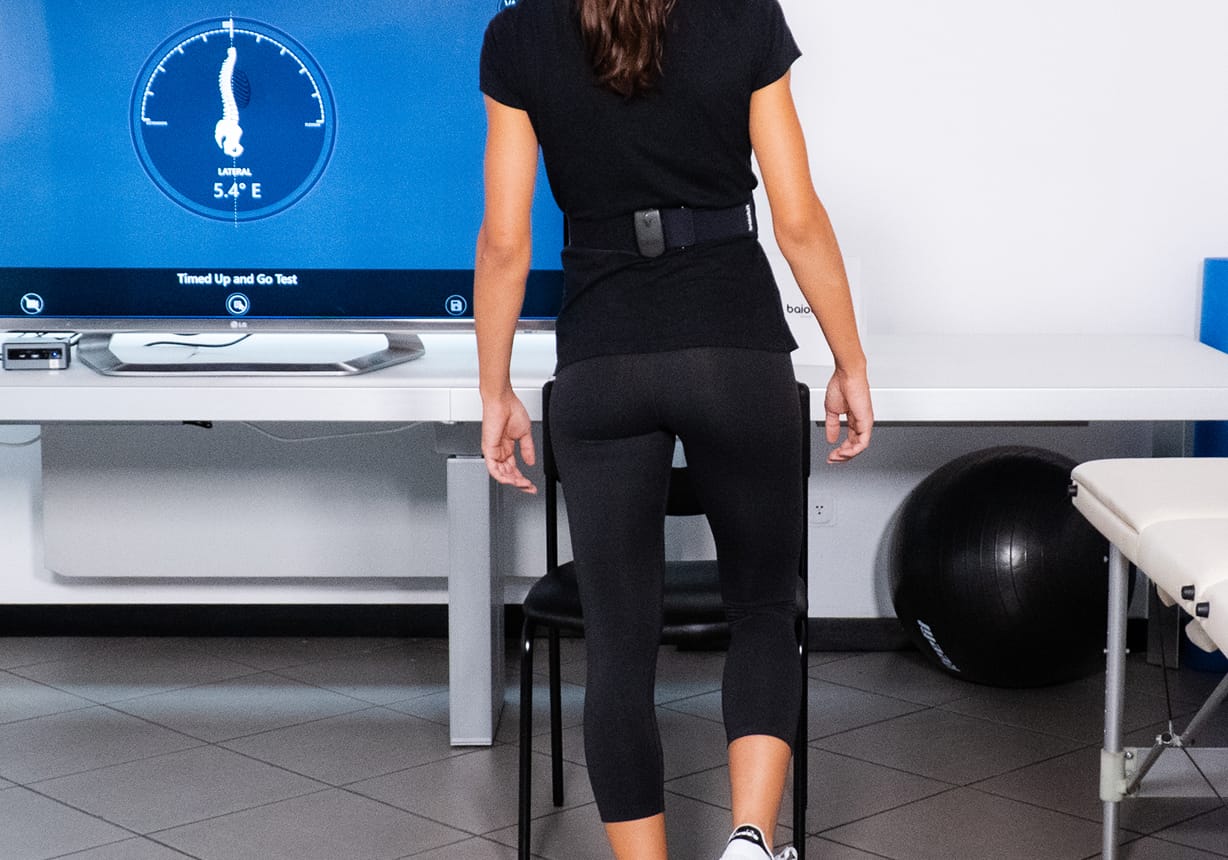
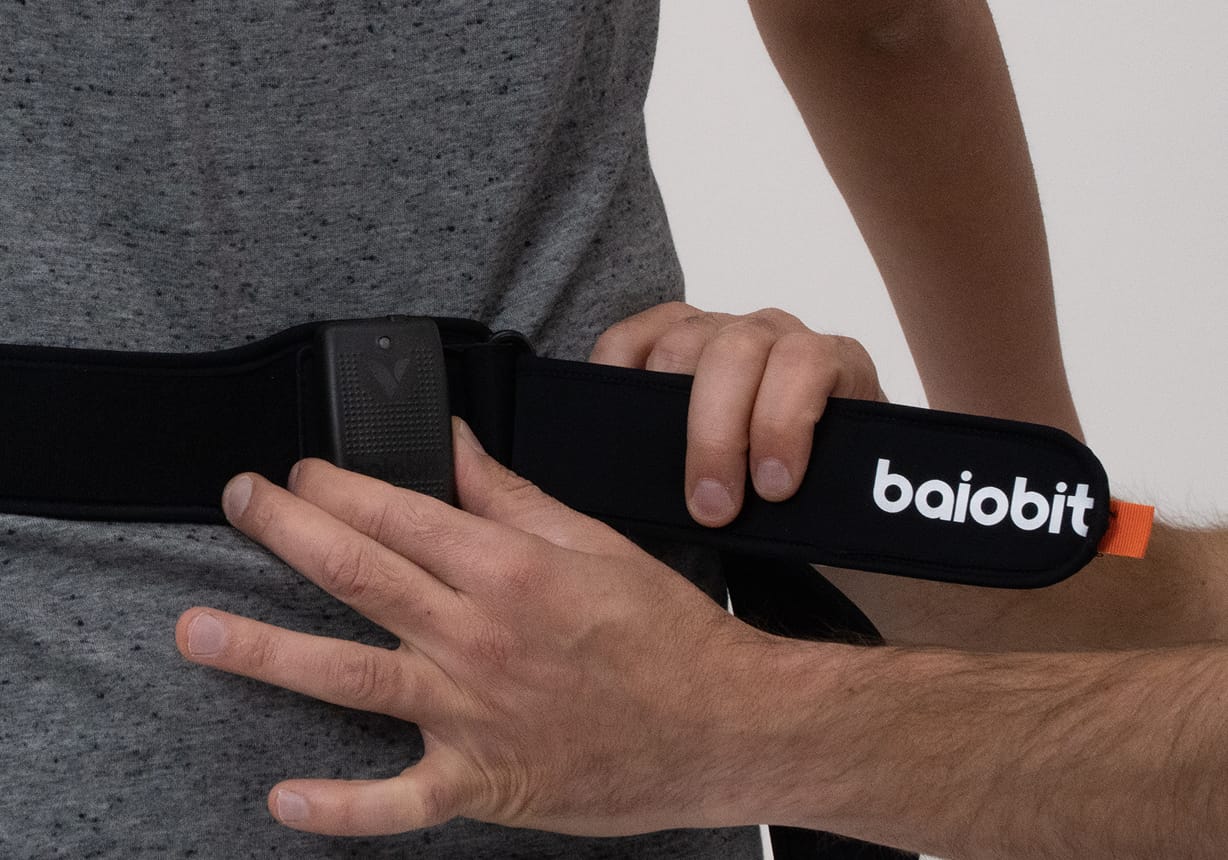
With Baiobit, a medical-certified inertial sensor, training becomes quantifiable and fully personalized. The system measures postural sway, accelerations, and motor control strategies, providing real-time feedback to correct movements and track progress objectively.

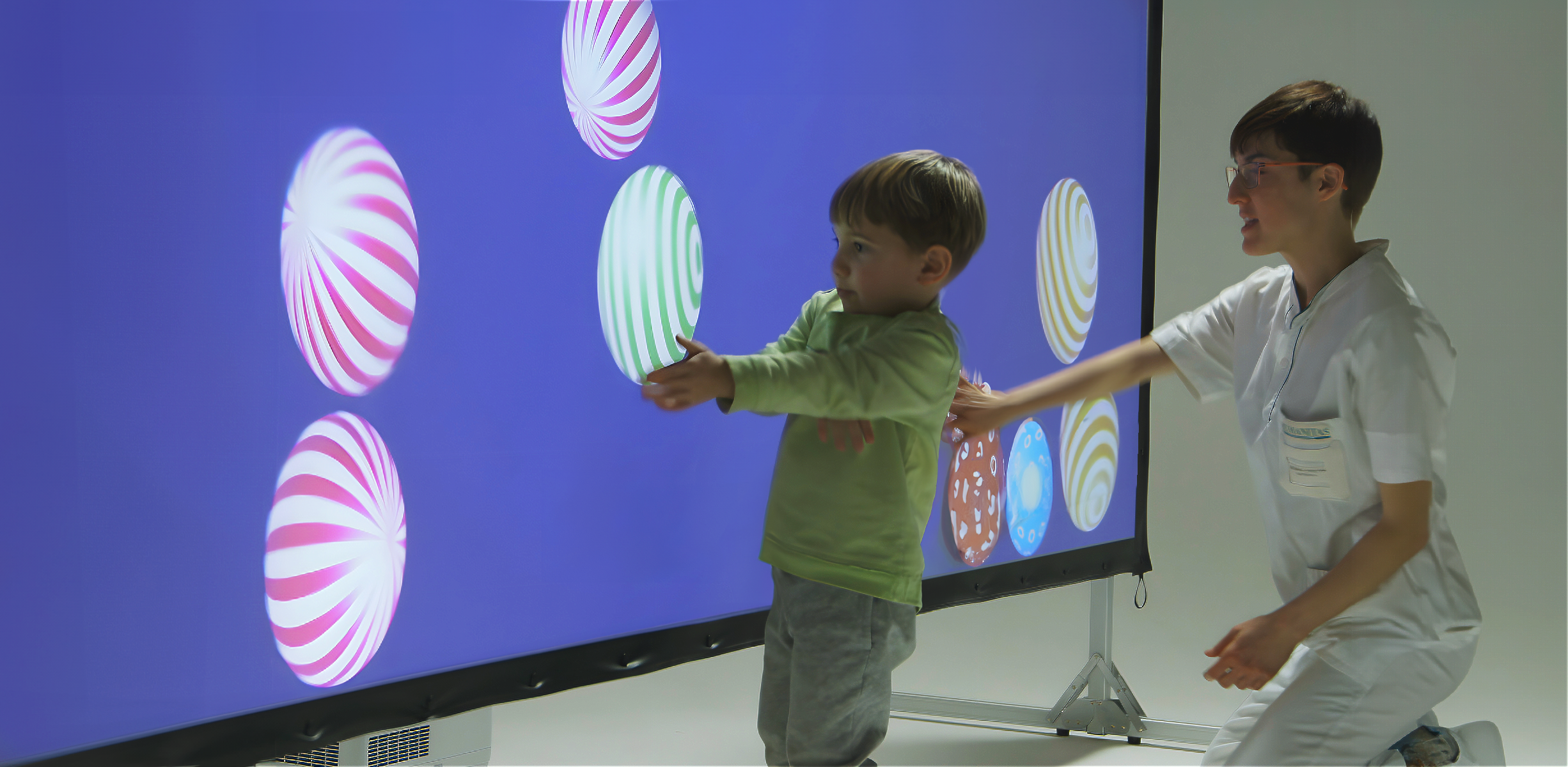
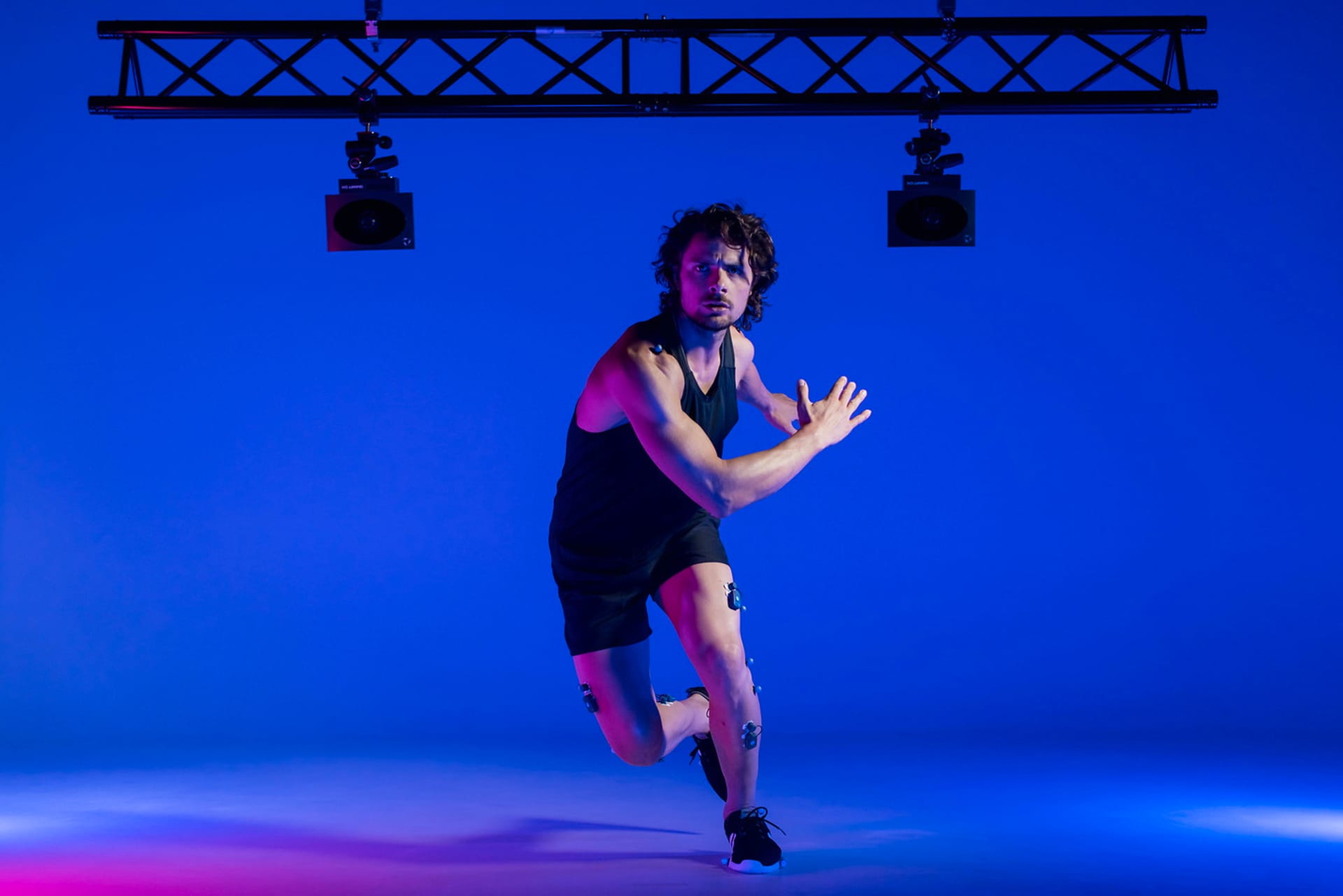
Exercises on unstable surfaces, single-leg tests, and controlled jumps – also combined with cognitive stimuli – allow realistic sport-specific simulations. Integrating Baiobit into prevention and rehabilitation programs ensures safe and effective pathways, from orthopedic rehabilitation to sports performance optimization.
Why it matters

Proprioception is essential for motor control, balance, and joint stability. Training these abilities reduces the risk of injuries and re-injuries, enhances neuromuscular coordination, and helps optimize athletic movements.
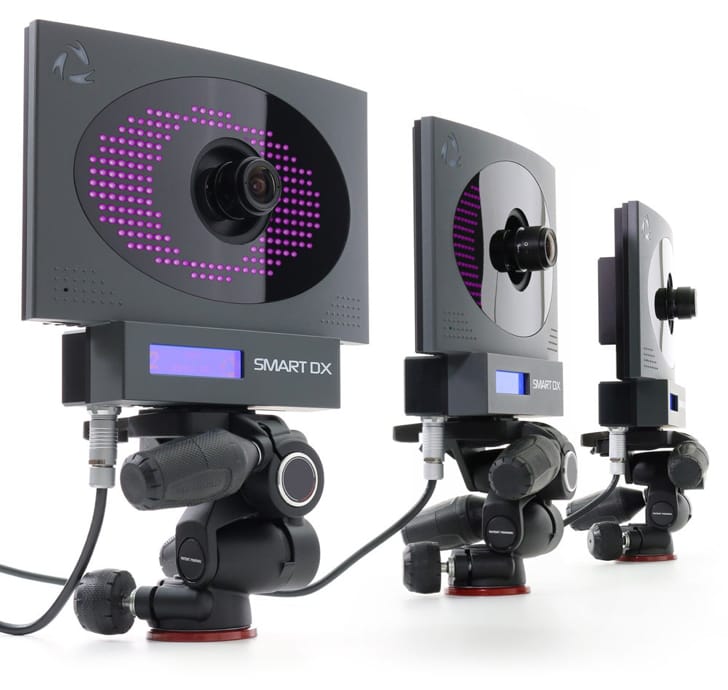
Inertial sensors and biofeedback enable objective assessment, immediate corrections, and precise monitoring of muscle activation.

Who it’s for

This approach supports a wide range of professionals:

  • Physiotherapists and rehabilitation clinics: to monitor functional recovery with objective data.
    Sports physicians and strength & conditioning coaches: to prevent injuries and personalize training programs.
  • Coaches and performance centers: to optimize balance and technical execution in high-intensity sports.
  • Researchers and universities: to study neuromuscular control and motor coordination

Key Benefits

  • Detects hidden deficits in posture and stability
  • Enables personalized training based on individual capabilities
  • Increases motivation and adherence through real-time biofeedback
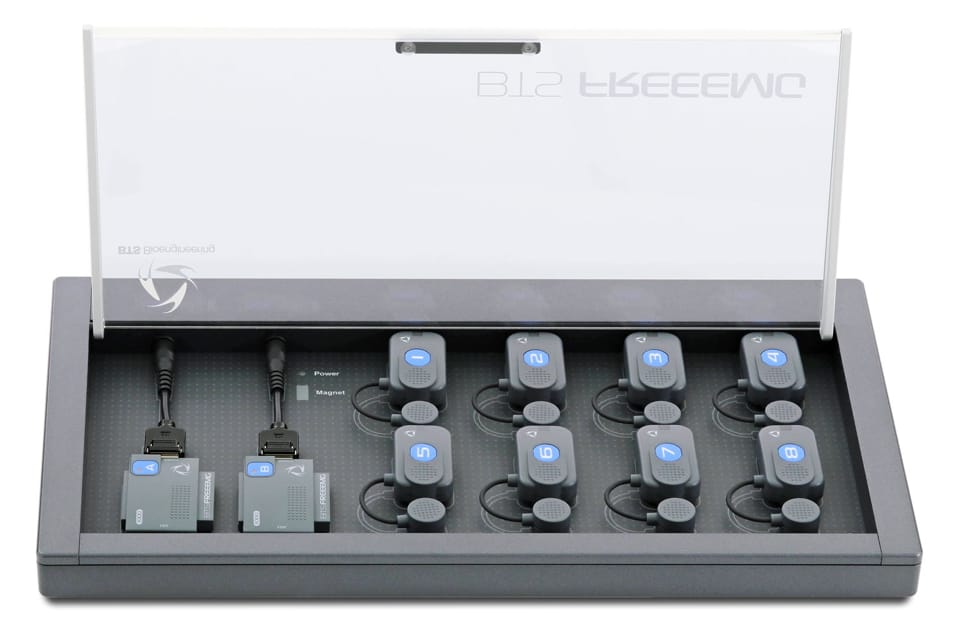
  • Integrates muscle and joint analysis with EMG sensors
  • Reduces injury risk by monitoring balance and coordination

Scientific papers

06/12/2025
National Institutes of Health (NIH)

Balance, Gait Kinematics, and Fear of Falling After a Four-Month Targeted Training Program in a Patient with Cervical Dystonia: A Case Report

30/07/2025
Multidisciplinary Digital Publishing Institute (MDPI)

Four-Week Exoskeleton Gait Training on Balance and Mobility in Minimally Impaired Individuals with Multiple Sclerosis: A Pilot Study

19/03/2025
Multidisciplinary Digital Publishing Institute (MDPI)

Neuromuscular Control Deficits After Anterior Cruciate Ligament Reconstruction: A Pilot Study Using Single-Leg Functional Tests and Electromyography

09/05/2025
National Institutes of Health (NIH)

Gastrocnemius activation deficits and running biomechanics after anterior cruciate ligament reconstruction: the missing link?

30/07/2025
Institute of Electrical and Electronics Engineers (IEEE)

A protocol for balance and mobility training via sensorized movement analysis

Customer Success Story

Discover how your colleagues have made the most of our technologies.

“Thanks to the accuracy of BTS tools, we have transformed the way we evaluate our athletes. Today we design training plans based on real data and see remarkable improvements in efficiency and recovery.”

Lic. Gabriel Willig Kinesiologist and Director of Biomech Time

Already trusted us

Discover how

Need more information?

Send us a request

Info request