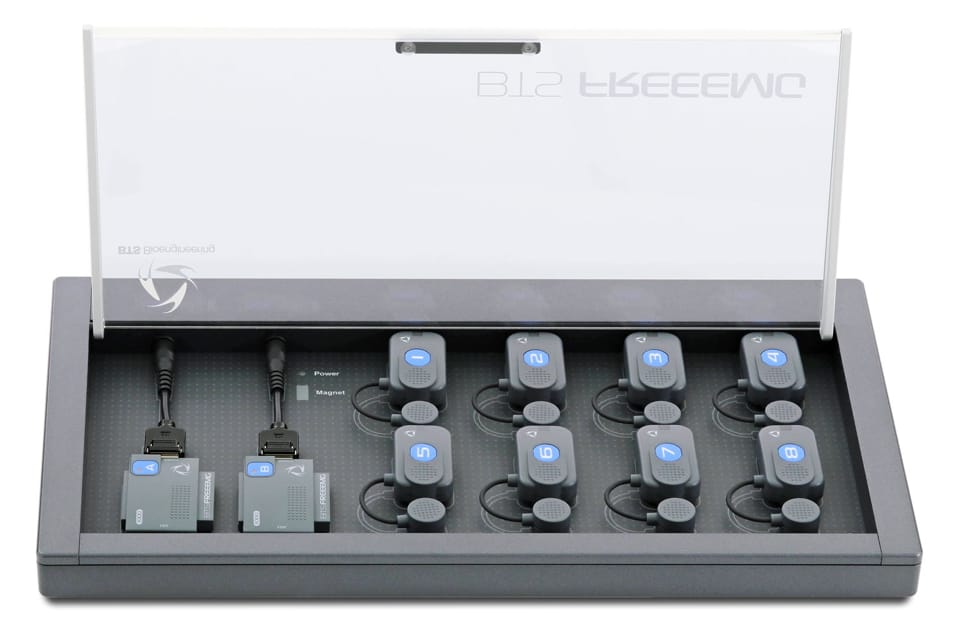
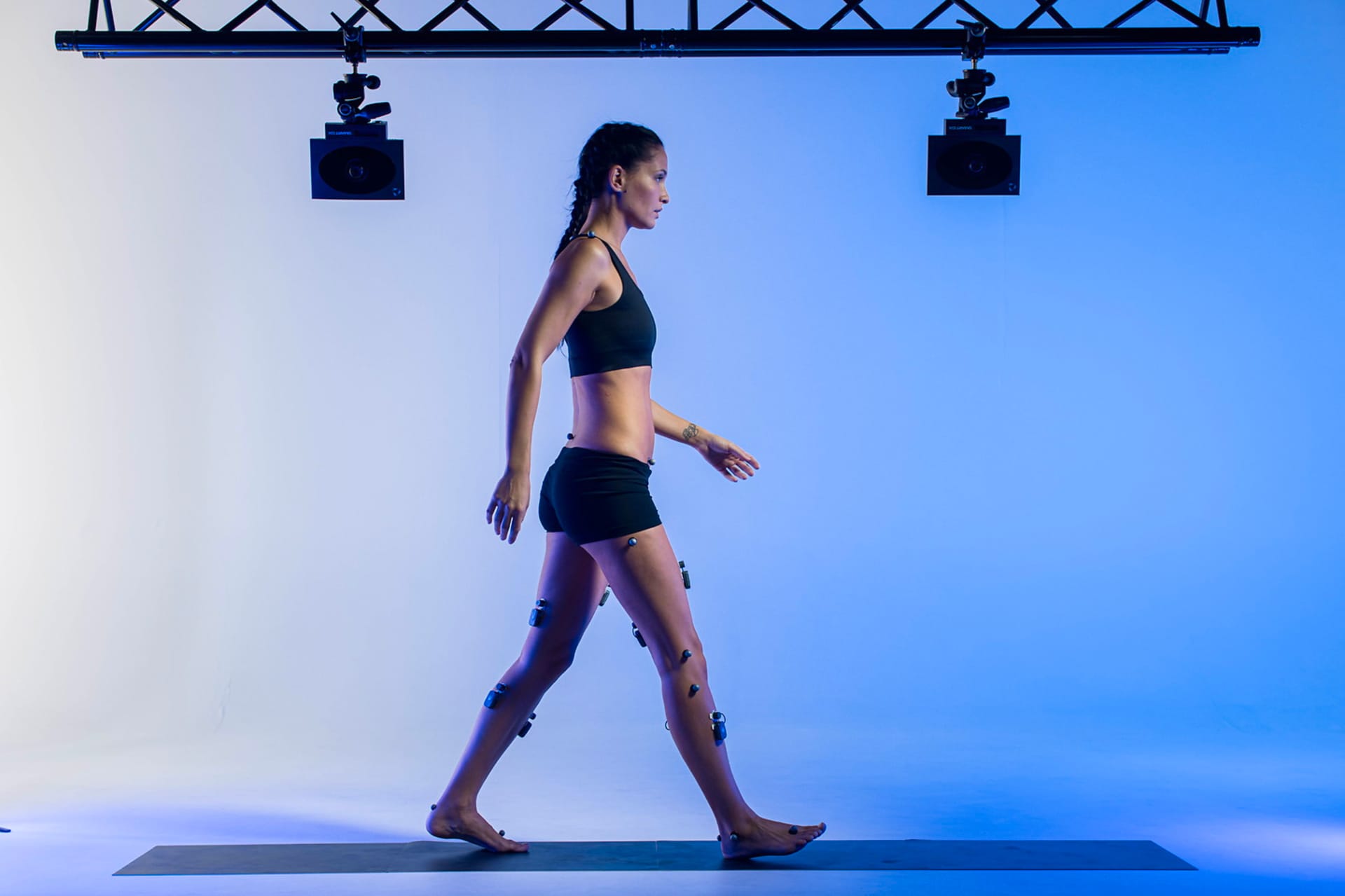
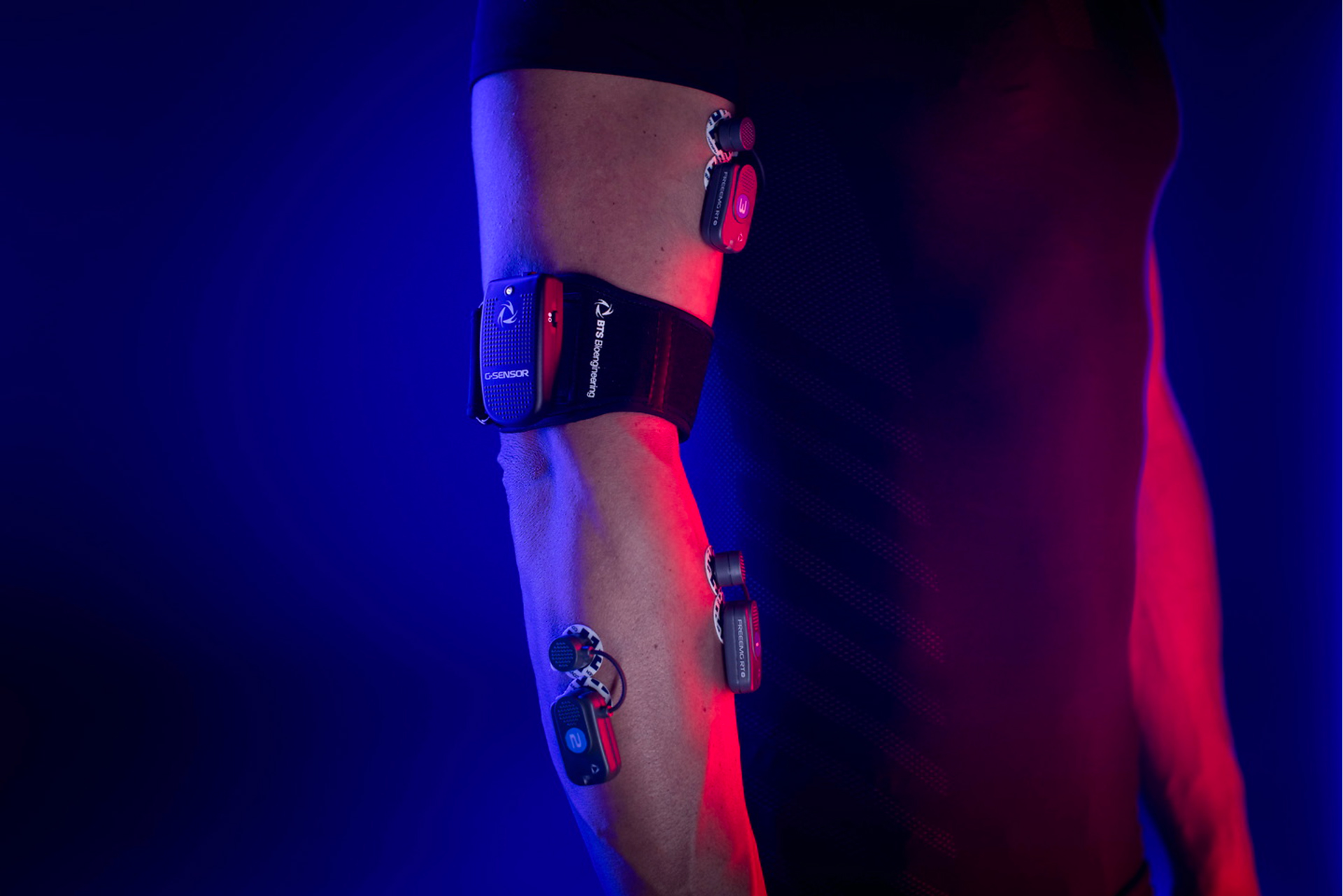
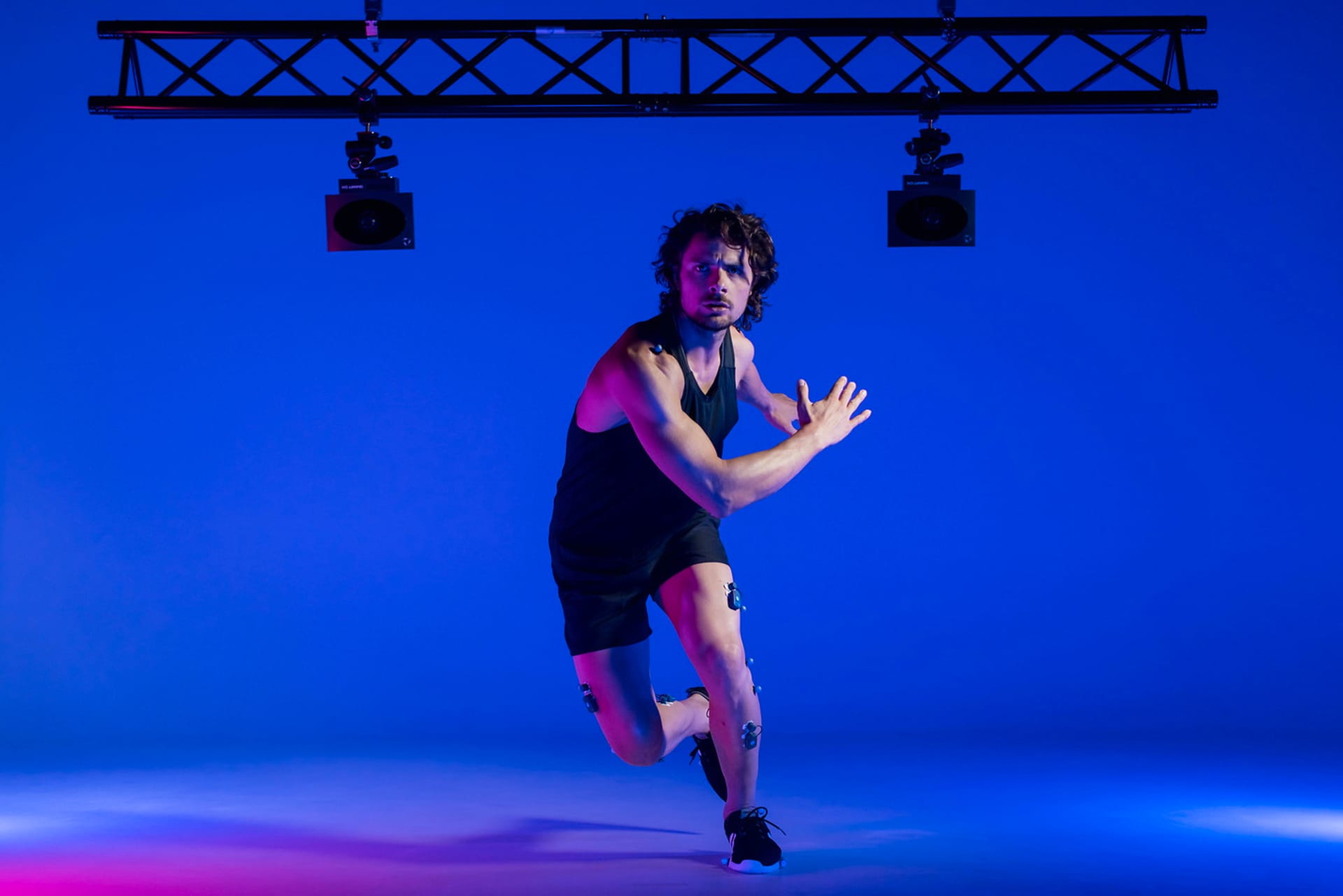
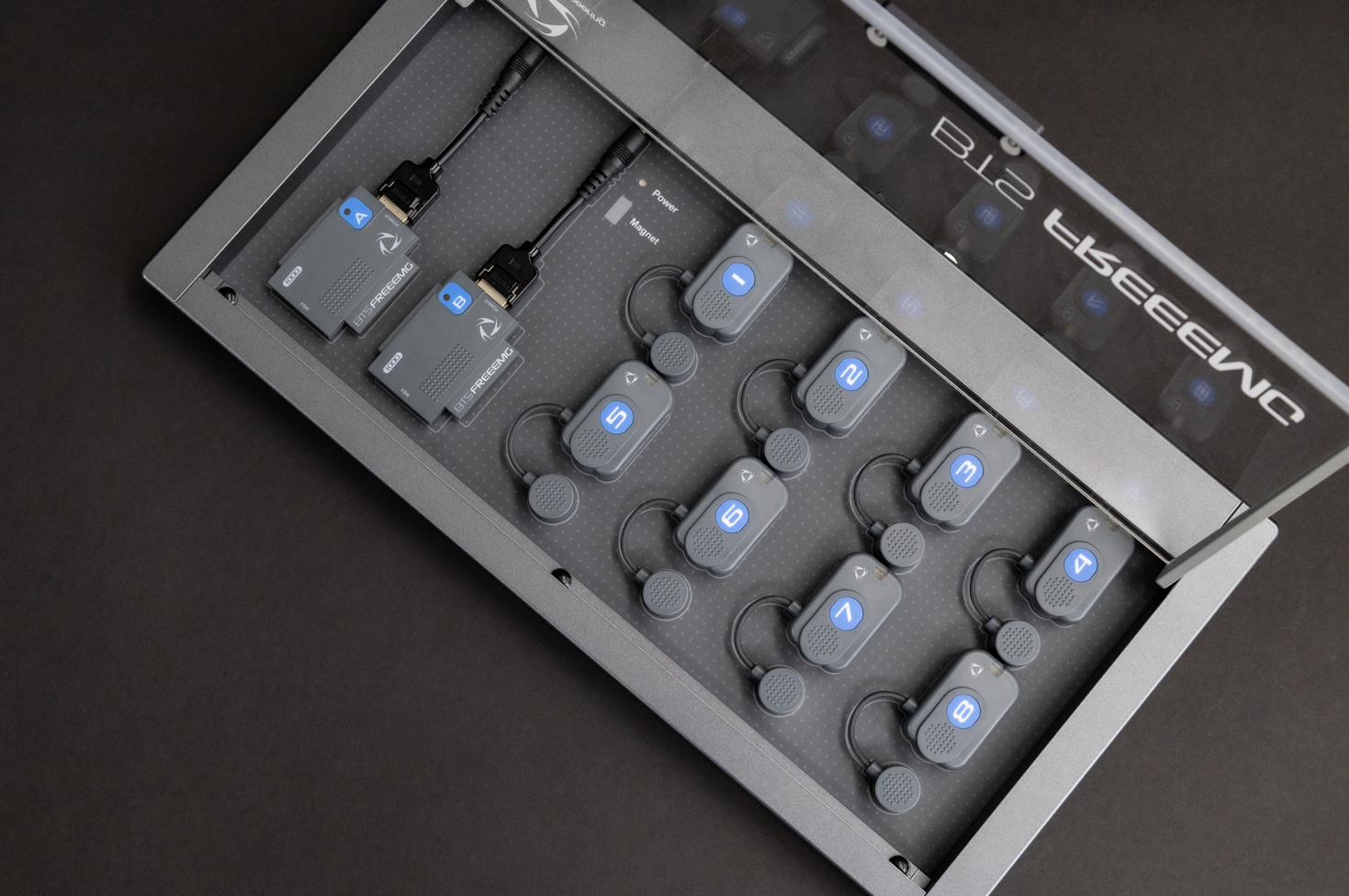
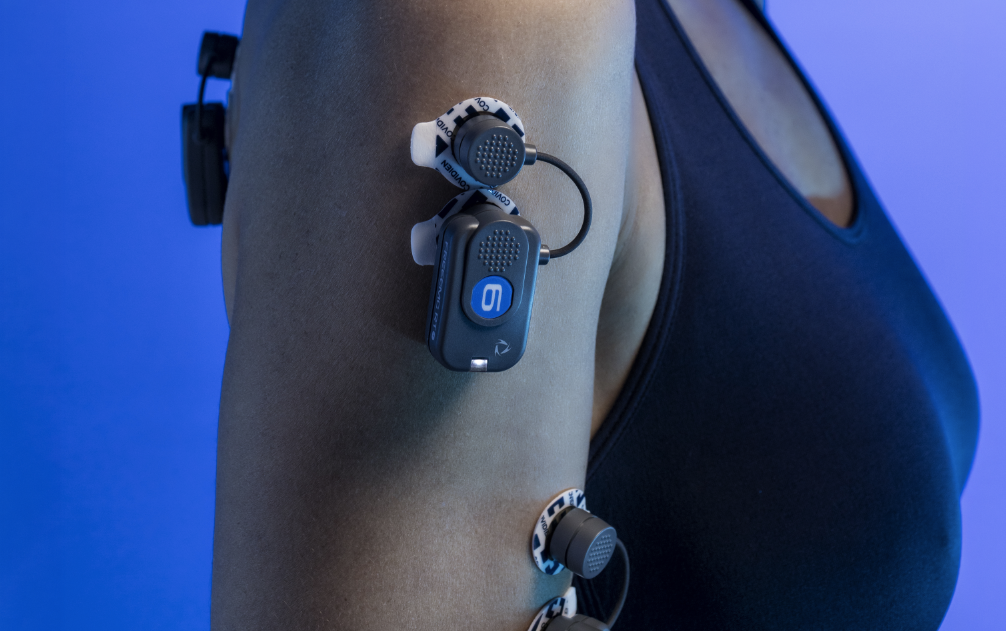
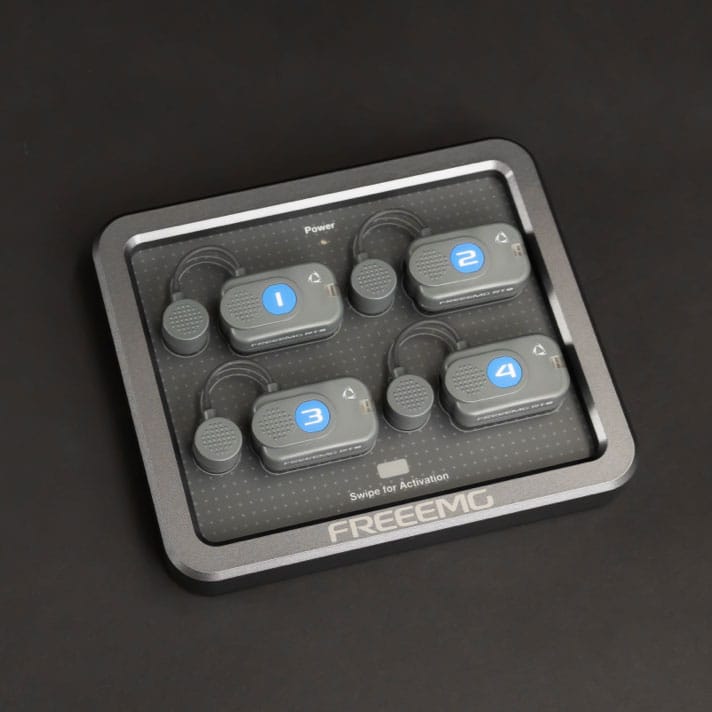
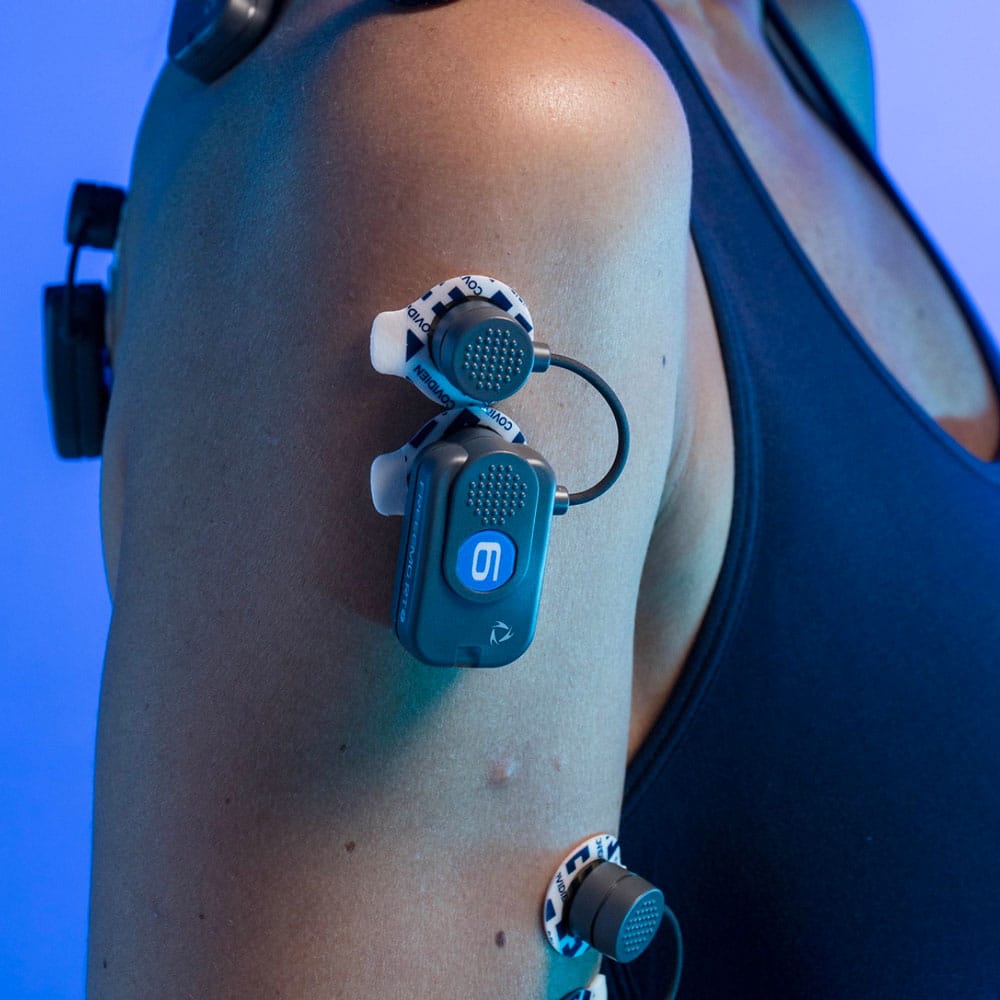
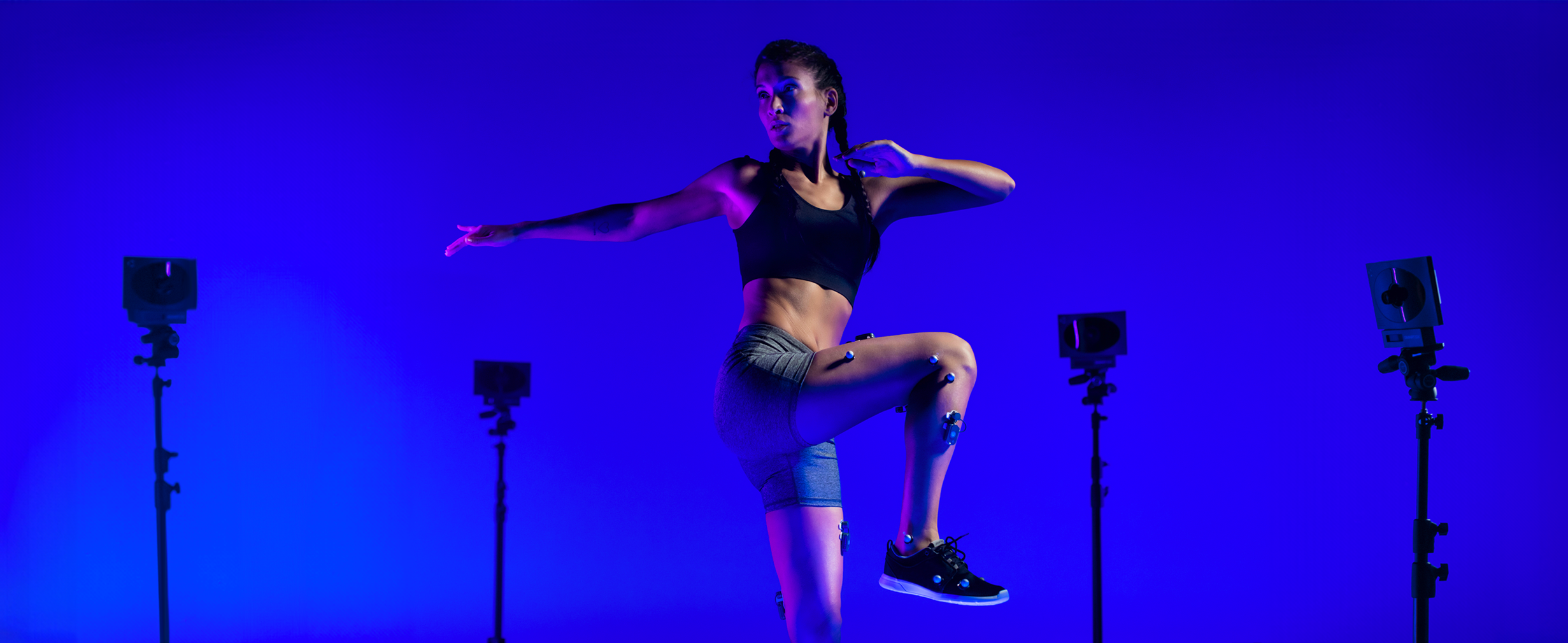
Up to 20 wireless probes, each weighing only 13 grams. Signal accuracy, the absence of wires and the reduced size of the probes allow the assessment of any movement, on any body part, without ever altering the natural gesture.
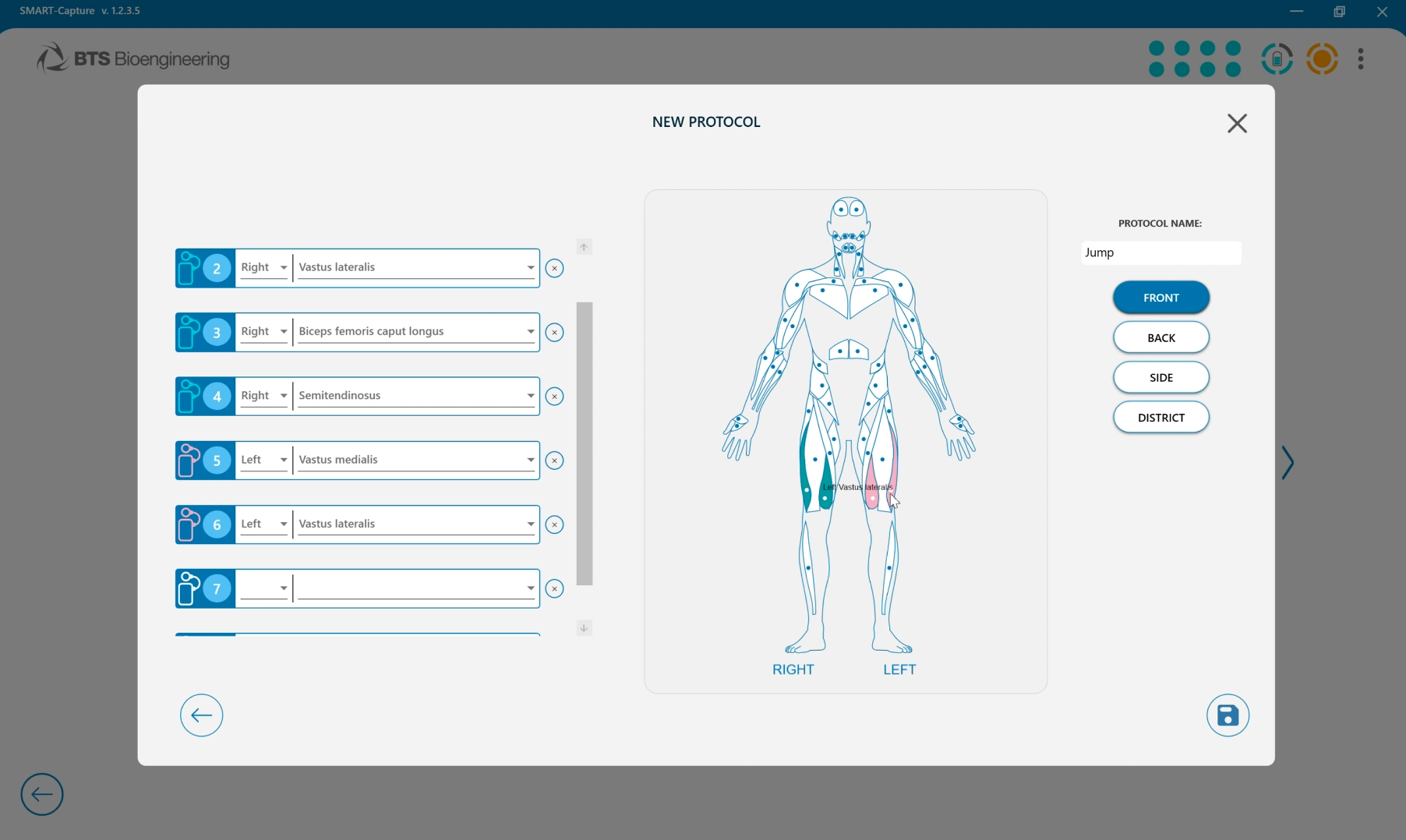
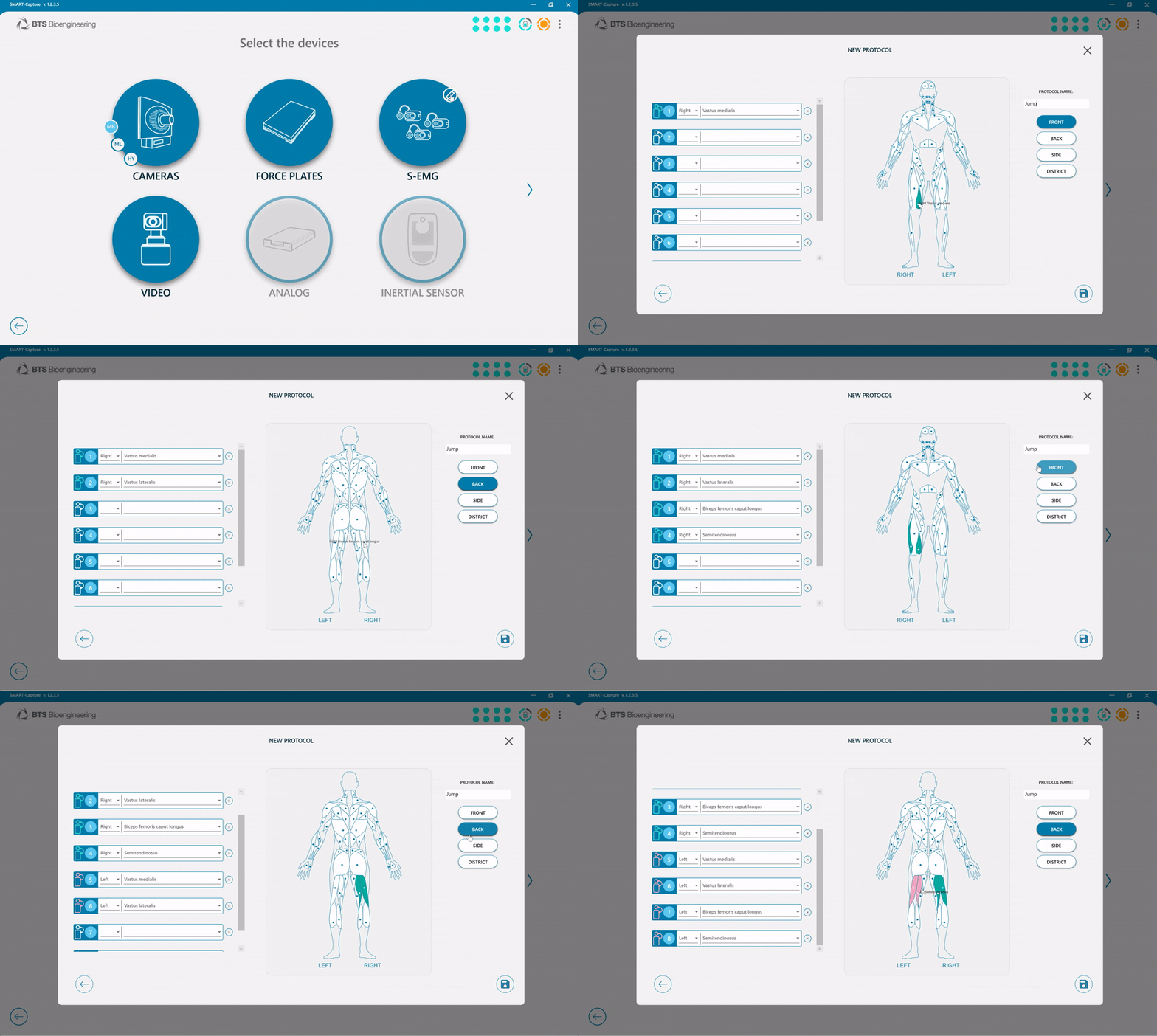
BTS EMG-Analyzer provides predefined protocols for clinical, sport and research assessment, plus a graphic interface to build custom protocols and reports.
Used worldwide in research, sports, occupational medicine, gnathology, neurology and orthopaedics — from monitoring to diagnostics and injury prevention.
Thanks to our wireless miniaturized probes, even the weakest signals will be detected and accurately captured. Each probe is equipped with internal memory to ensure uninterrupted recording in case of temporary connection loss and to allow for acquisitions in wide spaces and open fields.
Practical and effective
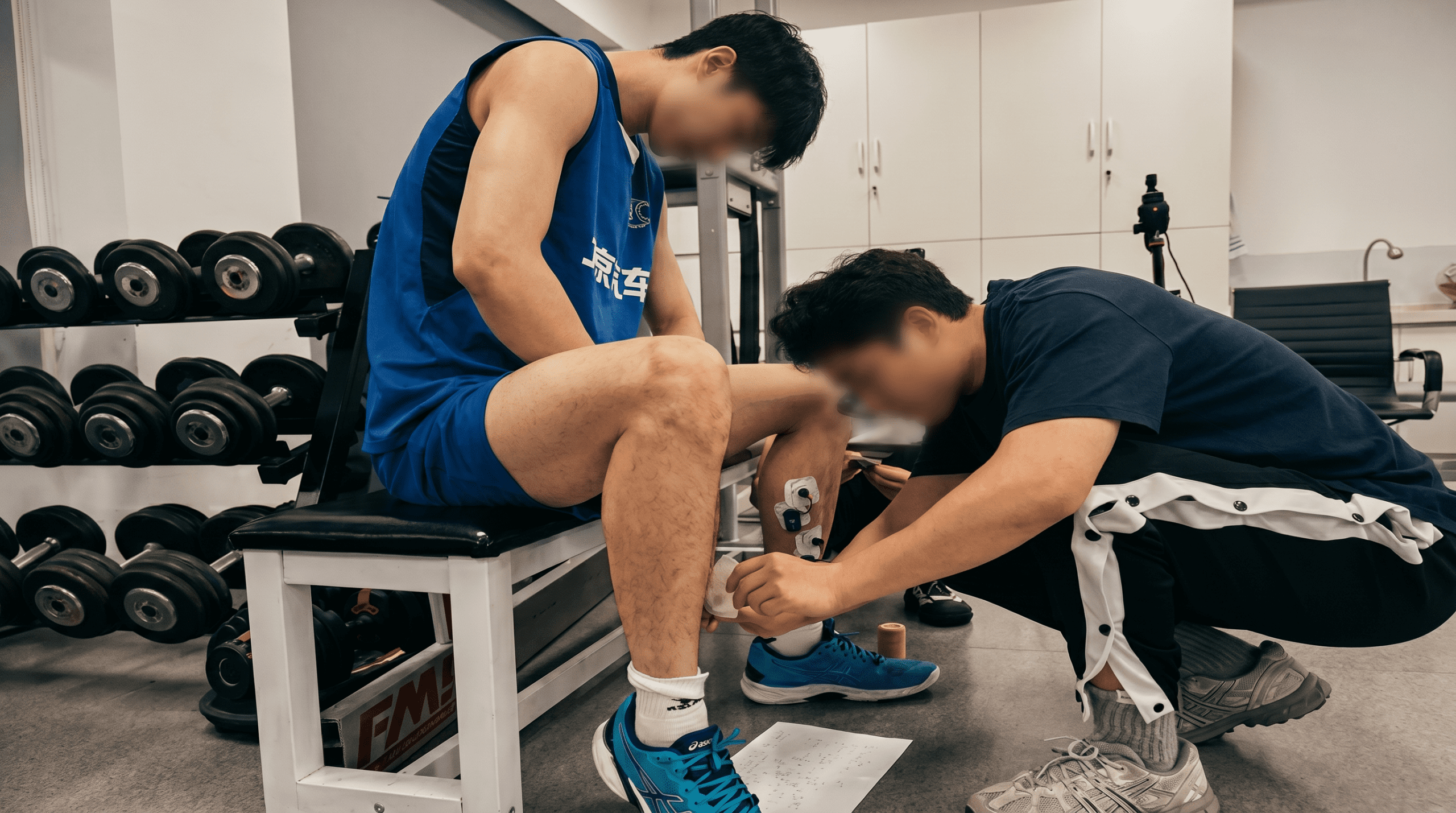
Preparing the subject for testing has never been so quick: the probes are directly attached to the pre-gelled electrodes, with no need for additional fastening. The complete absence of wires reduces not only patient distress during preparation but also grants them full range of motion during tests, without any restriction.
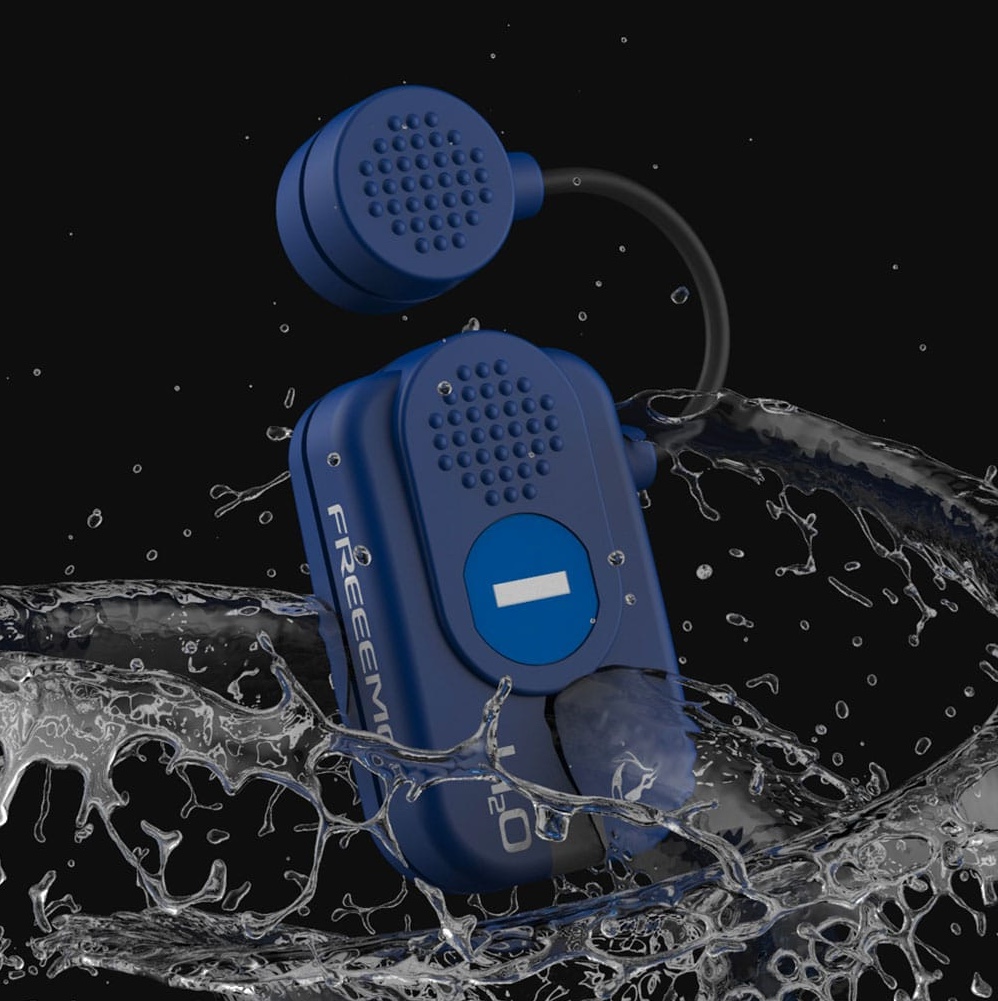
H2O version available
FREEEMG H2O is specially designed for in-water measurement. Thanks to a special protective gel, the probes are completely waterproof and can be immersed in water (IP58 classification certified by an accredit laboratory). The muscle activity evaluation in water can be carried out for both rehabilitative purposes and in sports contexts.
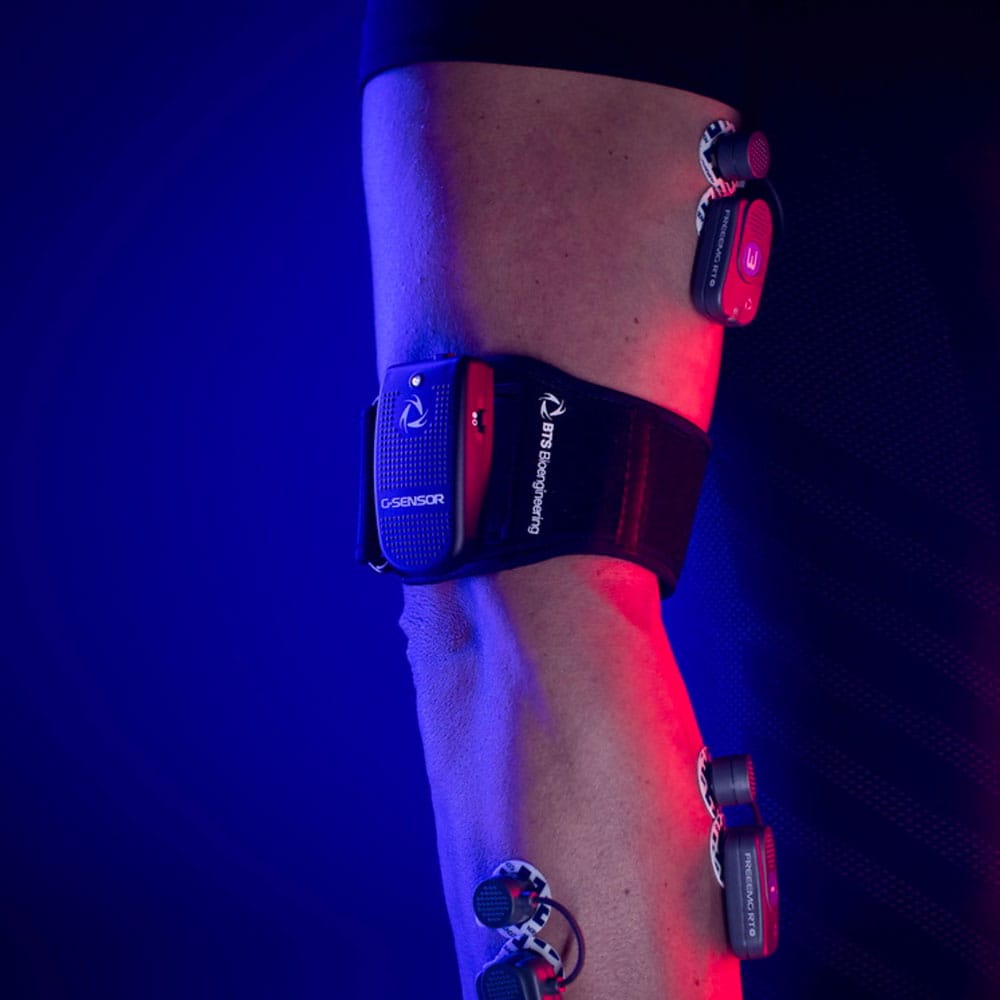
Integration with the BTS inertial sensor
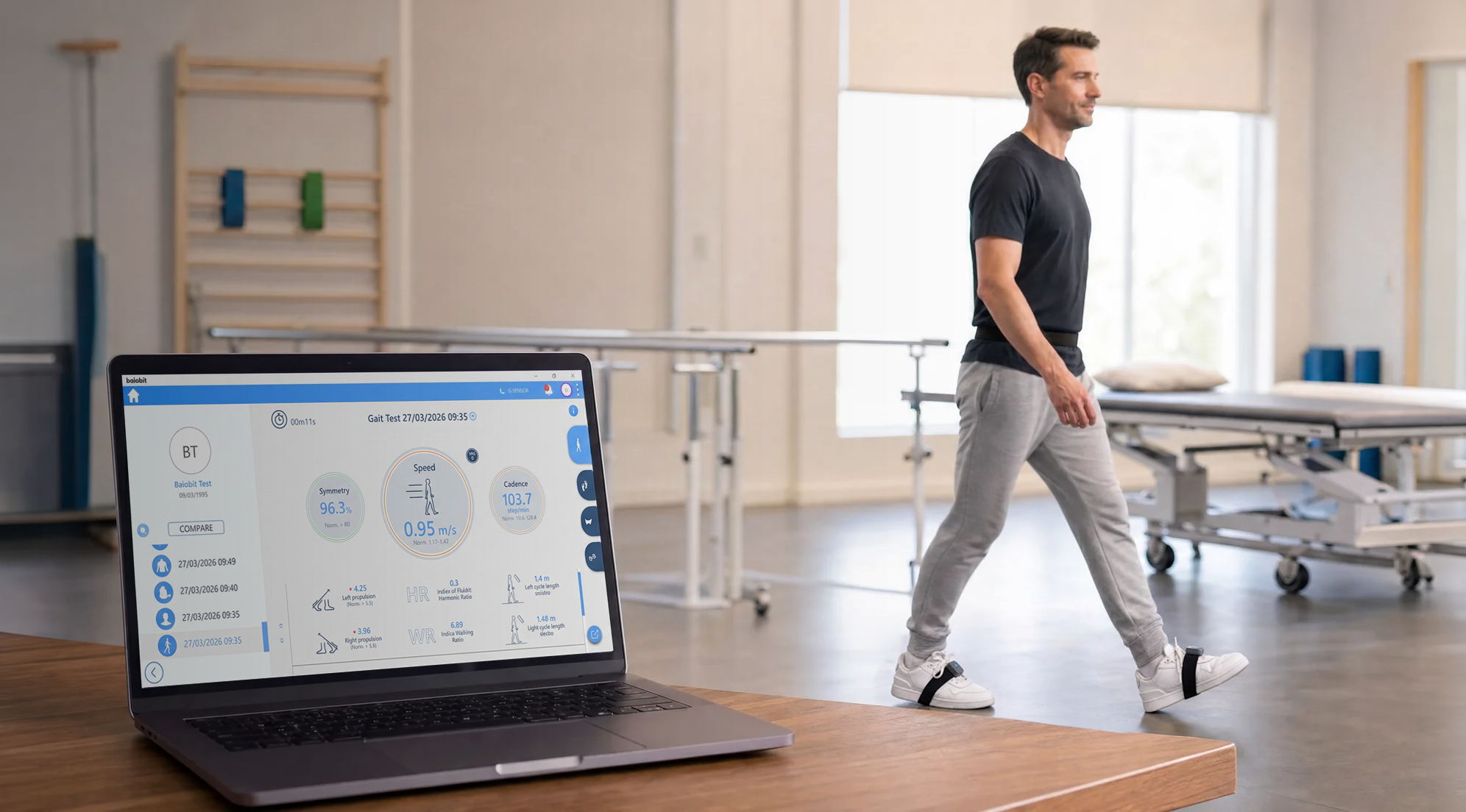
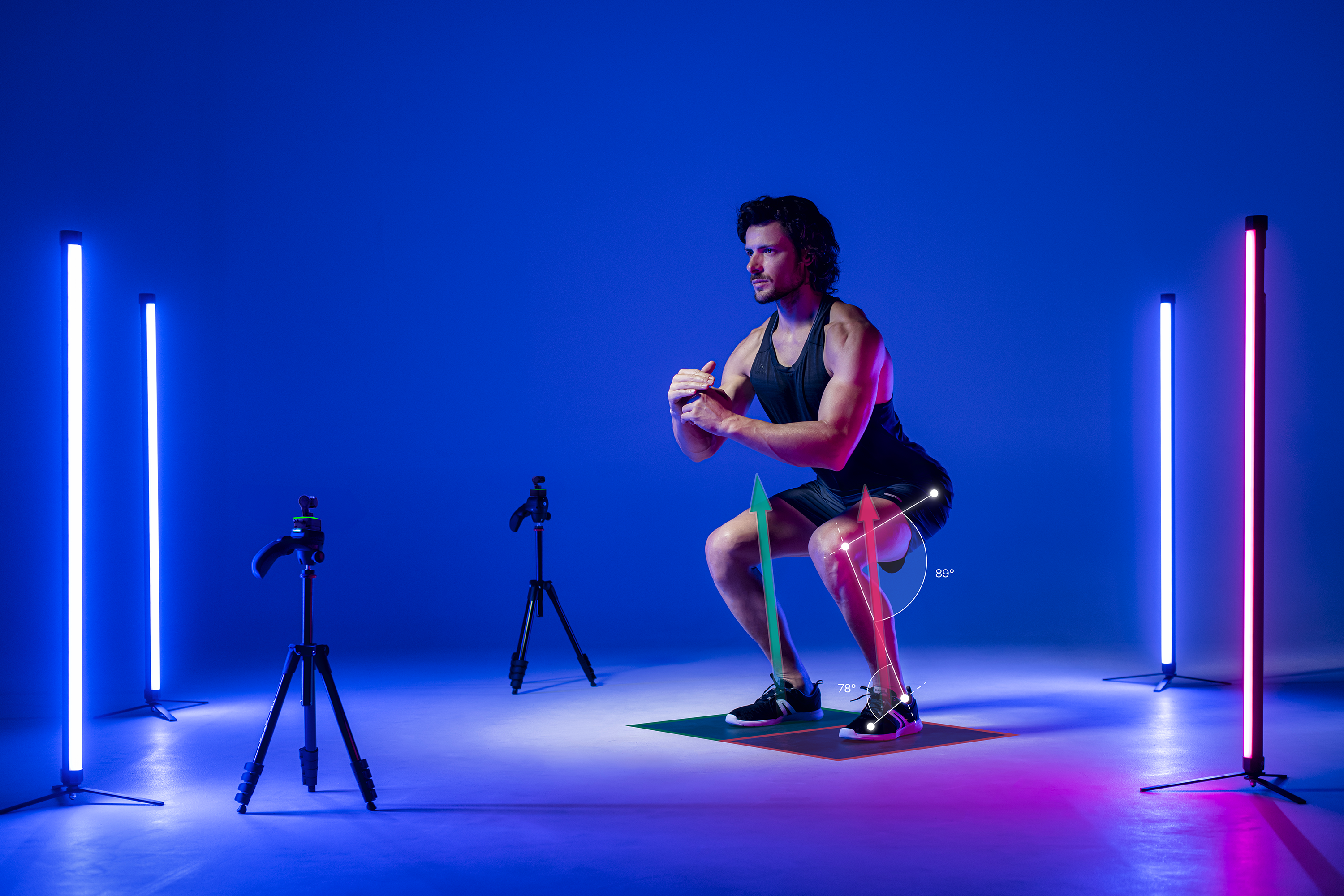
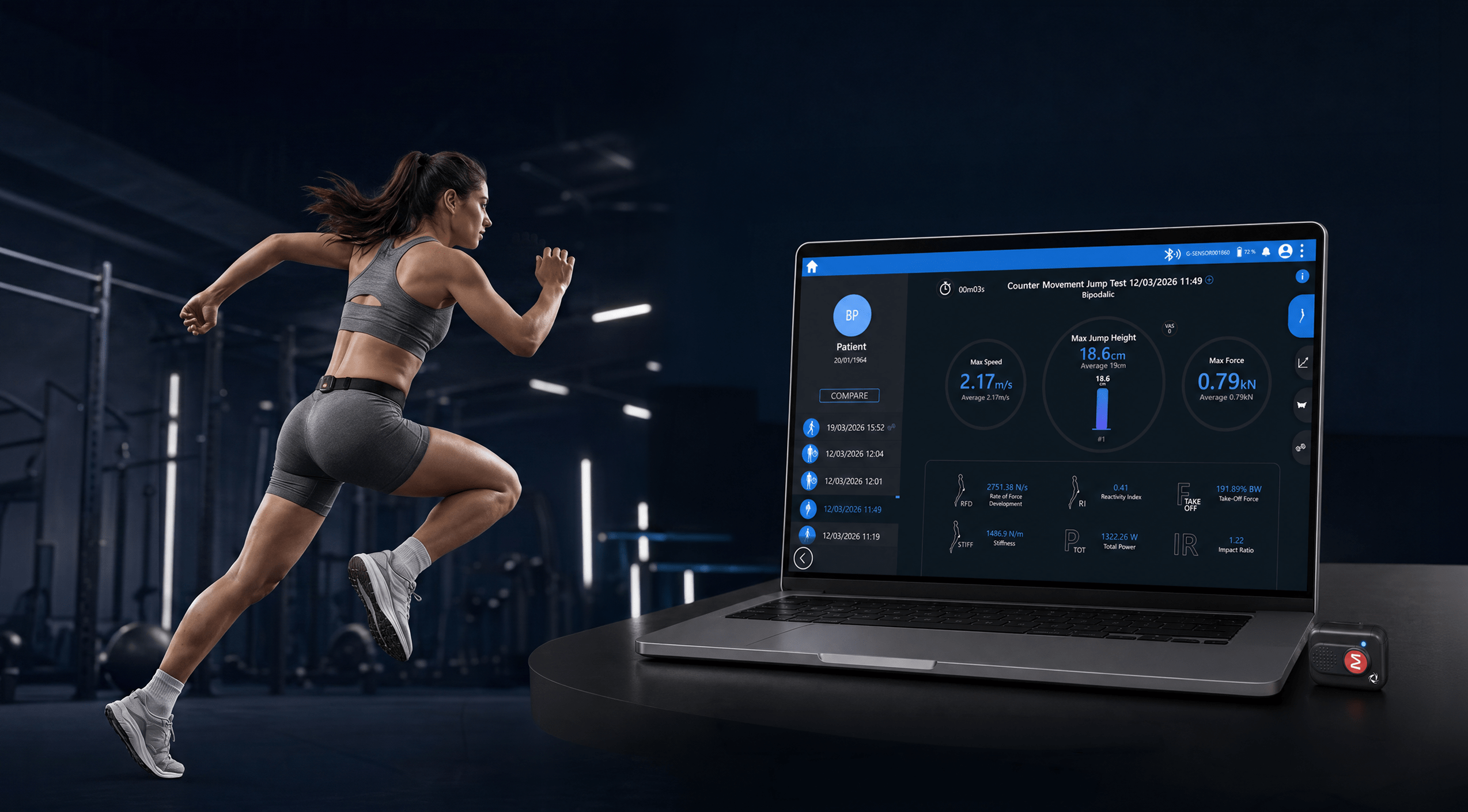
Thanks to the integration of the G-SENSOR, FREEEMG makes it possible to carry out a dynamic functional assessment of the activation status of specific muscle chains. Discover more about our Functional protocols packages on the FREELAB page.
Does not require dedicated spaces
The system can be installed on any Windows laptop and is completely wireless. It does not require a dedicated space but can be used in the lab as well as in open spaces. The system is supplied with a carry case for easy portability.
Technical highlights
Probes
Up to 20
Battery life
>6h
of continuous acquisition
Ultralight probes
13 g
Main Features
Technical features
Up to 20 probes, selectable among EMG, electrogoniometers and footswitch
Available also in H2O version for in-water measurements
More than 6 hours of non-stop acquisition
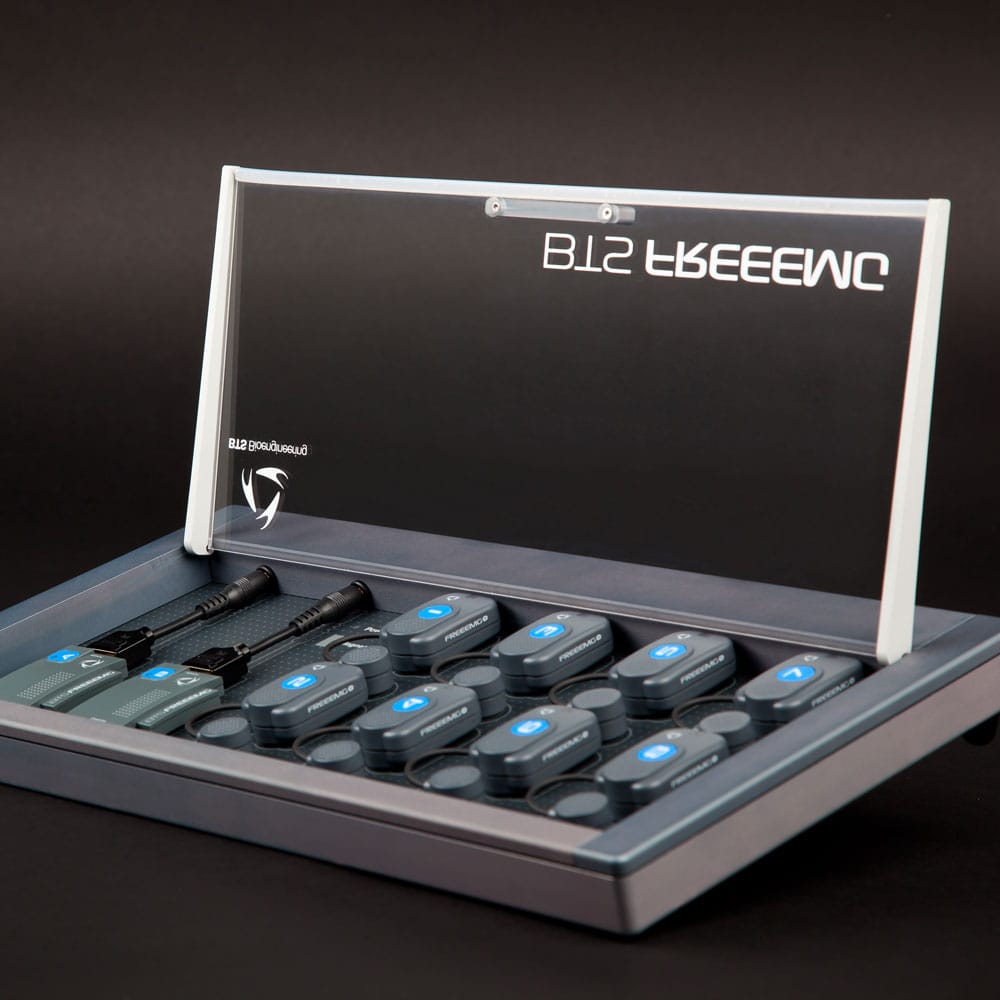
Easy and quick to recharge by clipping onto the proprietary probe charger
Active and variable geometry electrodes
Record of miniaturization weighing only 13 grams.
On-board solid-state buffer memory to secure data in case of any WiFi signal loss
Up to 20 meters for the data transfer between the probes and the workstation
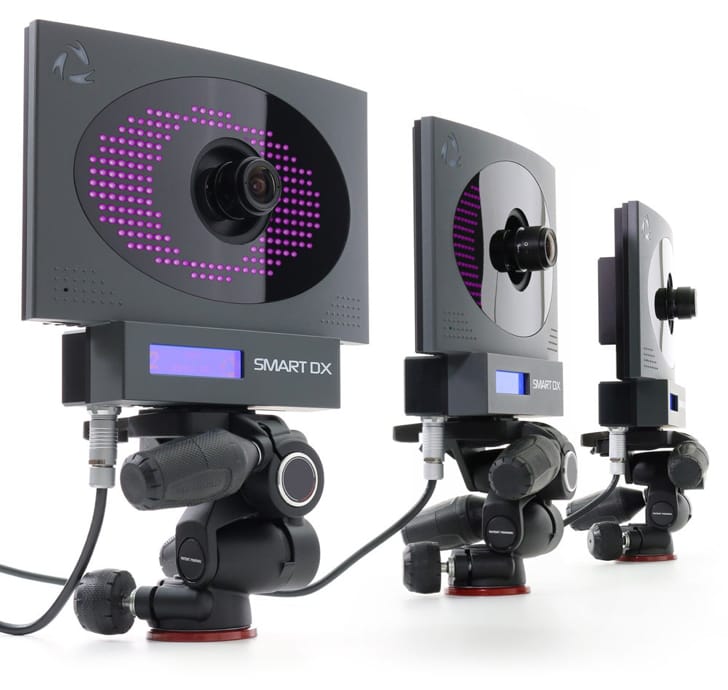
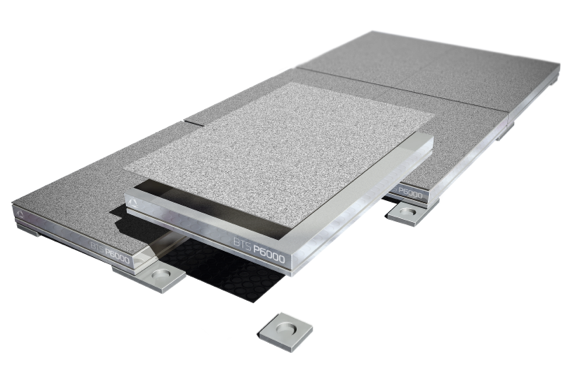
Native integration with BTS motion caputre systems, inertial sensors, force platforms, video cameras.
Integration with third-party systems
Software for clinical assessment and performance analysis
Object-oriented software for the development of customised protocols
Development tools
Wireless Probes
Surface electrodes
Variable geometry electrodes with snap connectors – 16-bit resolution – acquisition frequency 1KHz
Data transmission
Wireless IEEE802.15.4 data transmission (probes – USB receiver) – Real Time
Battery
Rechargeable with proprietary charger (snap connector) – lithium-ion polymer
Autonomy
Over 6 hours of continuous acquisition
Acquisition range
Up to 20 meters (65 feet) in free space (without obstacles)
Holter
The solid-state memory allows data storage up to 1 hour and 40 minutes for systems with less than 6 EMG probes, and up to 2 hours for systems with more than 6 EMG probes
Up to 10 wireless probes each receiver (no more of 2 receivers allowed)
Weight and size
45 grams – 80×45,5×14,4mm
EMG Analysis has never been so quick and easy
COMPLETE EMG ANALYSIS: The most complete software solution for surface EMG signal analysis, with real-time signal display, acquisition and database storage.
READY-TO-USE PROTOCOLS: Predefined templates for clinical, sport and research assessment — jump, plyometry, gait, fatigue analysis and isokinetics.
FULLY CUSTOMISABLE: A graphic interface lets you build your own analysis protocol templates and customised reports, with immediate comparison against normal ranges.