


Info request

Neuromuscular Analysis

Discover

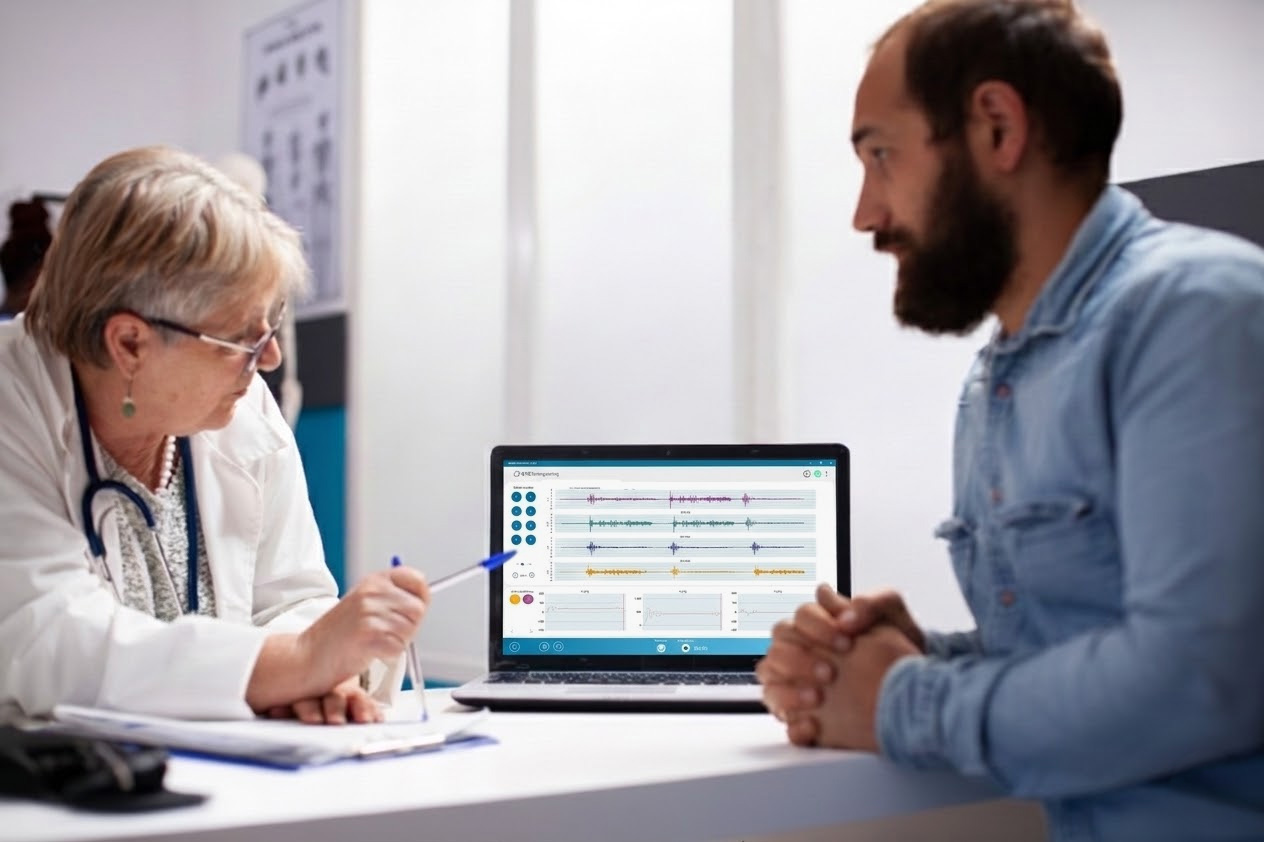
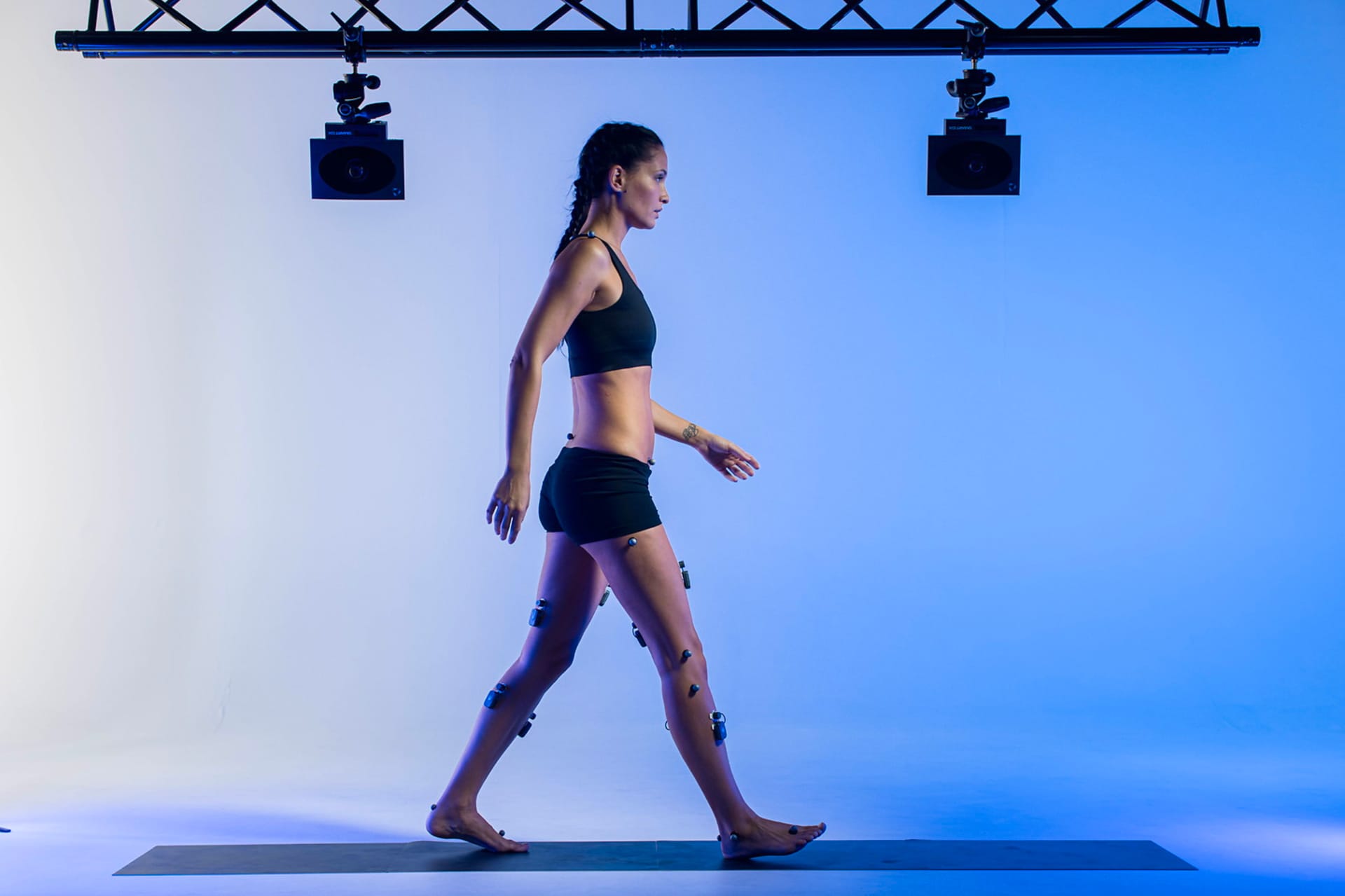
Neuromuscular analysis allows clinicians and researchers to objectively study how muscles are activated, coordinated, and modulated during movement and functional tasks. It represents a key element in understanding motor control and the mechanisms underlying functional alterations in clinical settings. 

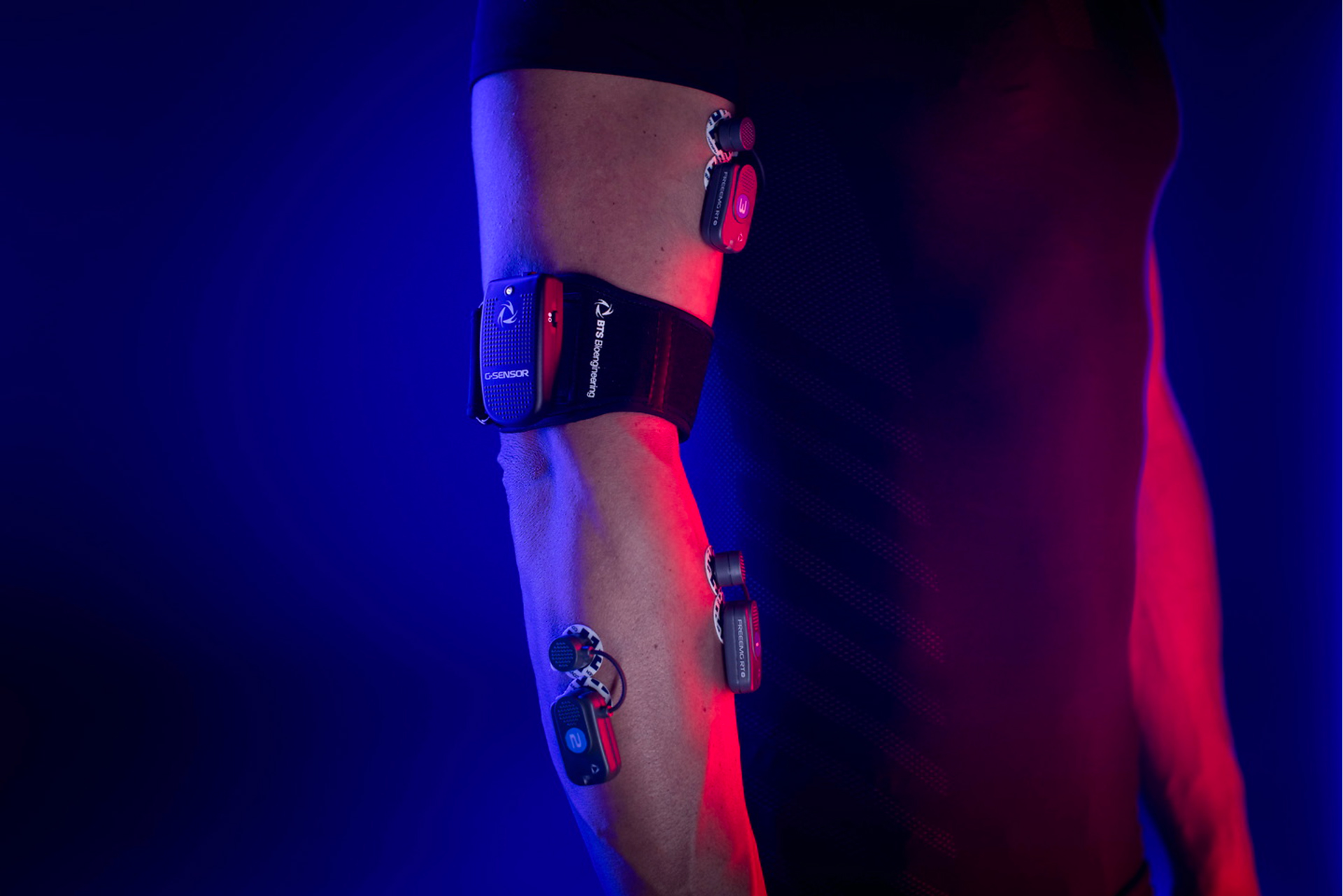
Through surface electromyography, it is possible to measure muscle activation patterns, recruitment timing, co-contractions, and signs of fatigue, providing direct insights into the functioning of the neuromuscular system. This approach goes beyond simple movement observation, improving the accuracy of clinical assessment. 

Integrating neuromuscular analysis into evaluation protocols makes it possible to interpret movement not only in terms of outcomes, but also in terms of motor strategies. When included in clinical workflows, it supports evidence-based decision-making in neurological, musculoskeletal,  and rehabilitation contexts. 

Why it matters

Many functional impairments do not depend solely on joint or structural limitations, but rather on alterations in neuromotor control. Neuromuscular analysis enables the identification of activation deficits, muscle compensations, and inefficient strategies that are not always visible through kinematic analysis alone. The objective measurement of muscle activity allows for more accurate functional diagnosis and reliable monitoring of treatment effectiveness over time.

Who it’s for

This application supports a wide range of clinical professionals:

  • Physiotherapists and rehabilitation centers: evaluate neuromotor control and monitor functional recovery over time
  • Physicians and clinicians: support functional diagnosis and treatment planning with objective data
  • Neurology specialists: analyze alterations in muscle recruitment and motor control
  • Musculoskeletal professionals: assess compensations, asymmetries, and persistent pain conditions
  • Universities and research centers: study of neuromuscular mechanisms and motor strategies

Key Benefits

  • Objectively analyzes muscle activation and coordination
  • Identifies compensations and asymmetries not visible through clinical observation
  • Supports the differentiation between structural deficits and motor control impairments
  • Enables repeatable monitoring of treatment effectiveness
  • Improves clinical decision-making through reliable neuromuscular data

Scientific papers

21/08/2017
Institute of Electrical and Electronics Engineers

Importance of muscle selection for EMG signal analysis during upper limb rehabilitation of stroke patients

18/12/2014
Journal of Physical Therapy Science

Effects of Progressive Body Weight Support Treadmill Forward and Backward Walking Training on Stroke Patients’ Affected Side Lower Extremity’s Walking Ability

23/02/2017
Springer Nature

Quadriceps muscles activity during gait: comparison between PFPS subjects and healthy control

01/04/2018
Journal of Electromyography and Kinesiology

Muscle activity and kinetics of lower limbs during walking in pronated feet individuals with and without low back pain

01/08/2015
European Journal of Physical and Rehabilitation Medicine

How could robotic training and botolinum toxin be combined in chronic post stroke upper limb spasticity? A pilot study

Customer Success Story

Discover how your colleagues have made the most of our technologies.

“Thanks to  BTS technologies, we can transform biomechanical data into clinical decisions that improve patients’ lives while training the future leaders of physiotherapy.”

Dr. Sergio Lerma Lara Director of the University Clinic La Salle

Discover how

Need more information?

Send us a request

Info request