La Salle Motion Analysis Laboratory
Cutting-edge biomechanics for patient care, education, and research excellence

La Salle Madrid: A Triple Excellence Model
The La Salle University Clinic in Madrid has become a national benchmark in integrating healthcare delivery, academic training, and applied research. Its Motion Analysis Laboratory, led by Dr. Sergio Lerma Lara, combines a strong clinical, educational, and scientific approach that positions it as a leading center in Spain and internationally.
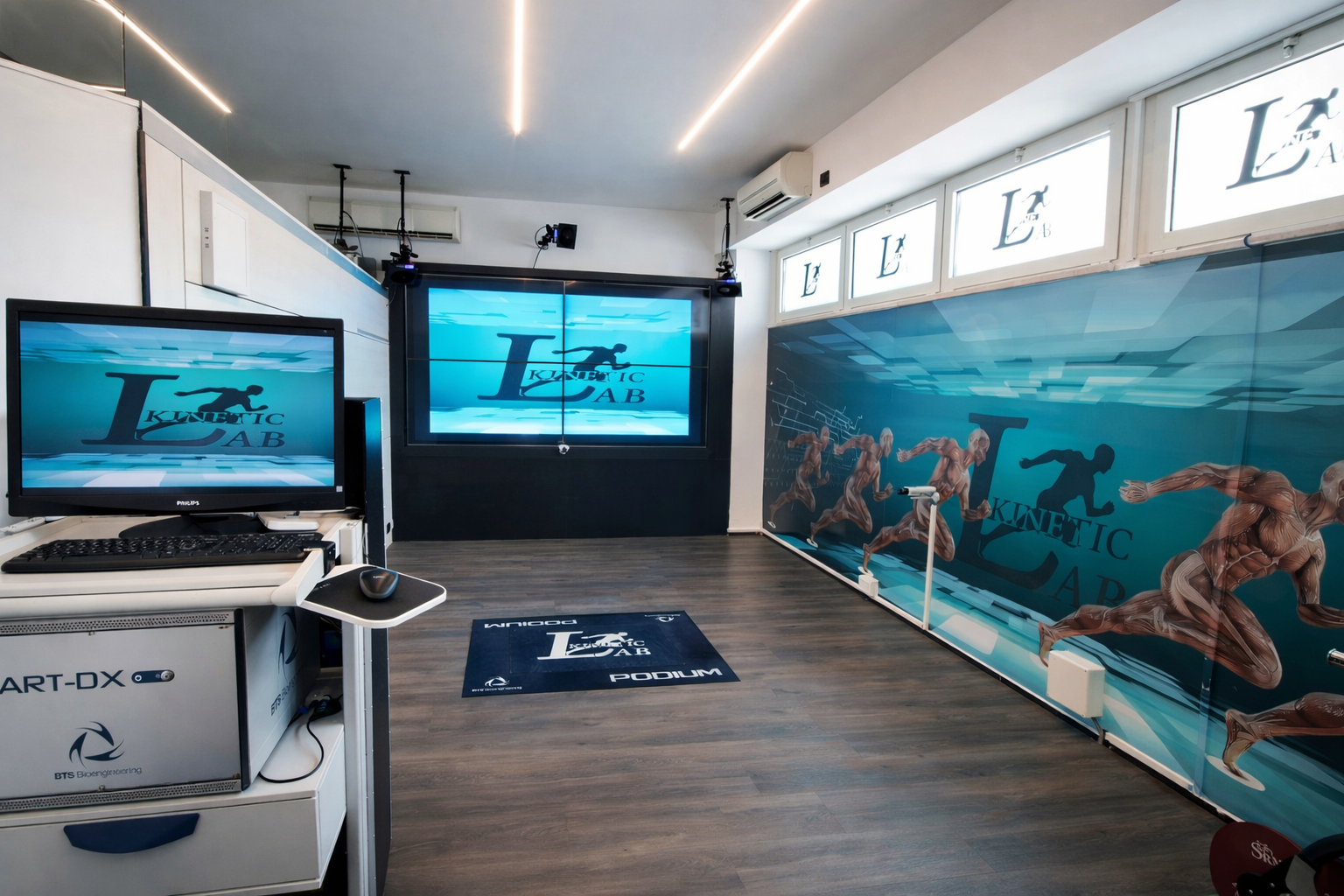
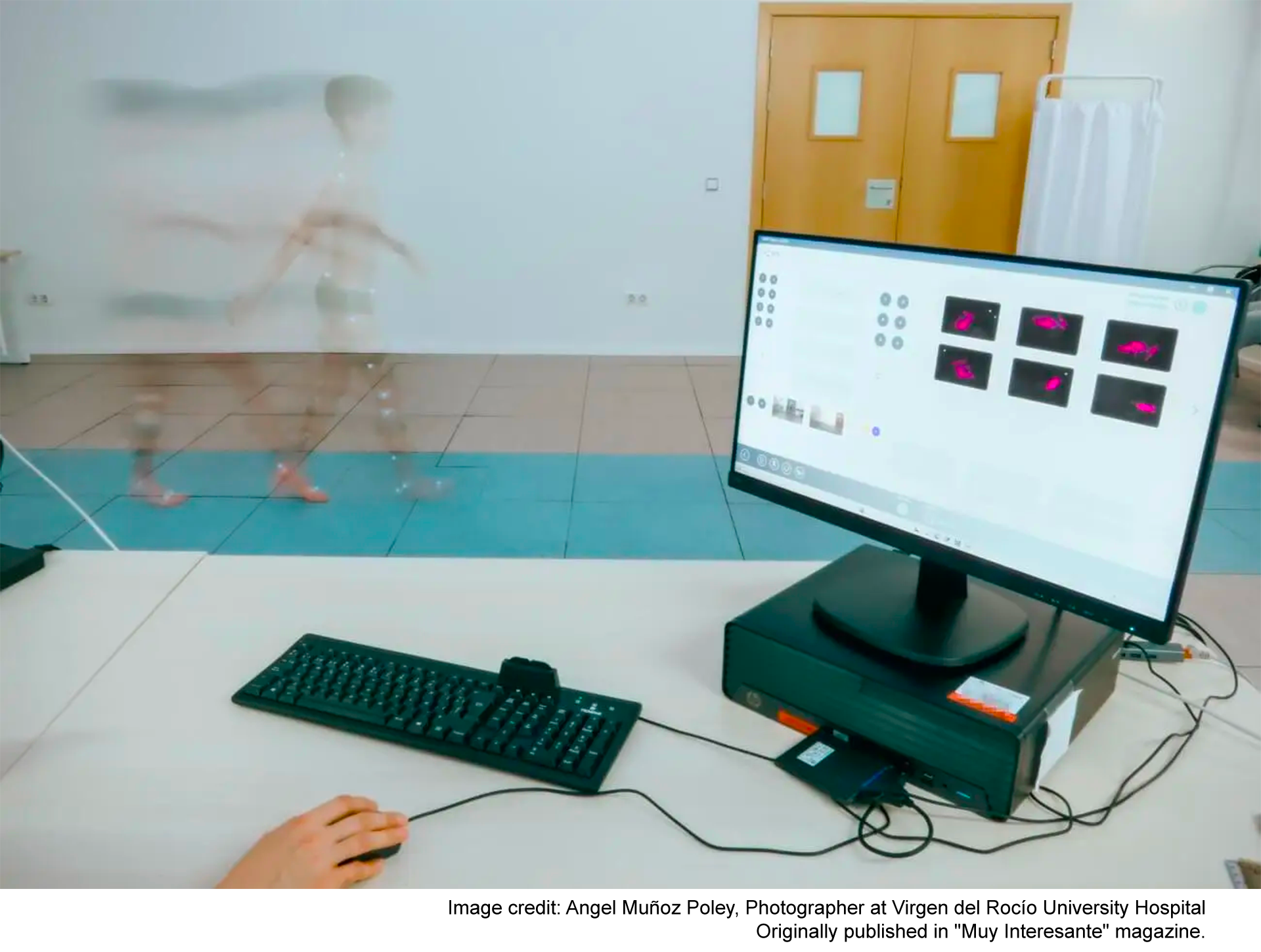
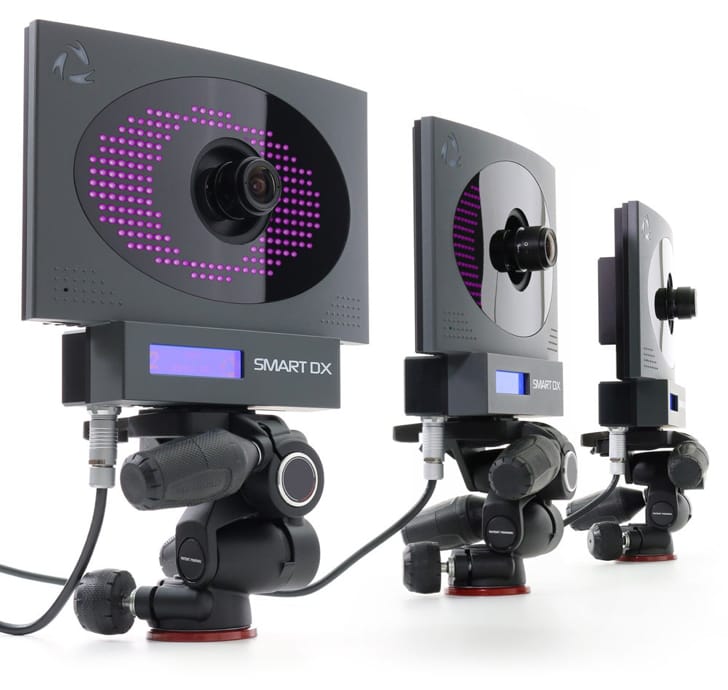
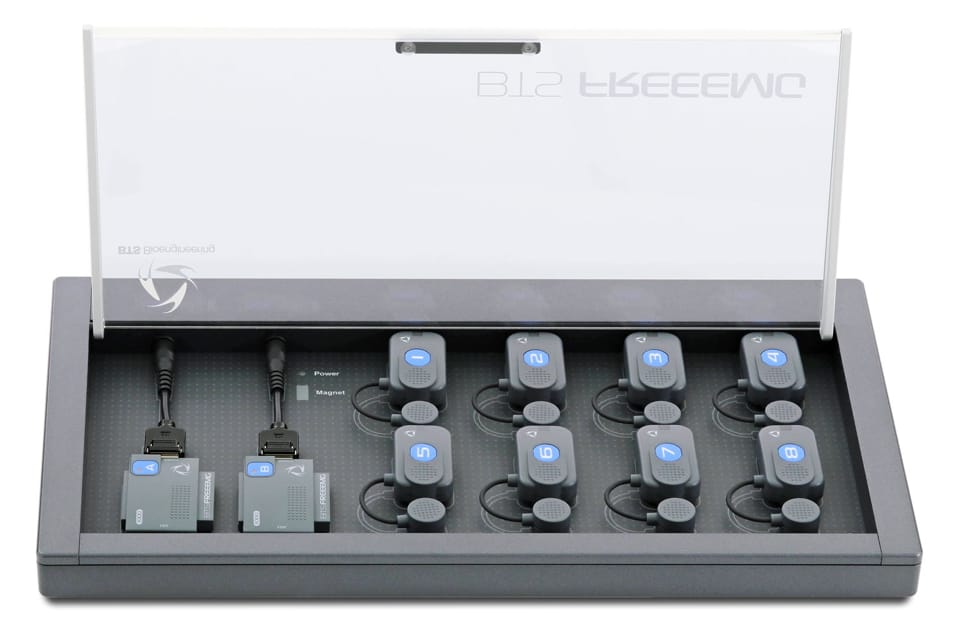
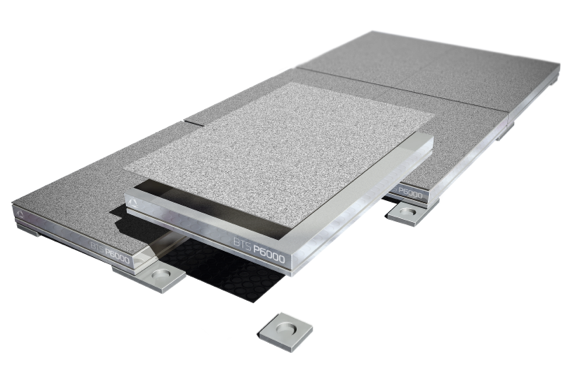
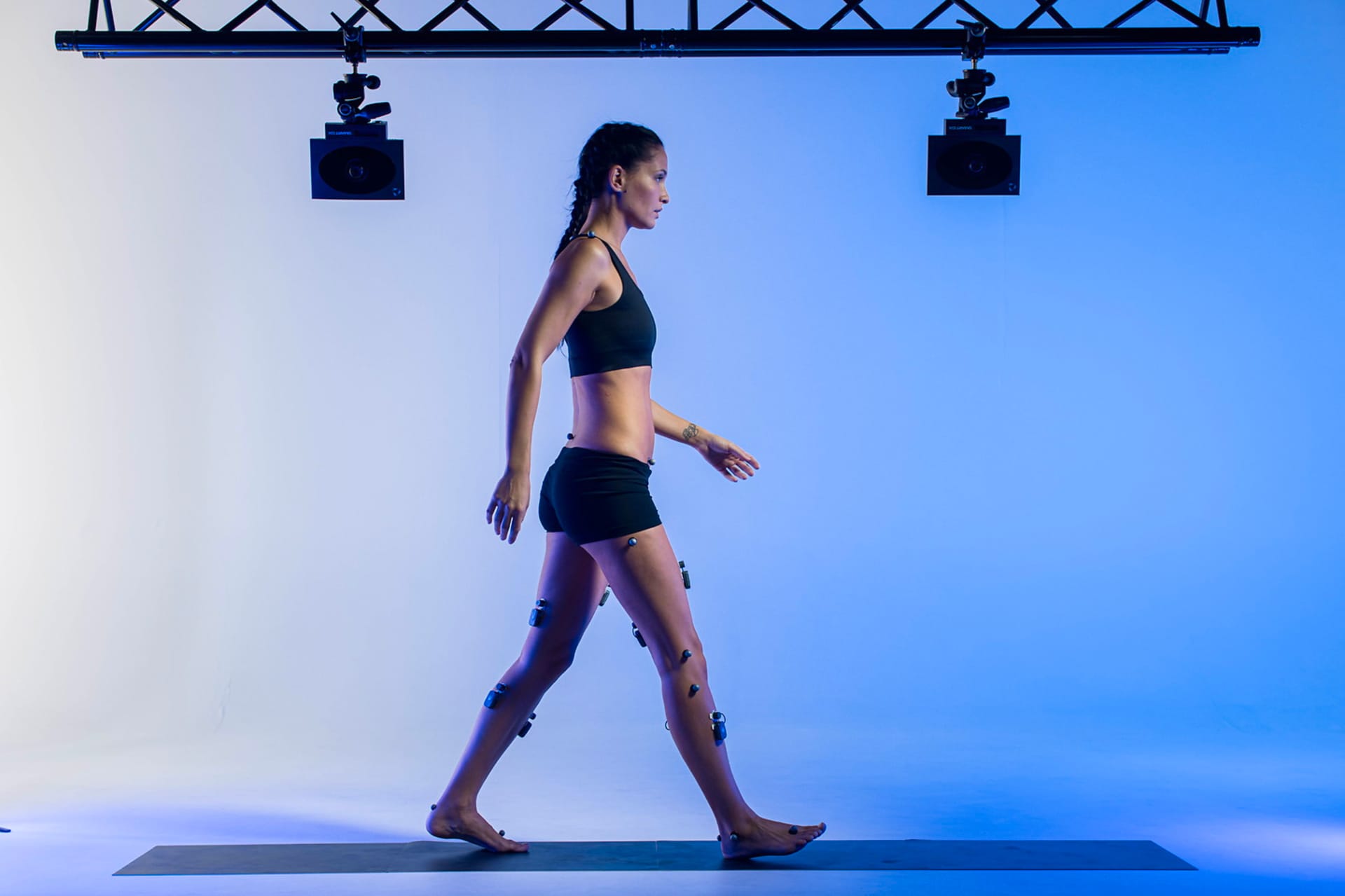
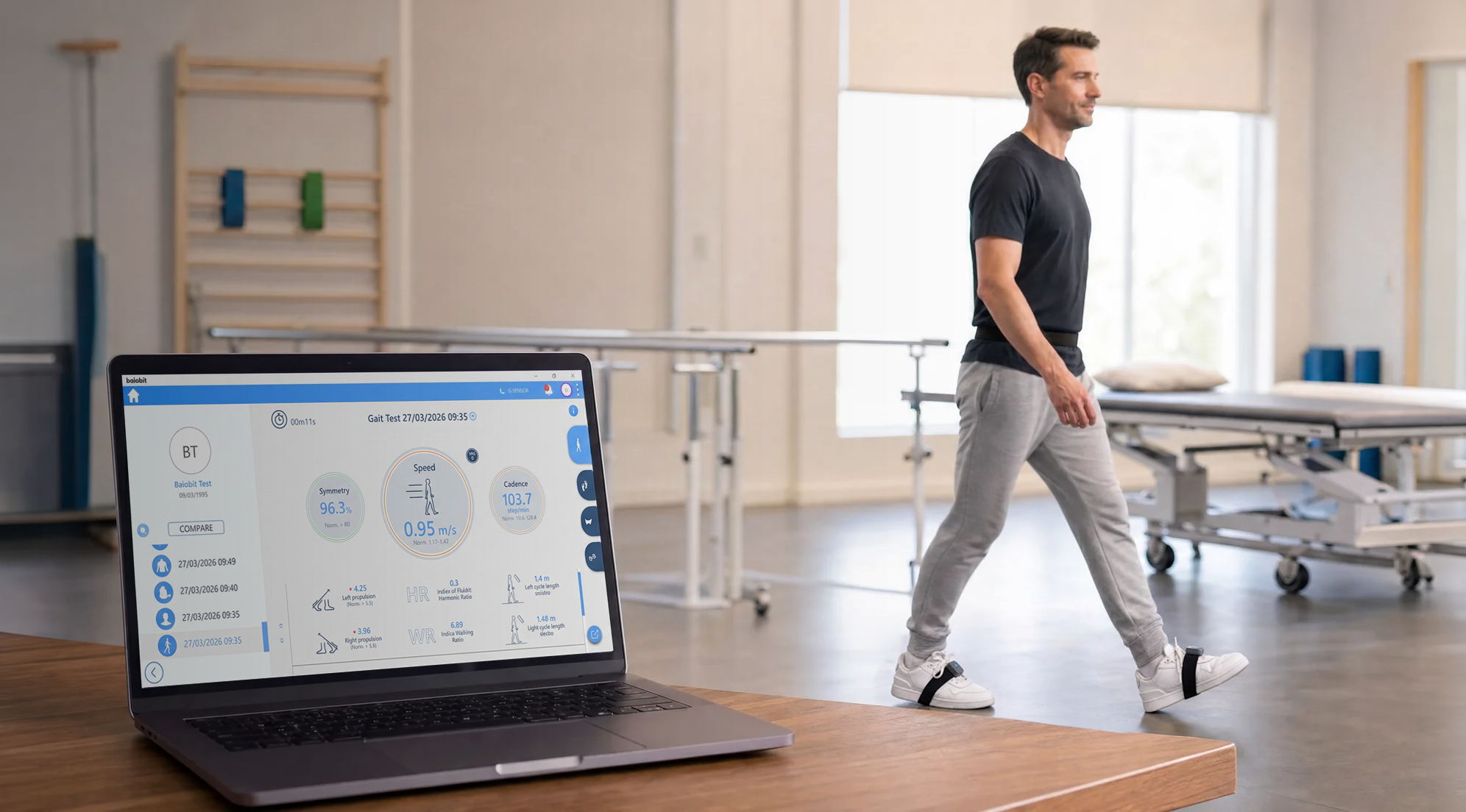
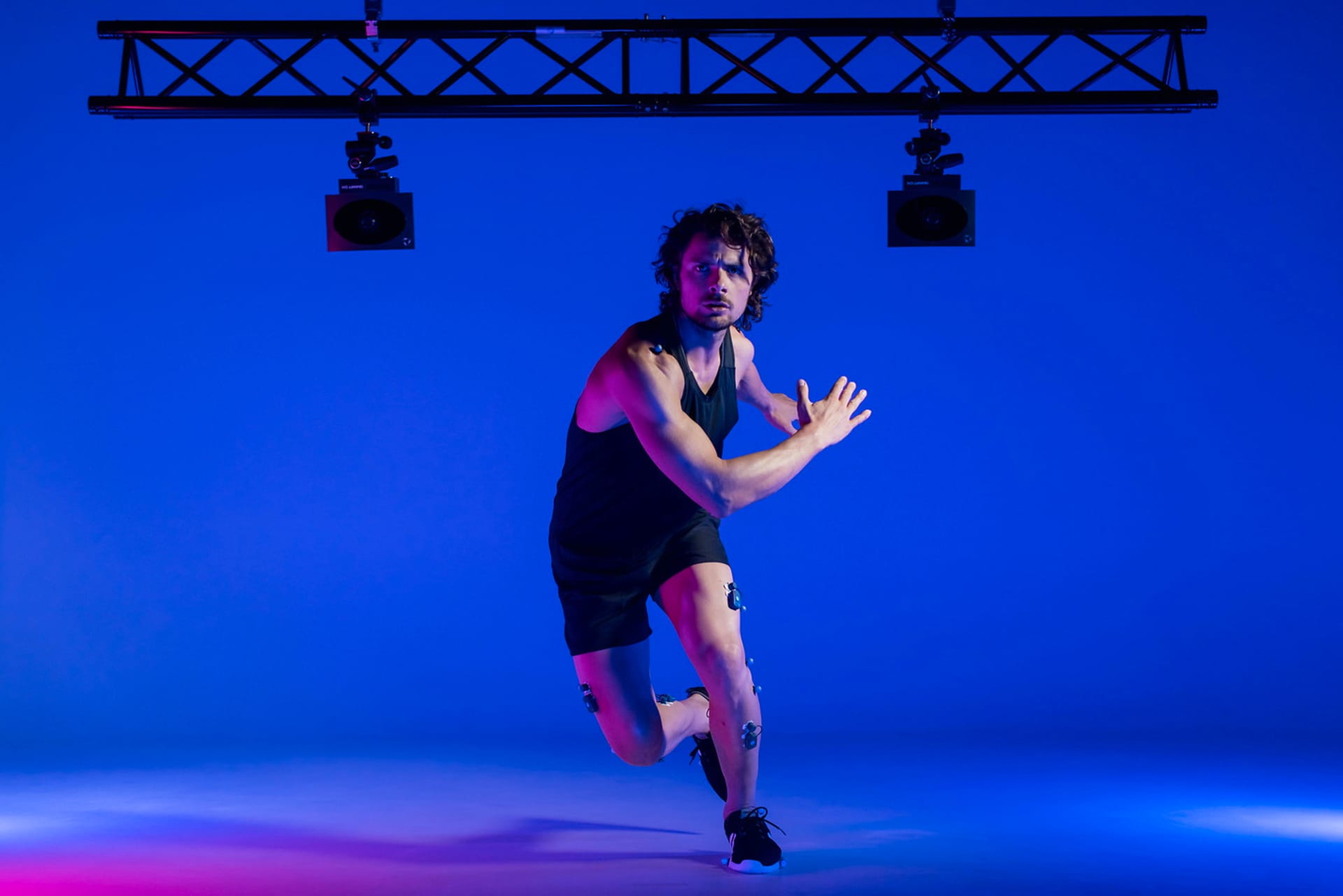
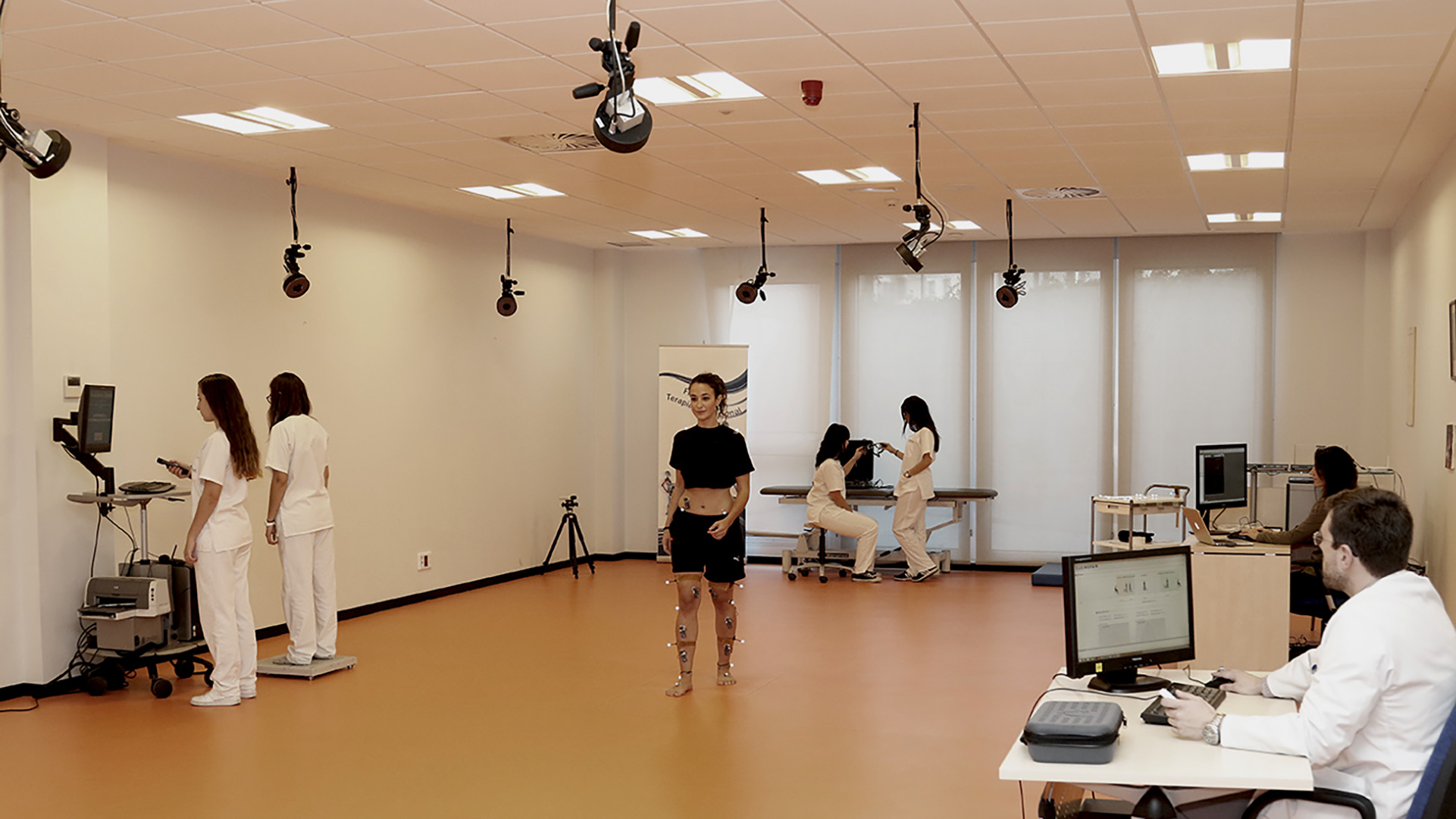
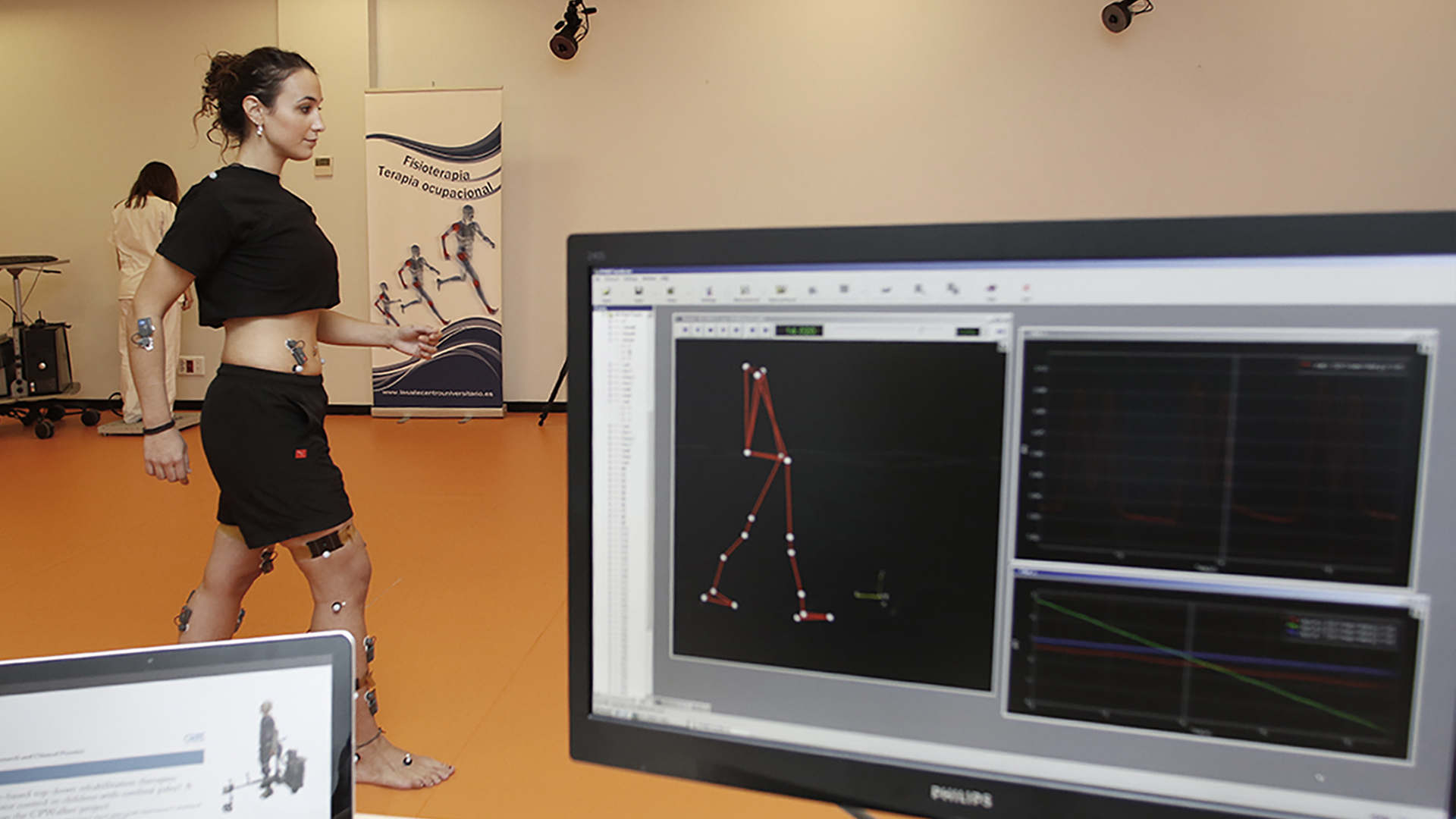
Equipped with a BTS GAITLAB, the laboratory performs highly accurate three-dimensional gait and motion analyses. Each year, over 200 undergraduate and postgraduate students are trained in the use of these technologies, and around 100 gait studies are conducted in children and adults with orthopedic and neurological conditions.
This unique clinical-academic ecosystem not only generates objective data that improve patient care, but also drives robust research lines in pain, pediatric rehabilitation, and robotics, consolidating La Salle’s reputation as a hub of clinical and academic innovation.
The main challenge was to integrate motion analysis into daily clinical practice, overcoming the perception that this technology was solely a research tool. The aim was to translate complex biomechanical data into actionable information for immediate therapeutic decision-making.
In addition, it was crucial to design a training environment where students could acquire advanced competencies in clinical biomechanics, while simultaneously generating translational research with real patient impact. Specific challenges included tackling sensitive areas such as chronic pain, pediatric neurology, and robotic rehabilitation with innovative and evidence-based approaches.
BTS technologies were instrumental in advancing both clinical and research objectives:
– Three-dimensional gait analysis (BTS GAITLAB) provided precise kinematic and kinetic data, supporting studies such as the evaluation of gait in children with cerebral palsy using robotic devices (e.g., CPWalker) [Lerma Lara et al., 2019].
– Standardized assessment protocols were applied in clinical research on orthopedic and neurological conditions, as reflected in works on multilevel surgery outcomes and gait biomechanics [Lerma Lara et al., 2025].
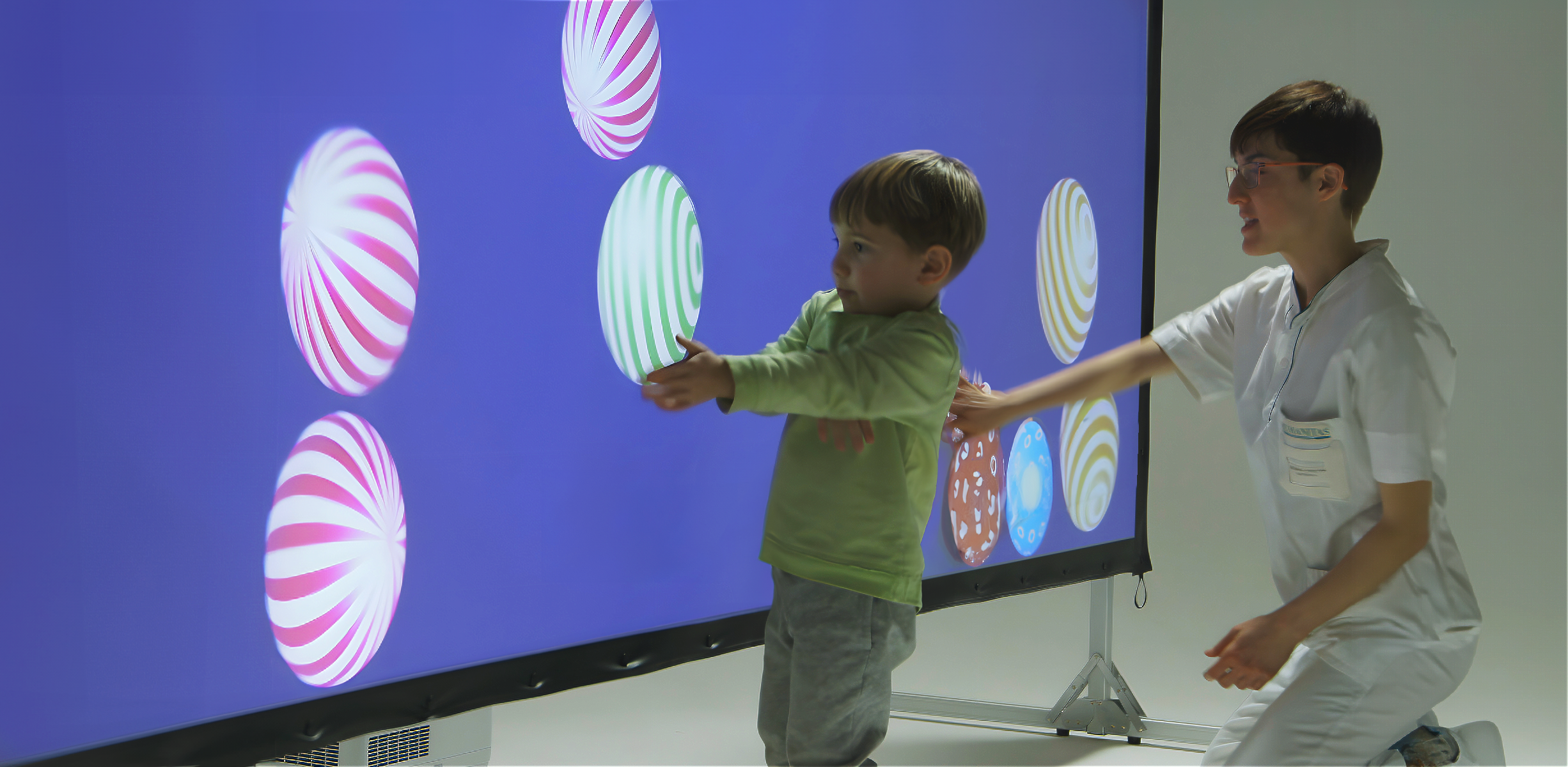
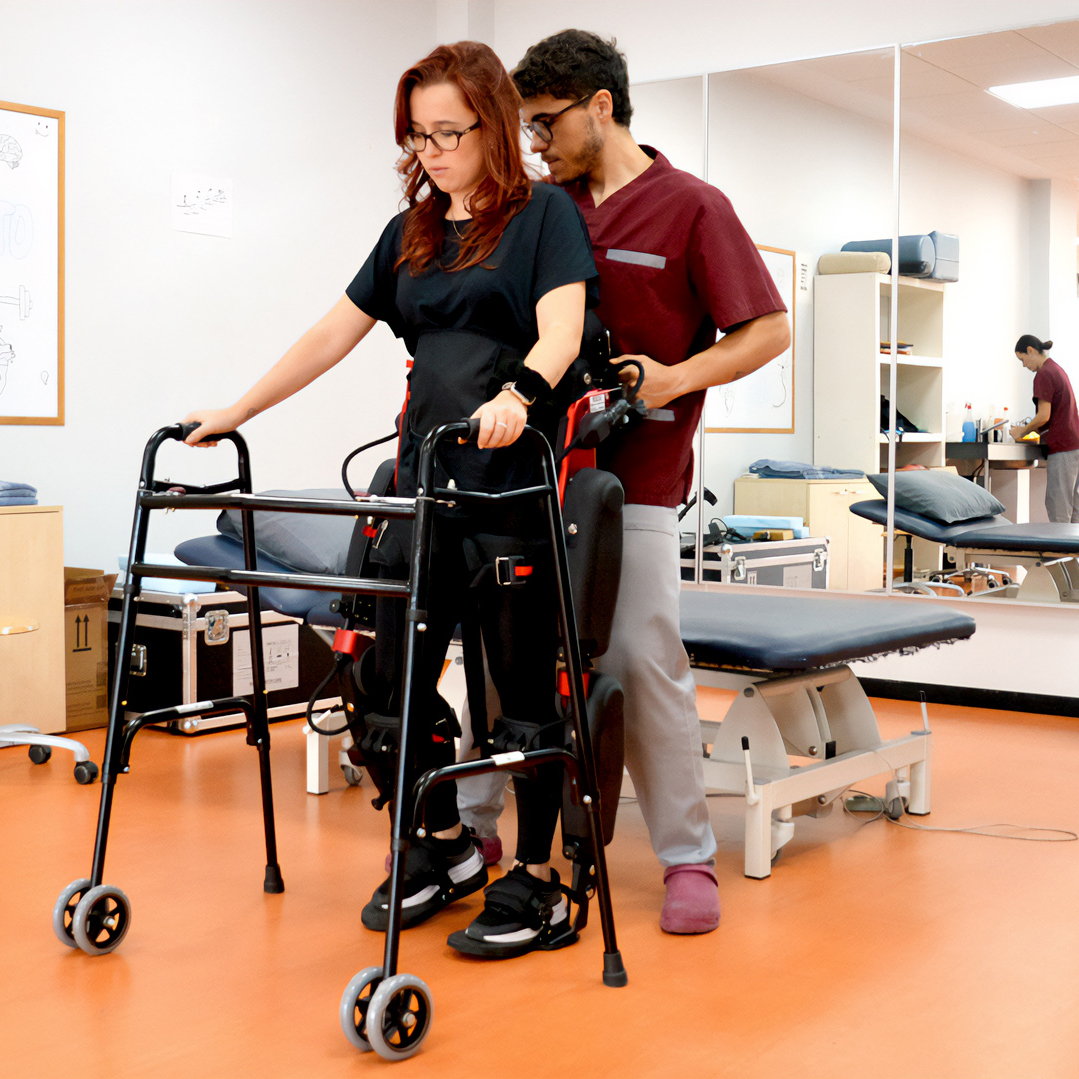
– Integration into robotics and pediatric rehabilitation: BTS systems enabled the validation of robotic-assisted gait training platforms, highlighting their clinical implementation in children with cerebral palsy [Lerma Lara et al., 2018; 2019].
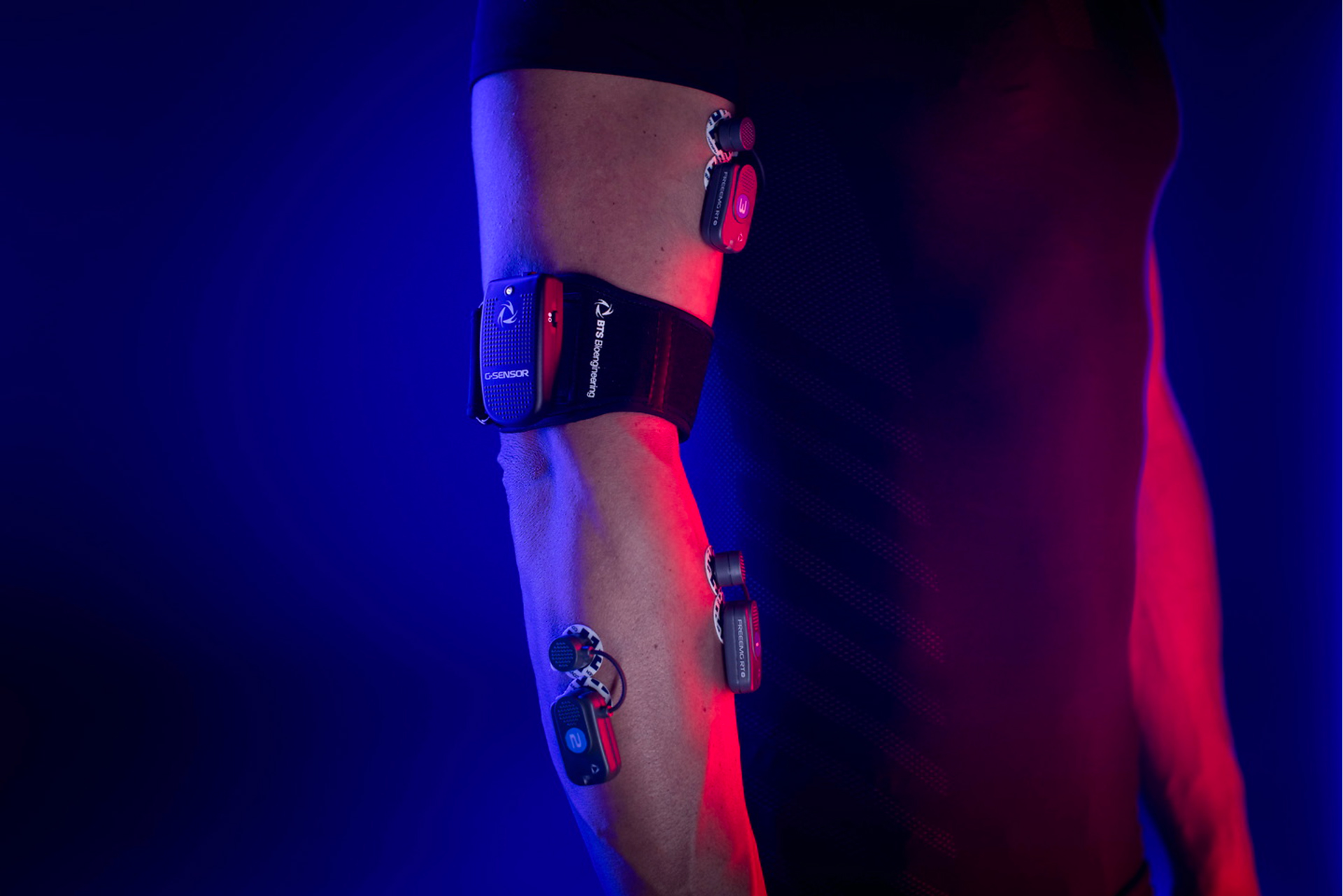
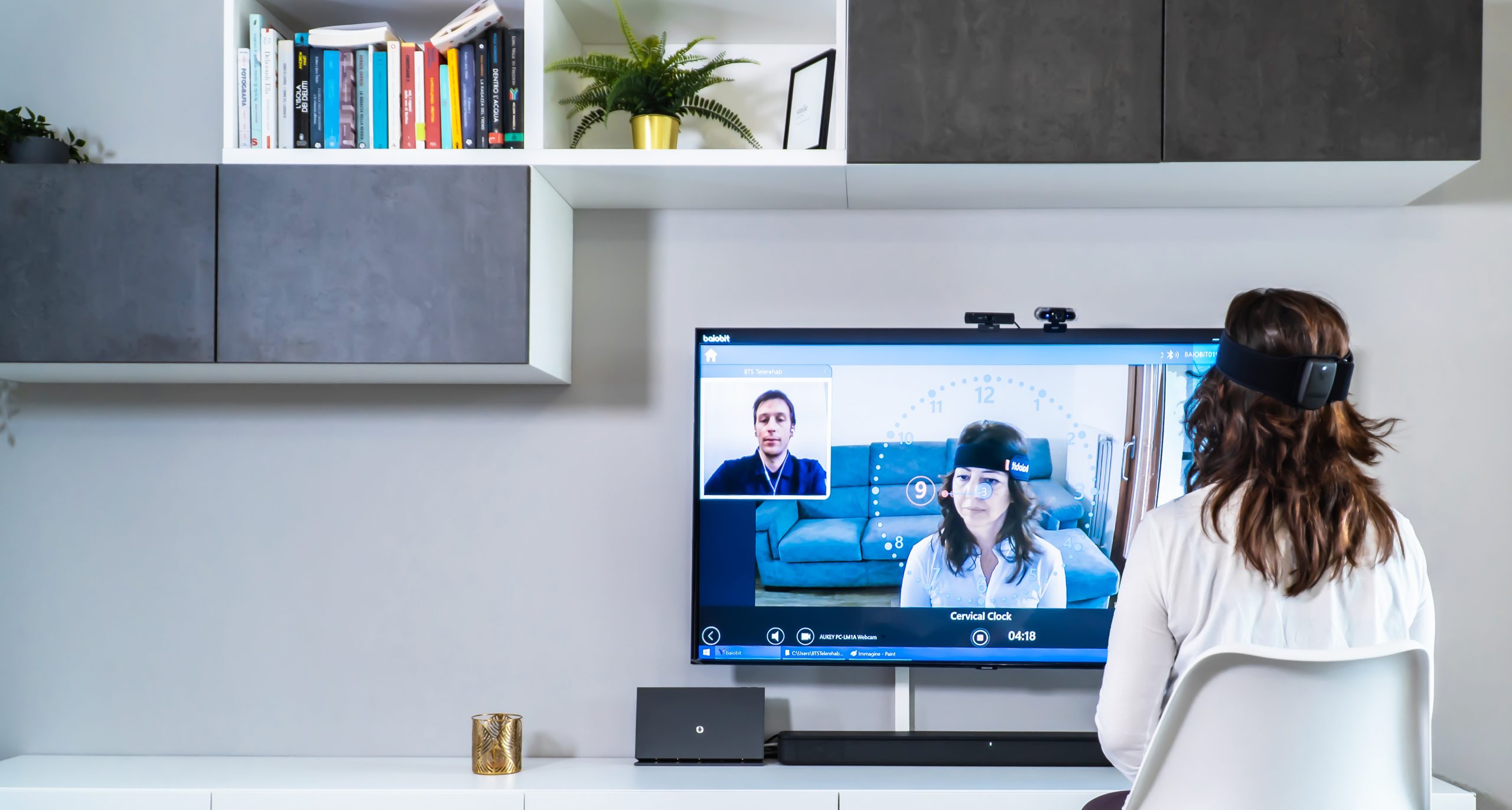
– Biomechanical markers in pain and motor control: cervical kinematics and EMG patterns, measured with motion analysis tools, were central to publications on neck pain and cervicogenic dizziness [Lerma Lara et al., 2018].
The impact of the Motion Analysis Laboratory at La Salle University Clinic has been substantial on several levels:
– Clinical: over 600 patients with post-traumatic cervical disorders have been assessed, combining clinical care, research, and academic training.
– Academic: over 200 undergraduate and master’s students are trained annually in motion analysis and biomechanics, with direct exposure to state-of-the-art BTS technology.
– Research: the laboratory has contributed to influential publications, such as:
- – Evaluation of biomechanical gait parameters in cerebral palsy with CPWalker (2019).
- – Kinematic analysis of ankle and midfoot in pediatric osteogenesis imperfecta (2021).
- – Voluntary control of wearable robotic exoskeletons via neuromechanical modeling (2019).
- – Biomechanical analysis of vestibular and postural control in cervicogenic dizziness (2018).
– Community: patients and families now have access to advanced gait analysis services that are rarely available outside major hospitals, positioning La Salle as a unique local healthcare and research provider.

La Salle selected BTS technologies for three main reasons:
- Scientific accuracy and validity, widely demonstrated in peer-reviewed publications on gait, robotics, and clinical biomechanics.
- Clinical adaptability, enabling immediate translation of research data into patient care.
- Educational and research potential, directly aligned with La Salle’s threefold mission: clinical care, teaching, and research.