Politecnico di Bari
A project born from the development of a working methodology
Biomechanical Analysis: Bridging Research, Technology, and Real-World Applications
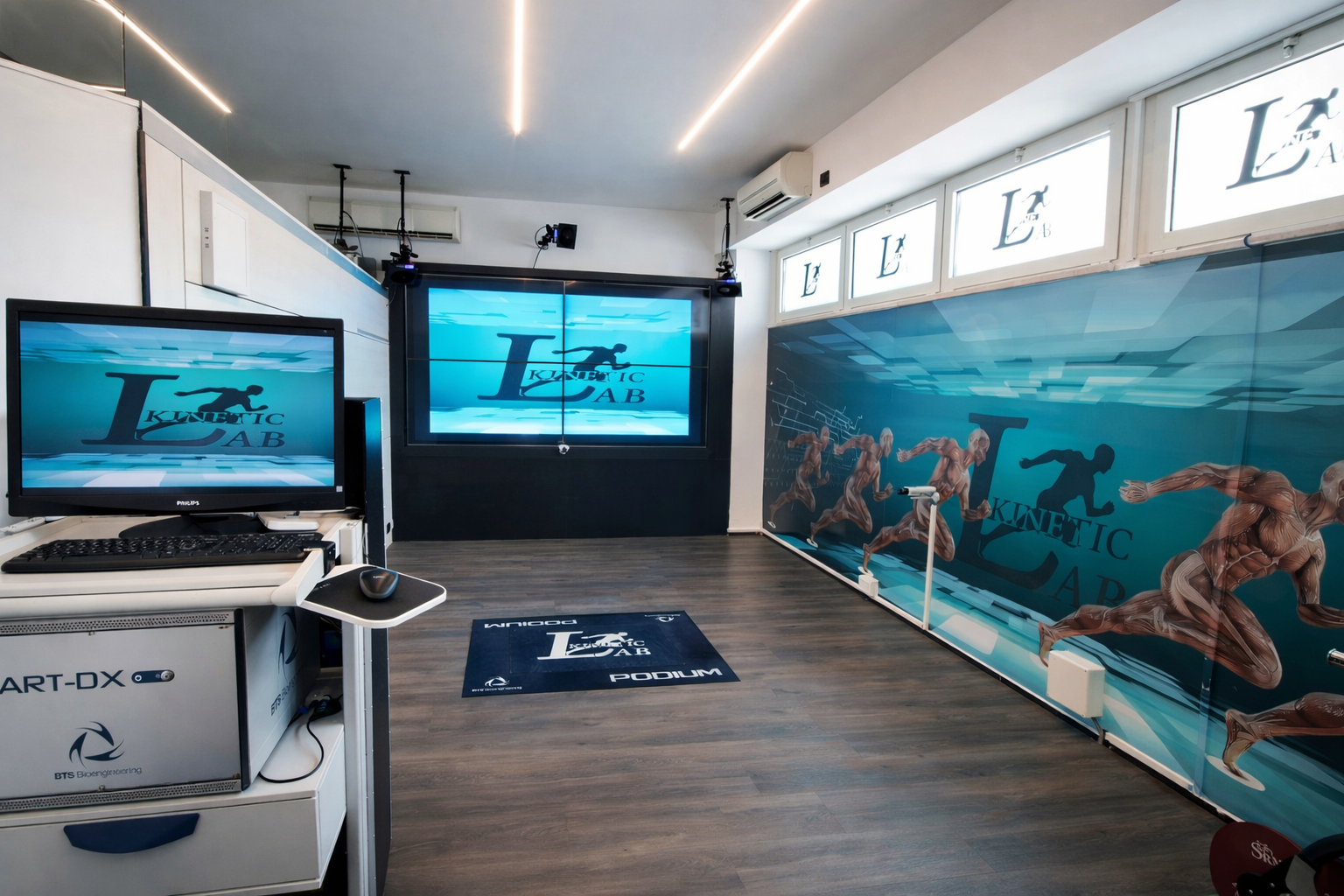
The RML Robotic Mobility Lab of the Polytechnic University of Bari represents a center of excellence in the study of human movement biomechanics and its applications in clinical and sports fields.
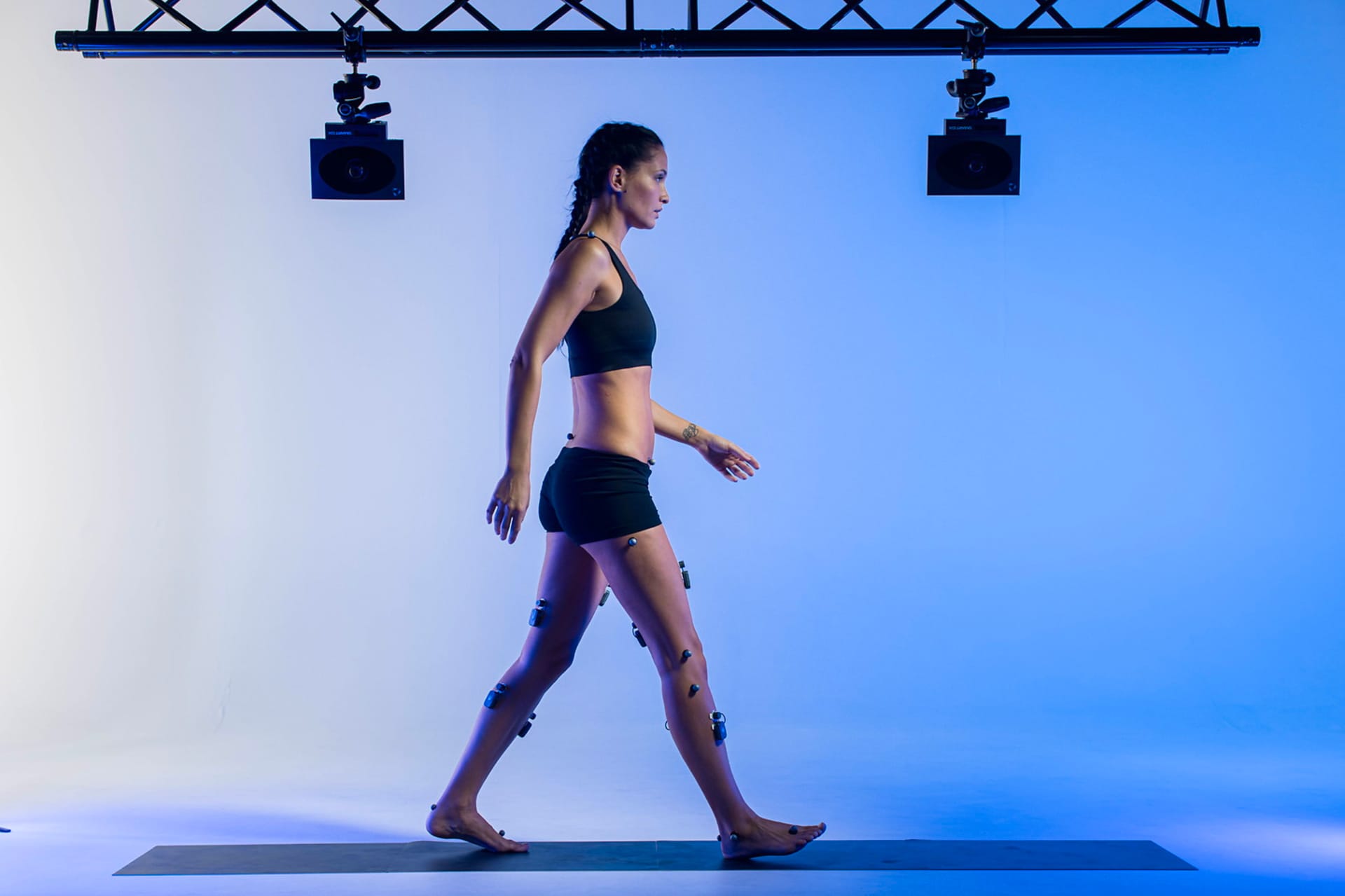
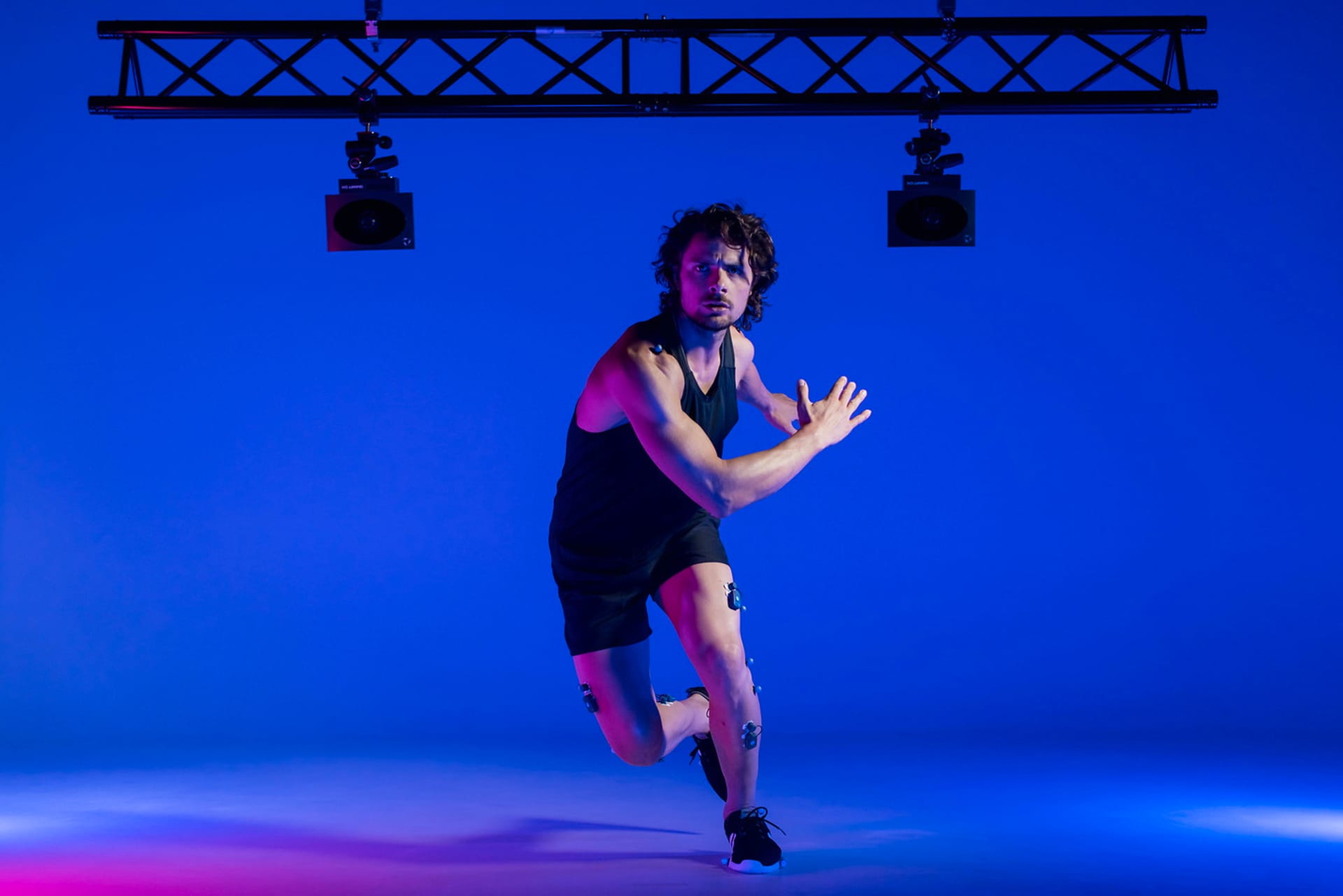
The laboratory uses advanced technologies for motion analysis, with the aim of scientifically and quantitatively studying human body behavior, from everyday gestures to complex sports movements.
Supering the limits of traditional movement assessment
The adoption of advanced technologies stems from the need to analyze movement in an objective and scientific way, overcoming the limitations of traditional assessments. The integration of kinematic, dynamic, and muscular data enables a comprehensive and precise analysis, also useful for early identification of imbalances and reducing the risk of injuries.
The challenge for the laboratory was therefore to:
• Obtain objective, quantitative, and scientifically valid data
• Integrate kinematic, dynamic, and muscular information
• Analyze movement in a comprehensive and multidimensional way
A new scientific approach to movement analysis
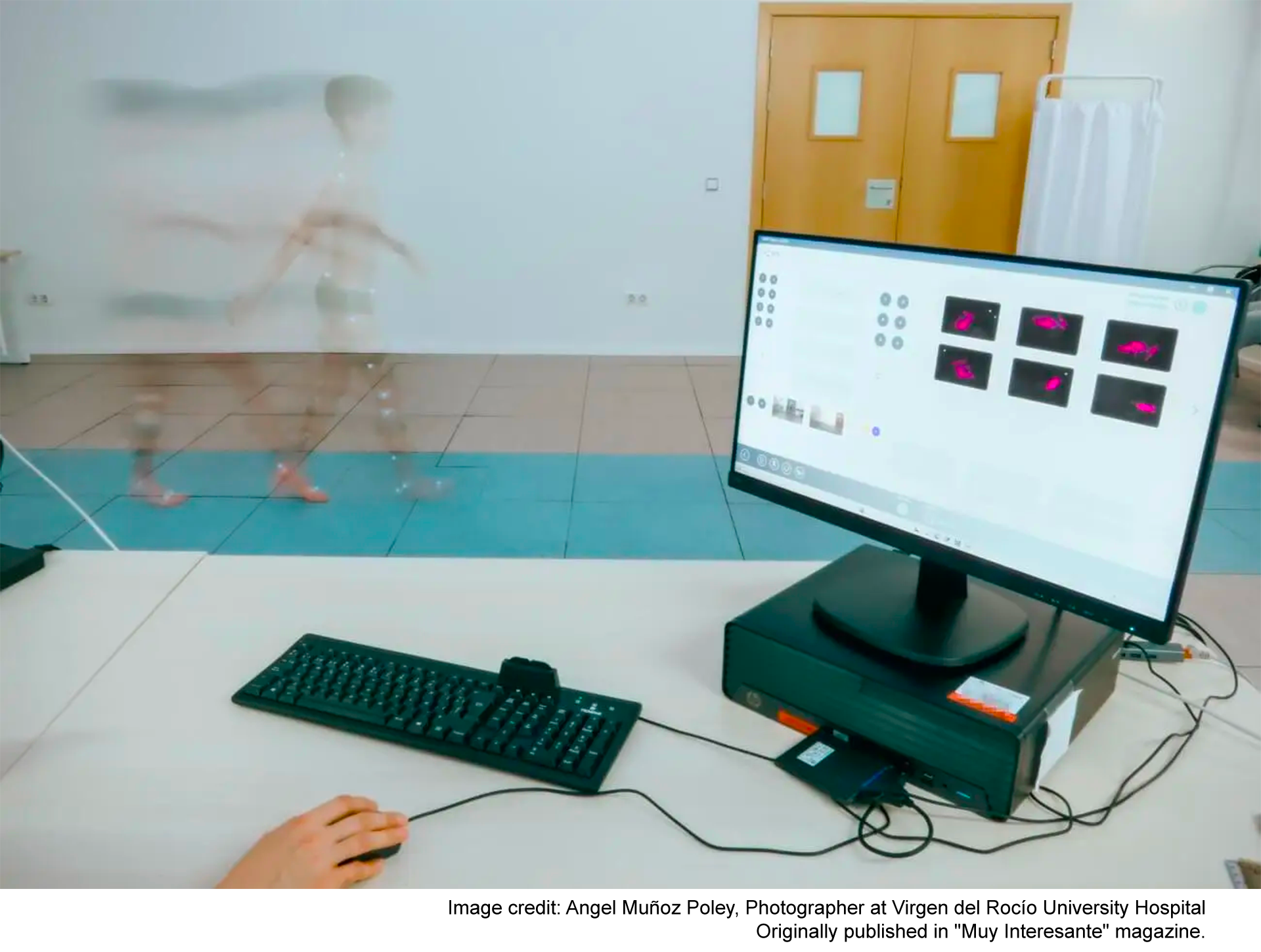
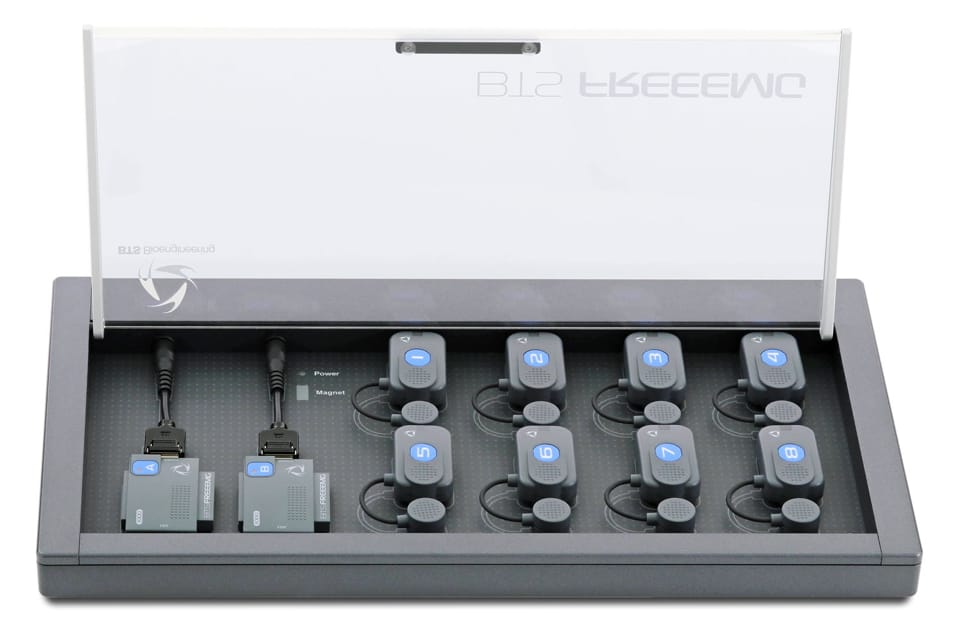
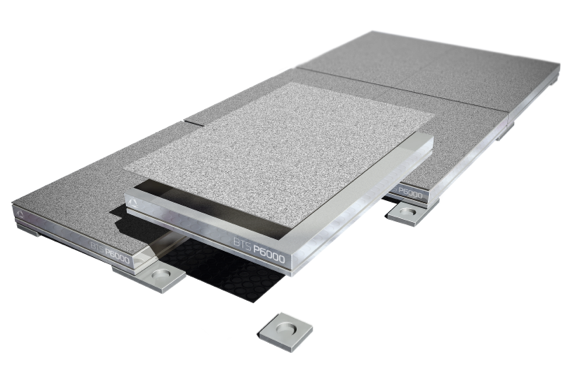
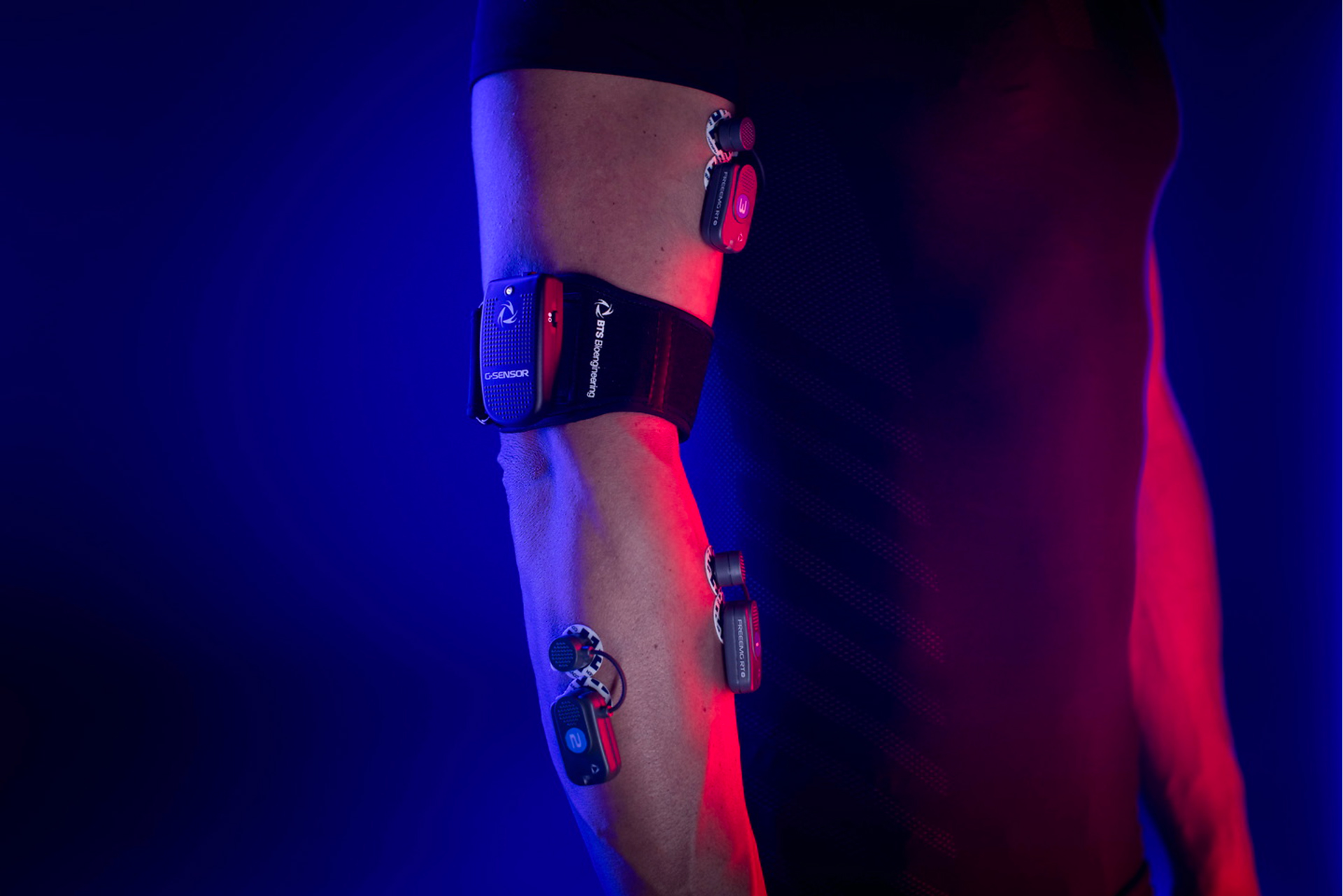
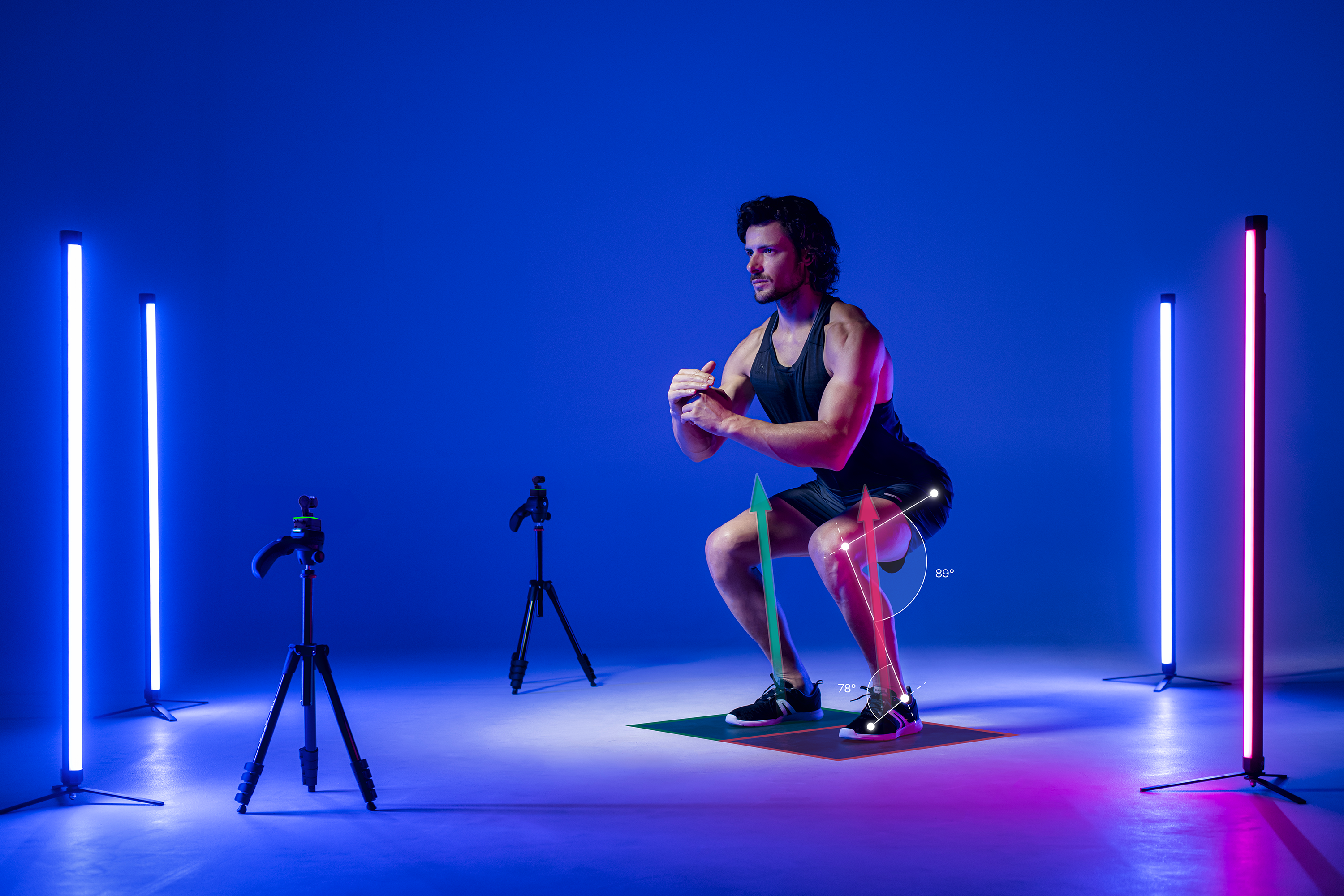
The introduction of BTS Bioengineering technologies has profoundly transformed the way movement is analyzed within the laboratory. The approach has shifted from a primarily qualitative assessment to a quantitative analysis based on objective and measurable data. This has made it possible to obtain extremely precise information on joint kinematics, forces generated during movement, and muscle activation. The ability to integrate these data allows for a more accurate understanding of the motor strategies adopted by the subject.
In the sports context, the technology has made it possible to identify potential biomechanical compensations or asymmetries that could increase the risk of injury.
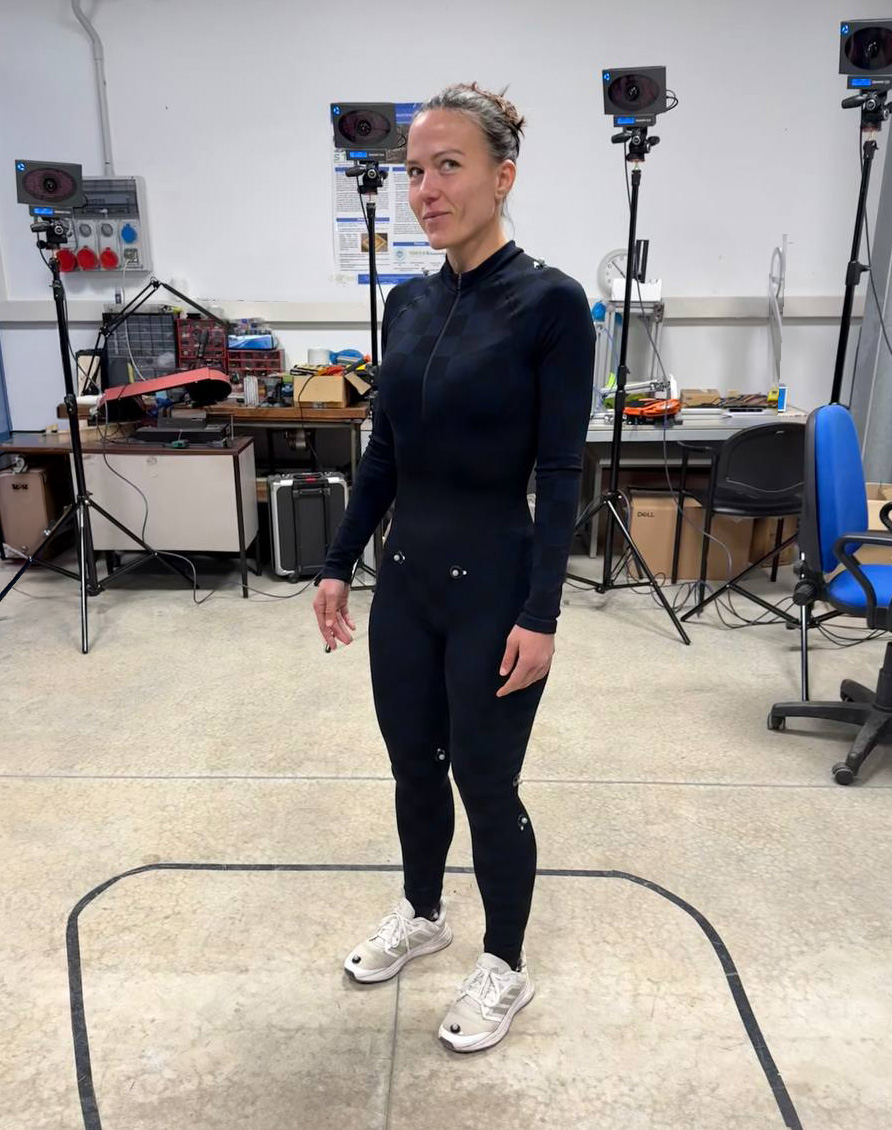
Thanks to these analyses, it is possible to implement targeted training or rehabilitation programs.
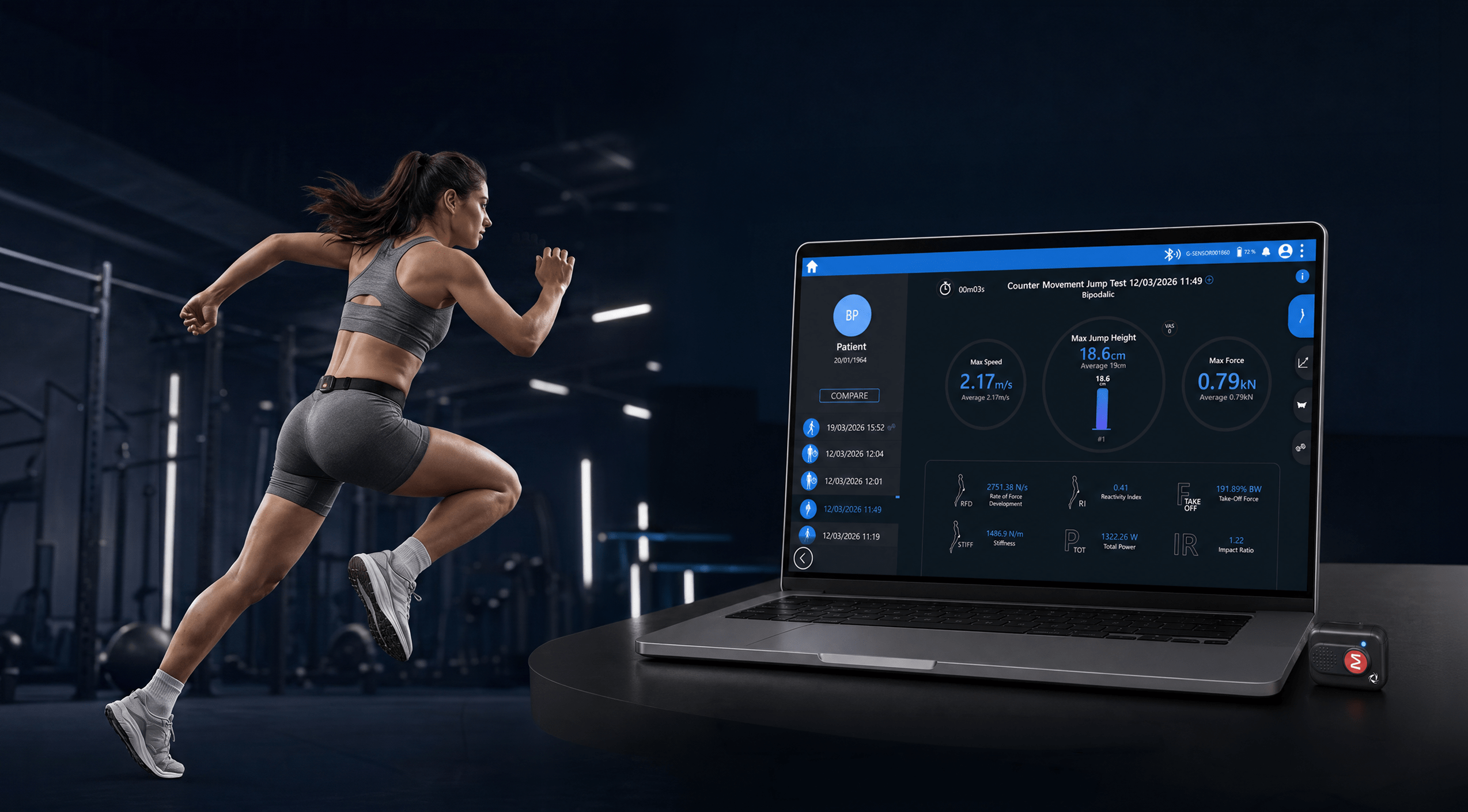
An additional advantage is the ability to monitor over time the evolution of performance or functional recovery after an injury. The collected data enable objective comparisons between different assessment sessions. Furthermore, data visualization also facilitates communication between professionals and users, making the analysis clearer, more precise, and more personalized.
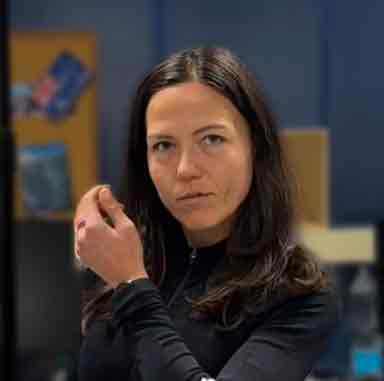
“Thanks to BTS technology, we can transform human movement into objective and measurable data, allowing us to identify injury risk factors and, at the same time, scientifically optimize performance.”
Why BTS?
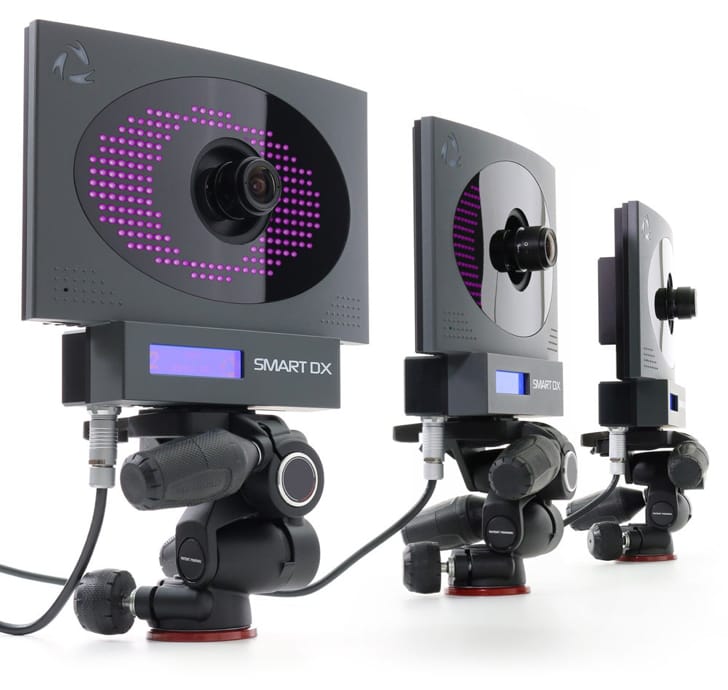
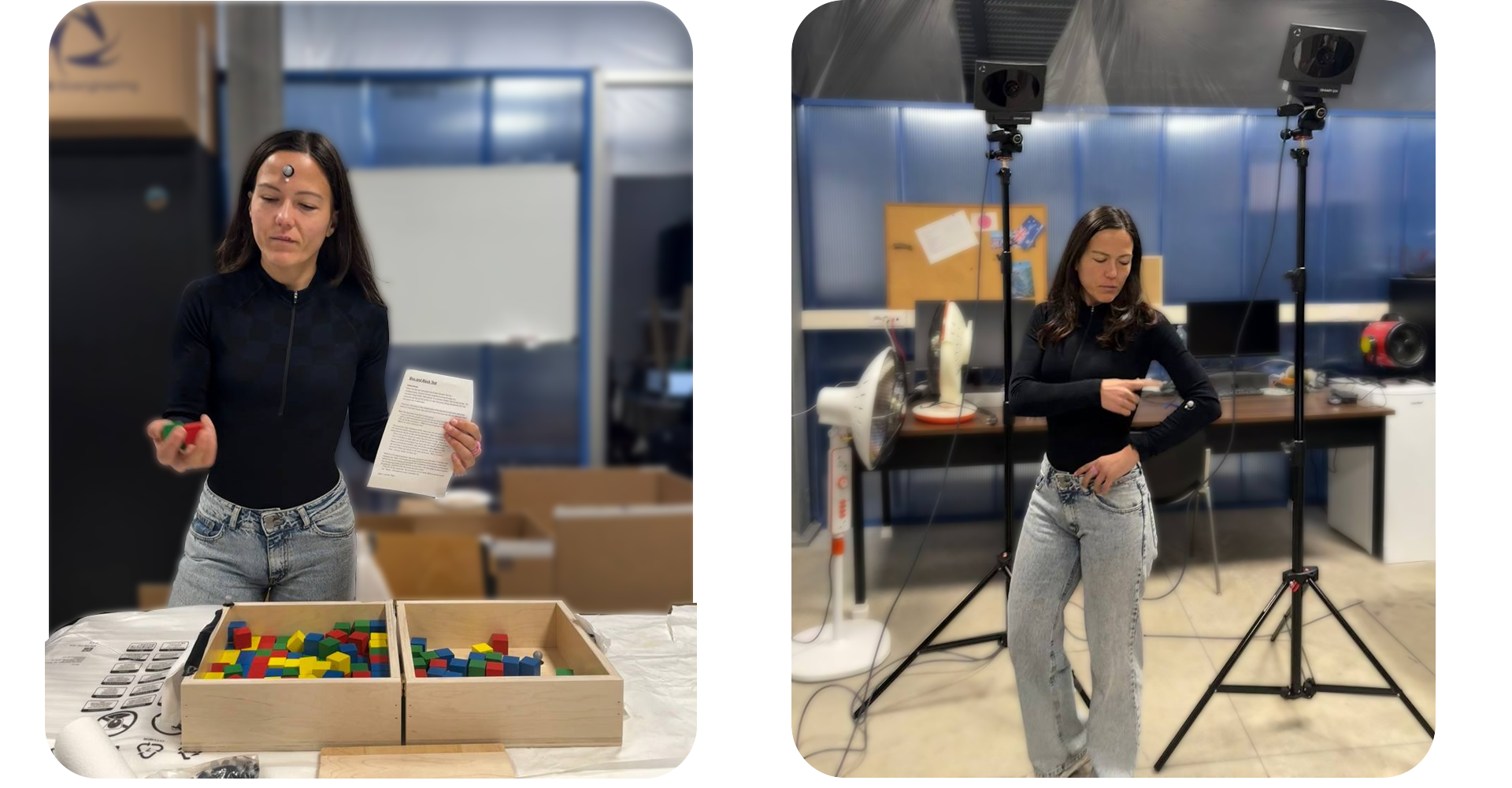
BTS technology was chosen for the high precision of its motion capture systems and for the full integration of kinematic, dynamic, and electromyographic analysis. A key strength of the system is the ability to quickly calibrate the cameras and to perform acquisitions in both markerless and marker-based modes. The modularity of the system allows analyses to be adapted to different contexts, from everyday movement to high-performance sports biomechanics.