
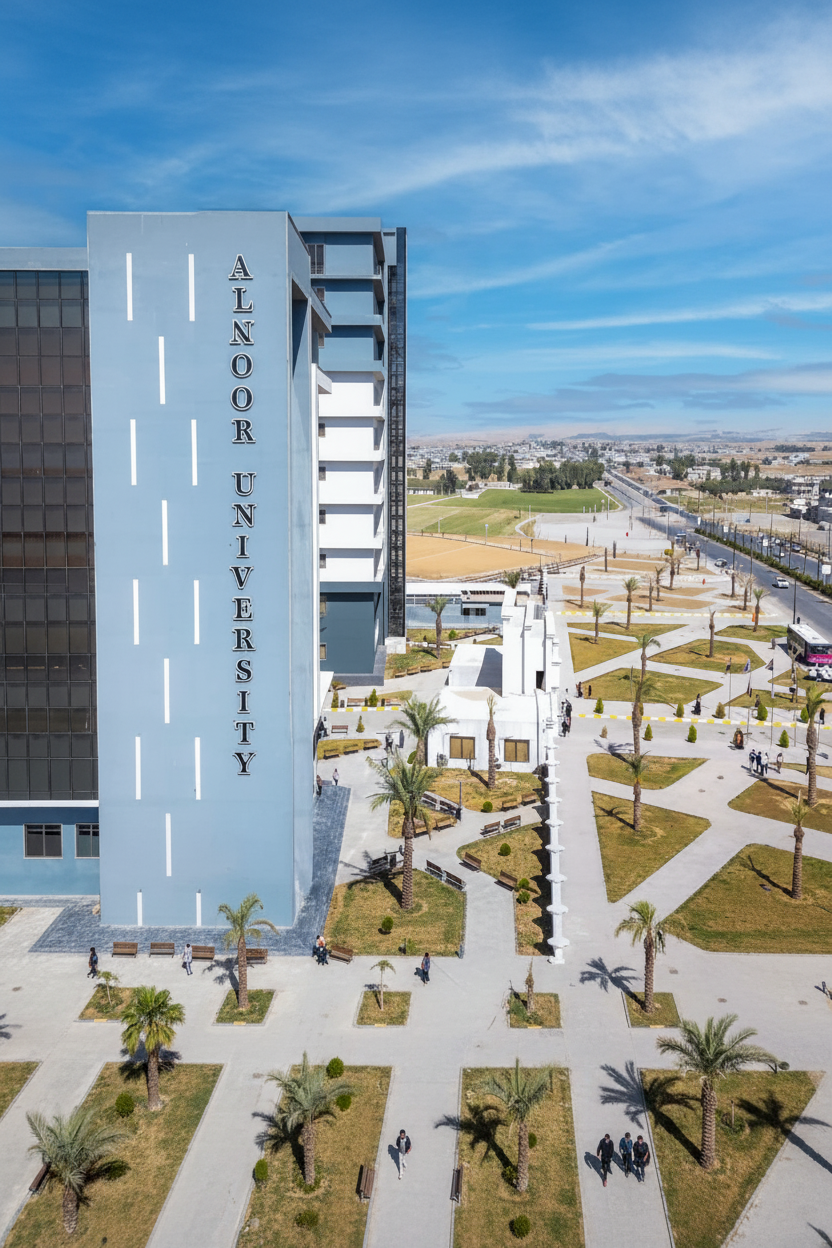
Al-Noor University
Turning human movement into measurable performance data

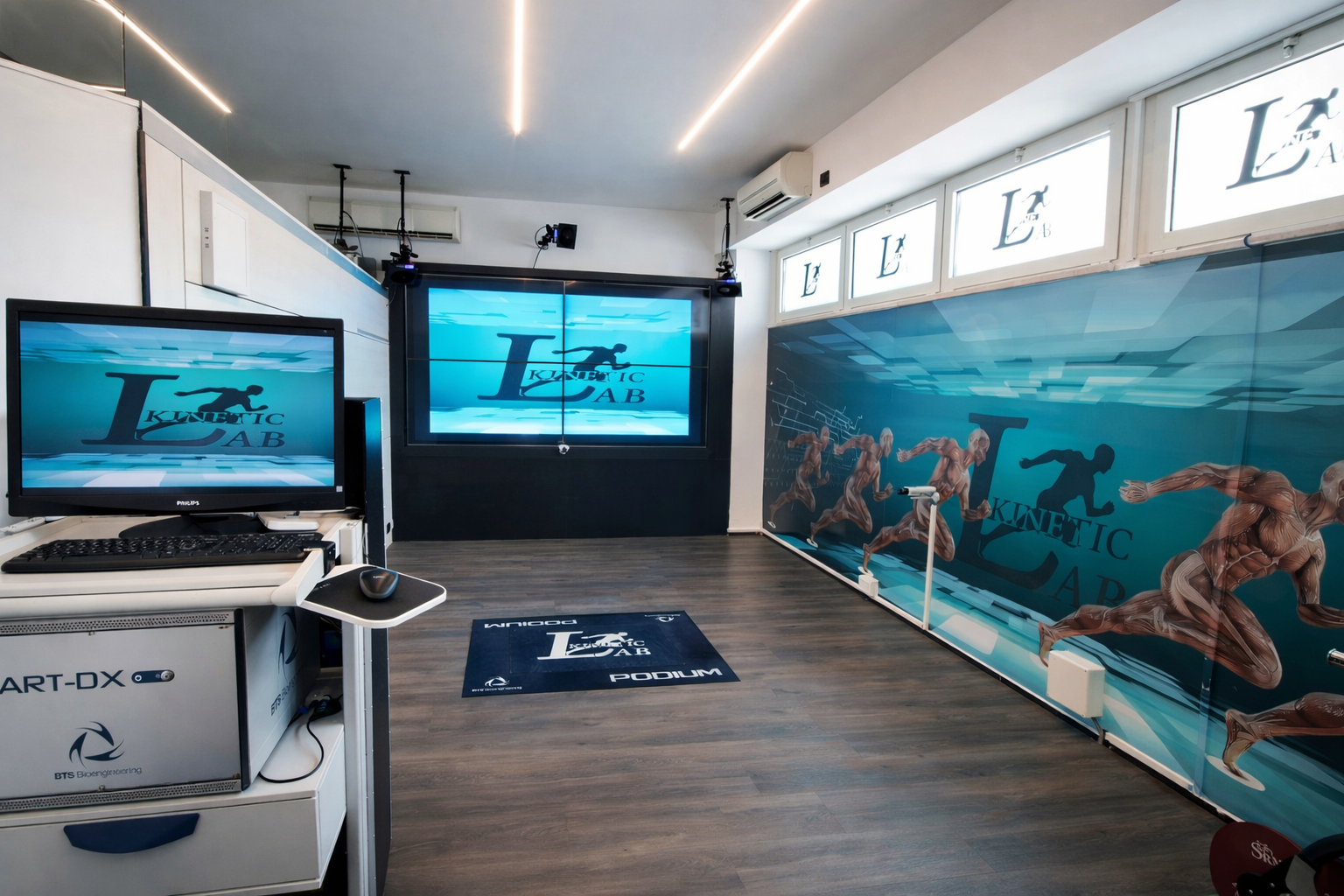
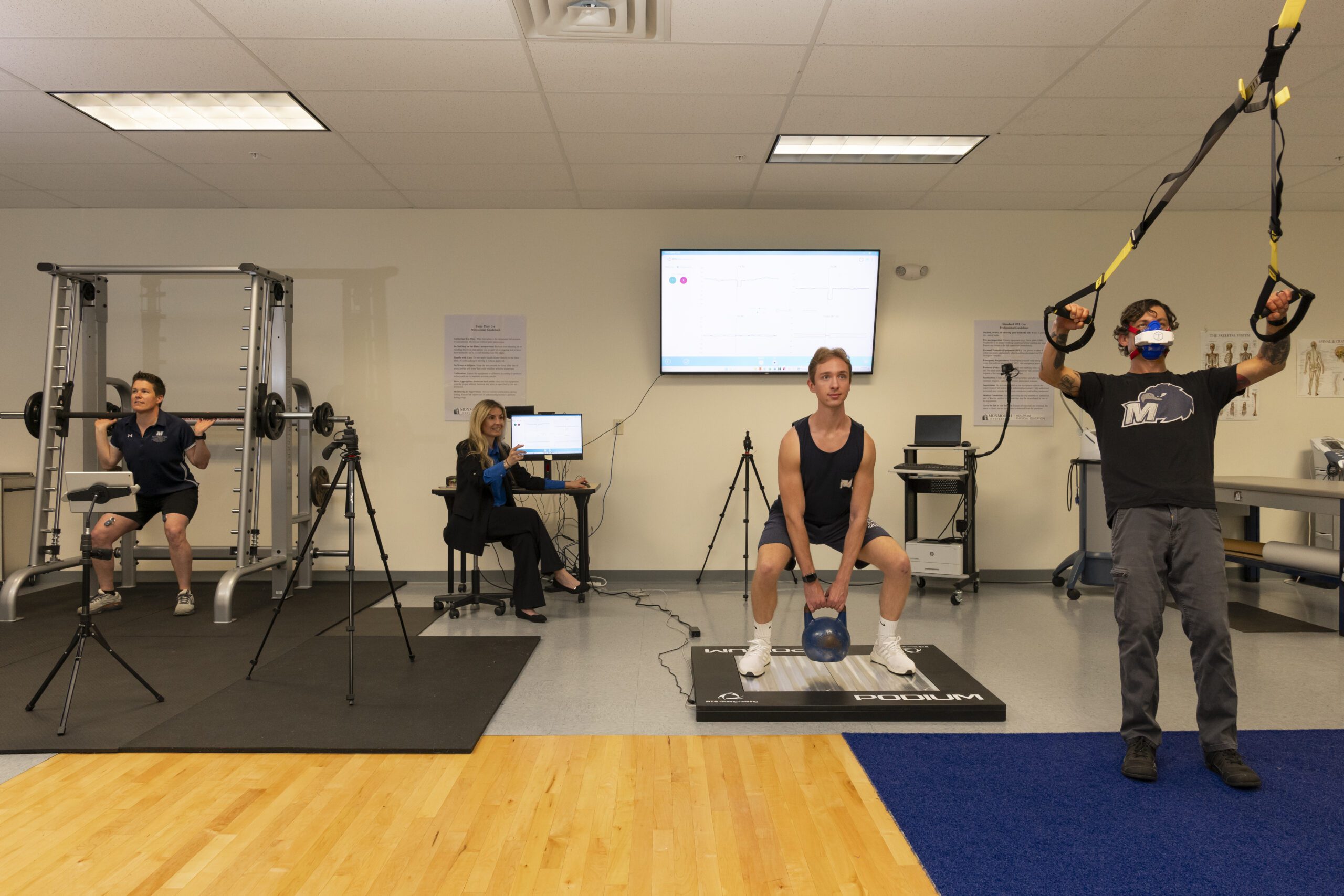
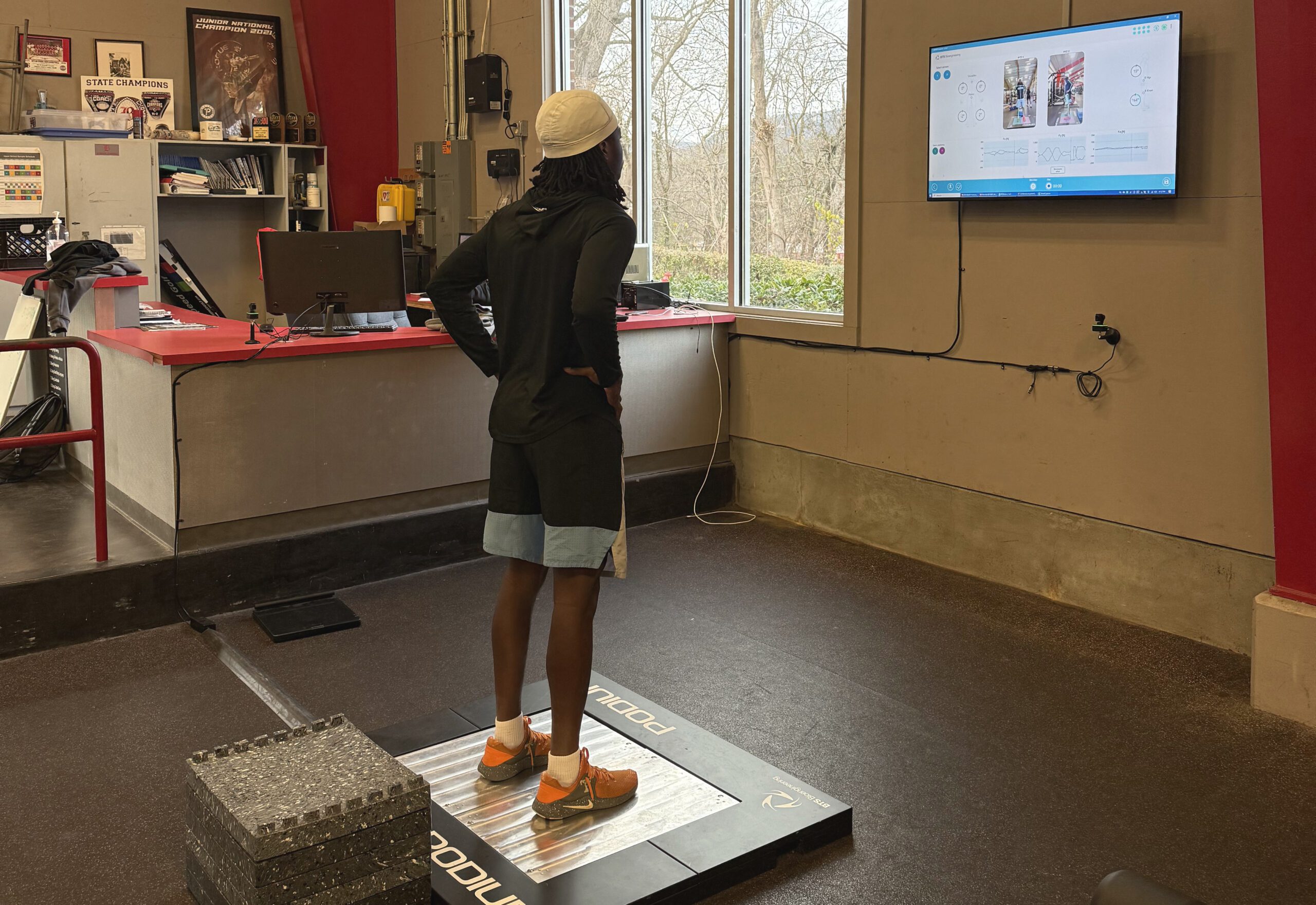
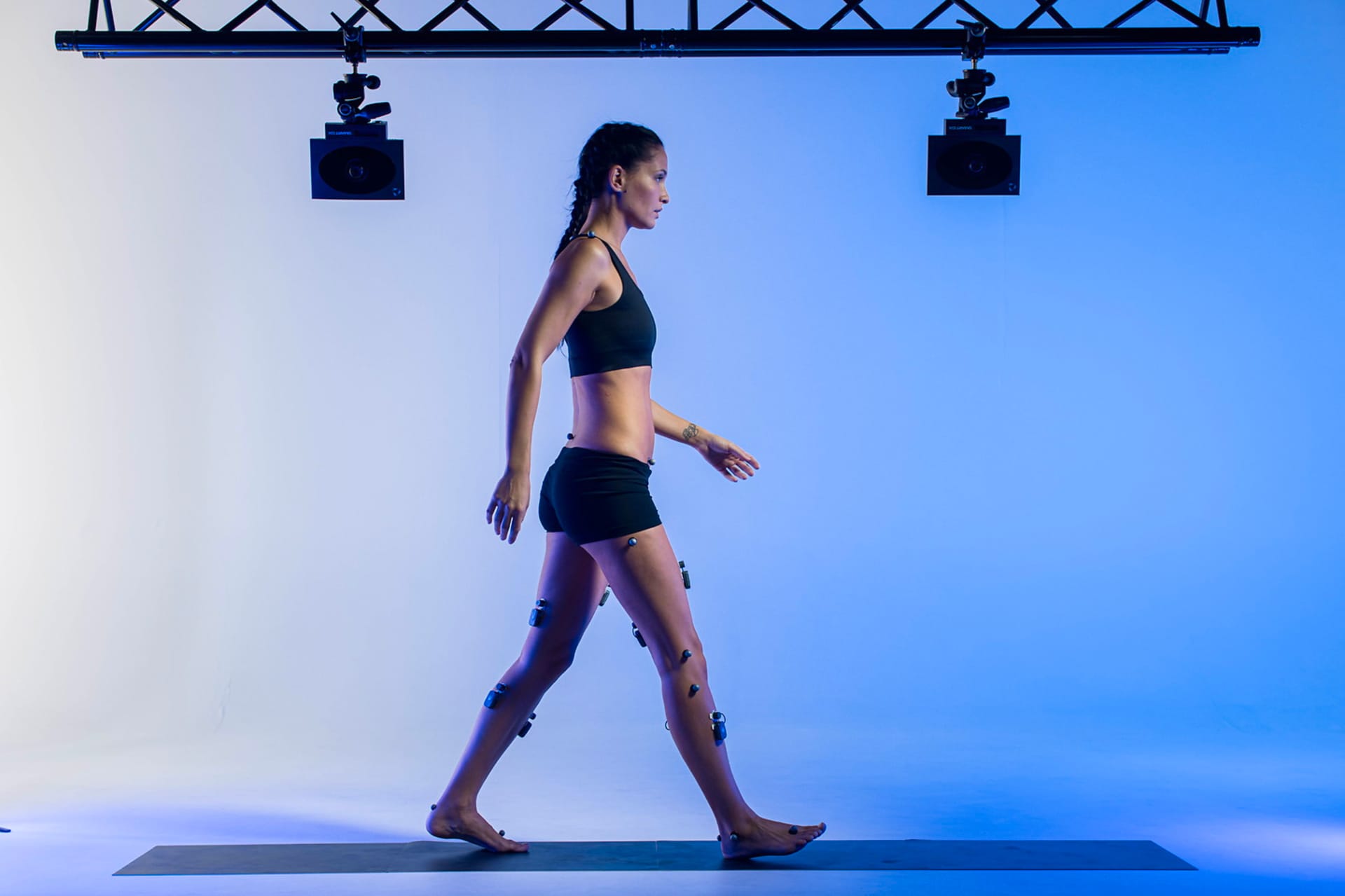
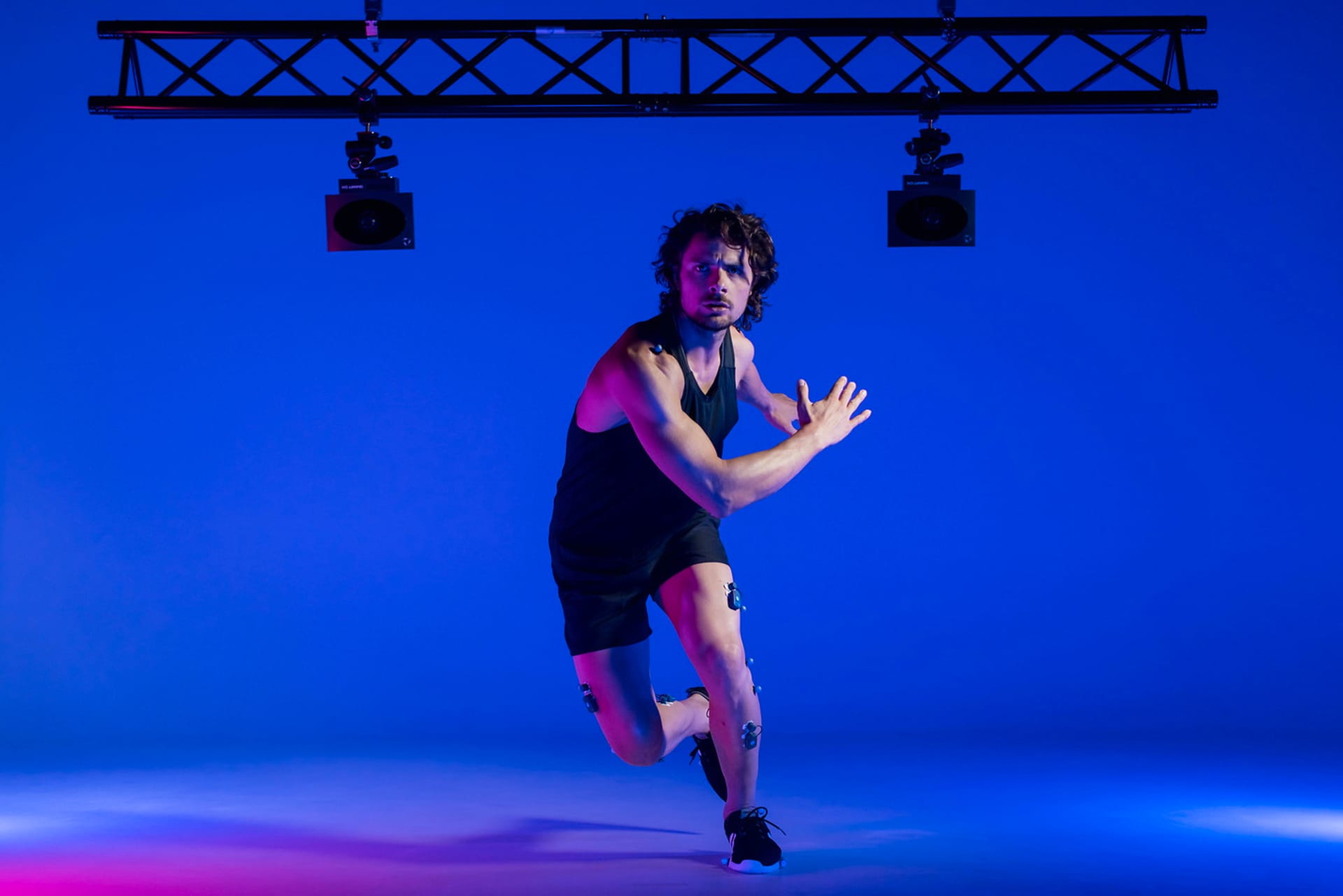
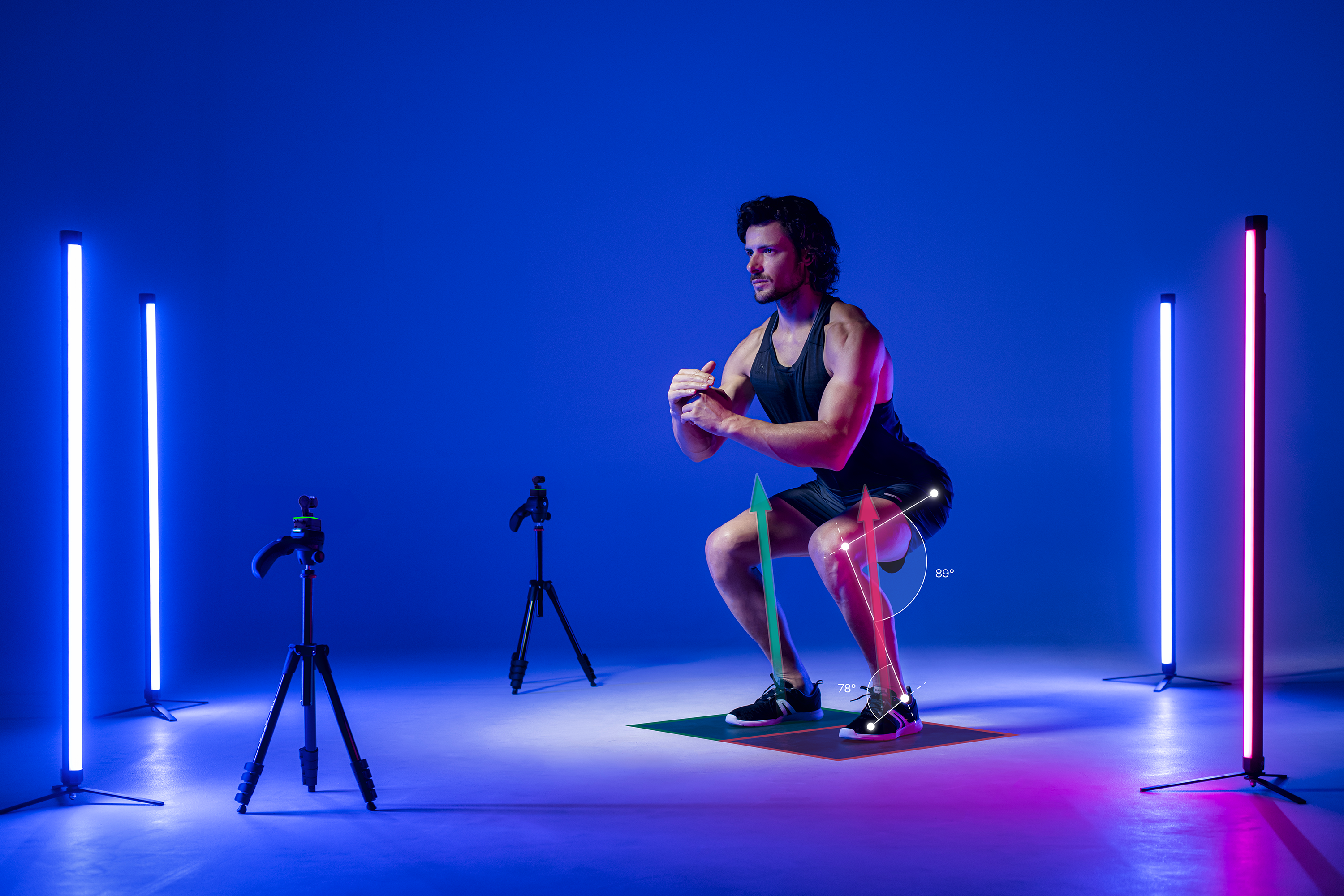
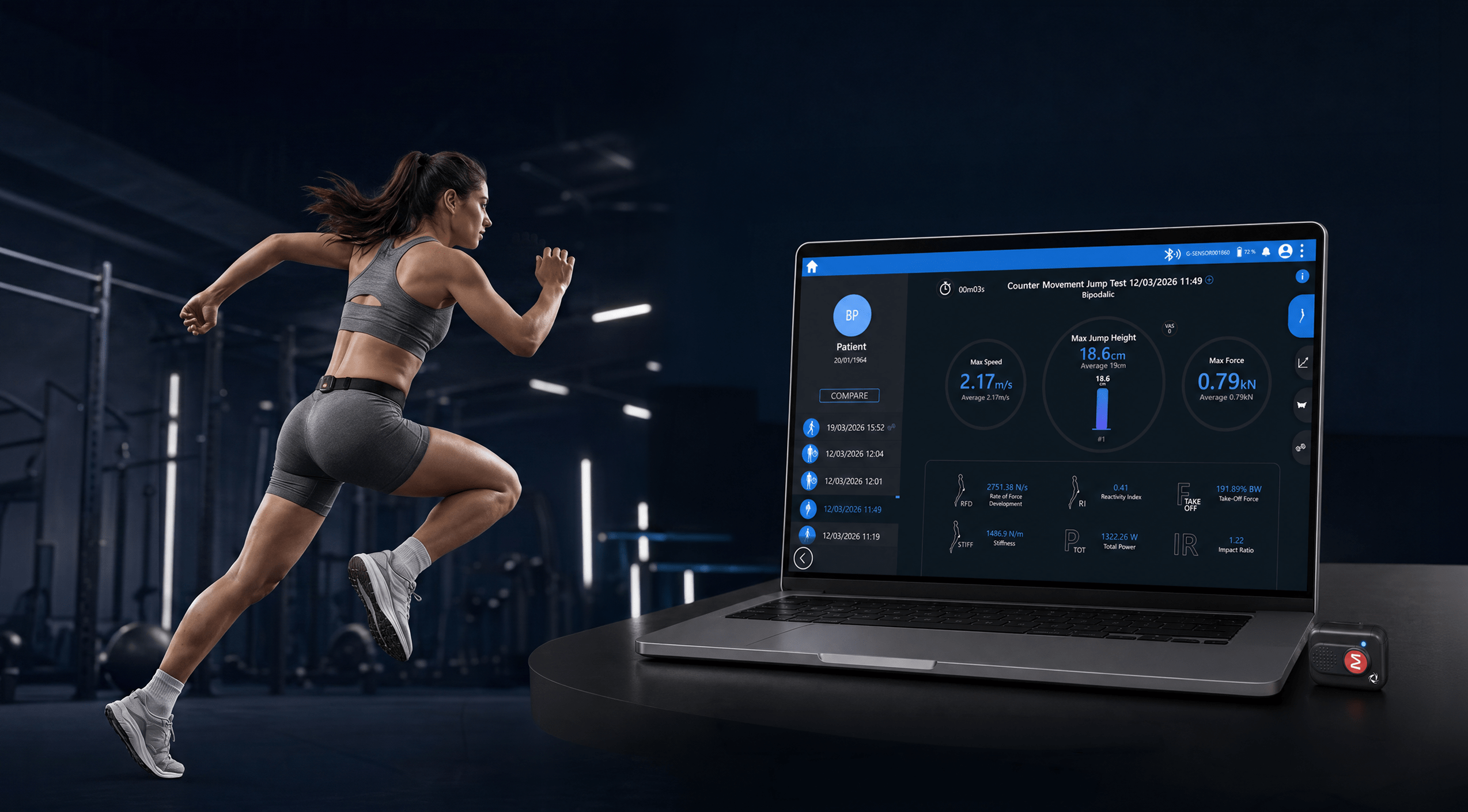
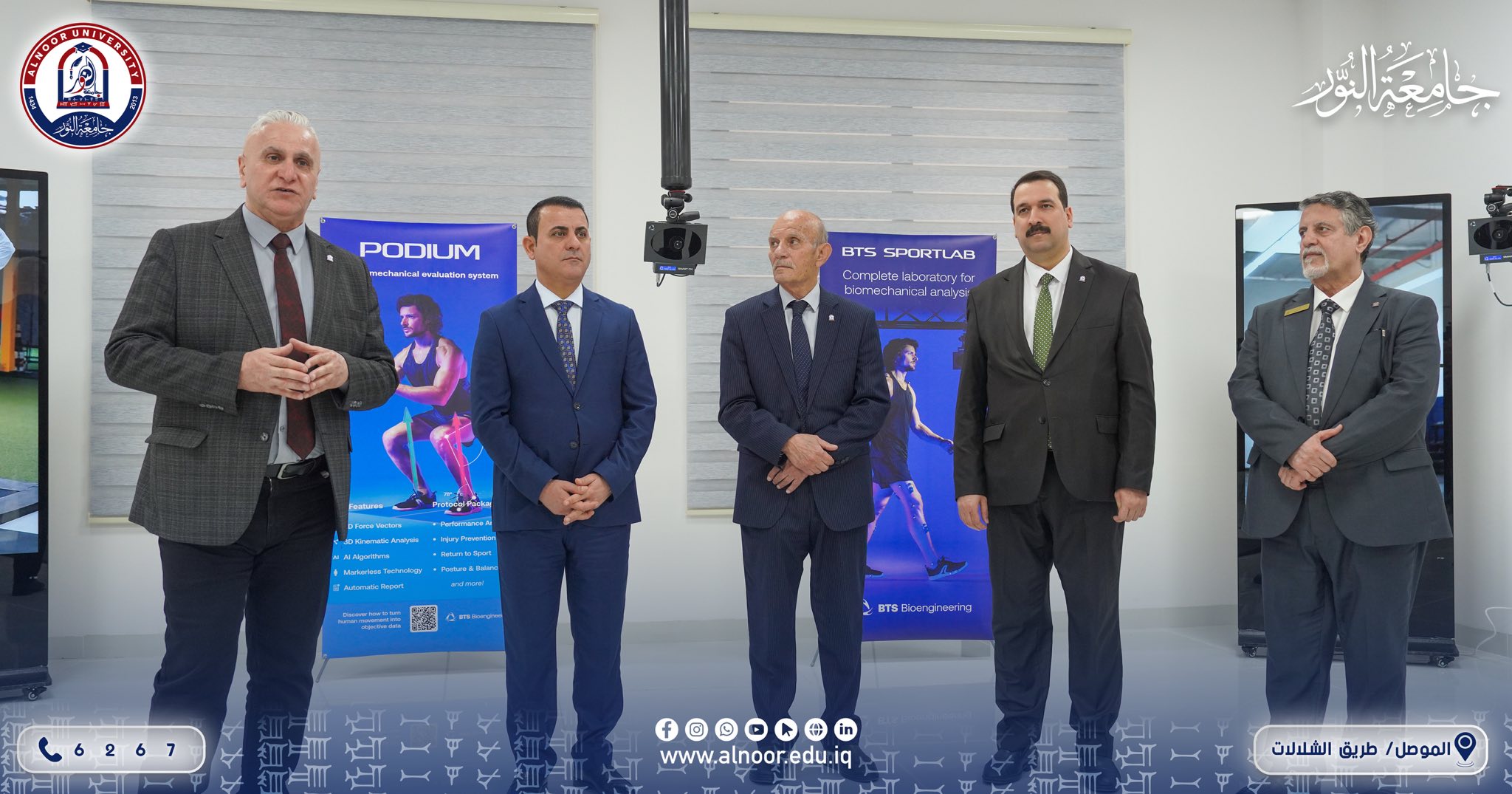
At Al-Noor University, the Department of Physical Education and Sport Sciences has built a biomechanics laboratory powered by BTS SPORTLAB and BAIOBIT. The goal is to convert human movement into precise, measurable data that supports athletic performance, injury prevention, and scientific research.
The laboratory provides students, researchers, coaches, and athletes direct access to objective movement analysis, connecting academic research with practical athletic development.
The objective
The laboratory was designed around three core areas, each addressing a different stage of the athlete’s journey.
The first is biomechanics: analyzing how muscles and joints interact during movement to understand exactly what separates an efficient gesture from an inefficient one, and what optimal performance actually looks like in numbers, not just observation.
The second is injury prevention. By identifying excessive joint stress, asymmetries, or weak points in an athlete’s movement pattern, researchers can intervene before small inefficiencies turn into real injuries, shifting the approach from reacting to problems to anticipating them.
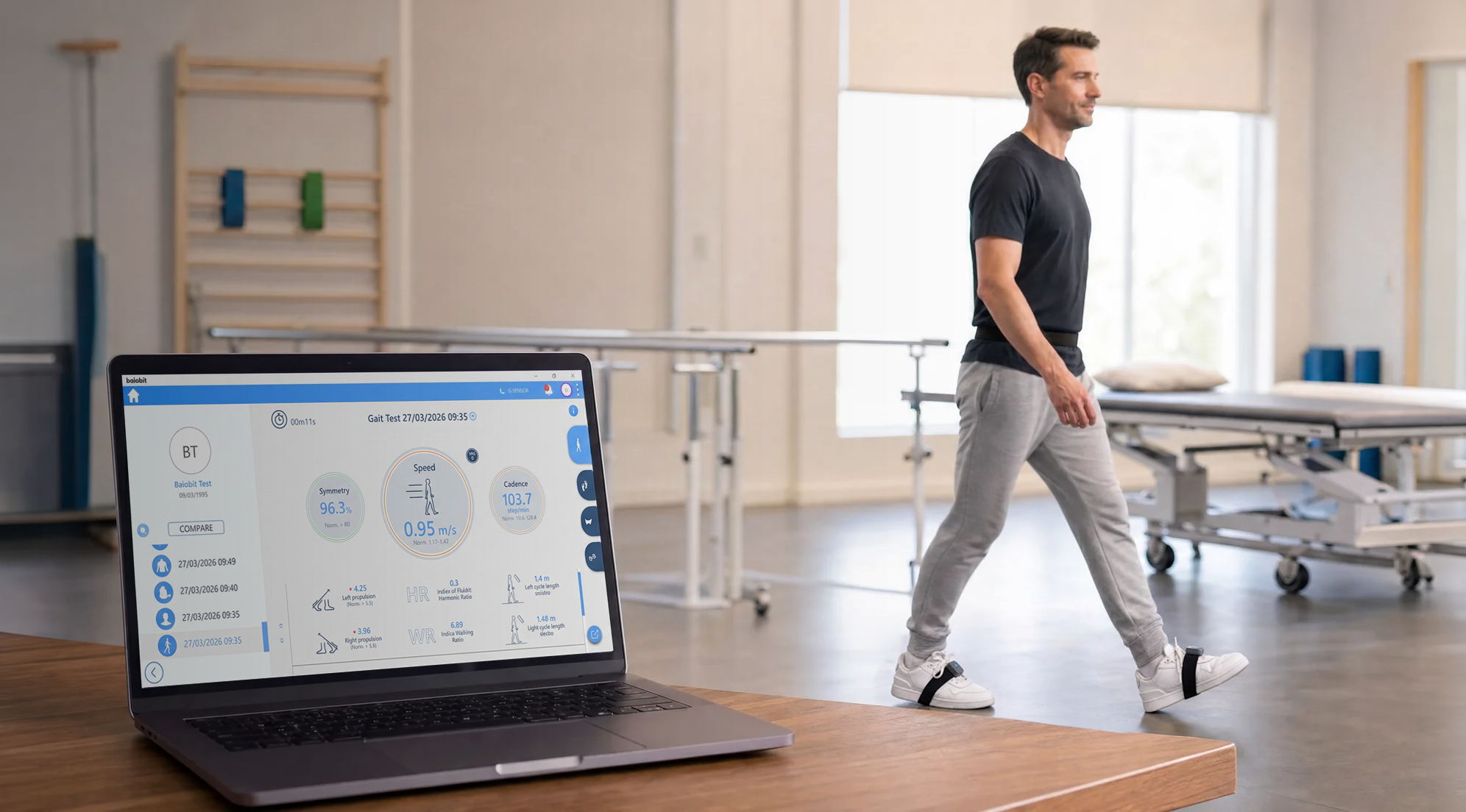
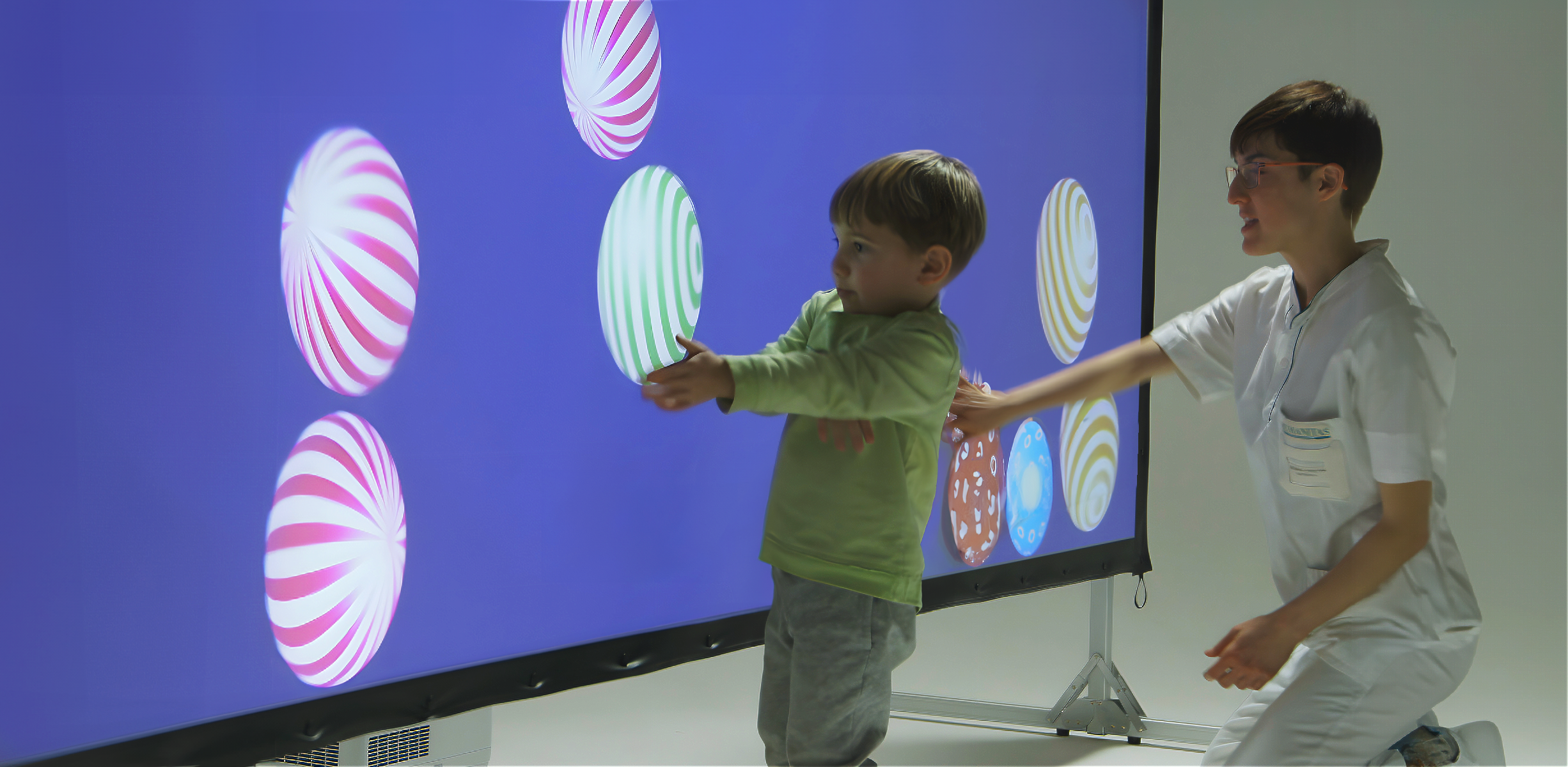
The third is rehabilitation. Once an injury does occur, the same technology is used to monitor an athlete’s recovery step by step, giving clinicians objective markers to confirm that a return to play is not just timely, but genuinely safe.
Together, these three pillars give the department a single framework that follows an athlete from training, through performance analysis, to recovery, with consistent, measurable data at every stage.
Applications across sports
One of the strengths of the laboratory is its flexibility. Rather than being built around a single discipline, the system adapts to the specific movement patterns and demands of each sport, making it a resource for the full range of research and training activities carried out at the university.
In football, the focus is on kicking mechanics, sprint speed, and body balance, three elements that directly influence both performance and injury risk. In athletics, the lab analyzes running and jumping technique, helping athletes refine the efficiency of movements that are repeated thousands of times across a season. In tennis and golf, attention shifts to trunk rotation and limb coordination during the swing, where small mechanical inefficiencies can have an outsized impact on both power and consistency. And in basketball, the system examines jump, take-off, and landing mechanics, key moments where the body absorbs significant load and where injury prevention matters most.
This breadth means the laboratory isn’t a tool for a single team or department, it’s infrastructure that supports researchers, coaches, and athletes across the university’s entire sporting program.

“On behalf of the Department of Physical Education and Sport Sciences at Al-Noor University, I am proud to integrate the advanced technologies of BTS Bioengineering into our laboratory. This achievement enables us to transform human movement into precise, measurable data, enhancing injury prevention, optimizing athletic performance, and advancing scientific research in line with international standards.”
Why BTS Bioengineering technologies
The choice came down to four factors:
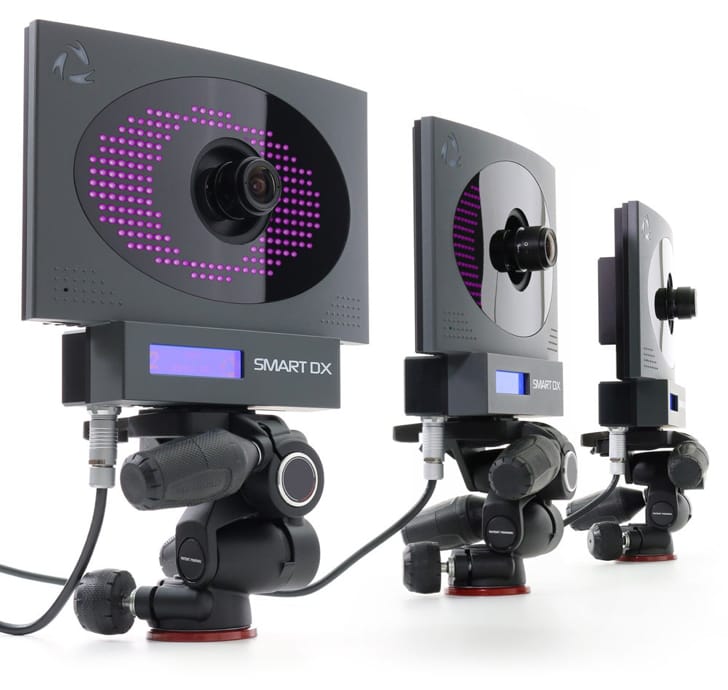
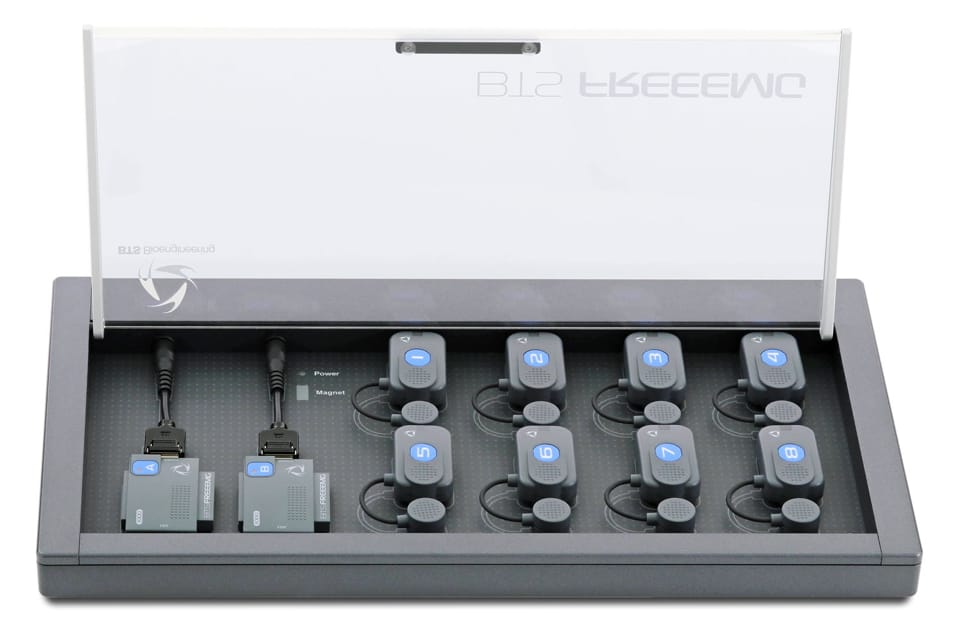
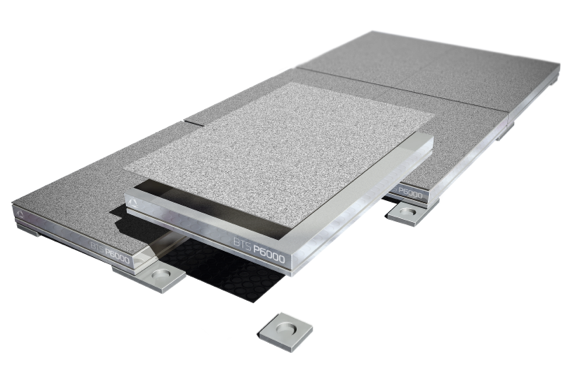
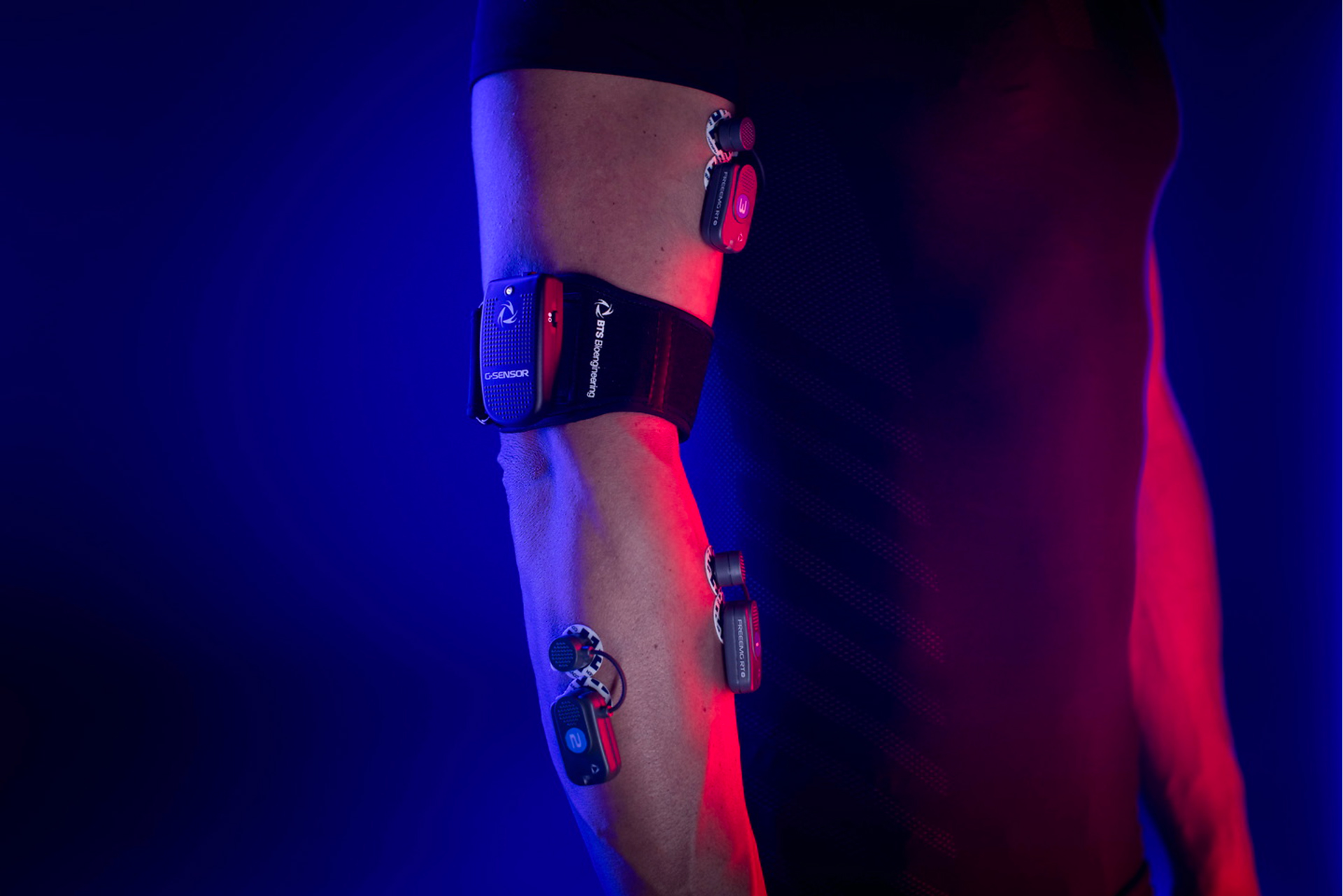
• Integration: SPORTLAB combines thermal imaging, force platforms, and wireless EMG sensors into one user-friendly platform, instead of juggling separate systems.
• Scientific reliability: BTS technology is medically and scientifically certified, giving researchers and physicians a trusted reference.
• Speed: real-time reporting lets coaches and athletes spot and correct errors immediately.
• Accuracy: lightweight sensors don’t interfere with natural movement, so laboratory reflects what actually happens on the field or track.
With BTS SPORTLAB and BAIOBIT now part of its laboratory, Al-Noor University strengthens its position in sports science and biomechanics research, combining education, research, and technology to keep advancing how movement is understood, measured, and improved.