Human Performance Lab at Monmouth University
Bridging Theory and Practice
Inside Monmouth University’s New Human Performance Lab
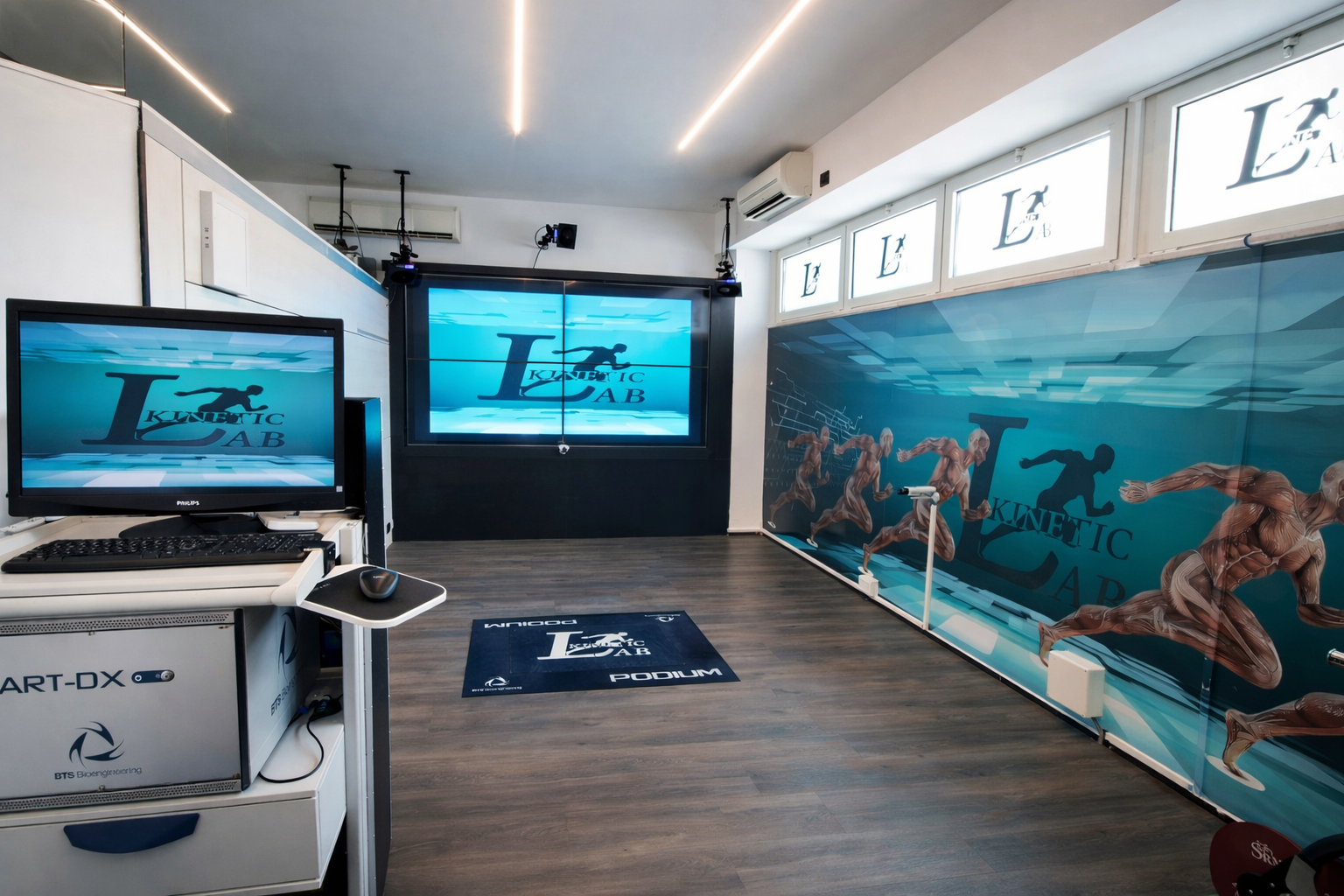
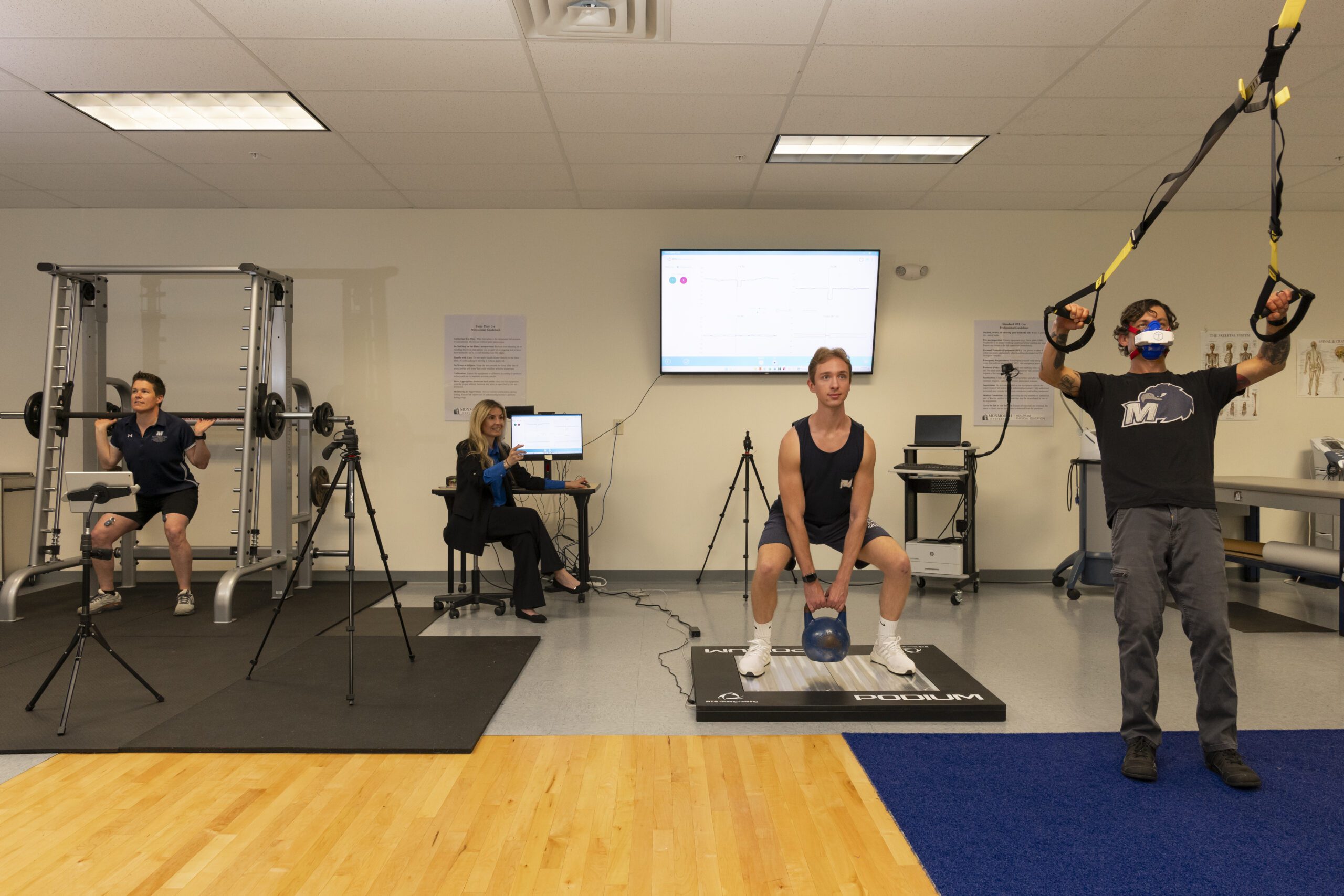
The Human Performance Lab (HPL) at Monmouth University serves as a dynamic teaching, research, and applied learning environment for undergraduate students in the health science major within the Department of Health and Physical Education.
The HPL lab, inaugurated in 2023, is designed to bridge theory and practice by providing students with hands-on experience using advanced biomechanical and neuromuscular technologies that are encountered in professional or research settings.
Through structured laboratory sessions, independent projects, and student-led research, alumni learn how to collect, analyze, and interpret human movement data in applied real-world contexts.
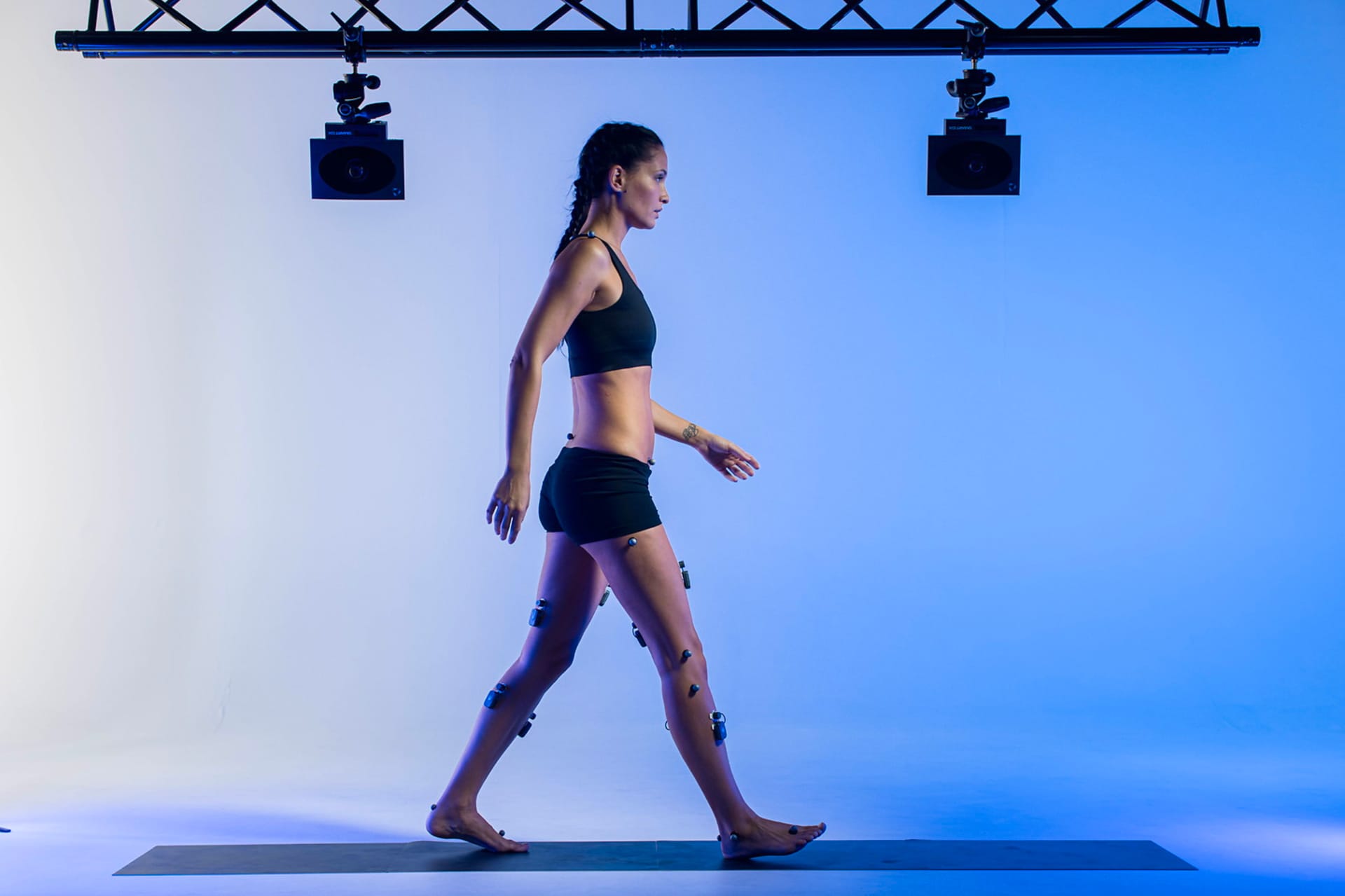
BTS technologies are now woven into the rhythm of the course curriculum. In laboratory classes, students develop an active and experiential learning understanding of motion analysis, collect their own kinetic data, and interpret electromyography patterns under different exercise conditions.

One of the primary challenges in teaching exercise science courses, such as biomechanics, exercise testing, or exercise physiology, is helping students move beyond foundational theoretical principals mechanics into applied sports and exercise settings. Faculty at the department sought to pursue and create practical education that emphasizes experiential learning while preparing students with professional and graduate school competencies.
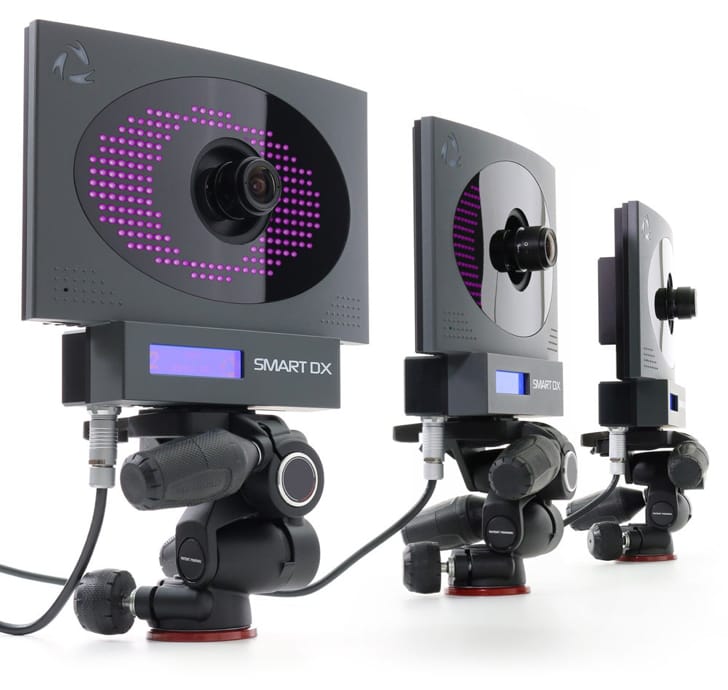
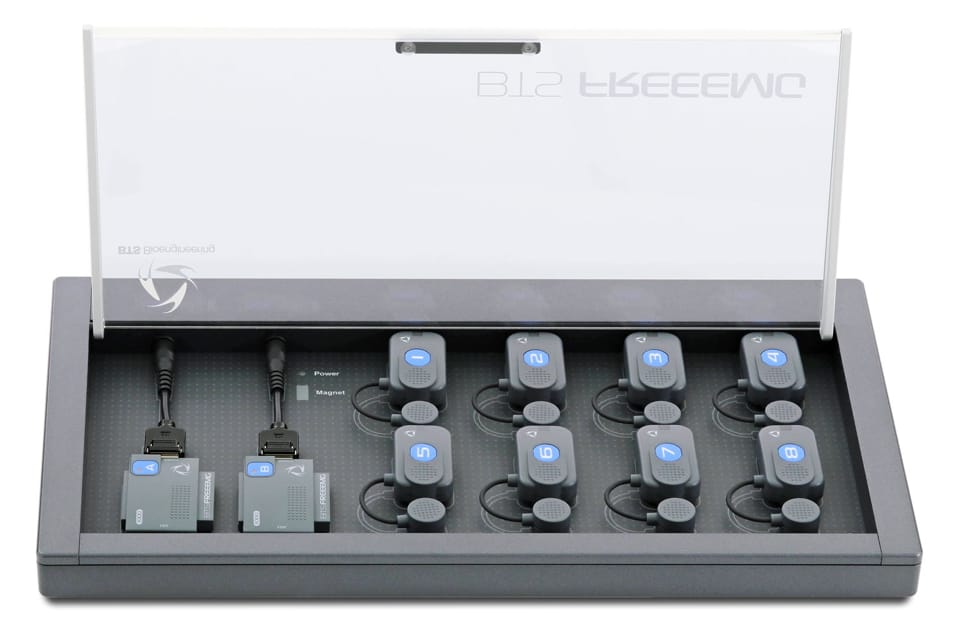
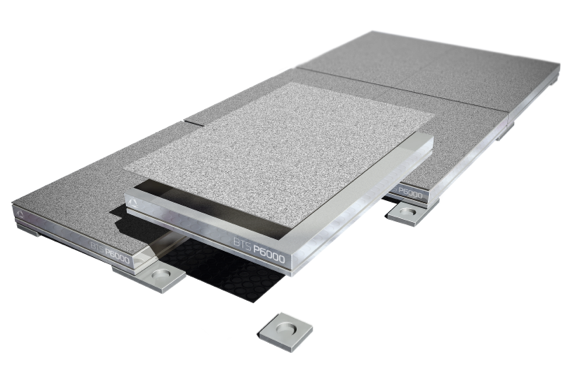
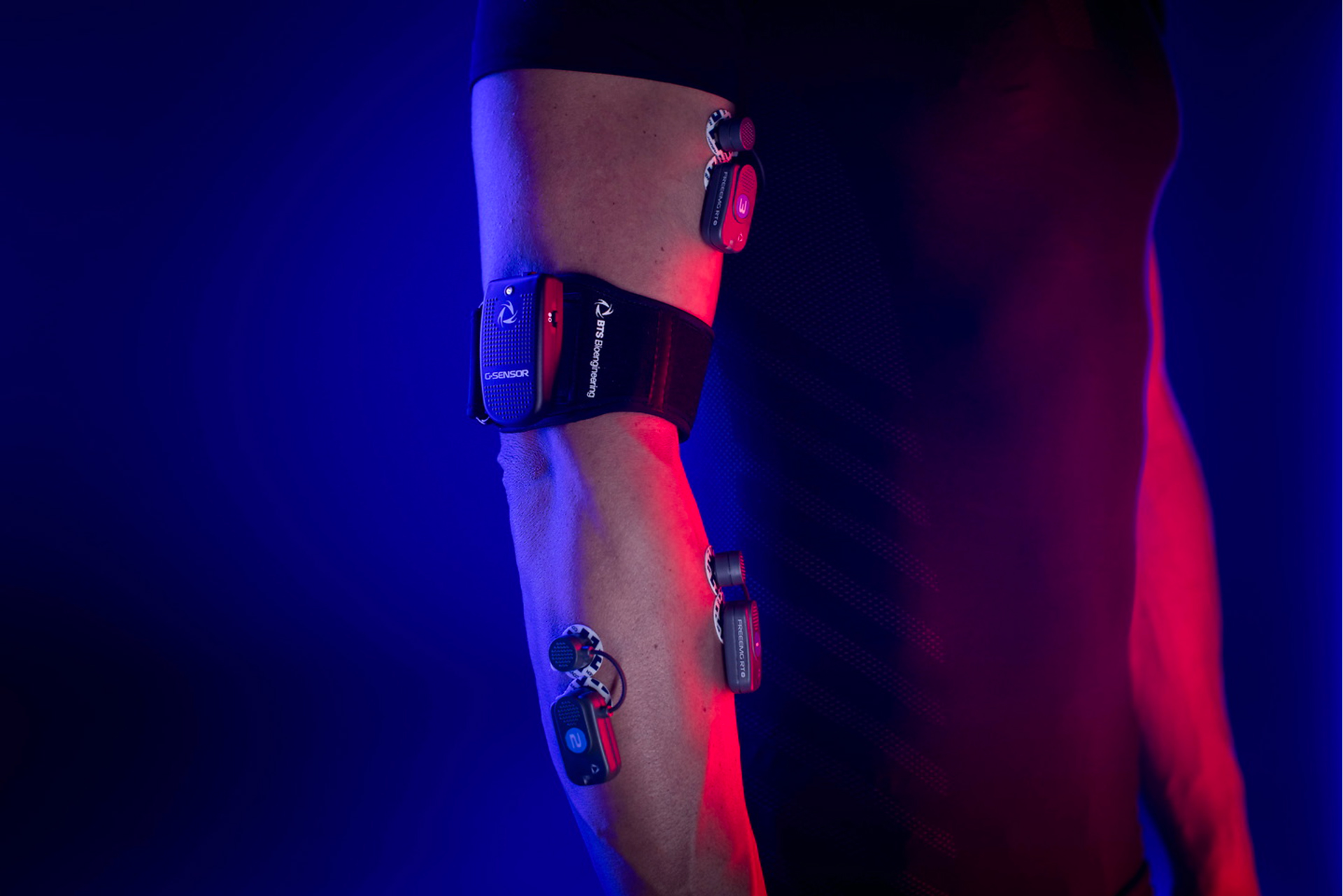
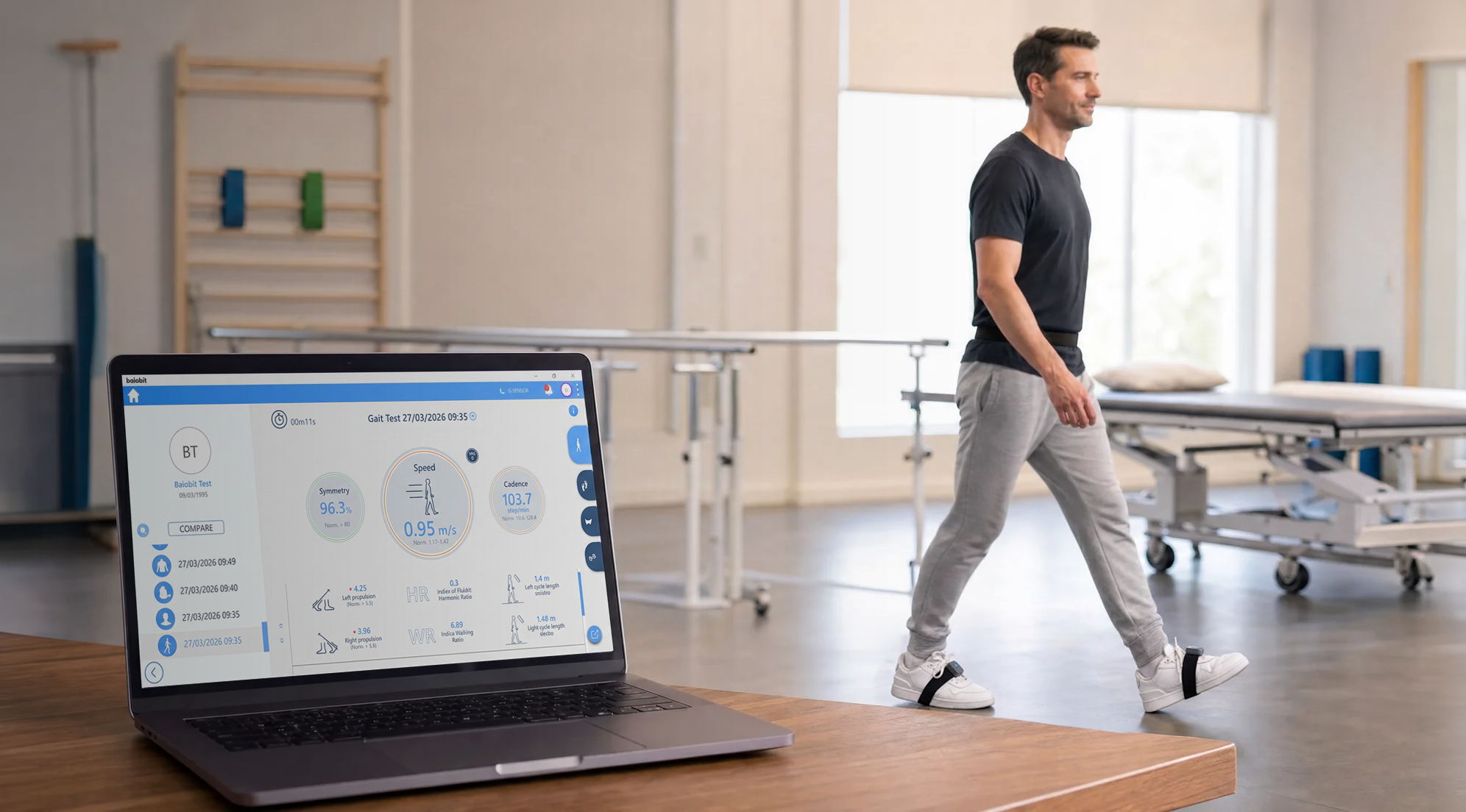
To achieve both educational and research goals with the highest reliability and seamless data integration, we selected BTS Bioengineering technologies, including the BAIOBIT system, FREEEMG and PODIUM system. BTS Bioengineering technologies were chosen for their reliability, precision, and ability to integrate multiple biomechanical measures within a single platform. Also, their customer service, training, and protocol updates were another consideration that distinguished them as the highest quality and application.
All technologies are used across movement-based courses and research initiatives hosted in the HPL. For instance, in a biomechanics course led by Dr. Jamie Pigman, students complete laboratory assignments and final projects involving synchronized kinetic, kinematic, and electromyographic data collection. Students are actively involved in data collection, processing, and interpretation under faculty supervision highlights Dr. Pigman, assistant professor in the department of Health and Physical Education.
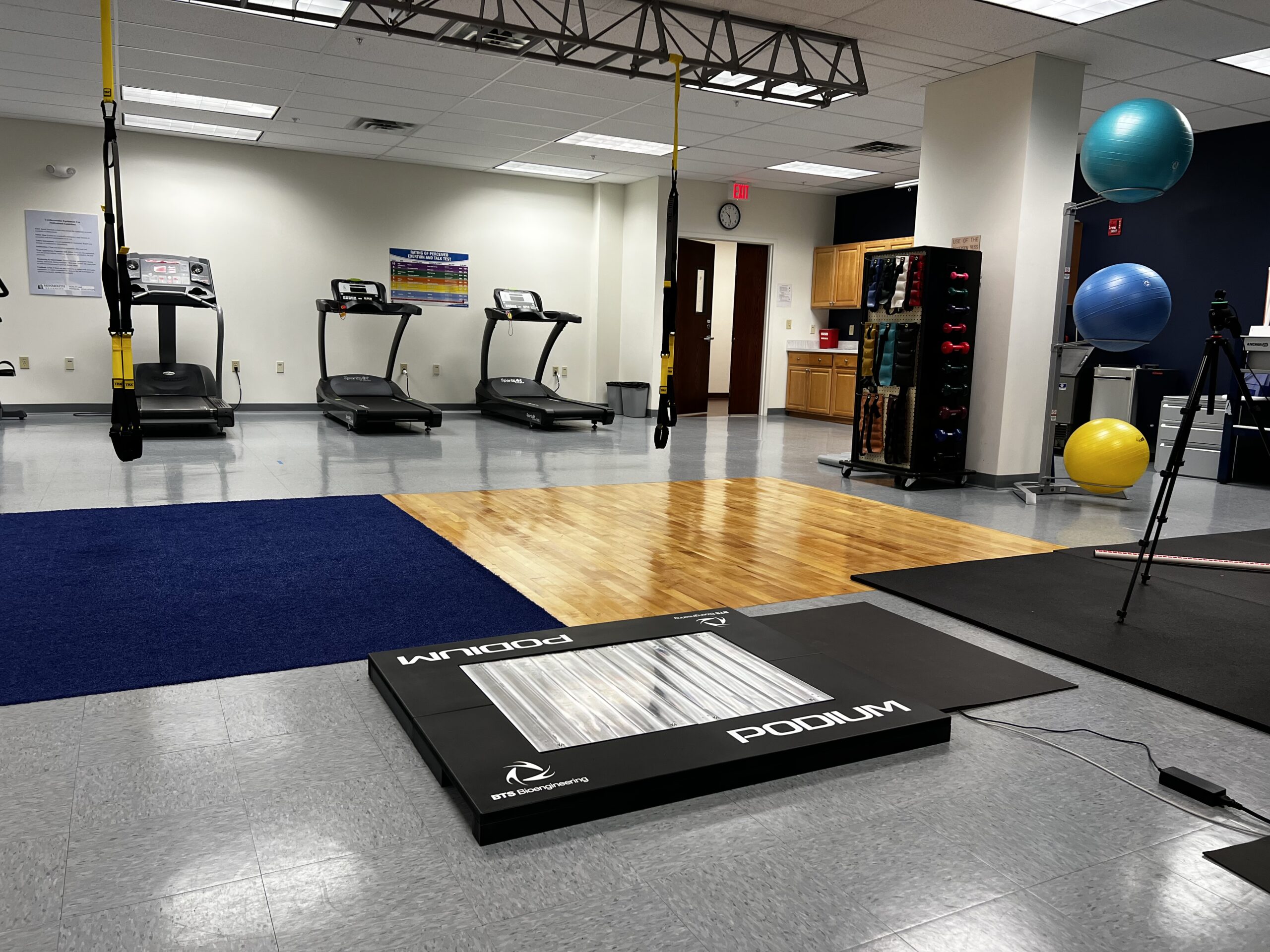
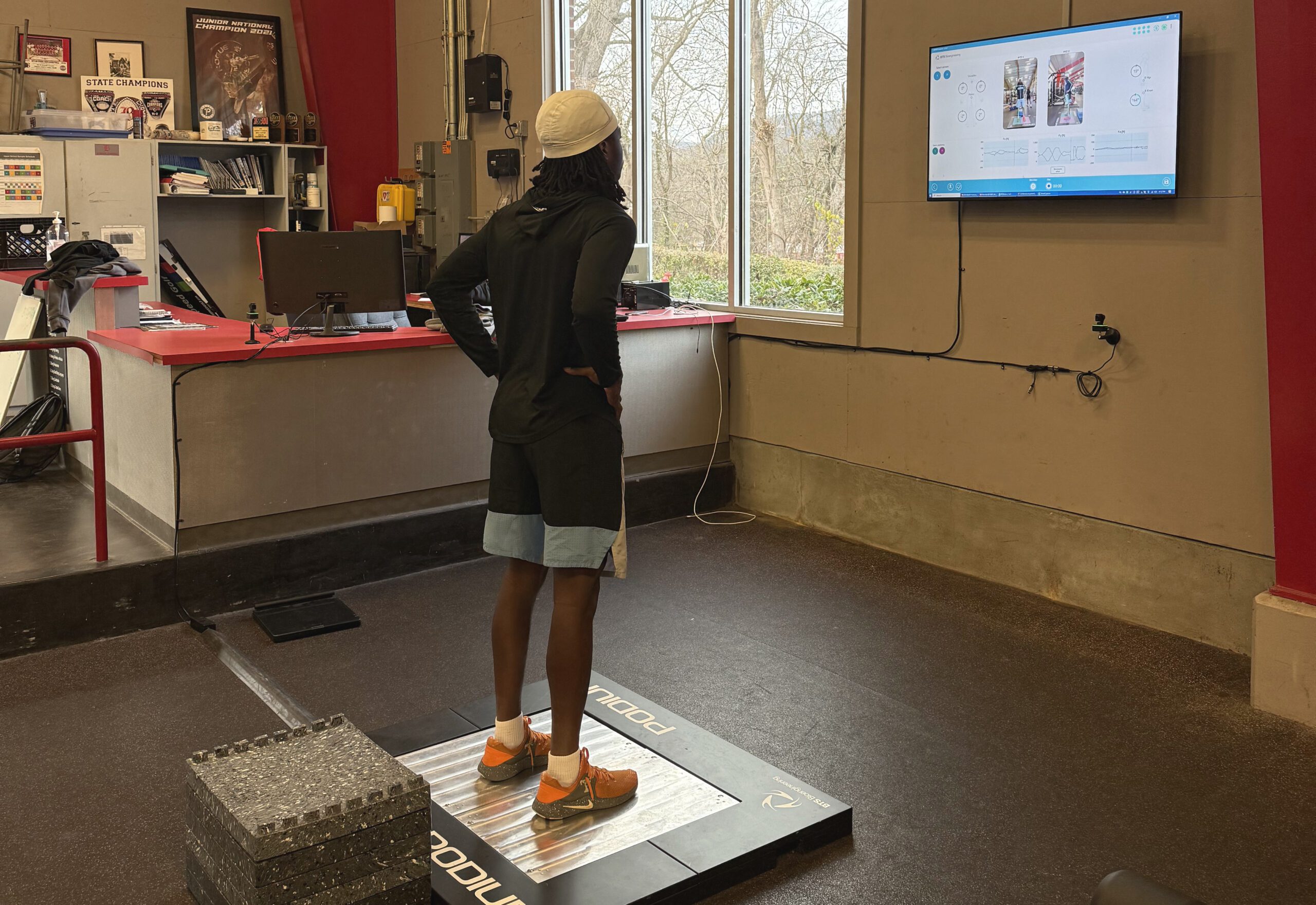
The impact of the technologies extends beyond coursework into ongoing faculty-led research. Motion capture analysis and force plate technologies are also currently being used in Dr. Pigman’s ongoing research study examining the kinetic and kinematic differences between kettlebell swing techniques, where participants perform movements on dual force plates while motion capture and video data are recorded simultaneously.


“the synchronization of force plates, motion capture, and EMG allows students to visualize movement patterns and force production seamlessly in real-time in a manner that was previously difficult to convey in the traditional lecture class.”
As a result, the lab has quickly become a hub for experiential learning, student-led inquiry, and collaborative research. At Monmouth, we have created a learning environment where curiosity in exercise science meets capability.