PUCRS: From Vision to Reality
A Biomechanics Laboratory Step by Step
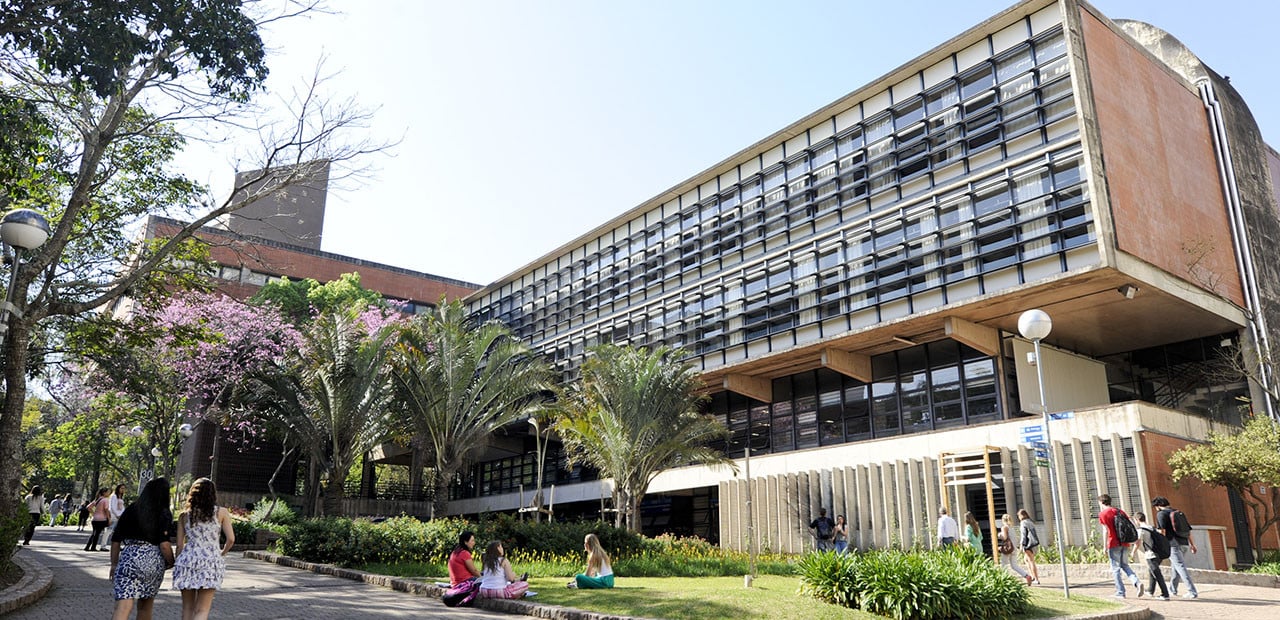
Pontifical Catholic University of Rio Grande do Sul (PUCRS)
The Pontifícia Universidade Católica do Rio Grande do Sul (PUCRS) is one of Brazil’s leading academic and research institutions, recognized for excellence in health, engineering, and applied sciences. Within this context, Professor Rafael Baptista, PhD in Biomechanics, spearheaded the creation of a state-of-the-art laboratory dedicated to the study of human movement.
The Beginning of the Project
In 2015, Professor Baptista came into contact with BTS Bioengineering, a company specialized in biomechanics solutions. From that moment, the idea of developing a laboratory with a modular approach began to take shape, starting with essential tools and progressively expanding.
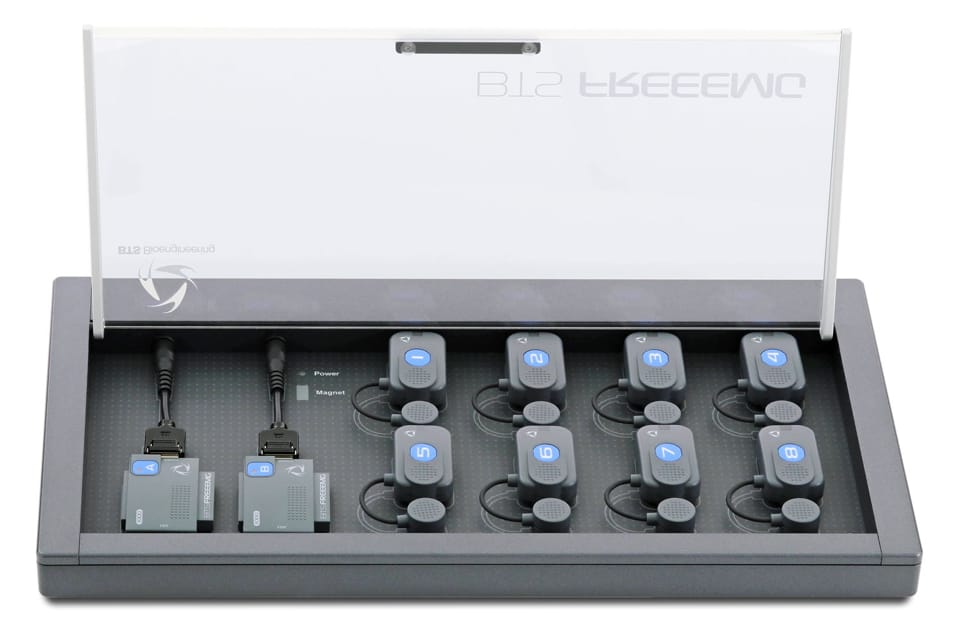
“Cristian Zaniboni, sales manager of Kinetec, the official distributor of BTS Bioengineering in Brazil, explained to me that it was possible to start small. With every research grant I won, I allocated resources to purchase an electromyograph, an inertial sensor, or a force platform.”
— Prof. Rafael Baptista
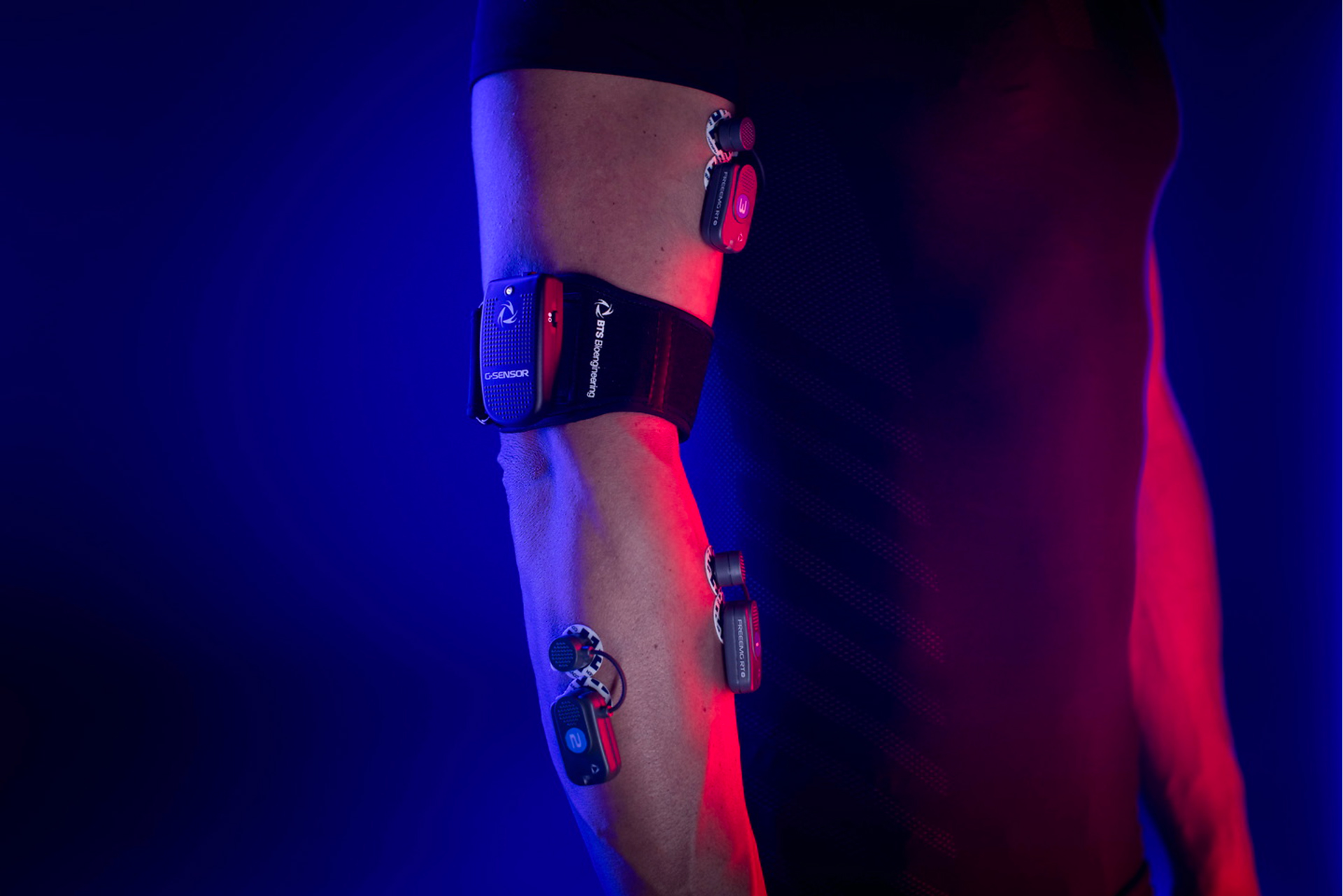
This gradual growth strategy allowed the creation of an integrated and functional structure, capable of meeting research needs with tools that communicate with each other through a common software.
Planning and Collaboration
The project gained strength thanks to a phased development plan, supported by a physical-financial schedule and solid scientific and pedagogical motivations. Interdisciplinary collaborations within the university, combined with institutional support, made it possible for the laboratory to evolve in a structured and sustainable way
Evolution of Infrastructure
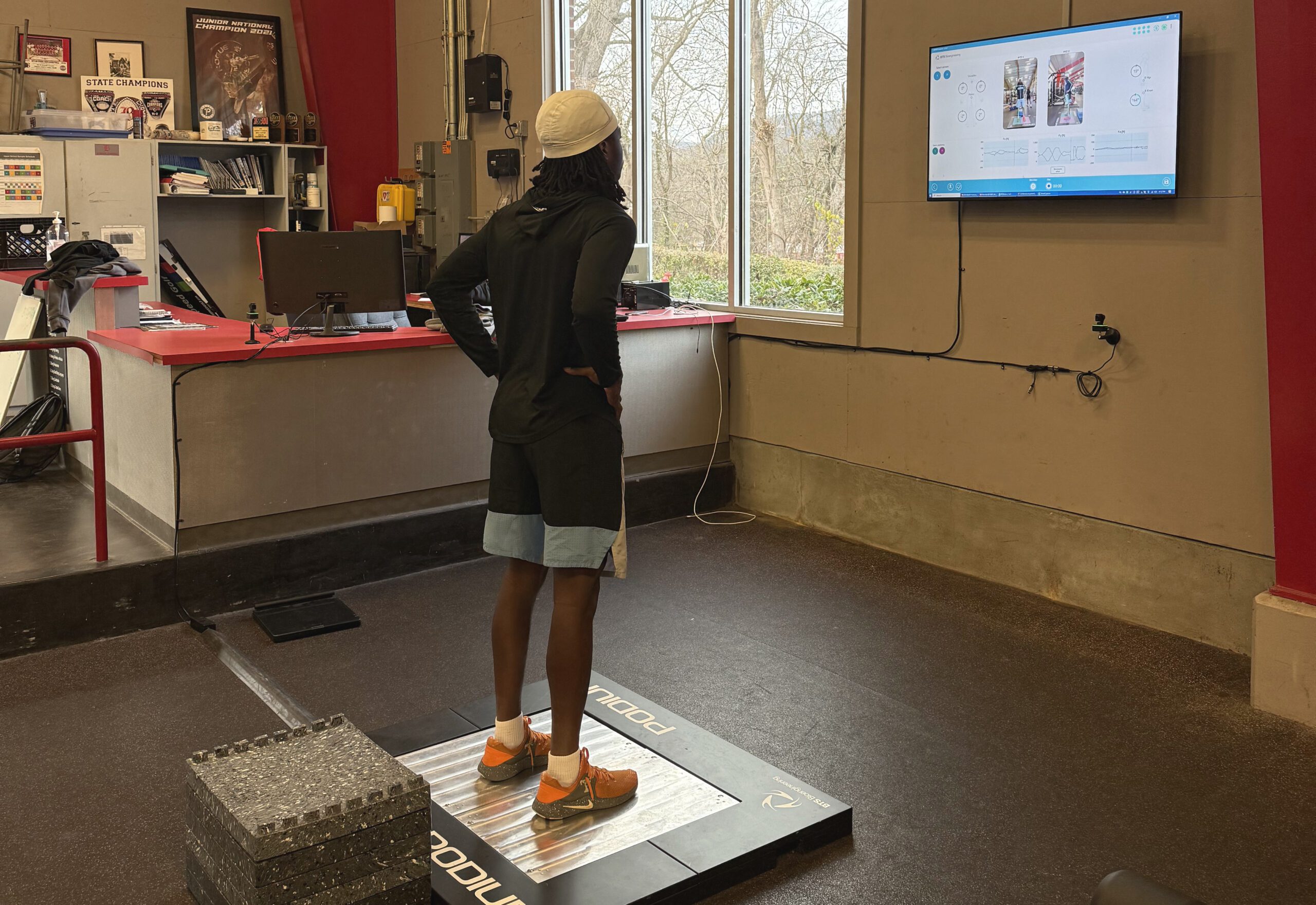
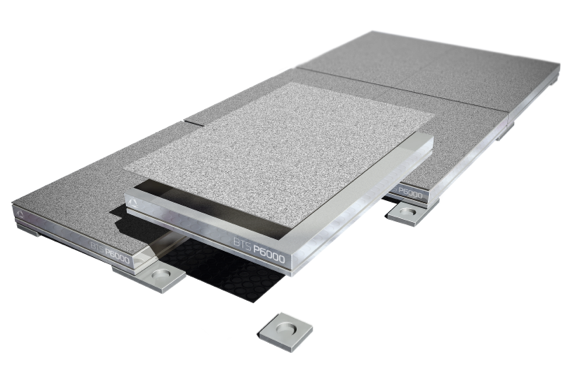
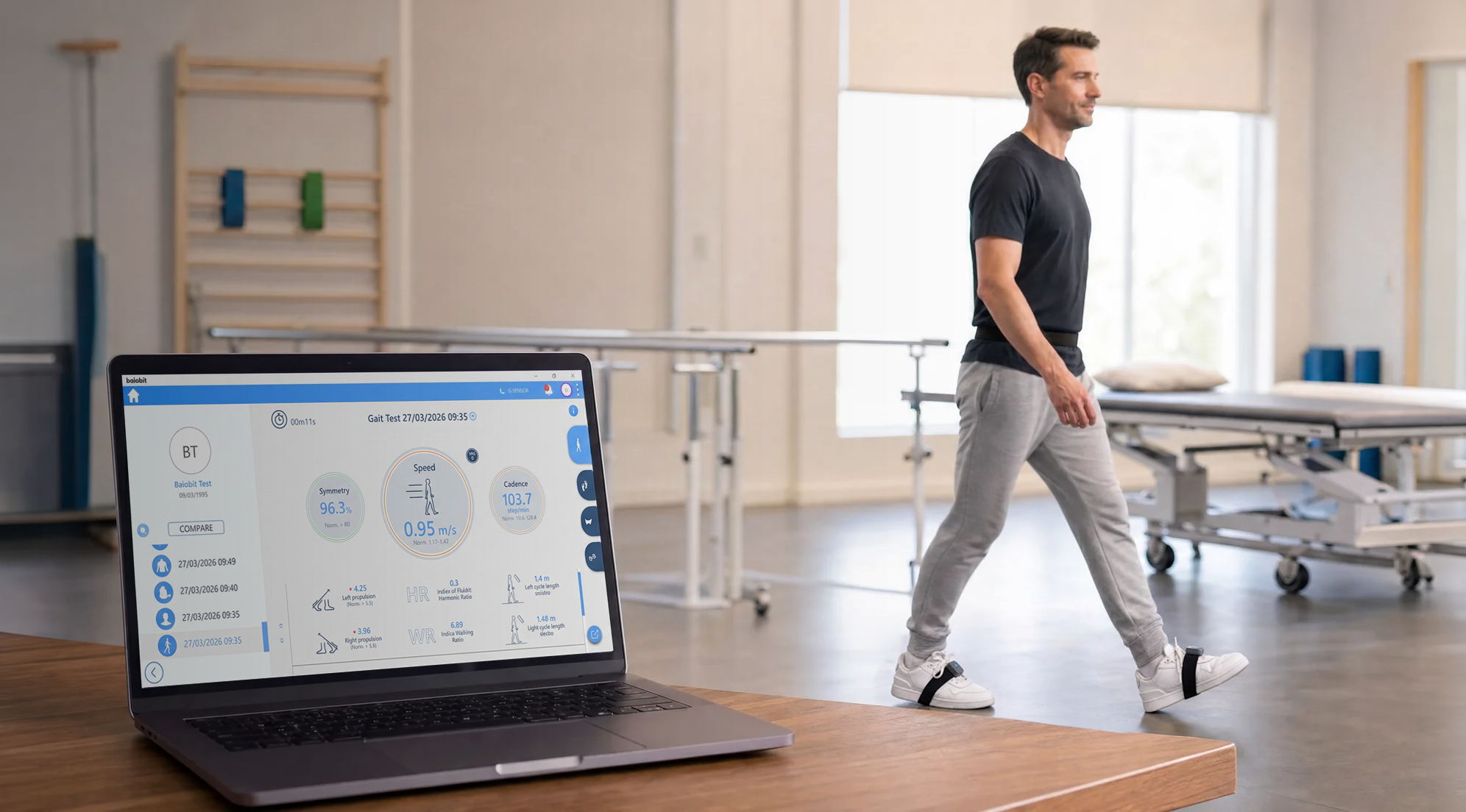
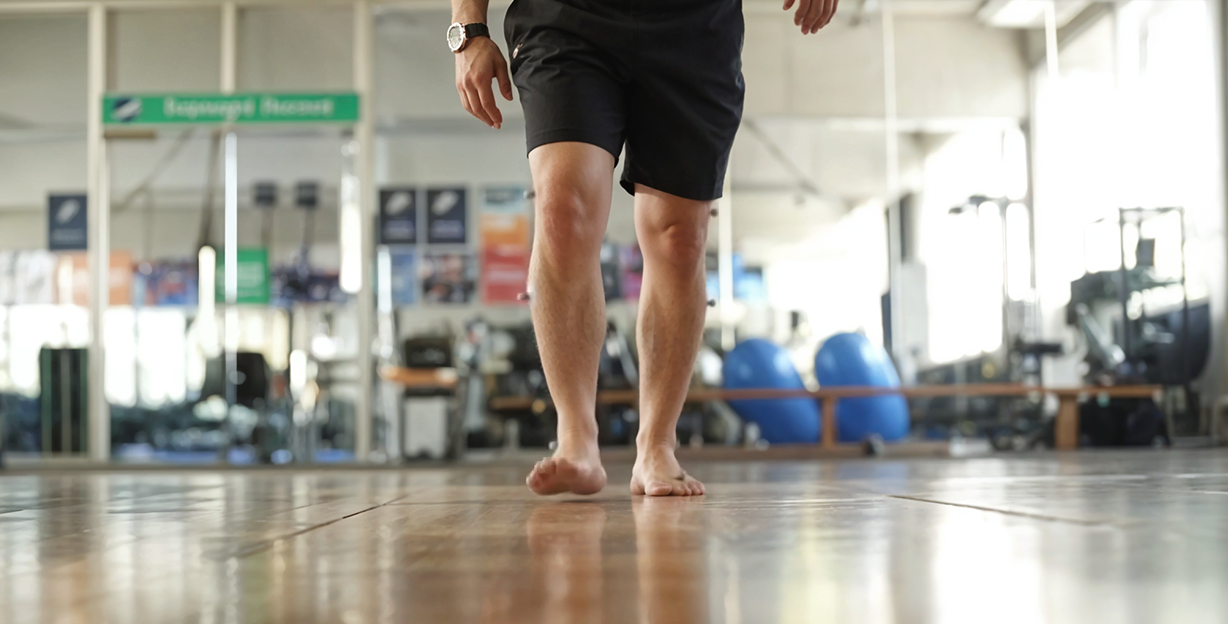
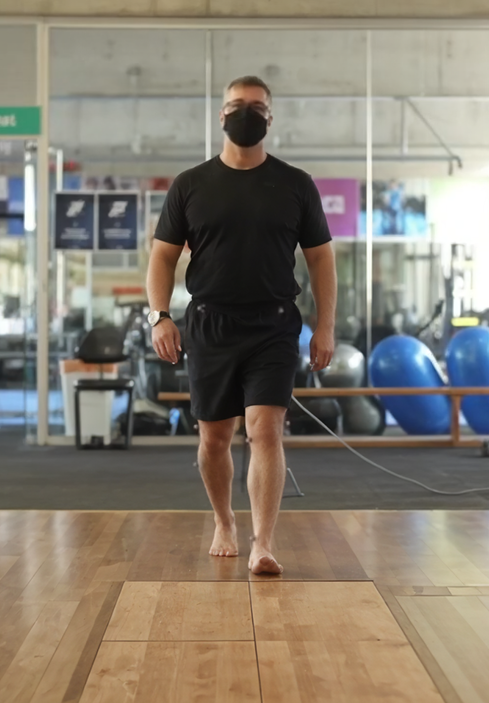
“Even during the 2020 pandemic, which blocked new grants, the project remained alive. The laboratory continued to operate with an improvised wooden platform, using only the force plates. For years we assessed gait using the force plates, even without cameras.”
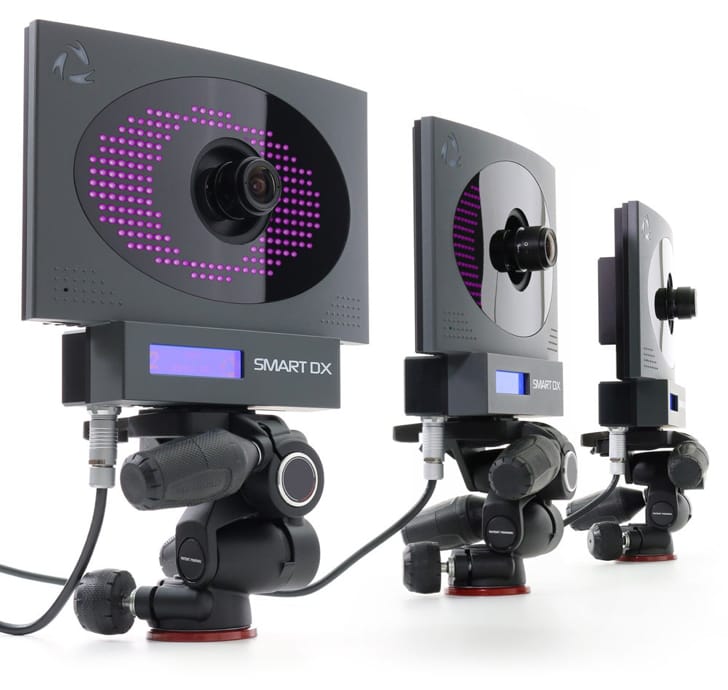
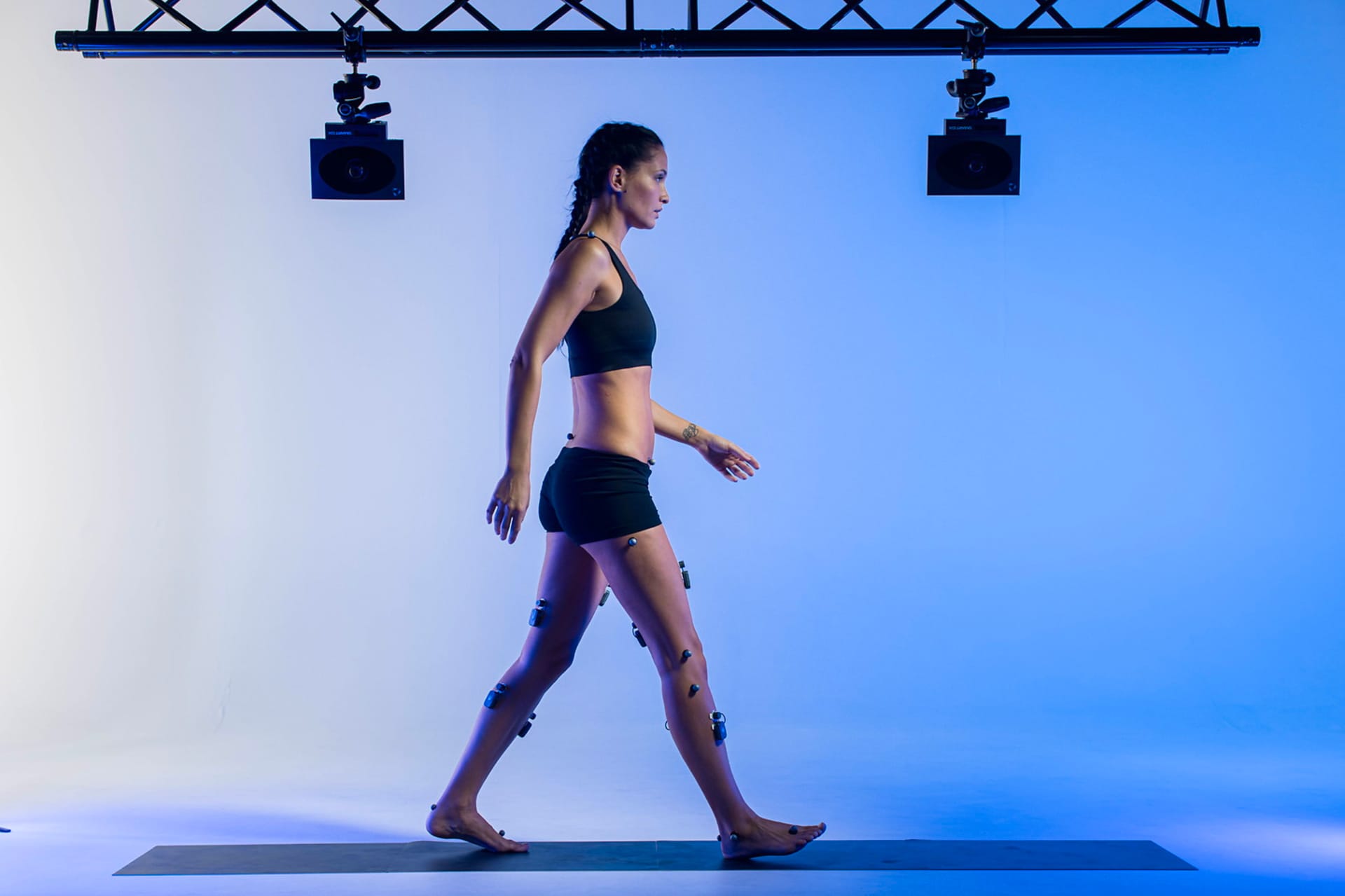
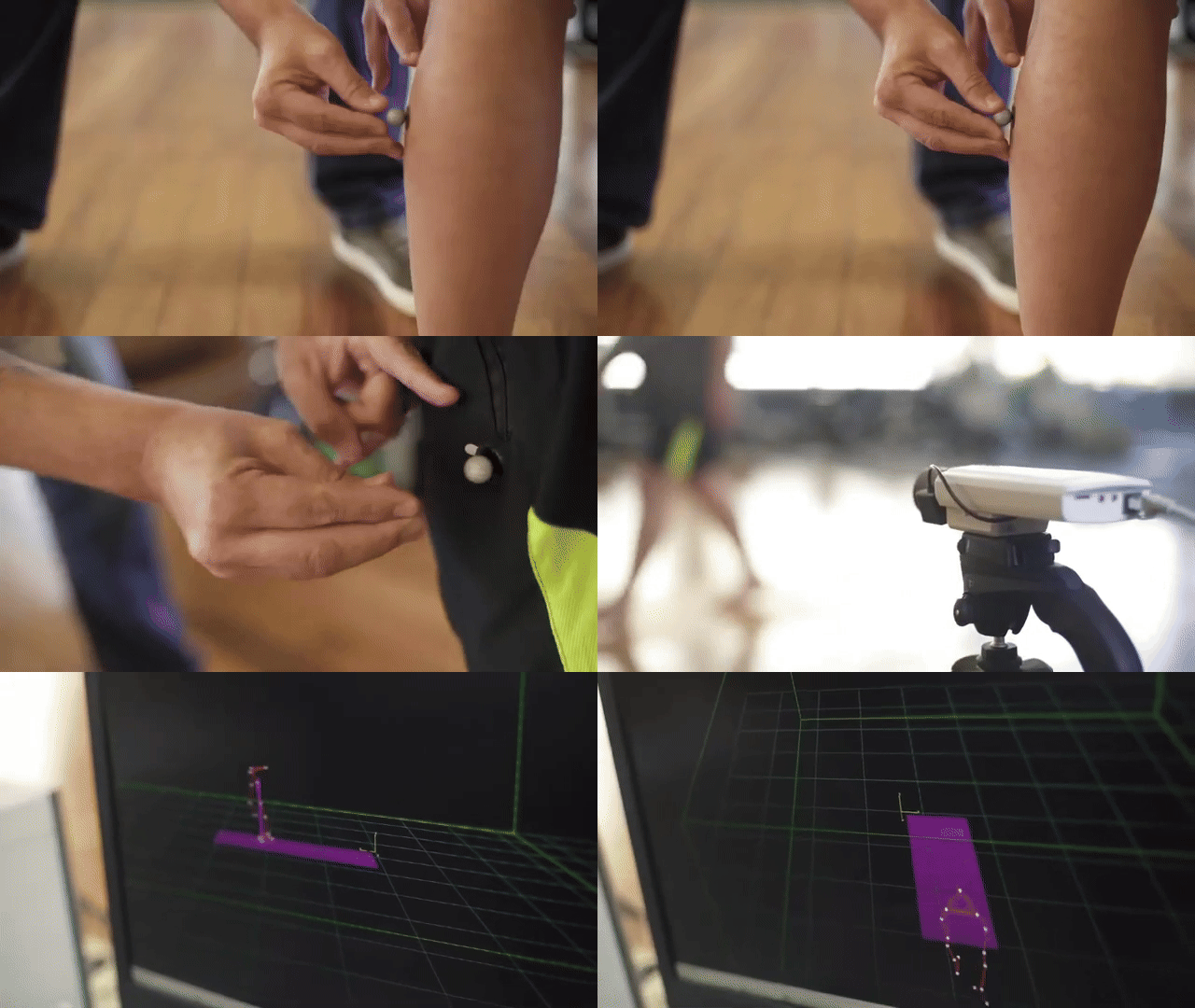
Later, with support from FINEP and other grants, came motion capture cameras, a baropodometric mat, odontological software, and finally an isokinetic dynamometer.
“Today we have a very complete setup. It is one of the most advanced in Brazil.” — Prof. Rafael Baptista
Academic and Scientific Impact
The laboratory is currently involved in:
• 12 master’s and PhD projects
• 2 post-doctoral programs
• Applied research in several areas, including:
o Gait biomechanics
o Masticatory electromyography
o Aging assessment
o Applications in dentistry
o Isokinetic dynamometry
“Biomechanics is not a simple discipline. It takes years to master it. That is why we are already considering hiring a technician dedicated exclusively to the laboratory.”
— Prof. Rafael Baptista
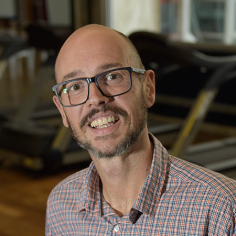
“A laboratory is born not only from available funds, but above all from vision and passion for research.”
The Role of Kinetec
As a partner of BTS Bioengineering, Kinetec provided much more than just equipment:
🧭 Ongoing consulting
🔧 Modular and scalable solutions
🔗 Full integration between hardware and software
🤝🏼 Constant support at every stage of the project
“Without Kinetec, I would not have been able to develop this laboratory in the way it was achieved.” — Prof. Rafael Baptista
Future Prospects
Future developments aim for increasingly advanced integration of gait analysis, electromyography, plantar pressure evaluation, and postural balance. The main focus will be biomechanics applied to aging, with a clinical and social perspective oriented toward improving quality of life