

Squat Jump as a Key Measure of Neuromuscular Performance - Motion Analysis Insights
The Squat Jump
A Simple Test with Powerful Insights
The squat jump (SJ) is one of the most fundamental and informative movements in the field of sports performance and biomechanics. Despite its apparent simplicity, it provides a wealth of data on neuromuscular efficiency, force production, and explosive power — all critical components of athletic performance.
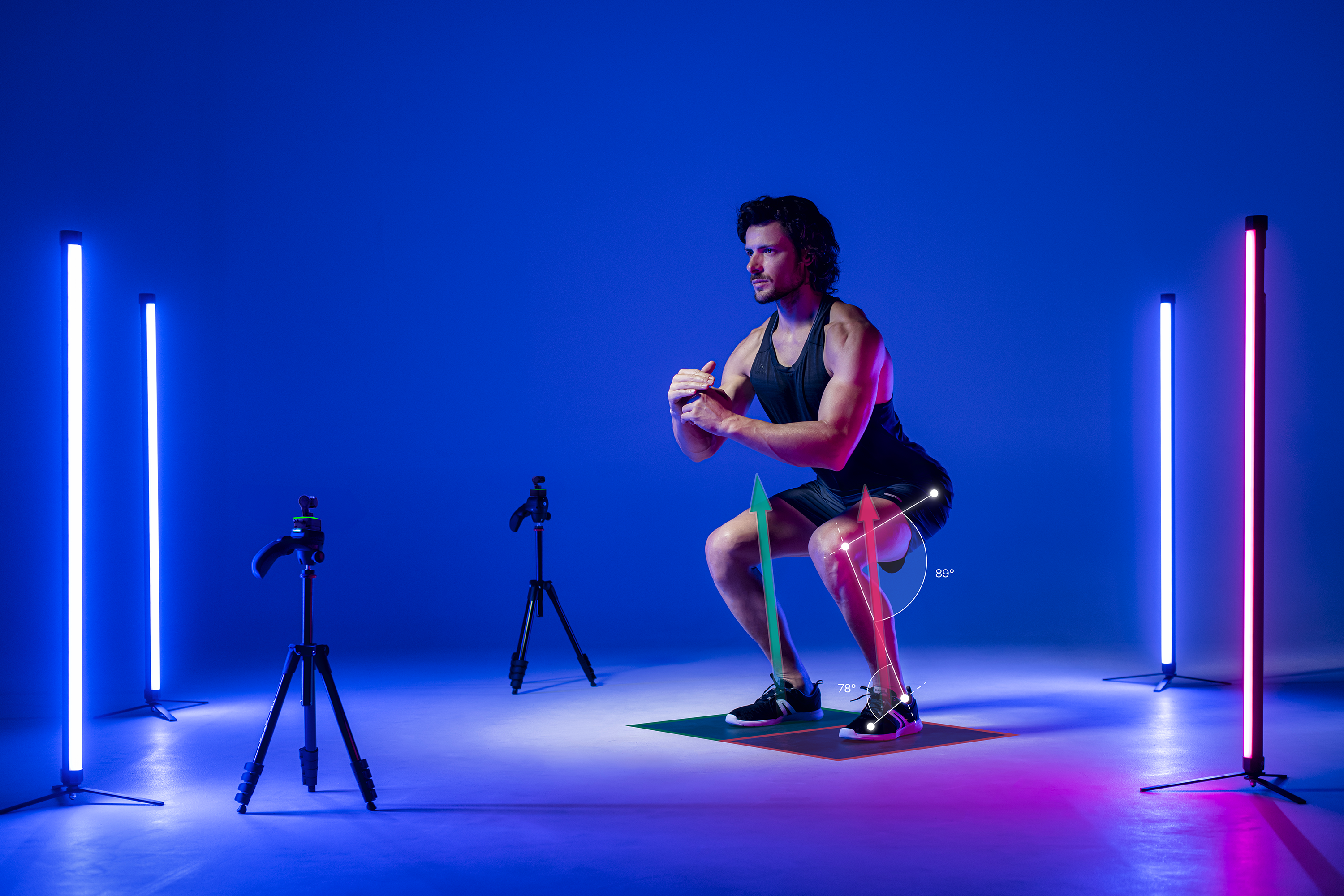
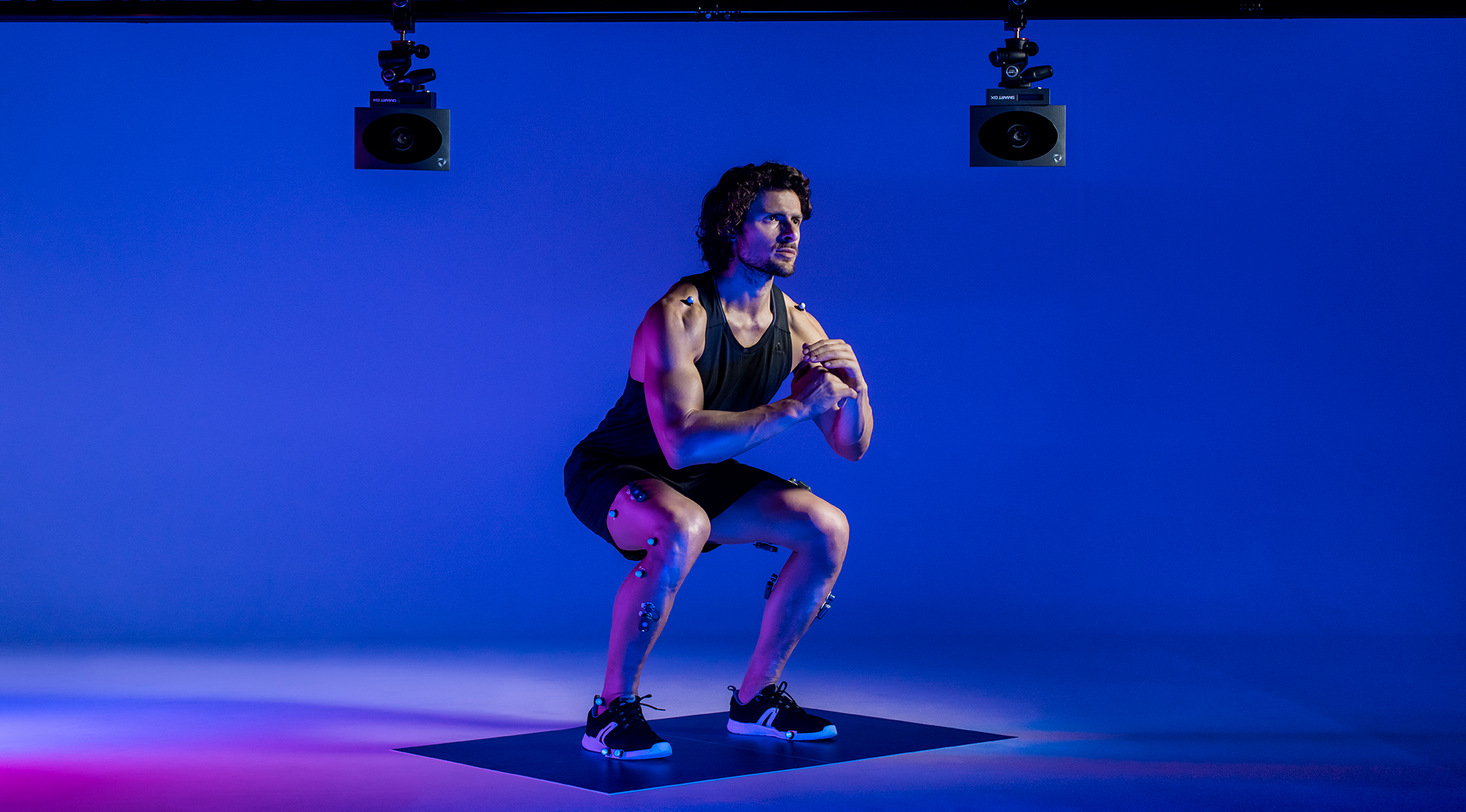
In the squat jump, the athlete begins from a stationary semi-squat position and performs an upward jump without any preliminary countermovement. This detail is key: by removing the stretch-shortening cycle used in other jumps (like the countermovement jump), the SJ isolates pure concentric muscle action. This allows coaches and researchers to measure how effectively the athlete can generate force from a static position — a direct indicator of lower limb strength and muscular coordination.
Because of this, the squat jump is often considered a baseline test in sports science protocols. It is widely used for:
- • Monitoring strength development over the course of a training program;
- • Assessing recovery and muscle function after injury;
- • Detecting asymmetries between limbs that may indicate potential injury risk;
- • Evaluating explosive performance in disciplines such as track and field, basketball, soccer, and volleyball.
When combined with other tests such as the countermovement jump (CMJ) or drop jump (DJ), it offers a complete picture of an athlete’s force-velocity profile, supporting targeted training and rehabilitation planning.
Bringing Science to Movement:
How BTS Bioengineering enhance jump analysis

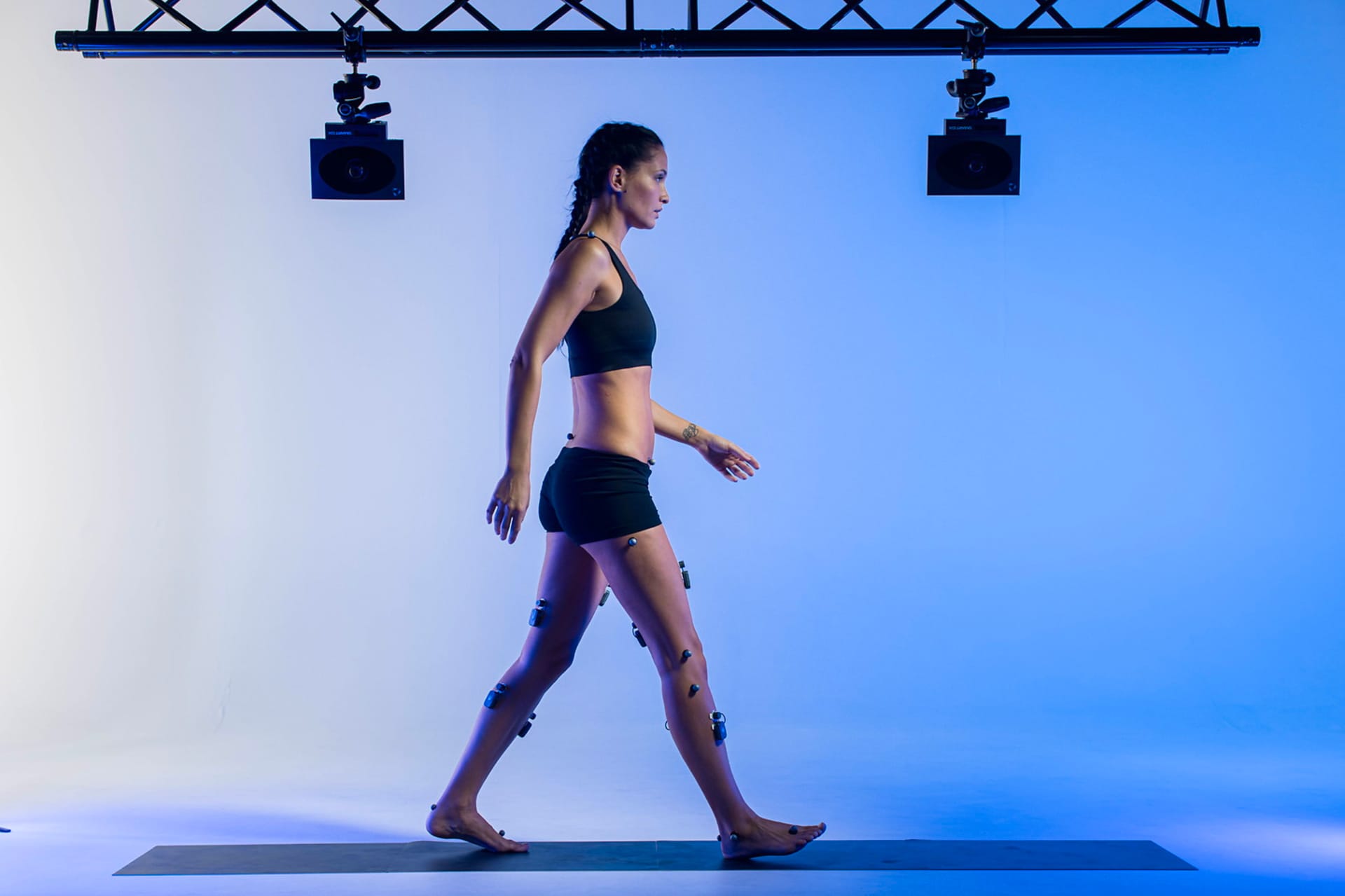
Modern bioengineering technologies have transformed the squat jump from a simple exercise into a precise diagnostic tool. Through advanced motion capture, force measurement, and electromyographic systems, every phase of the movement — from take-off to landing — can be quantified with scientific accuracy.
Using BTS SPORTLAB, coaches and researchers can integrate multiple technologies into a single synchronized analysis:
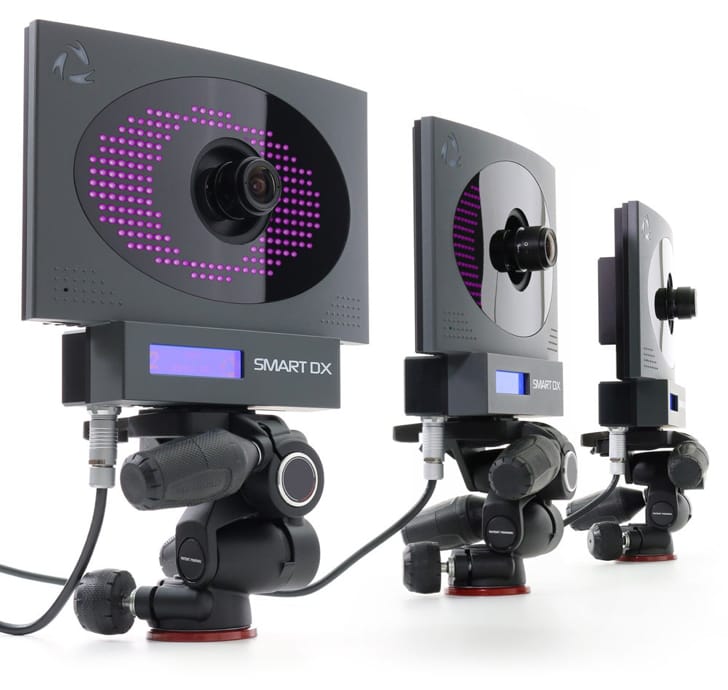
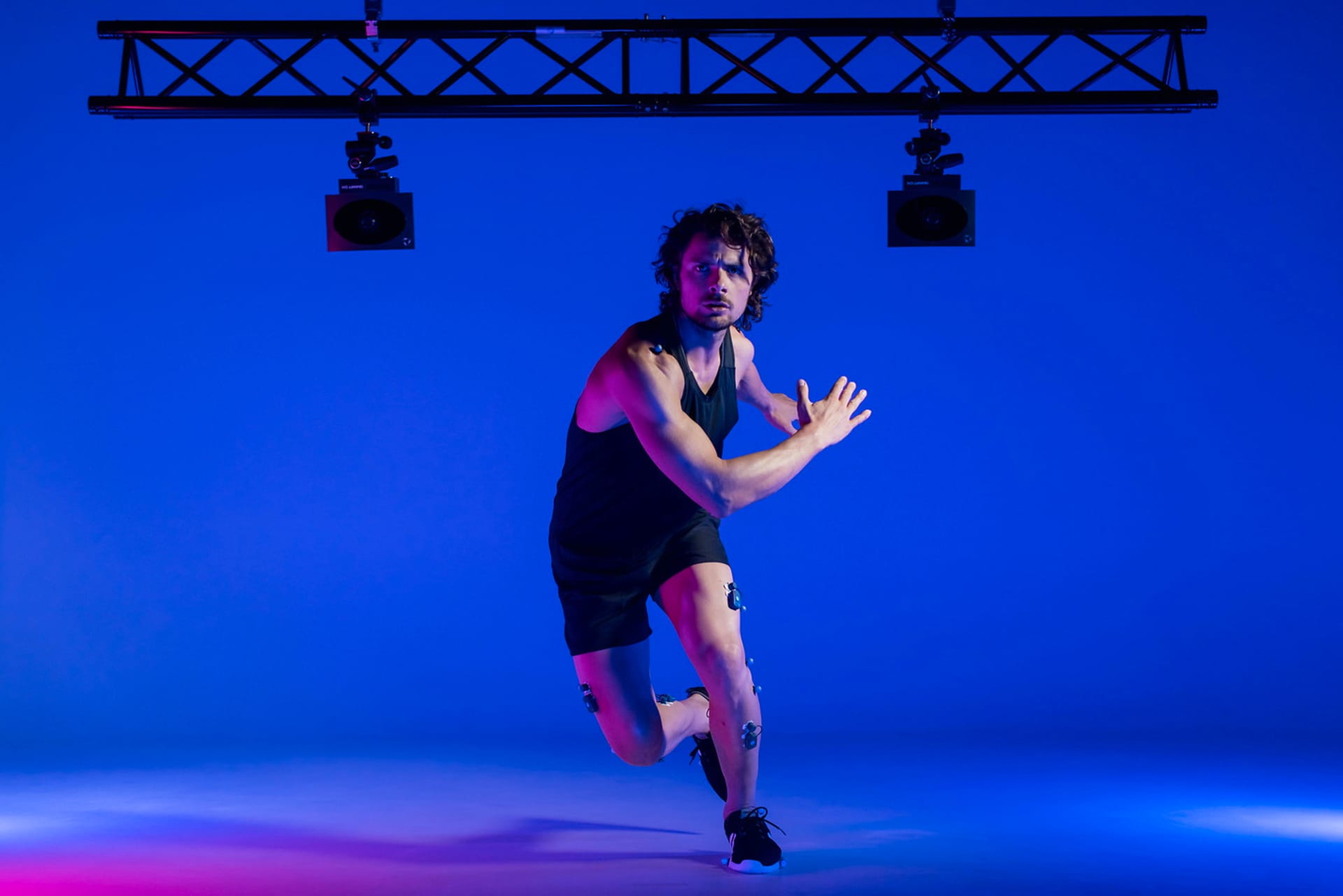
- • 3D Motion Capture (SMART-DX) precisely tracks body segments, joint angles, and movement coordination during the jump.
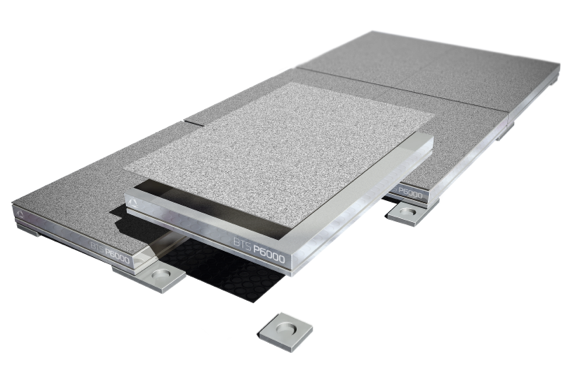
- • Force Platforms (P-6000) measure ground reaction forces and balance parameters, allowing calculation of power output, asymmetries, and take-off dynamics.
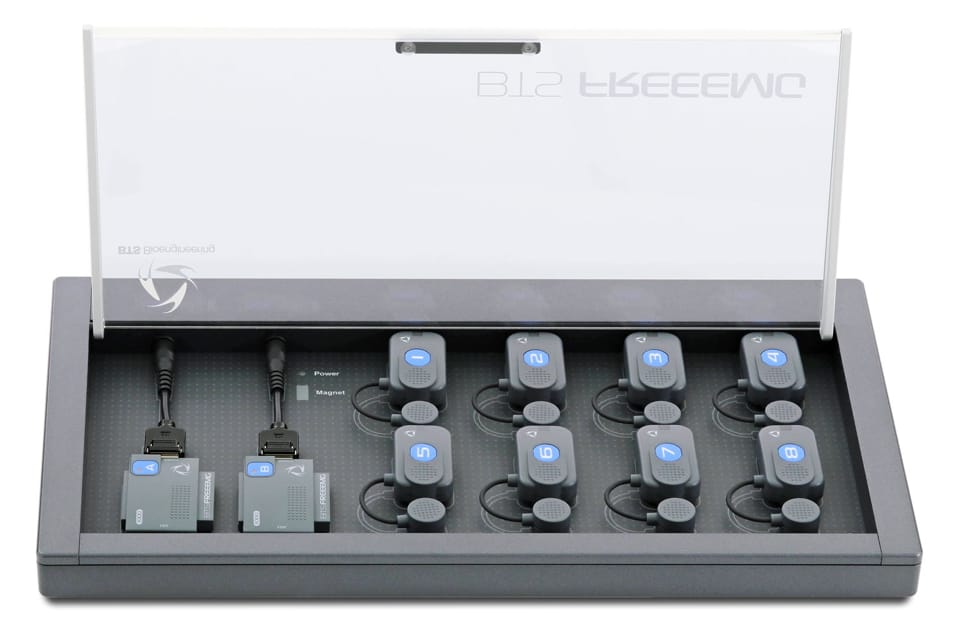
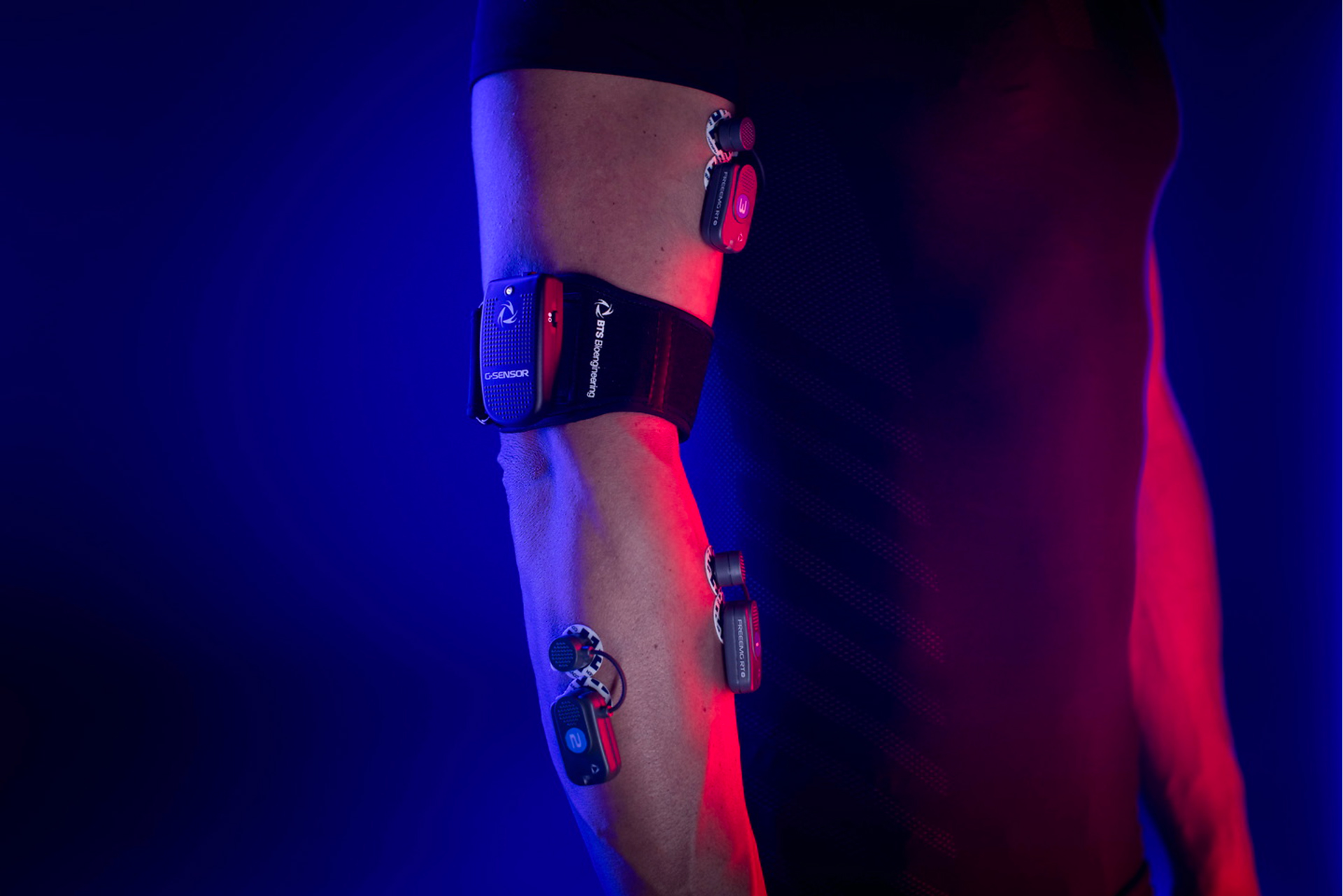
- • Surface Electromyography (FREEEMG) monitors muscle activation patterns in real time, revealing how effectively the neuromuscular system coordinates the movement.
The combination of these tools provides a comprehensive biomechanical profile of the athlete’s performance. Trainers can identify weak links in the kinetic chain, monitor adaptations to training, and make objective decisions about readiness and return-to-play.

Coppola et al. (2020) studied the split leap in rhythmic gymnastics using two run-up techniques: a simple run and a chassé, analyzed with BTS Bioengineering SMART-DX cameras and force platforms. The simple run produced higher take-off, but the chassé resulted in greater flight height, vertical speed, split angles, and angular acceleration, reflecting better coordination and limb momentum. The study highlights that advanced technical training improves jump performance and that kinematic analysis is key for optimization.
Coppola, Silvia & Albano, Daniele & Sivoccia, Ilenia & Vastola, Rodolfo. (2020). Biomechanical analysis of a rhythmic gymnastics jump performed using two run-up techniques. Journal of Physical Education and Sport. 20. 37-42. 10.7752/jpes.2020.01005.

The University of Alabama:
Empowering Athletes with BTS SPORTLAB
The University of Alabama built a biomechanics lab using BTS SPORTLAB technology to enhance both athletic performance and research. The lab integrates 3D motion capture (SMART-DX EVO), force plates (P-6000), and EMG (FREEEMG) into one synchronized system. This setup allows coaches and researchers to analyze movement, strength, and muscle activity in real time, improving training efficiency, injury prevention, and rehabilitation. According to Zach Mathers, the system was chosen for its precision, integration, and ease of use.
