Quantitative movement and gait analysis
Quantitative analysis of gait and posture to support clinical evaluation

For over four decades, BTS Bioengineering has worked alongside clinicians, researchers, and healthcare professionals to better understand human movement and muscle function.
Our goal has always remained the same: to provide objective data to support clinical reasoning, diagnosis, and rehabilitation. From gait and posture analysis to neuromuscular evaluation and rehabilitation, our technologies are designed to integrate naturally into daily clinical practice, supporting decisions with reliable quantitative information.
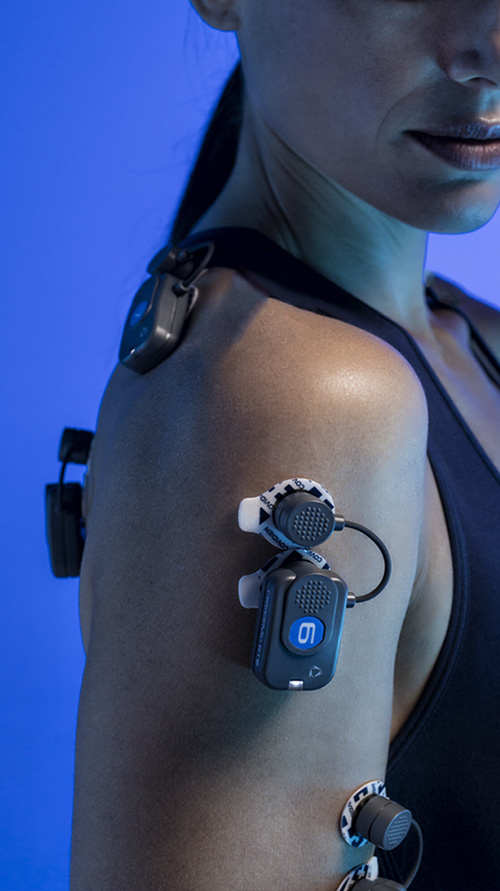
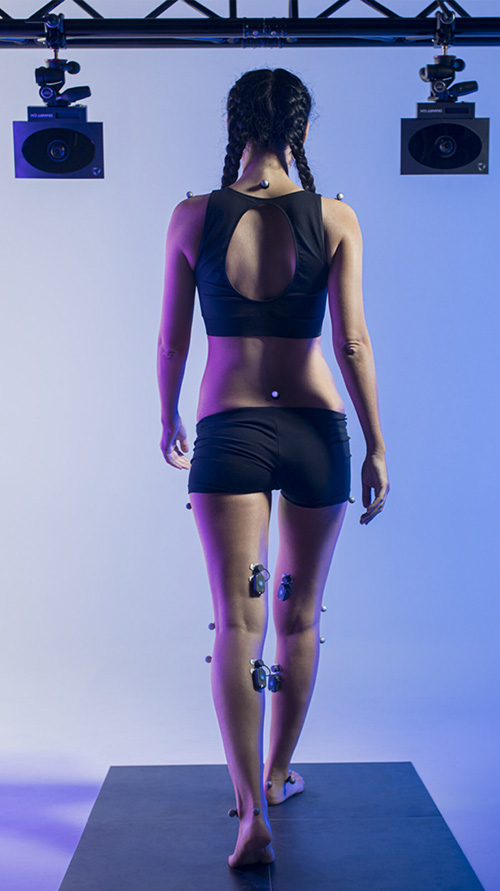
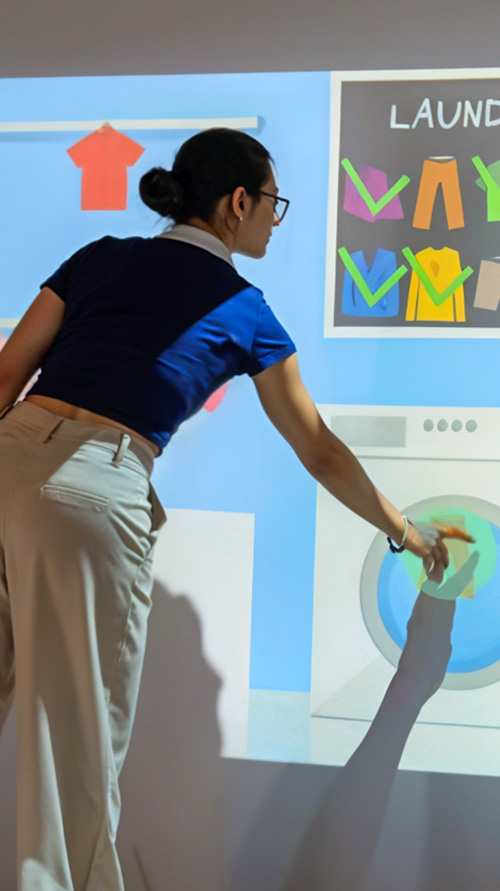
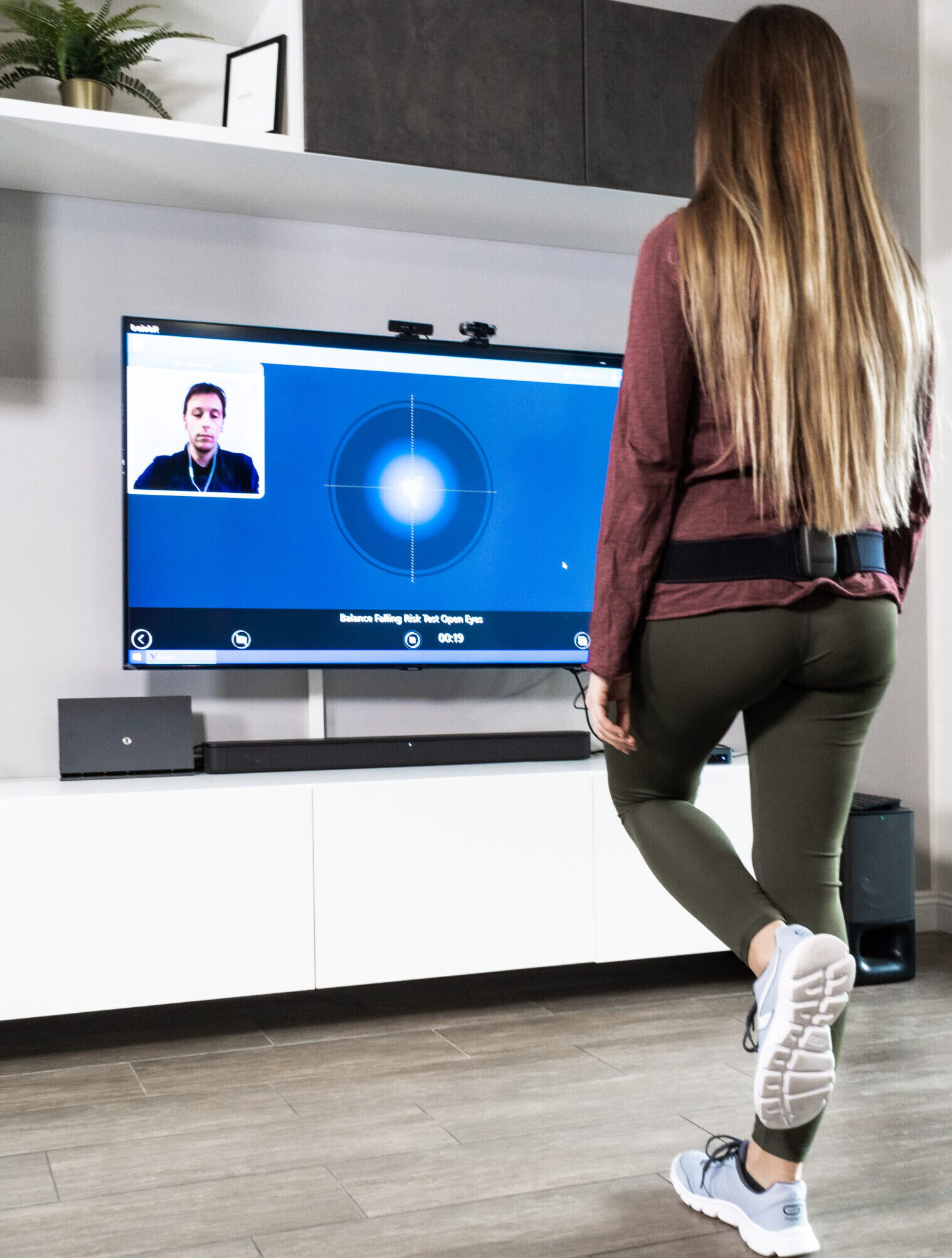































































| System | Test Time | Environment | Test Purpose | Depth of Analysis | Technology |
|---|---|---|---|---|---|
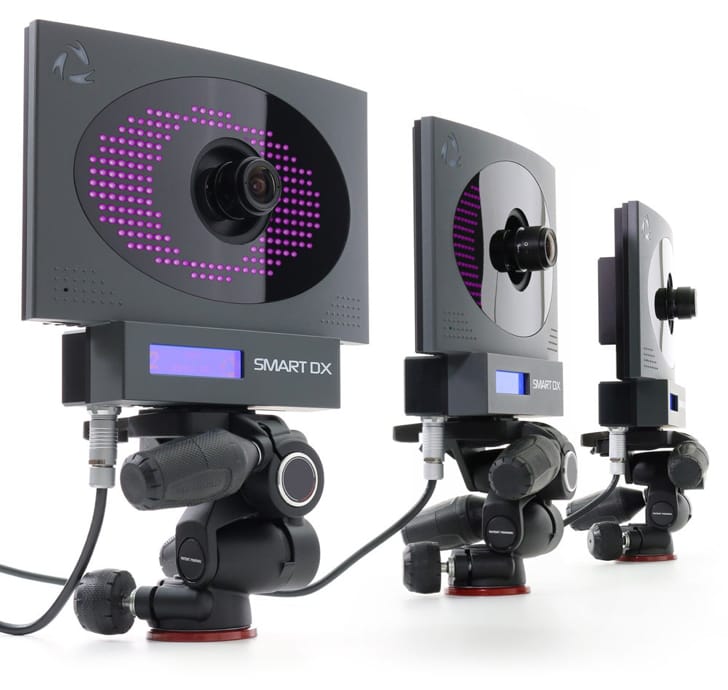
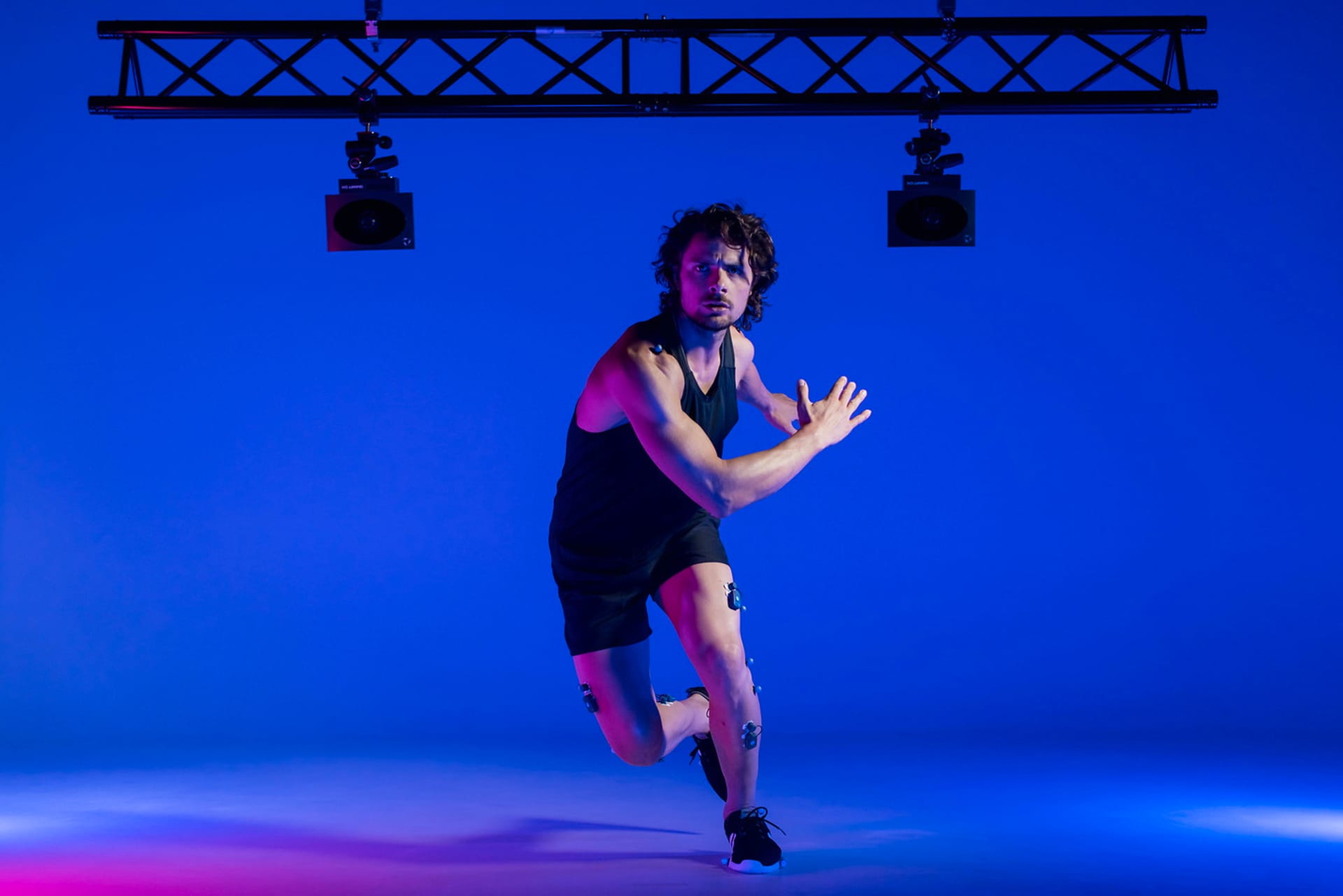
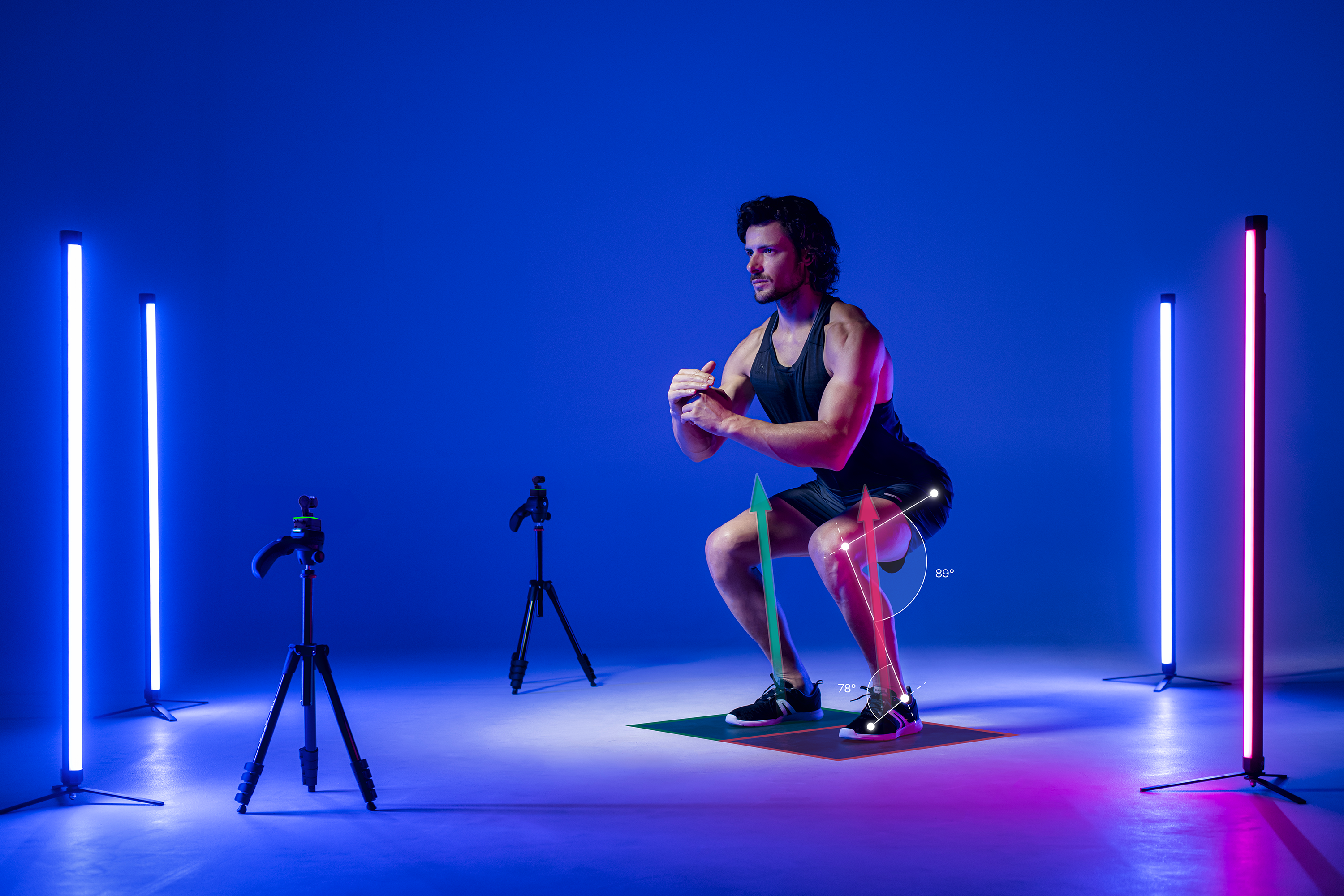
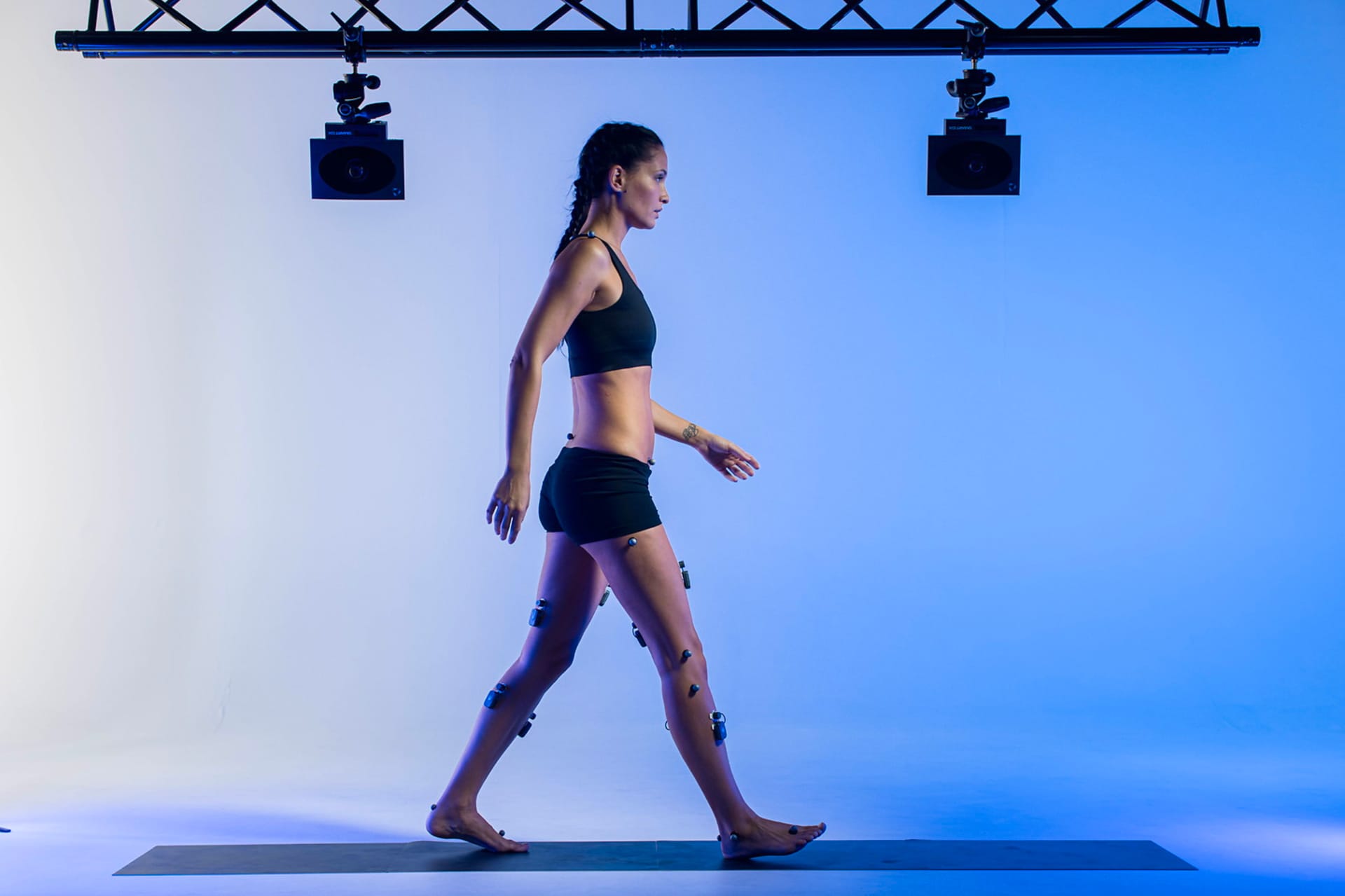
| BTS GAITLAB | 20–30 min | Laboratory | Comprehensive gait and posture assessment, clinical diagnosis, rehabilitation planning | Advanced / Laboratory | Infrared motion capture cameras + Force plates + sEMG |
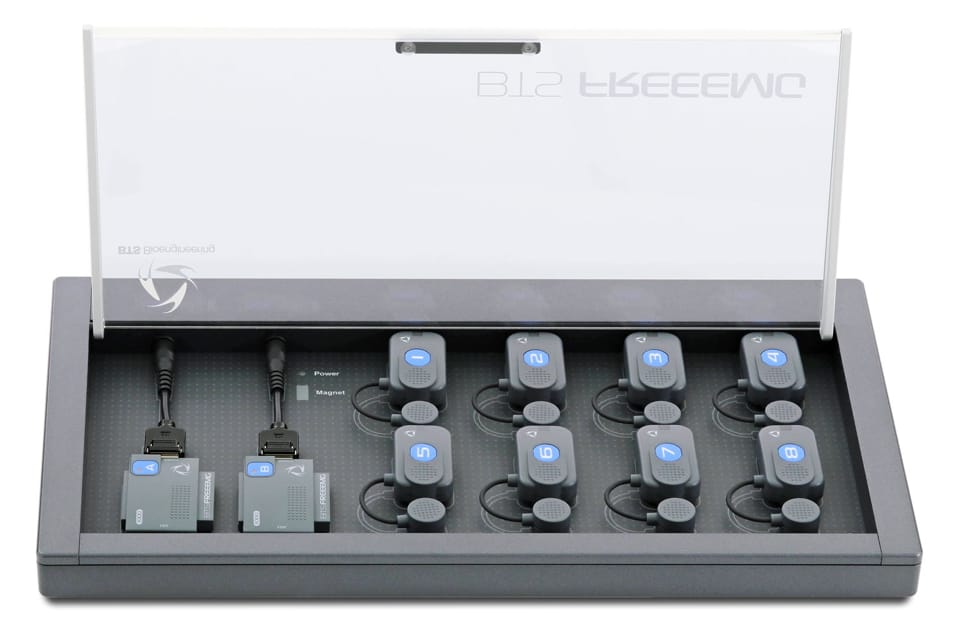
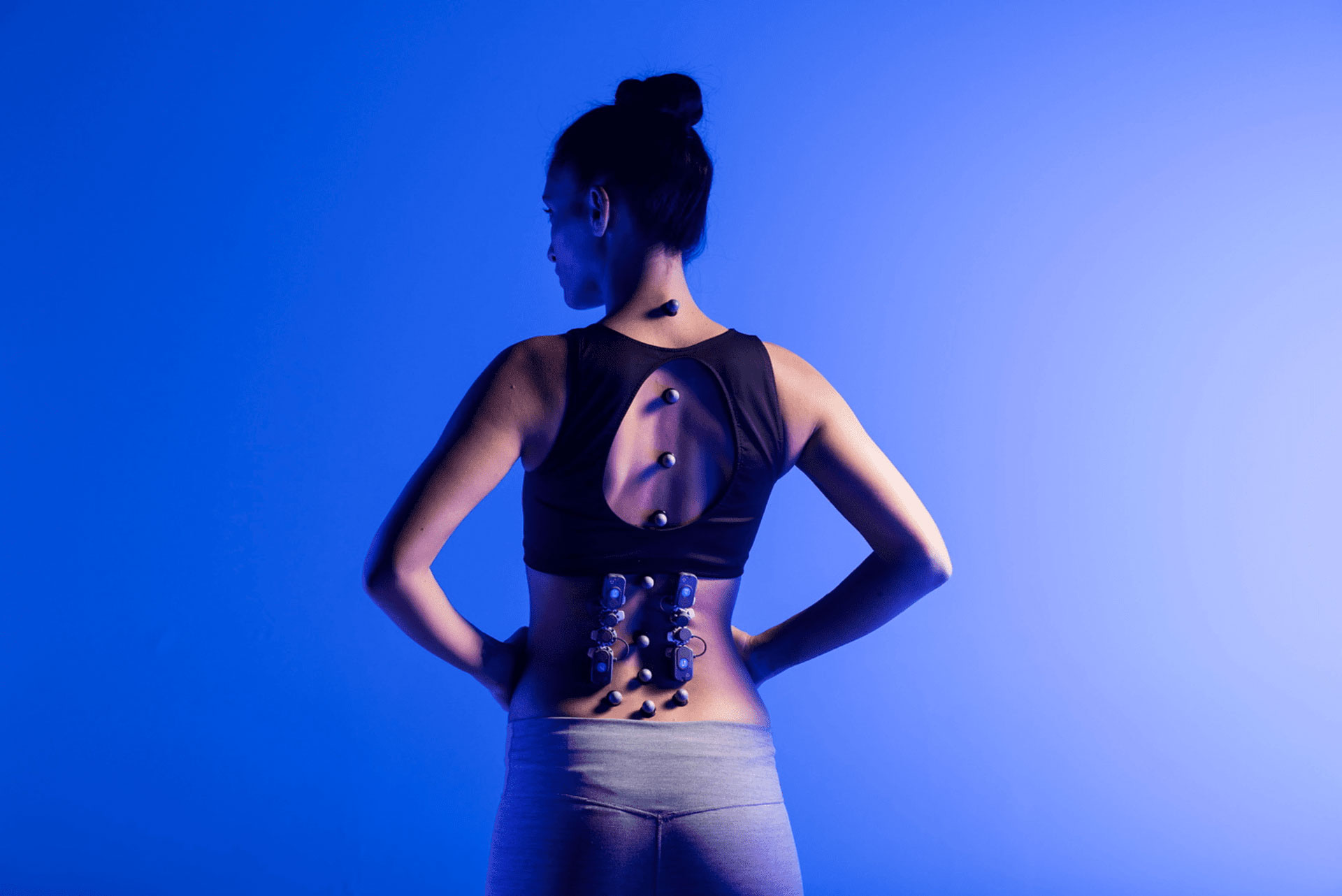
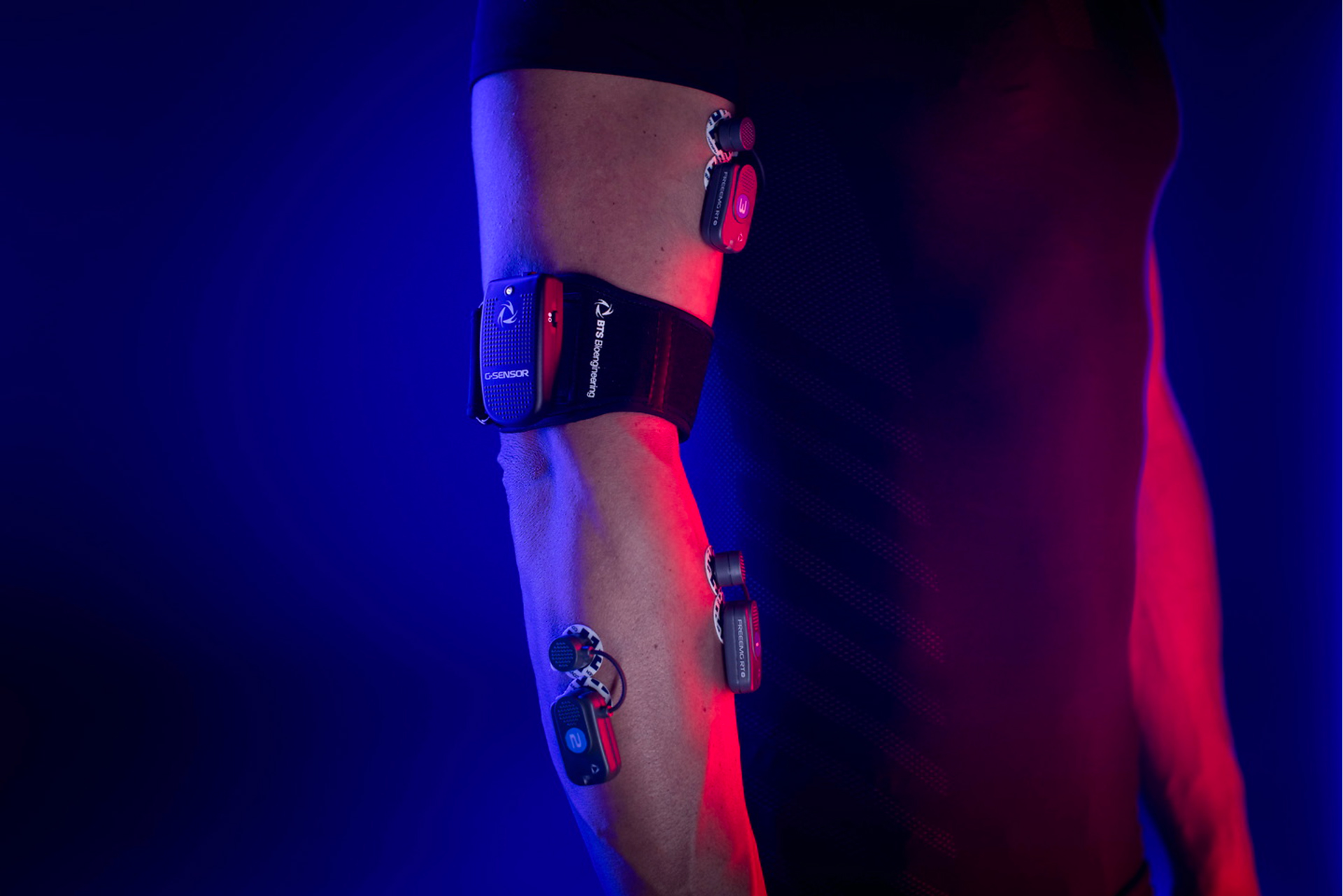
| FREELAB | 10–15 min | Clinic / Field | Functional diagnosis, muscle activation analysis, movement dysfunction detection | Functional | Wireless sEMG + Inertial sensor |
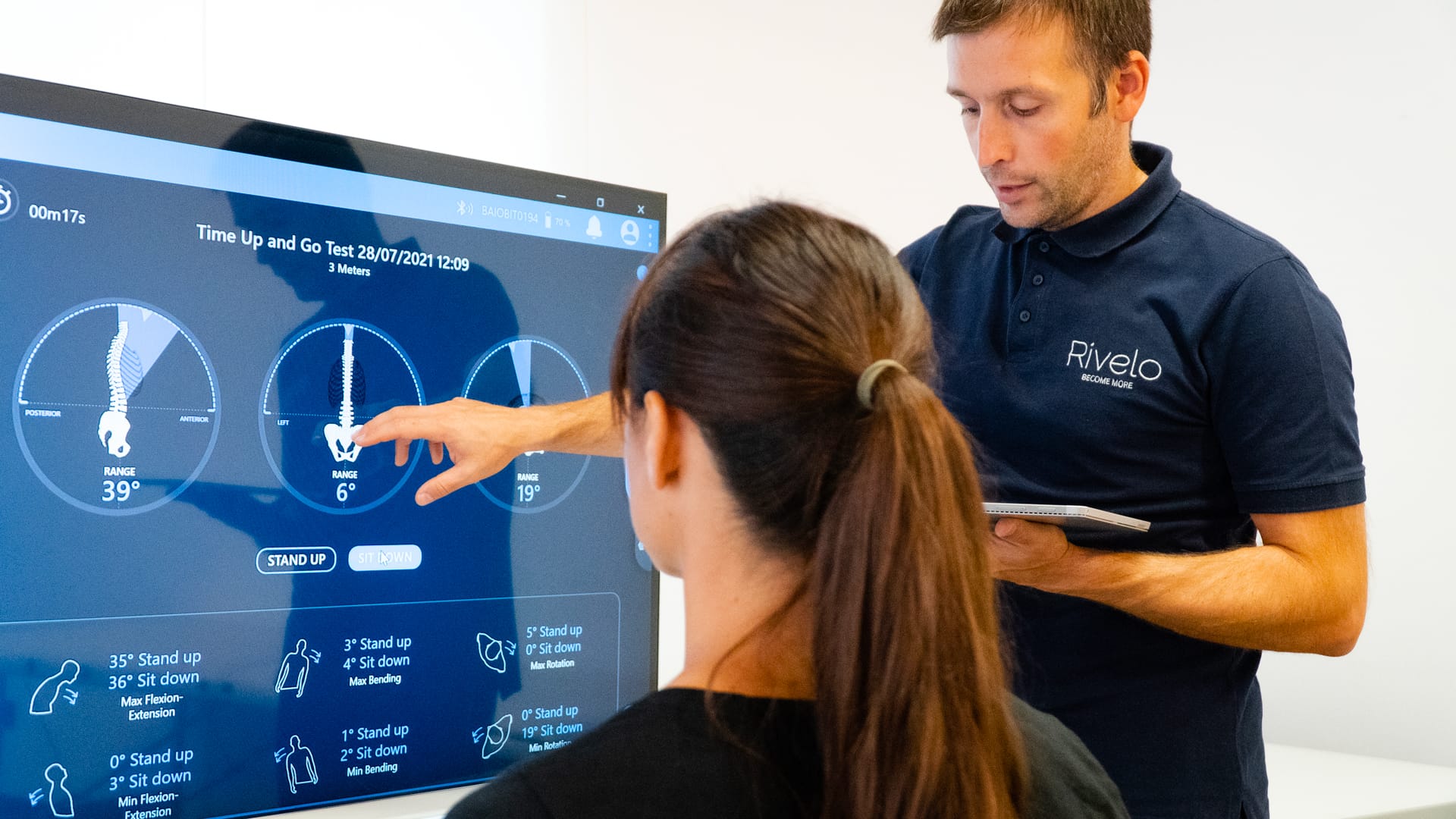
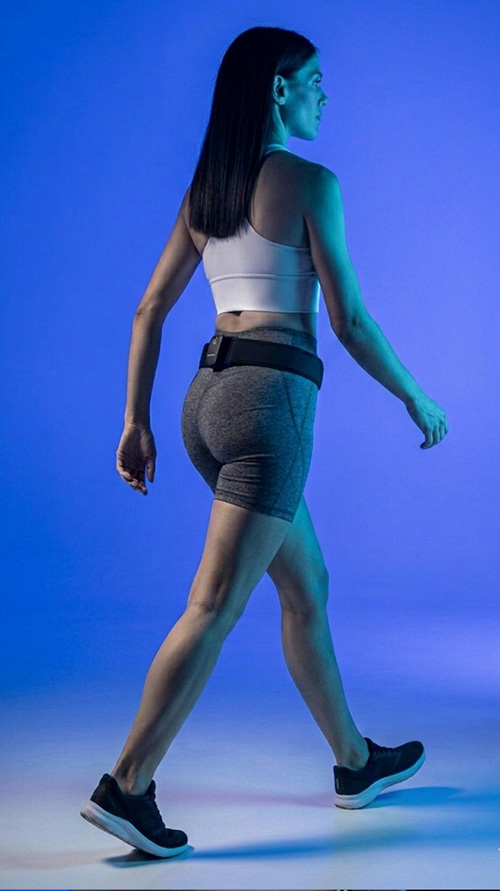
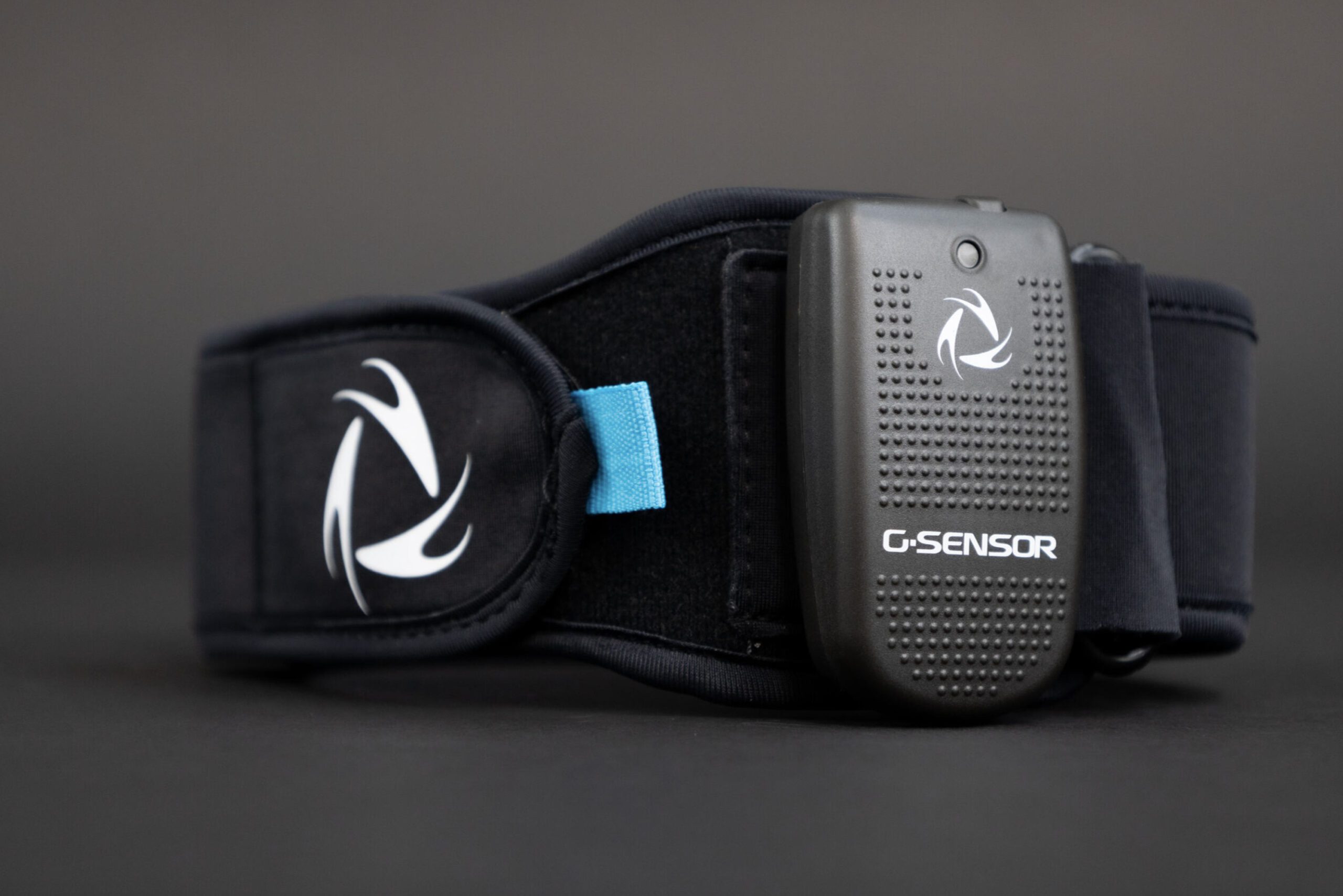
| G-WALK | 5 min | Clinic / Field | Gait analysis, mobility and balance assessment, functional tests (TUG, 6MWT) | Screening / Functional | Wearable inertial sensor |
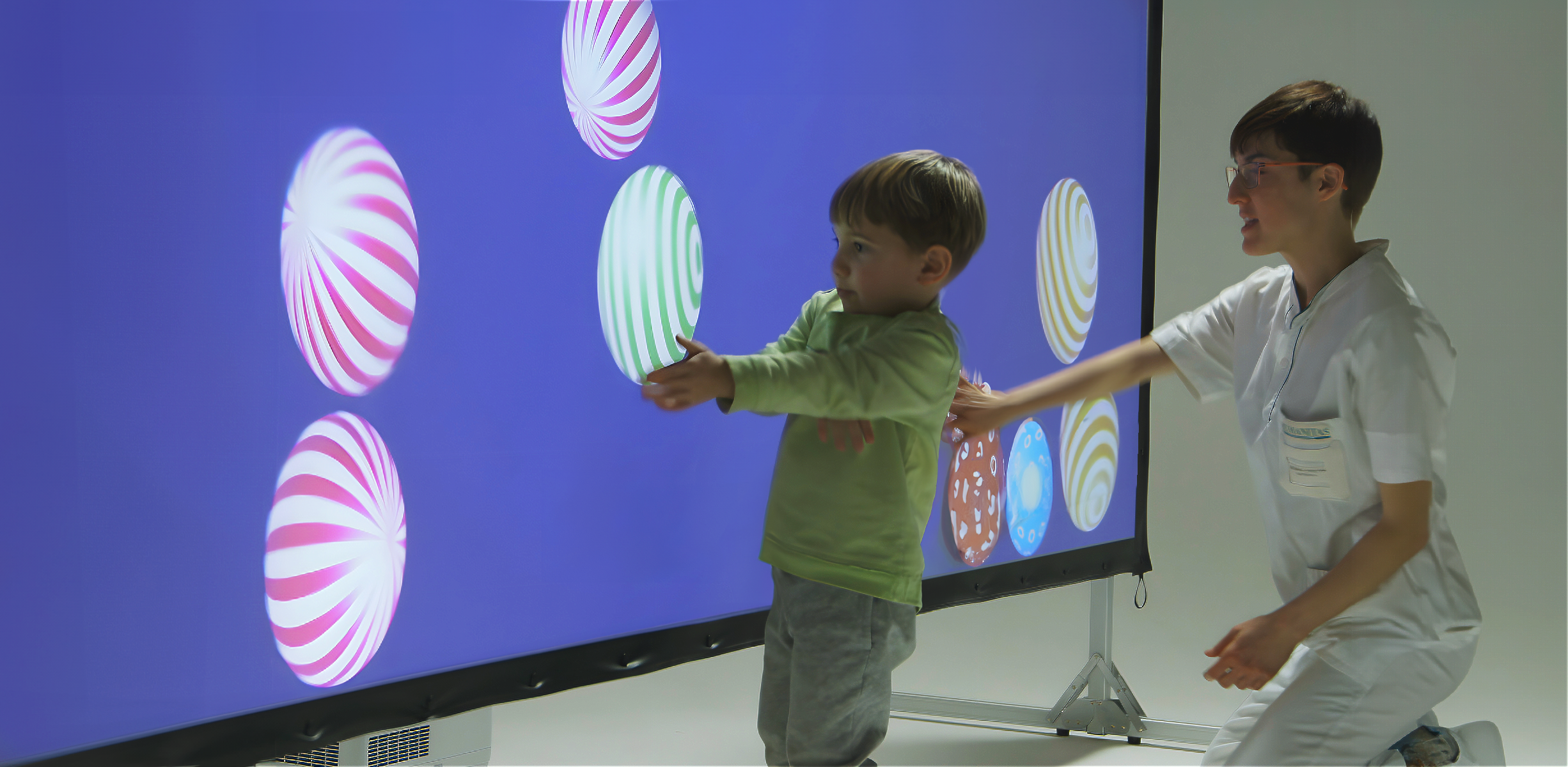
| NIRVANA | 10–20 min session | Clinic | Motor and cognitive rehabilitation, patient engagement and biofeedback training | Therapeutic | Virtual reality system: body tracking sensors + projection system |
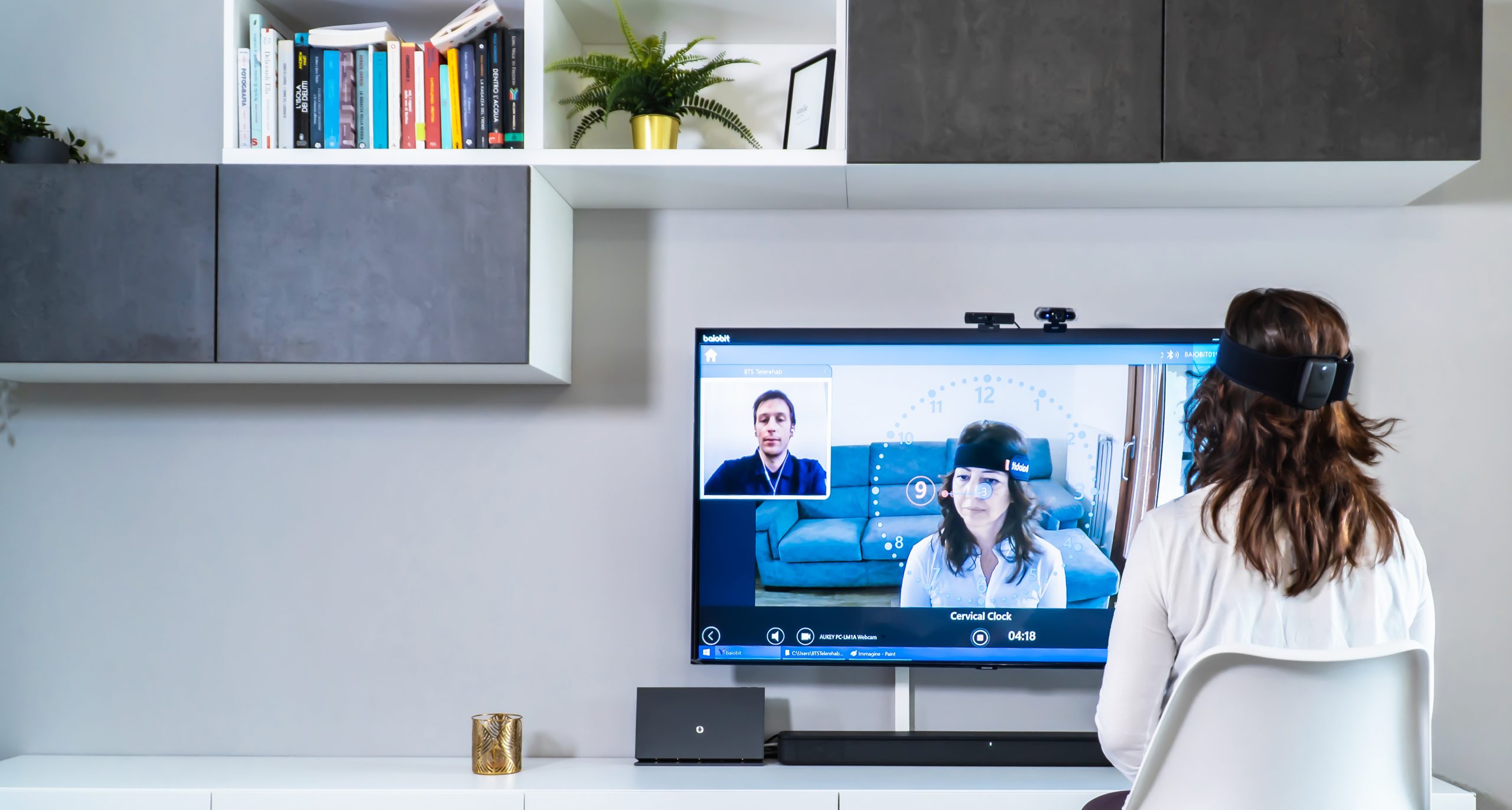
| BTS TELEREHAB | Variable | Remote | Remote rehabilitation, patient monitoring, guided therapeutic exercises | Therapeutic / Remote Monitoring | Digital rehabilitation platform + remote monitoring tools |
Clinical motion analysis is an objective evaluation of motor function using biomechanical and neuromuscular technologies to measure gait, balance, and movement control. The collected data helps clinicians support functional diagnosis, define rehabilitation plans, and objectively monitor patient progress over time.
Biomechanical assessment is particularly useful for patients with musculoskeletal disorders, neurological conditions, gait alterations, joint instability, and post-surgical rehabilitation. It helps clinicians understand the causes of movement dysfunction and guide more targeted treatment strategies.
Wearable sensors are recommended when clinicians need a quick and repeatable evaluation of gait, posture, and balance directly in the clinic or rehabilitation gym. They are especially useful for functional follow-ups and for monitoring patient recovery during rehabilitation.
Surface electromyography (EMG) measures muscle activation during movement, providing insight into timing, coordination, and compensatory strategies. This information helps clinicians understand neuromuscular control and design more targeted rehabilitation exercises.
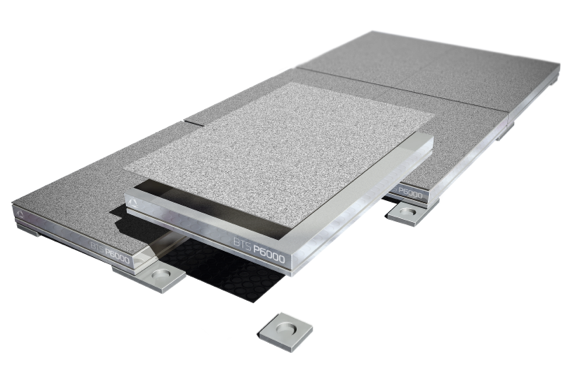
Force plates are used to assess load distribution, balance control, and postural strategies during movement. They are particularly valuable in orthopedic and neurological rehabilitation for evaluating symmetry, stability, and functional performance.
Yes. With real-time biofeedback, force plates can be integrated into rehabilitation exercises to train balance, weight distribution, and postural control. This improves patient engagement and helps reinforce correct motor patterns.
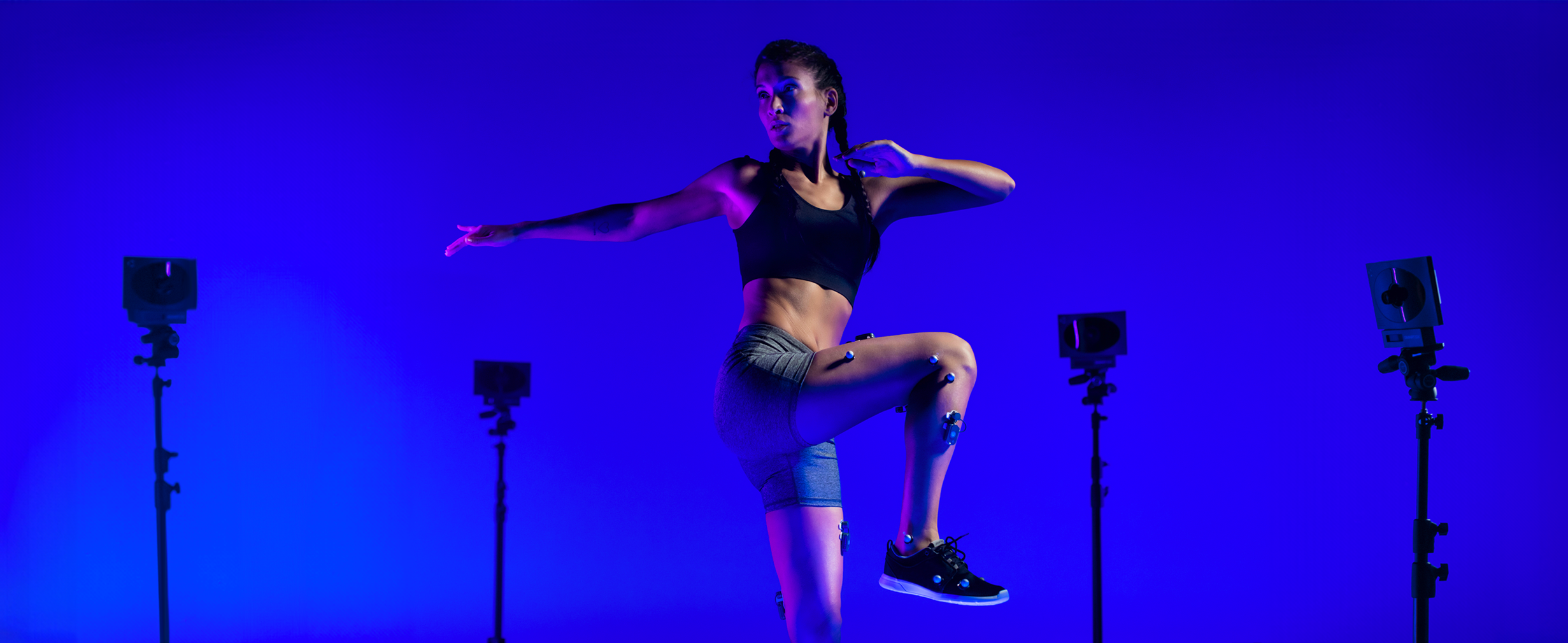
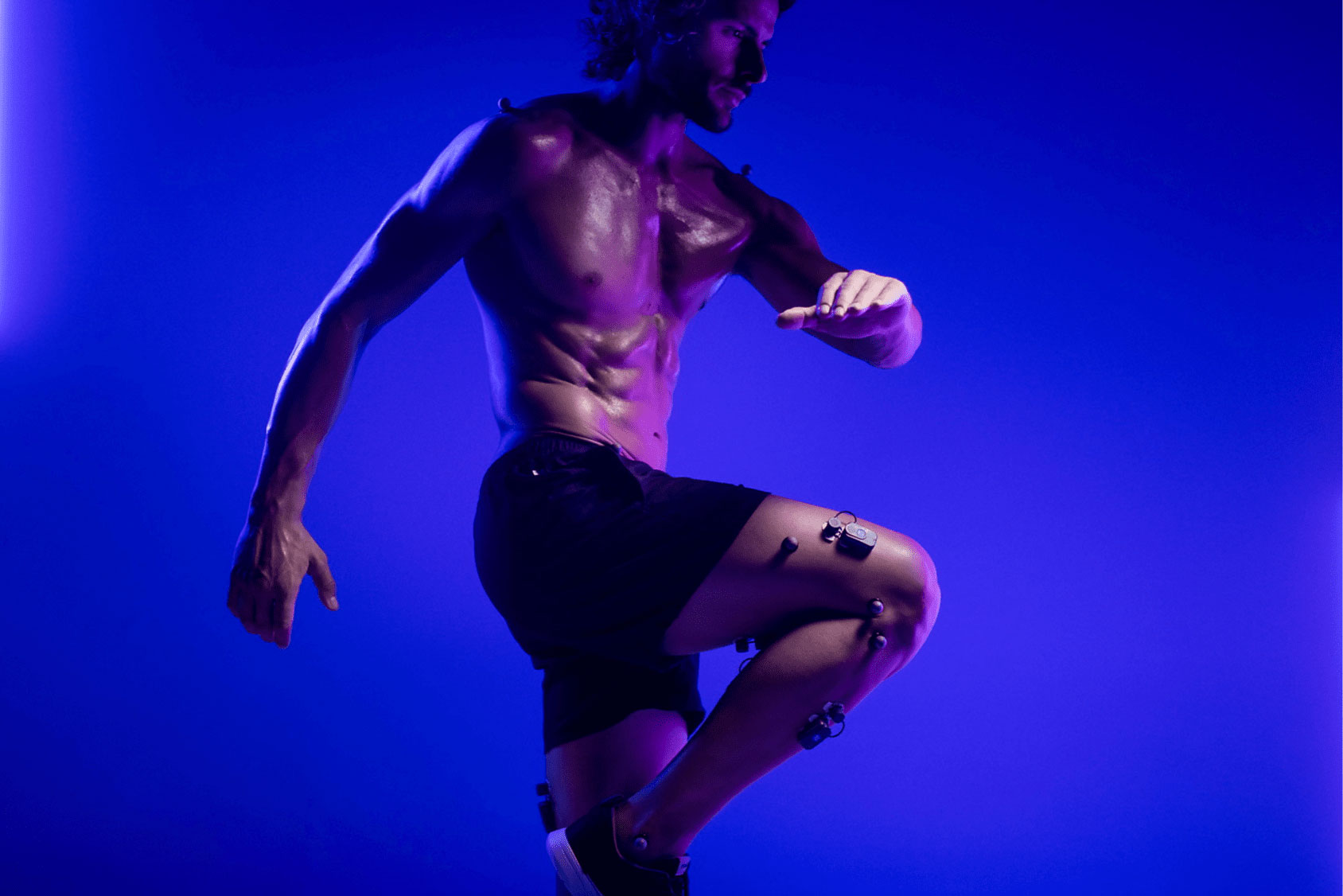
Full 3D motion analysis is recommended when initial clinical evaluations reveal unexplained abnormalities or when a deeper investigation of gait and movement function is required. It is often used in complex cases and in advanced treatment or surgical planning.
Observational assessment relies on clinical expertise but can be subjective. Instrumented motion analysis adds objective and repeatable measurements, improving diagnostic accuracy, clinical documentation, and communication between healthcare professionals.
Biomechanical and neuromuscular data help identify the main movement impairments and define measurable rehabilitation goals. This allows clinicians to select more targeted exercises and objectively track patient improvements during therapy.
For patients, motion analysis provides a clearer understanding of their functional condition and recovery progress. Visualizing objective data often increases motivation and adherence to the rehabilitation program.
Balance and postural control are essential for mobility and independence. Assessing these functions helps clinicians identify stability deficits, reduce fall risk, and guide specific rehabilitation programs.
Balance and postural control are essential for mobility and independence. Assessing these functions helps clinicians identify stability deficits, reduce fall risk, and guide specific rehabilitation programs.
Yes. Objective measurements allow clinicians to compare data over time and evaluate the effectiveness of rehabilitation interventions. This supports clinical decision-making and helps document patient progress.
In children with cerebral palsy, gait analysis helps clinicians understand complex movement patterns and compensatory strategies. Biomechanical data support multidisciplinary teams in planning rehabilitation or surgical interventions and evaluating treatment outcomes.
Yes. Motion and balance analysis can identify gait instability, postural control deficits, and inefficient movement strategies. These insights help clinicians design targeted programs to reduce fall risk and improve mobility in older adults.
After orthopedic surgery, motion analysis helps evaluate functional recovery and gait quality. Clinicians can monitor load symmetry, joint mobility, and rehabilitation progress, supporting safer and more effective return to daily activities.