Universidad Simón Bolívar – Motion Analysis Laboratory
The first biomechanical running reference values in Colombia thanks to objective 3D motion analysis
Overview
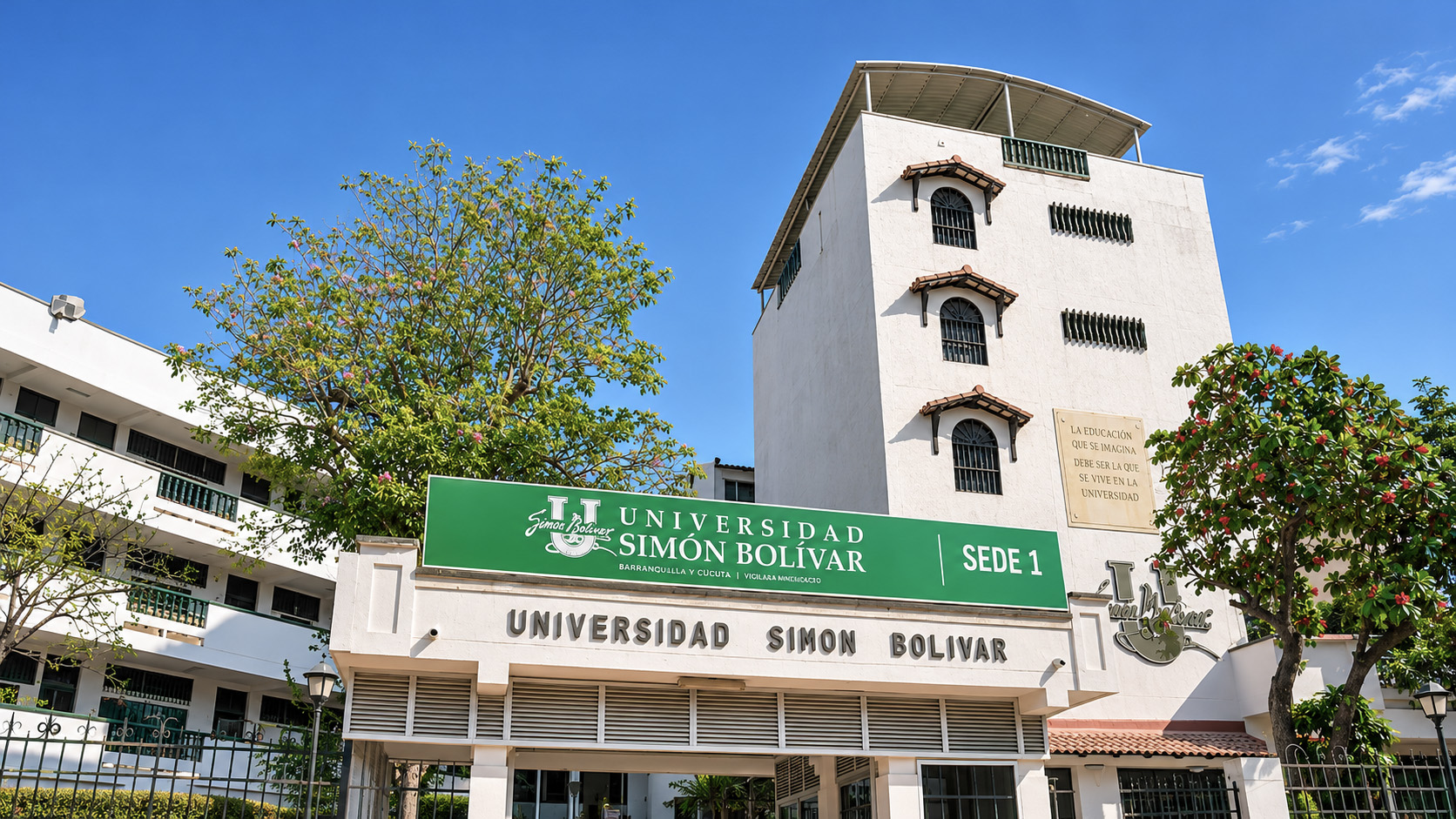
Founded in 1972 in Barranquilla, on Colombia’s Caribbean coast, Universidad Simón Bolívar is a private university holding High-Quality Institutional Accreditation from the Colombian Ministry of Education. With campuses in Barranquilla and Cúcuta, it offers undergraduate and postgraduate programs in health sciences, engineering, business, law and social sciences, and has built a strong research profile through its research groups and dedicated research and innovation centers, with a particular focus on life sciences and biomedical engineering.
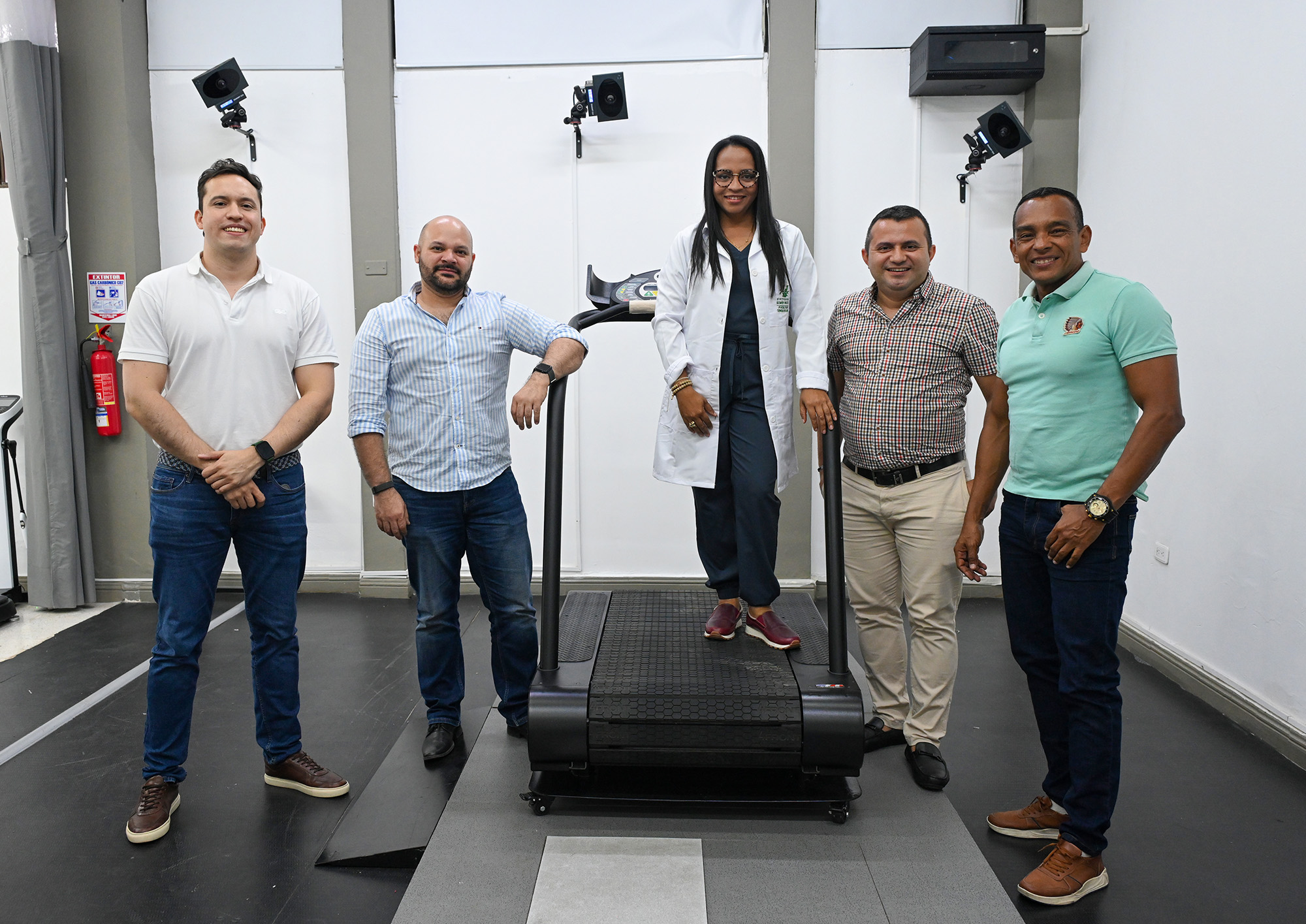
Here, a team of researchers has created the first running reference values in Colombia.
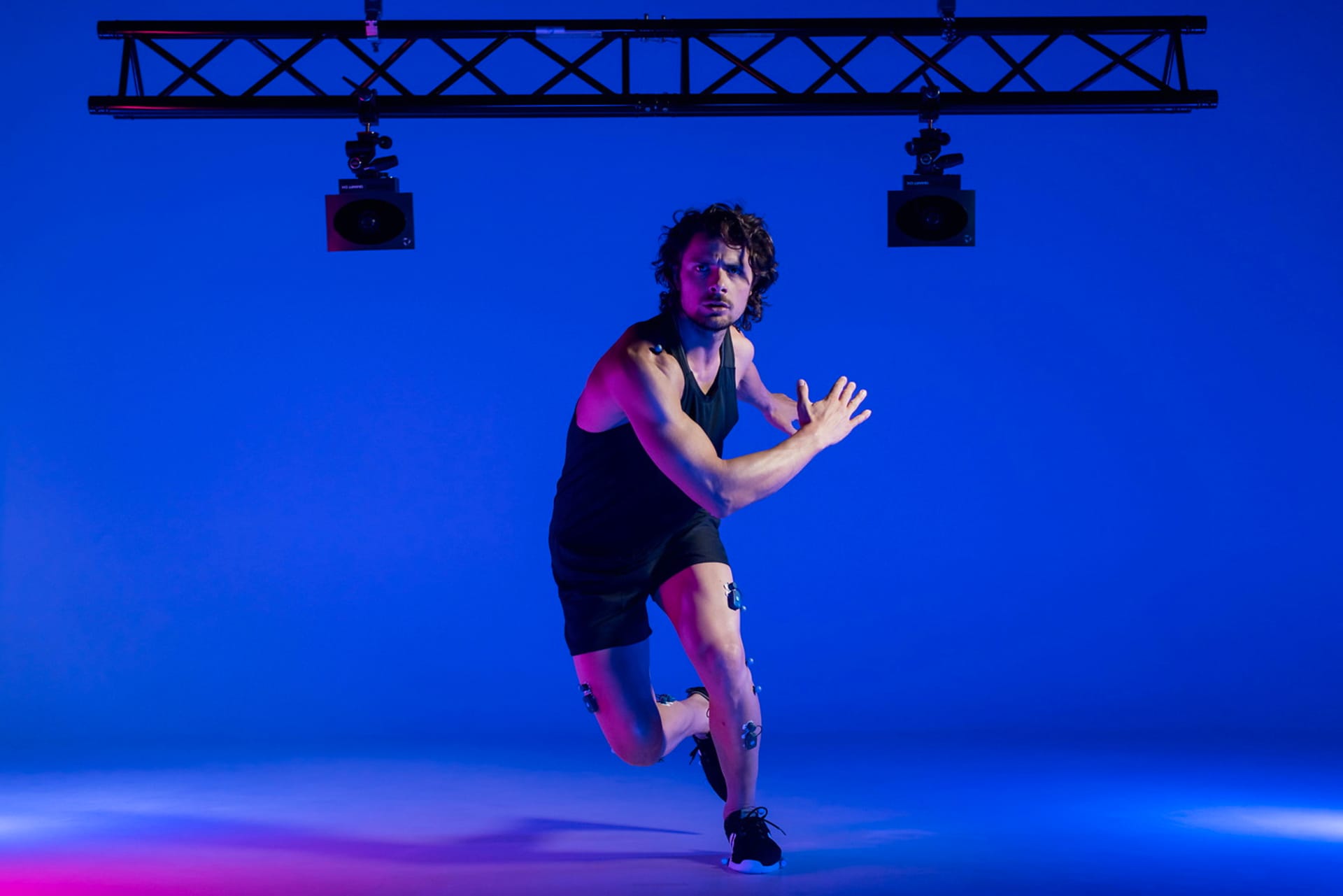
The work was born in the university’s Motion Analysis Laboratory, part of the Physiotherapy and Biomedical Engineering programs, which leads research in human biomechanics and motion analysis in Colombia’s Caribbean region. Using a BTS SMART-DX optoelectronic system, the team assessed 25 healthy recreational runners (13 men and 12 women, aged 20 to 47) on a treadmill at four controlled speeds: 7, 9, 11 and 13 km/h.
The result is a set of percentile reference ranges (P10–P90) for spatiotemporal, kinematic and mechanical running variables, such as initial contact angle, vertical oscillation of the center of mass and vertical leg stiffness, specific to the population of Barranquilla. For clinicians and coaches in the region, it is a new local benchmark for injury prevention, rehabilitation and performance.
The Challenge: Local Runners, Foreign References
Recreational running has boomed worldwide and in Latin America, and injuries have risen with it. Musculoskeletal injuries affect up to 70% of recreational runners every year, with patellofemoral pain syndrome and tendinopathies among the most common.
Until now, clinical and sports decisions in Latin America relied on reference databases from North American or European populations. Yet anthropometry, sociocultural and environmental factors, and footwear all influence how people run. When compared against foreign thresholds, normal variations in Latin American runners risked being interpreted as pathological or technically inefficient.
To build a regional standard, the team needed reference-grade technology: a system able to measure human movement with sub-millimeter accuracy and high repeatability, eliminate inter-rater error, and capture multiple consecutive cycles at increasing speeds.
How BTS Technology Is Used: High-Precision 3D Capture on the Treadmill
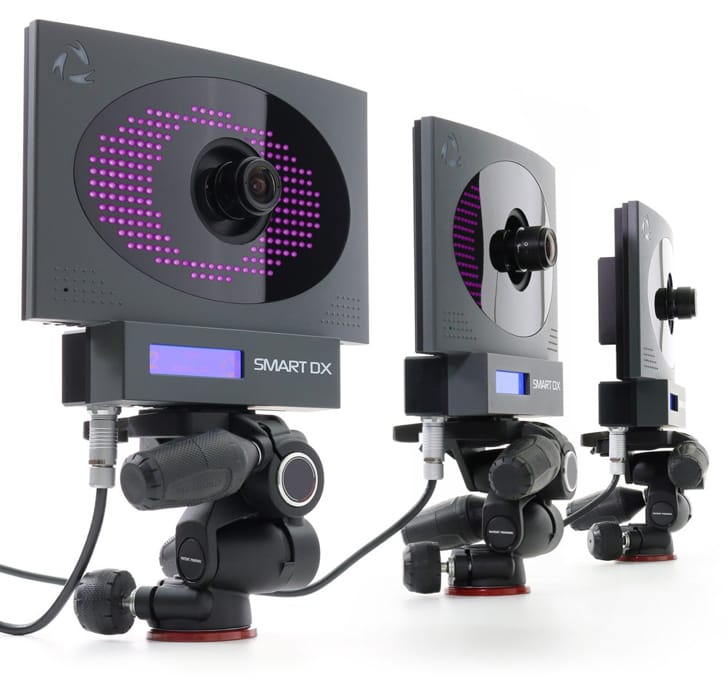
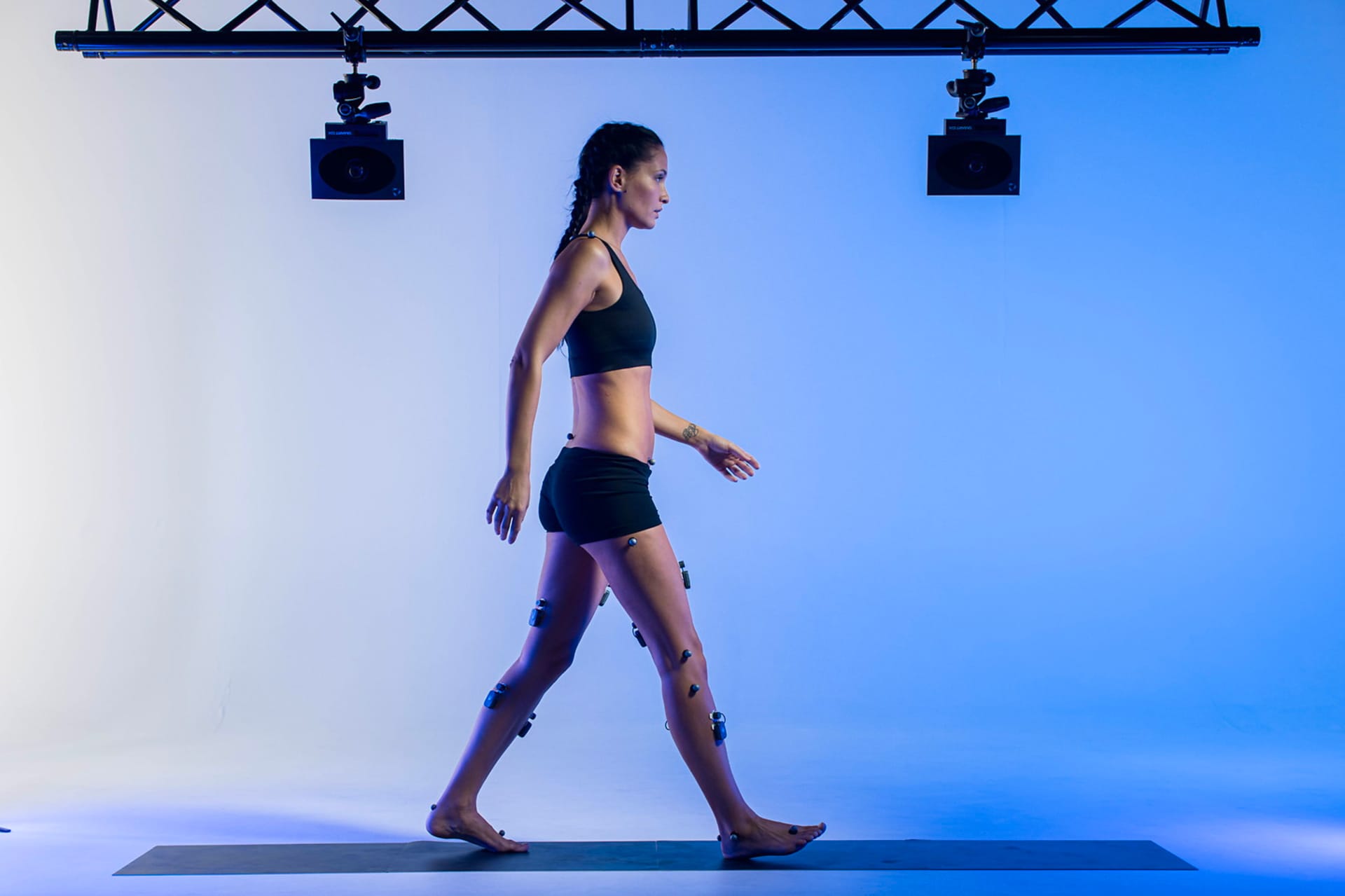
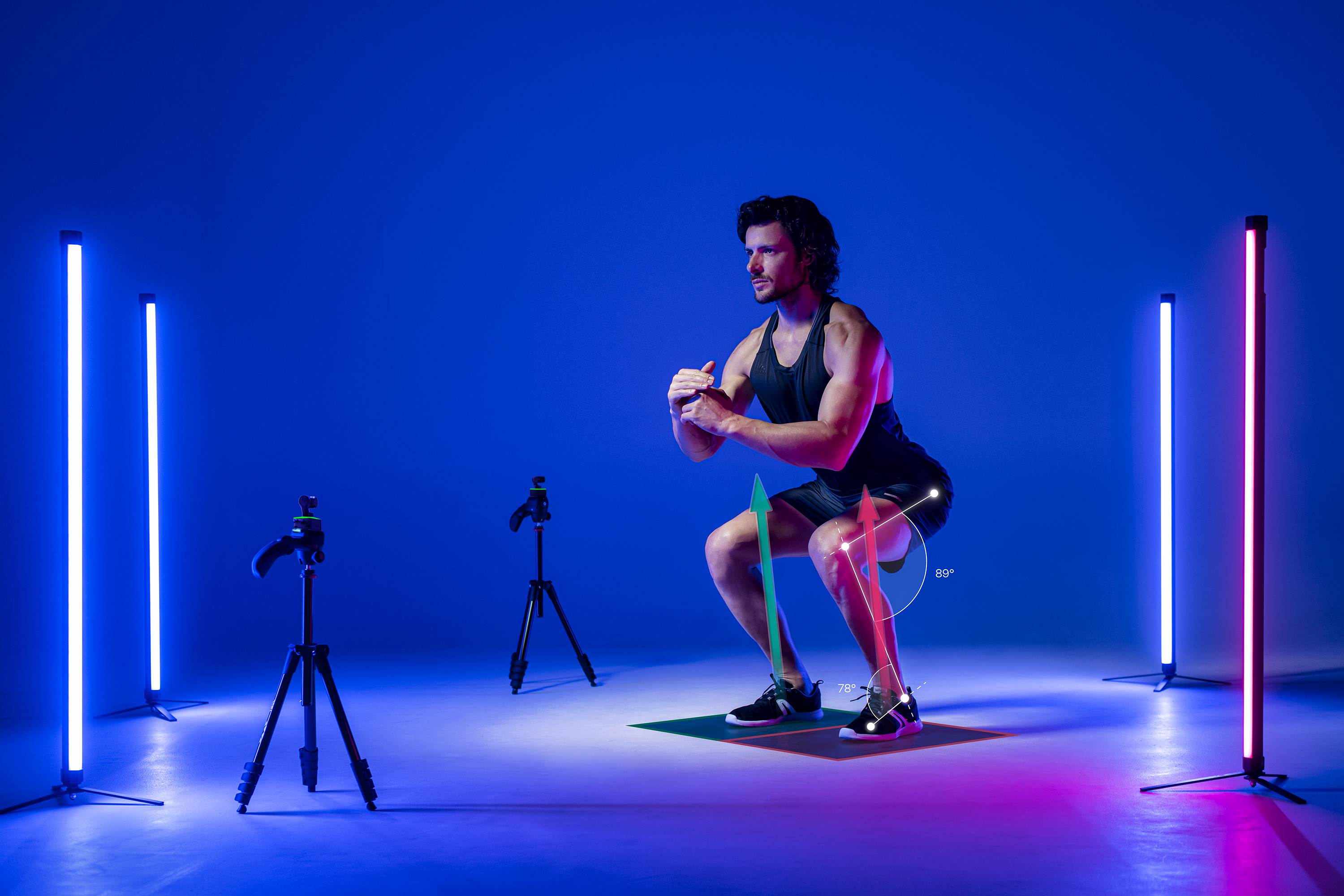
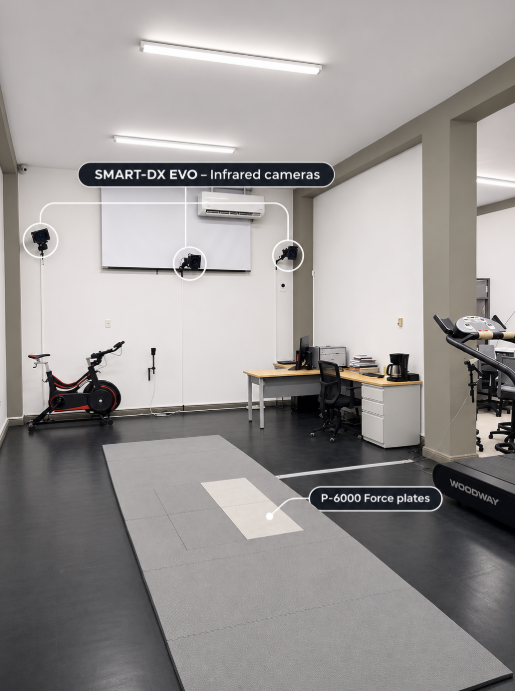
Running kinematics were recorded with the BTS SMART-DX infrared optoelectronic system, with a spatial resolution of 0.1 mm, together with BTS SMART-Clinic software. Static calibration used the Modified Helen Hayes protocol with 30 retroreflective markers.
At each speed, the team performed 35-second acquisitions on a motorized treadmill, capturing an average of about 50 complete stride cycles per limb, around 100 steps per participant. SMART-Clinic accurately identified temporal events such as initial contact and toe-off, and reconstructed the 3D trajectory of the whole-body center of mass. From there, joint angles, vertical oscillation and leg stiffness were automatically quantified using the spring-mass model.
The Change: A Local, Objective Database for Clinical and Sports Practice
With the SMART-DX system, the laboratory has become a scientific reference center for clinical biomechanics in Colombia.
The data show that runners from Barranquilla have their own biomechanical signature. Compared with European normative models, they show 6.6% shorter flight time, 19.0% lower vertical oscillation, 3.8% shorter stride length and 3.1% higher cadence. It is a flatter, more ground-integrated stride with lower vertical impact, which favors the absorption of joint loads.
Having local percentile ranges, stratified by sex and speed, has direct practical value: it helps avoid misdiagnoses, provides objective return-to-sport criteria and supports individualized training plans.
The database also lays the groundwork for the future: it provides the kinematic data needed to develop digital twins and machine learning–based predictive models.
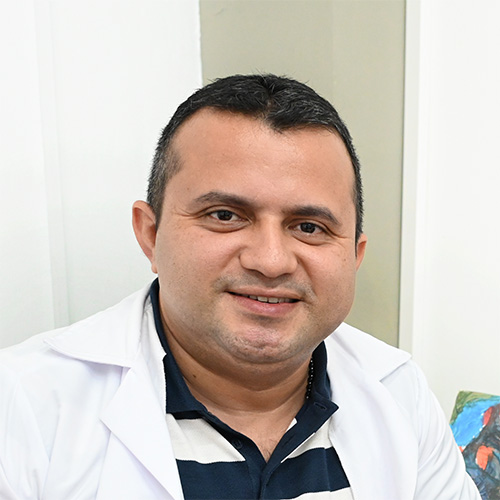
“In high-speed biomechanical analysis, reliability and spatial resolution are non-negotiable. The BTS SMART-DX system and the SMART-Clinic processing environment have given us the millimeter-level accuracy needed to break down running kinematics with complete fidelity in every stride cycle. This technology has been the instrumental pillar that allowed us to create the first kinematic reference database for runners in Colombia, giving the clinical and sports community an unprecedented objective standard to prevent injuries and optimize athletic performance.”
Why BTS
The team chose BTS Bioengineering as the international reference standard in optoelectronic motion analysis, with millimeter-level accuracy validated in biomedical research. The integration between SMART-DX hardware and SMART-Clinic software brings calibration, processing and segmental modeling together in a single environment, reducing the margin of technical error and ensuring repeatability over time.
Project Summary
BTS technologies used:
- 6 SMART-DX 400 infrared cameras
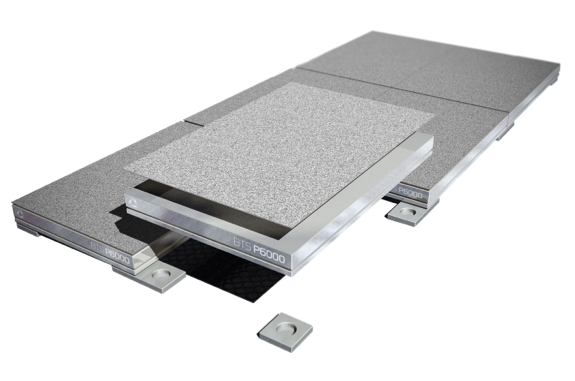
- 2 P-6000 force platforms
- 2 VIXTA 25HR video cameras
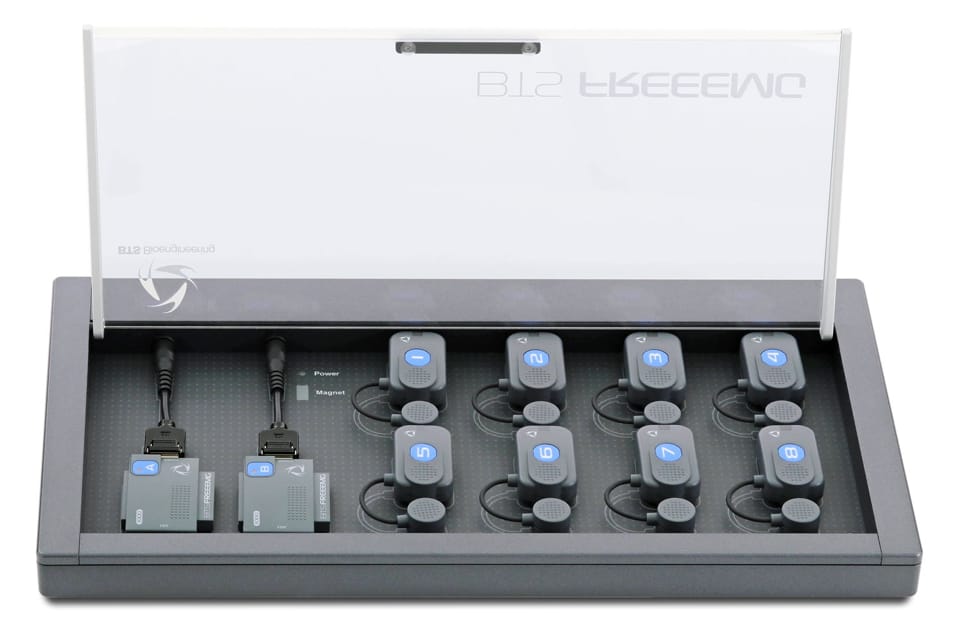
- 1 FREEEMG 1000 surface electromyograph
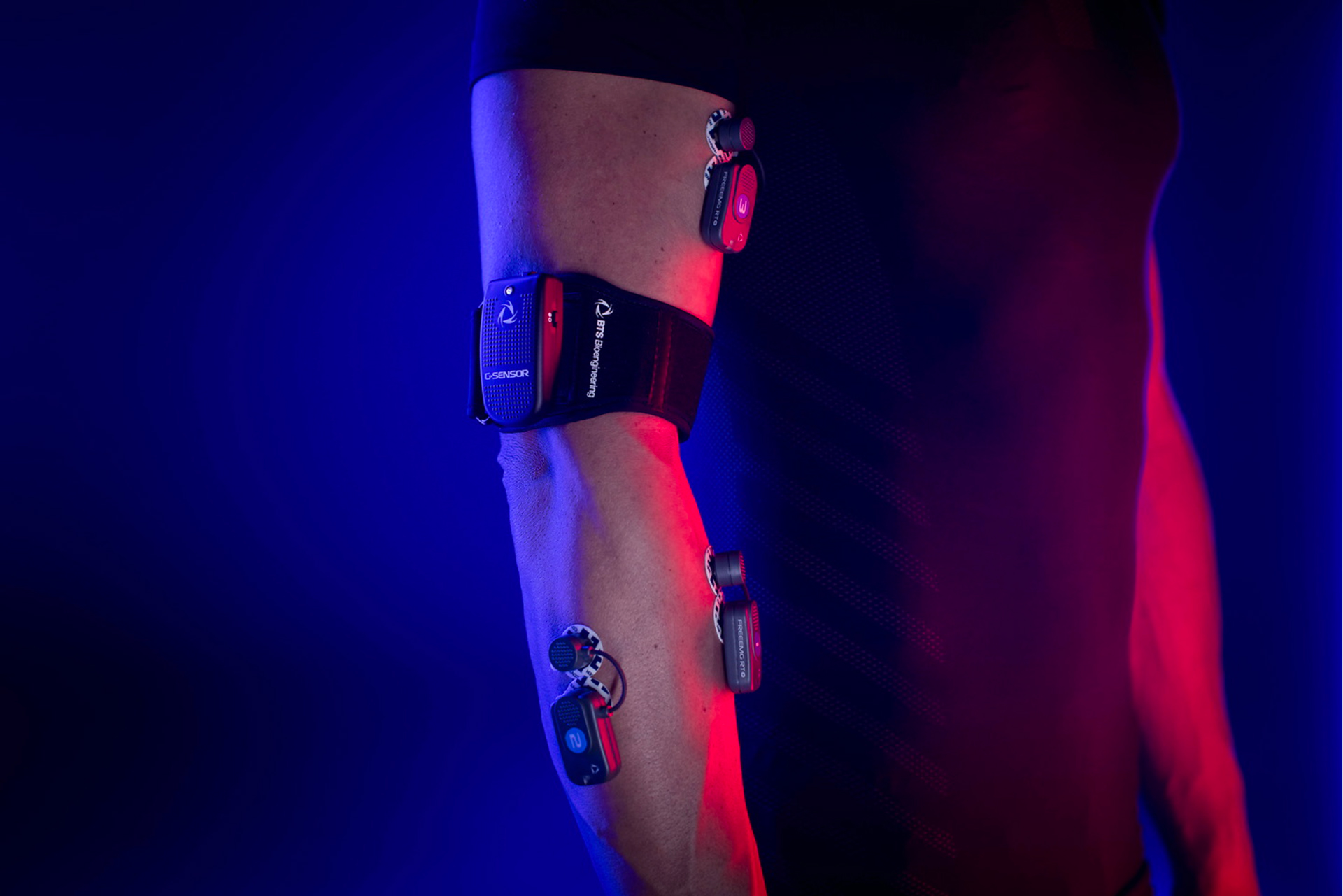
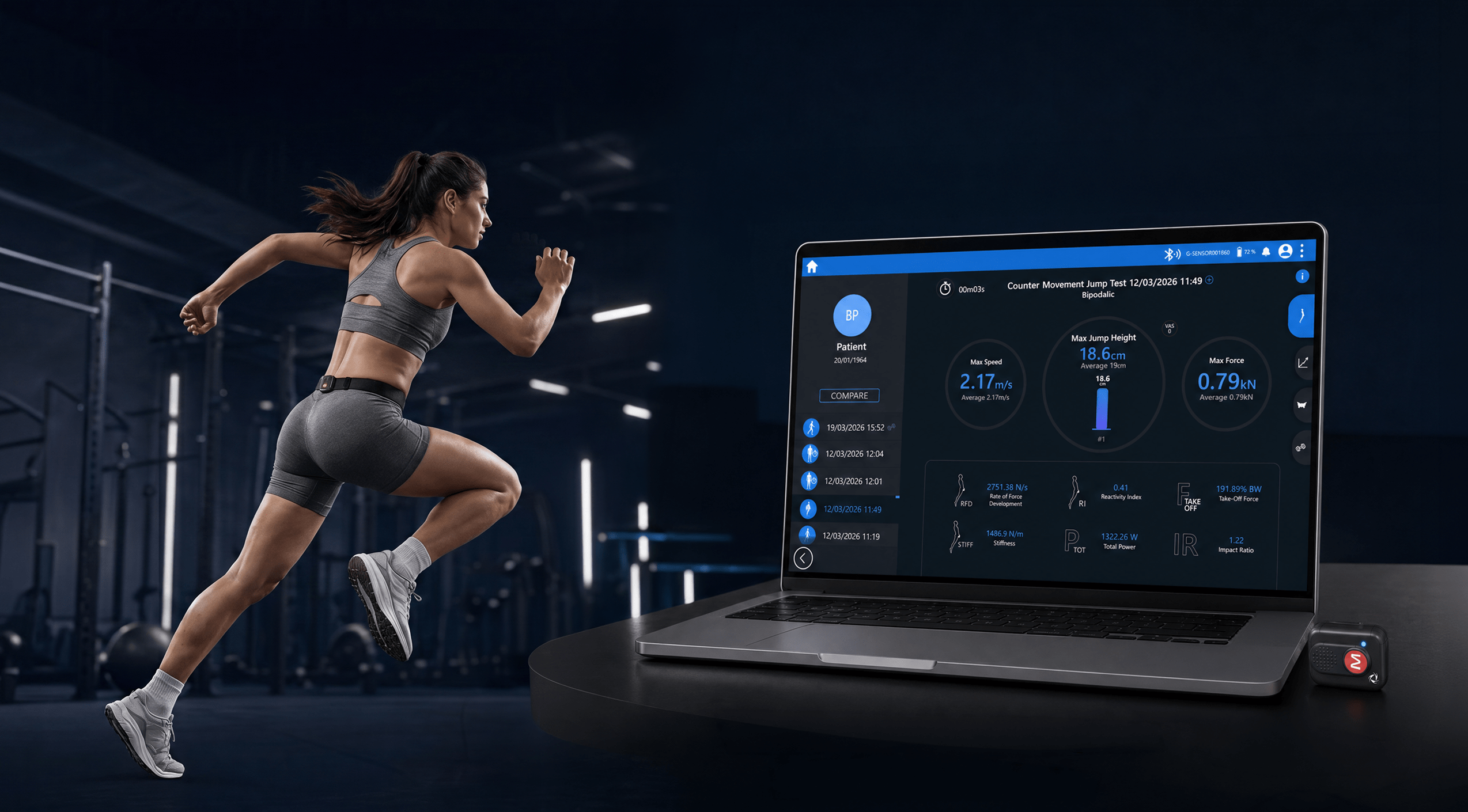
- 1 G-SENSOR inertial sensor
- SMART-Clinic software
Website: www.unisimon.edu.co
Injury data source: J. F. Esculier, J. S. Roy, and L. J. Bouyer, “Lower limb control and strength in runners with and without patellofemoral pain syndrome,” Gait & Posture, vol. 41, no. 3, pp. 813–819, Mar. 2015, doi: 10.1016/j.gaitpost.2015.02.020.
