RTS Test: Preliminary Findings on Predicting Reinjury Risk After ACL Reconstruction

How can clinicians objectively assess when an athlete is truly ready to return to sport after ACL surgery?
A recent collaborative study conducted by Istituto Prosperius (prosperius.it), the University of Florence, and BTS Bioengineering provides new insights into this question. The research highlights the potential of the Return to Sport (RTS) test to predict reinjury risk and support more informed, evidence-based return-to-play decisions.
Understanding the challenge: safe return to sport after ACL reconstruction
Returning to sport after an anterior cruciate ligament (ACL) reconstruction is one of the most critical and debated steps in an athlete’s rehabilitation process. While medical clearance is typically based on functional and psychological assessments, determining the true readiness of an athlete to resume competition remains complex and multidimensional.
In recent years, the RTS test has been introduced as a comprehensive tool to evaluate both the physical and psychological preparedness of athletes. However, its predictive validity has not been fully established.
To address this gap, the research team combined clinical expertise, academic rigor, and advanced motion analysis technology from BTS Bioengineering to conduct an in-depth study on over one hundred athletes post-ACL reconstruction.
The RTS protocol: a multidimensional assessment
The RTS test is designed to provide a holistic view of an athlete’s recovery status, combining multiple physical and mental dimensions. The standard protocol includes six complementary assessments:
- Isokinetic test – evaluation of lower-limb strength
- Single leg hop test – assessment of symmetry and plyometric ability
- Drop jump/fall test – analysis of motor control and landing stability
- Qualitative movement analysis – video-based assessment of movement quality
- Metabolic treadmill test – evaluation of aerobic endurance and exercise tolerance
- Psychological questionnaire – exploration of confidence, readiness, and fear of reinjury
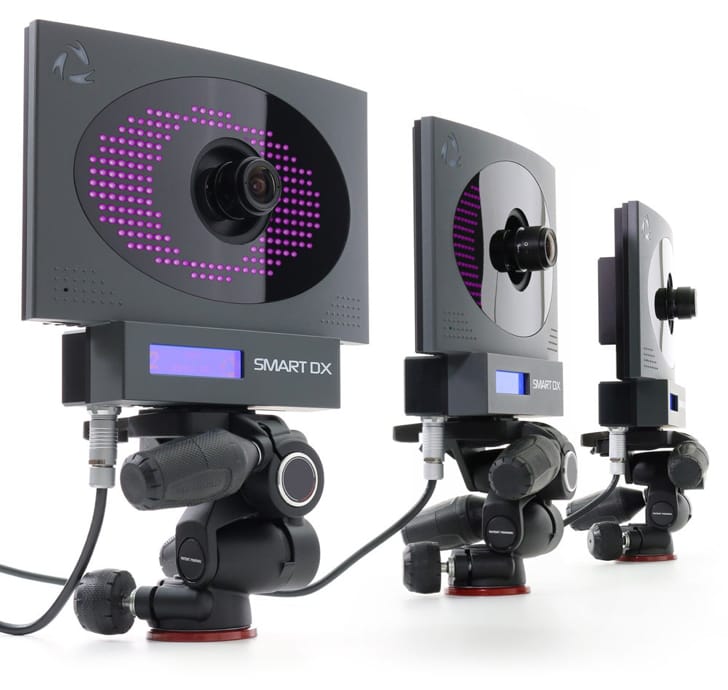
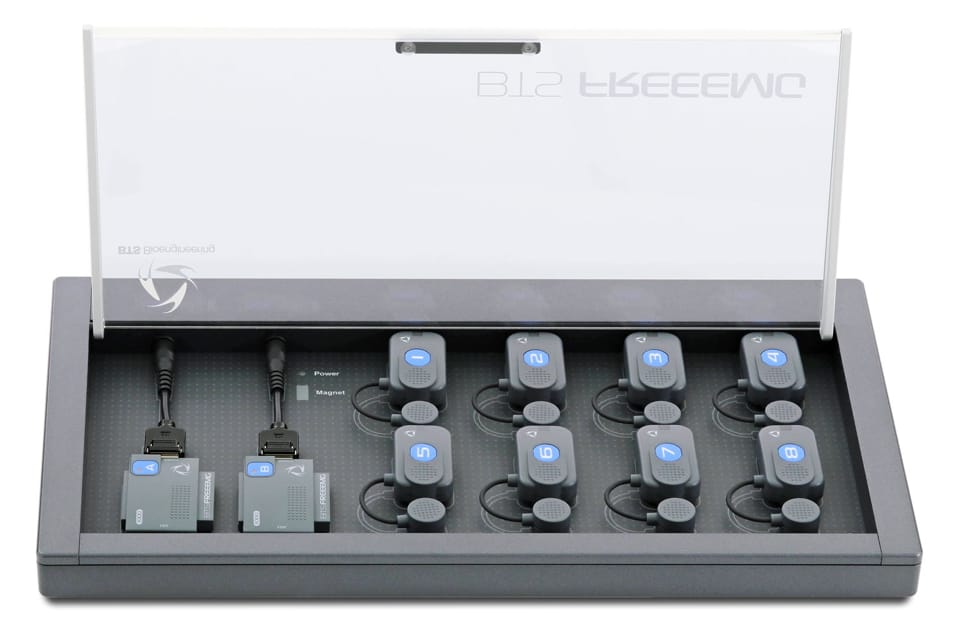
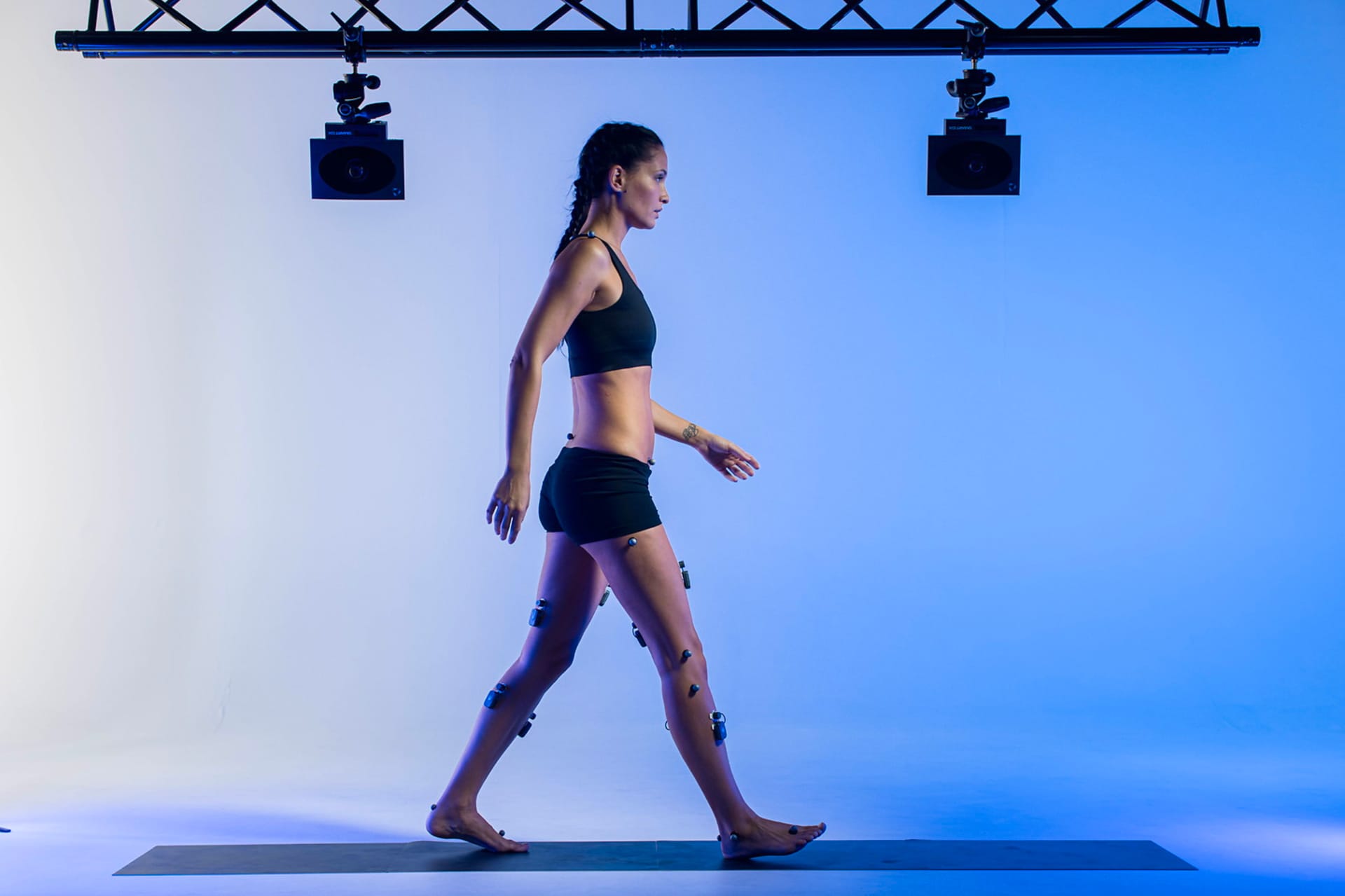
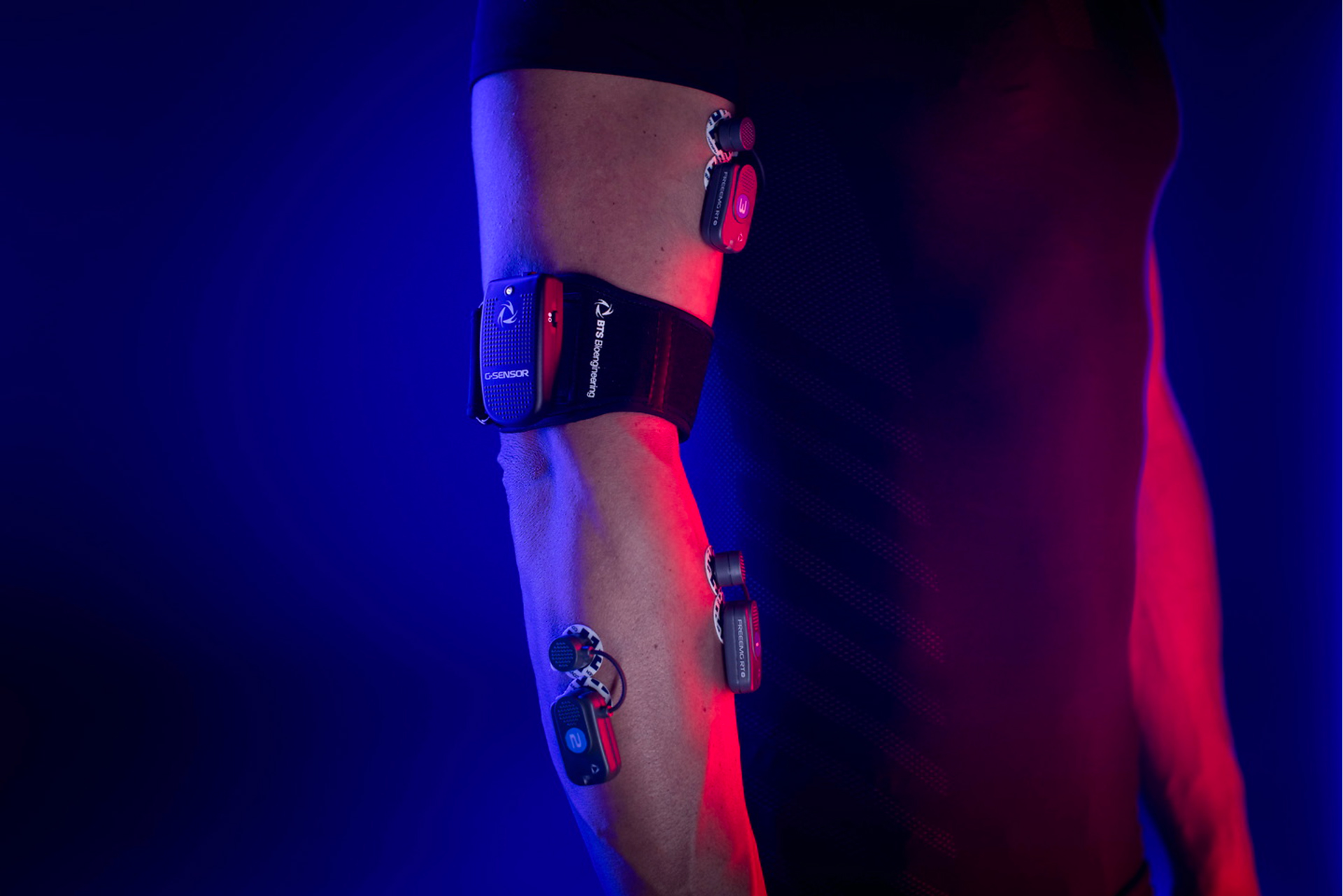
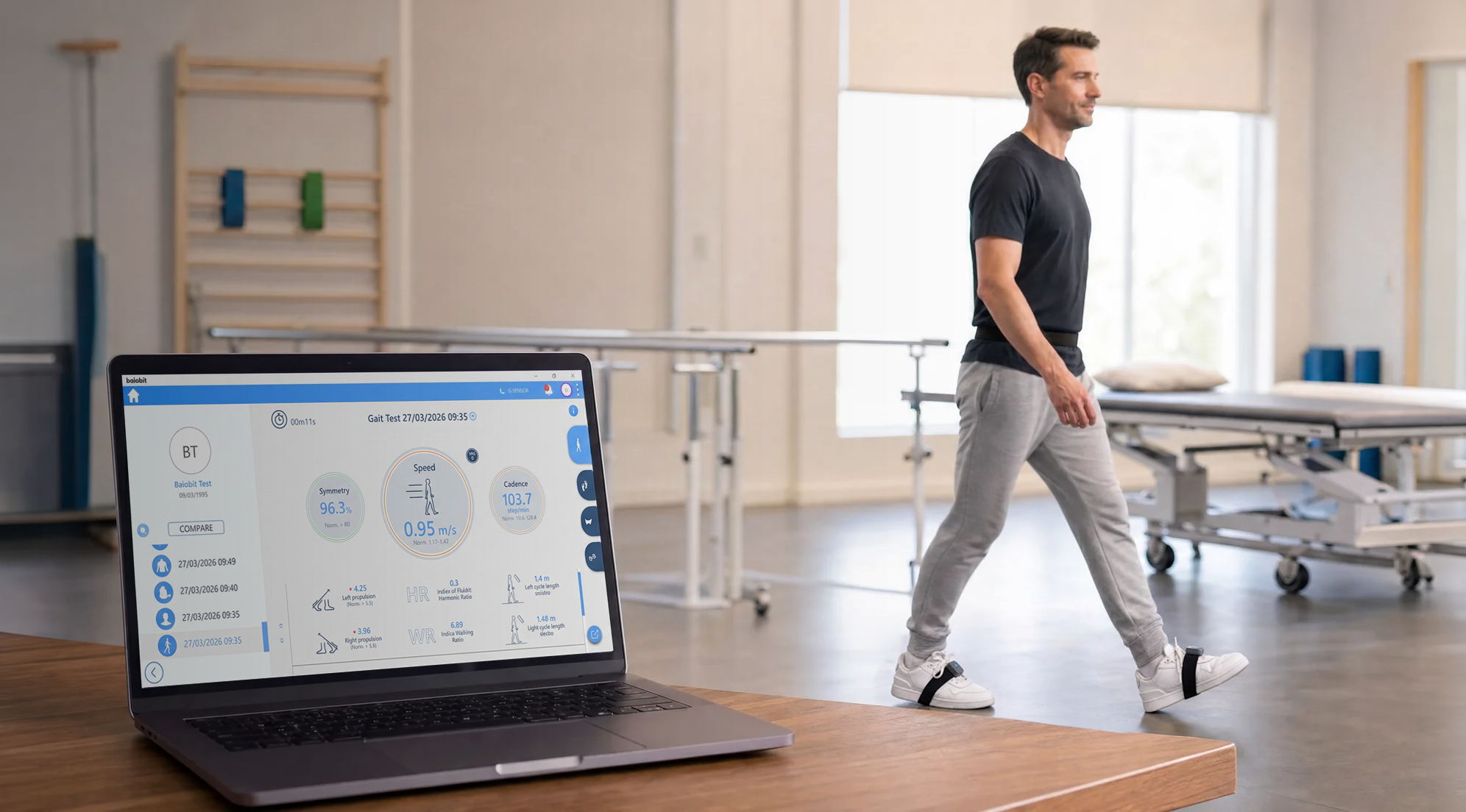
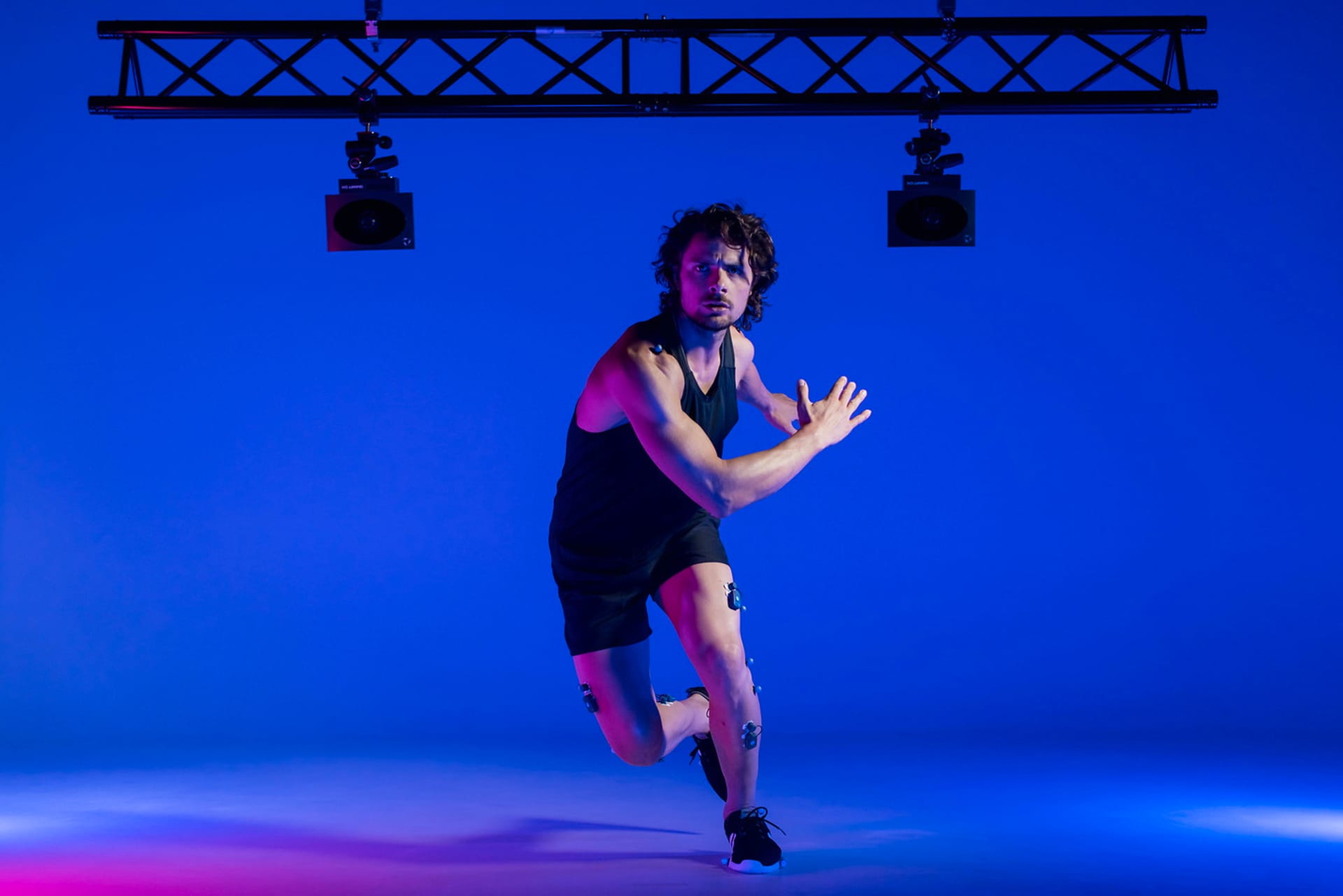
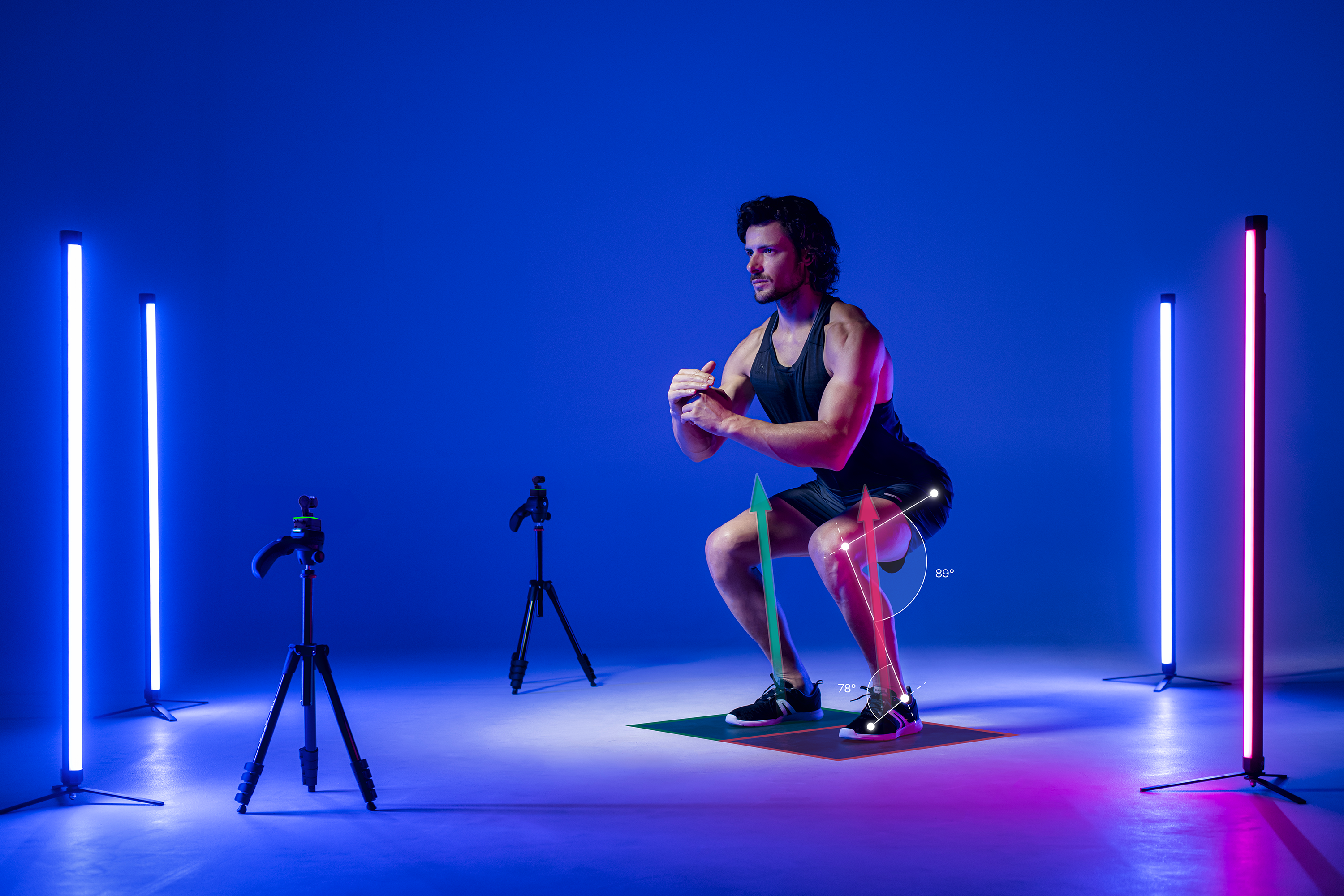
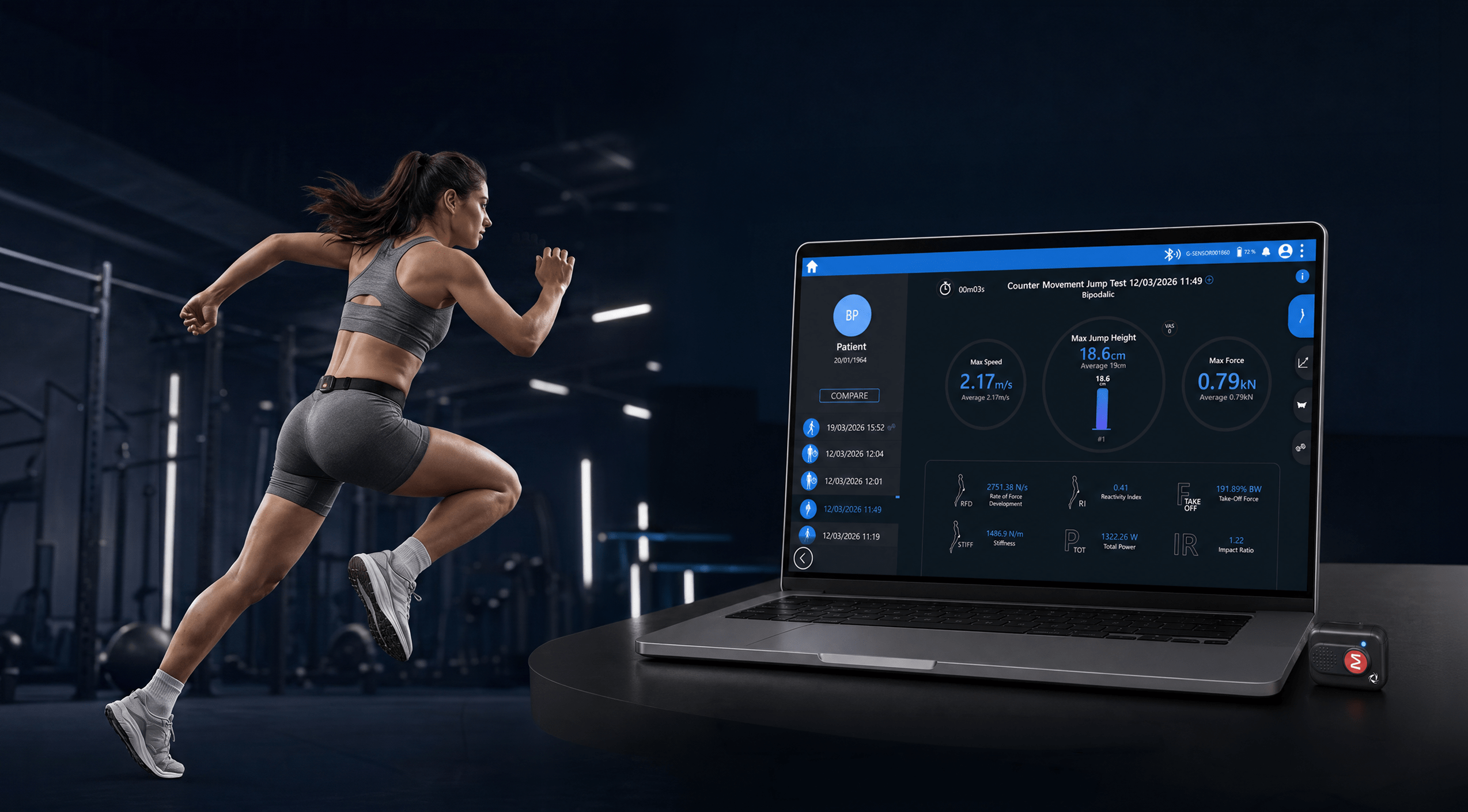
Using BTS motion analysis systems and in particular FREEEMG and G-Sensor technology, clinicians were able to collect and integrate biomechanical, neuromuscular, and psychometric data, enhancing the objectivity of the RTS evaluation.
The study: population and methods
The study involved 108 athletes who had undergone ACL reconstruction and subsequently returned to sport. The average age was 24.6 years (range 14–46). Each athlete completed the RTS test before returning to play and was monitored through a 12-month follow-up, during which reinjuries, competitive level, and psychological readiness were reassessed.
The average RTS score was 78.8 points (range 32–100), and a cut-off of 85 points was used to define whether the test was “passed” or “not passed.”
Key findings: RTS score and reinjury risk
Preliminary results revealed a statistically significant association between failing the RTS test (score <85) and higher reinjury rates (p = 0.044).
Specifically:
- Sensitivity: 77% – the test correctly identified approximately three out of four athletes who later sustained a reinjury.
- Specificity: 58% – about six out of ten athletes who remained injury-free passed the test.
In other words, athletes who did not meet the RTS threshold were significantly more likely to experience reinjury within a year. These findings suggest that the RTS test, while not conclusive on its own, can serve as a valuable screening tool for clinicians to assess risk before approving a return to sport (Fig.1).
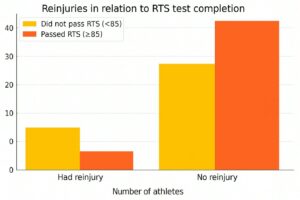 |
Fig 1. Relationship between RTS test completion (cut-off ≥85) and reinjury rate. Athletes who did not pass the test showed a higher recurrence of ACL injuries within 12 months.
|
The role of psychological readiness
Beyond physical performance, the study explored the psychological dimension of recovery.
Athletes who expressed higher levels of confidence and self-efficacy—for example, believing they could perform at their pre-injury level—tended to score higher on the RTS test.
This moderate yet consistent correlation highlights the importance of incorporating mental readiness into the return-to-sport decision-making process. A successful recovery is not only about physical strength and biomechanics, but also about trusting one’s body again.
Rehabilitation time: not the only factor
Interestingly, the length of the rehabilitation period was not significantly different between athletes who did and did not experience a reinjury.
This finding indicates that time alone is not a reliable measure of recovery. Instead, a combination of objective functional data and psychological assessment provides a more accurate and individualized picture of readiness.
Conclusions and future directions
Although these findings are preliminary, they are promising and point toward the potential of the RTS test as a clinically meaningful tool for guiding return-to-sport decisions after ACL reconstruction.
When combined with biomechanical and psychological indicators, the RTS protocol may help clinicians better identify athletes at risk and reduce reinjury rates—contributing to safer and more personalized rehabilitation strategies.
This collaborative project between Centro Prosperius, the University of Florence, and BTS Bioengineering underscores the value of integrating scientific research, clinical practice, and advanced technology in sports medicine.
BTS Bioengineering remains committed to supporting research and clinical innovation through motion analysis systems that help professionals translate data into better outcomes—empowering athletes to return to sport with confidence, safety, and measurable readiness.
