NIRVANA 3.0: Revolutionising Rehabilitation with Semi-Immersive Virtual Reality

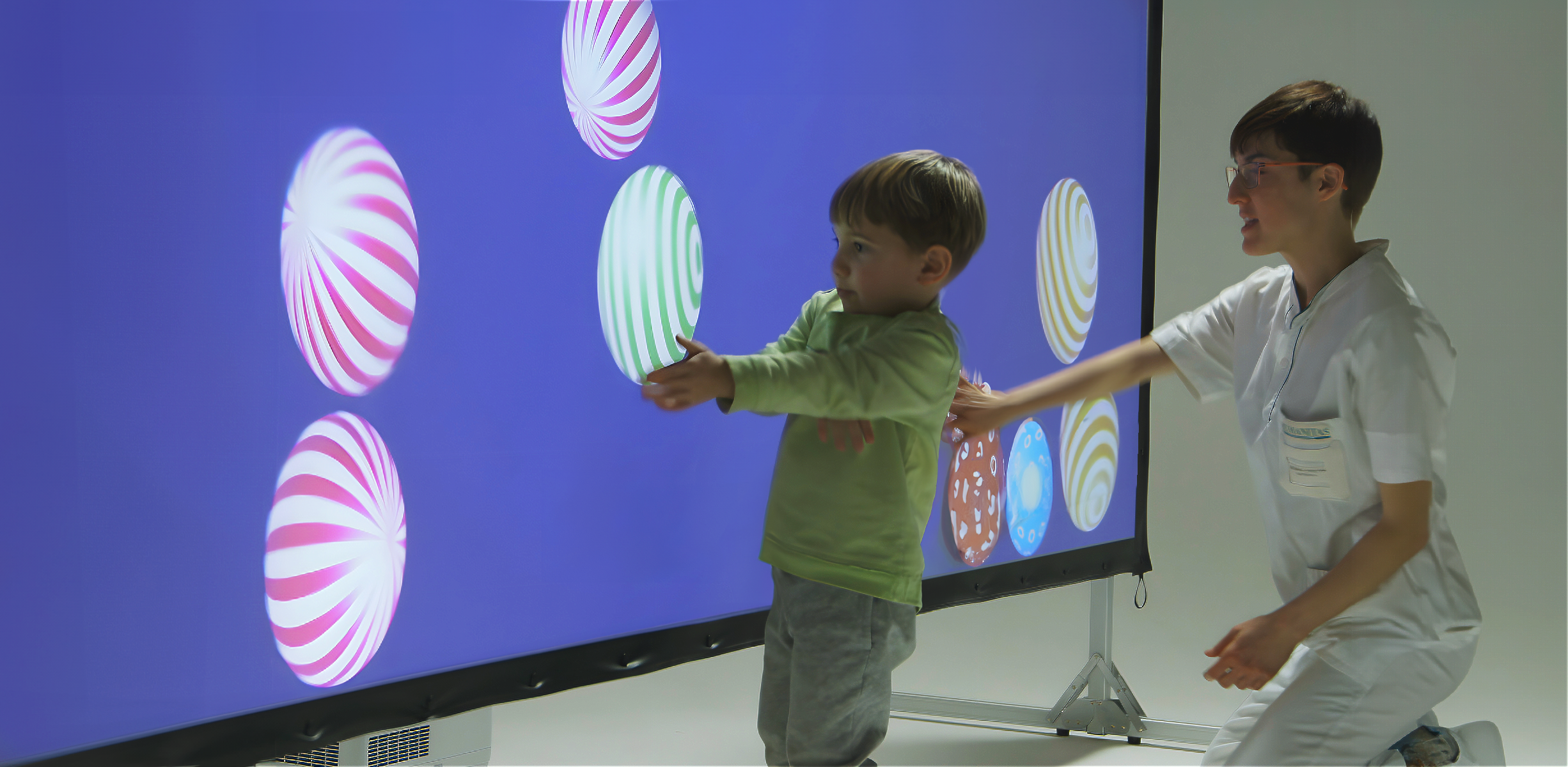
In recent years, clinical literature has shown that semi-immersive virtual reality can enhance motor and cognitive outcomes and improve adherence to programmes compared to traditional exercise. Room-scale solutions such as NIRVANA 3.0 allow patients to move freely without headsets or gloves, reducing the risk of cybersickness and better integrating into the therapist’s workflow.
The Benefits of Semi-Immersive Virtual Reality
Clinical research has shown that semi-immersive systems like NIRVANA 3.0 are superior to traditional VR headsets for several reasons:
NIRVANA 3.0: new features that make a difference
Sensor 3.0 (updated hardware)
- ✔️ Reduced latency (internal data): from ~22 ms to ~11 ms ⇒ more responsive feedback.
- ✔️ One-click auto-calibration: ready to use in seconds.
Why it matters: Latency and calibration directly impact naturalness, feedback accuracy, and useful processing time.
Markerless Skeleton Tracking
- ✔️ Up to 20 joints with left/right distinction.
- ✔️ Real-time calculation of asymmetries and movement smoothness.
Why it matters: enables targeted corrections during sessions and objective progress tracking.
Multi‑Detection (Multi-blob)
- ✔️ Detects up to four interaction points (e.g. both hands and/or feet).
- ✔️ Enables bilateral and dual-task activities (motor + cognitive).
Why it matters: more complex and coordinated gestures, essential in neurorehabilitation (post‑ictus, SM, paediatrics).
Dual-Sensor Configuration (optional)
- ✔️ Extended coverage with reduced blind spots.
- ✔️ More natural interactions even with wheelchairs or aids and in movements with a wide range of motion.
Why it matters: greater spatial freedom and feedback quality in dynamic scenarios.
Integration with the BTS ecosystem
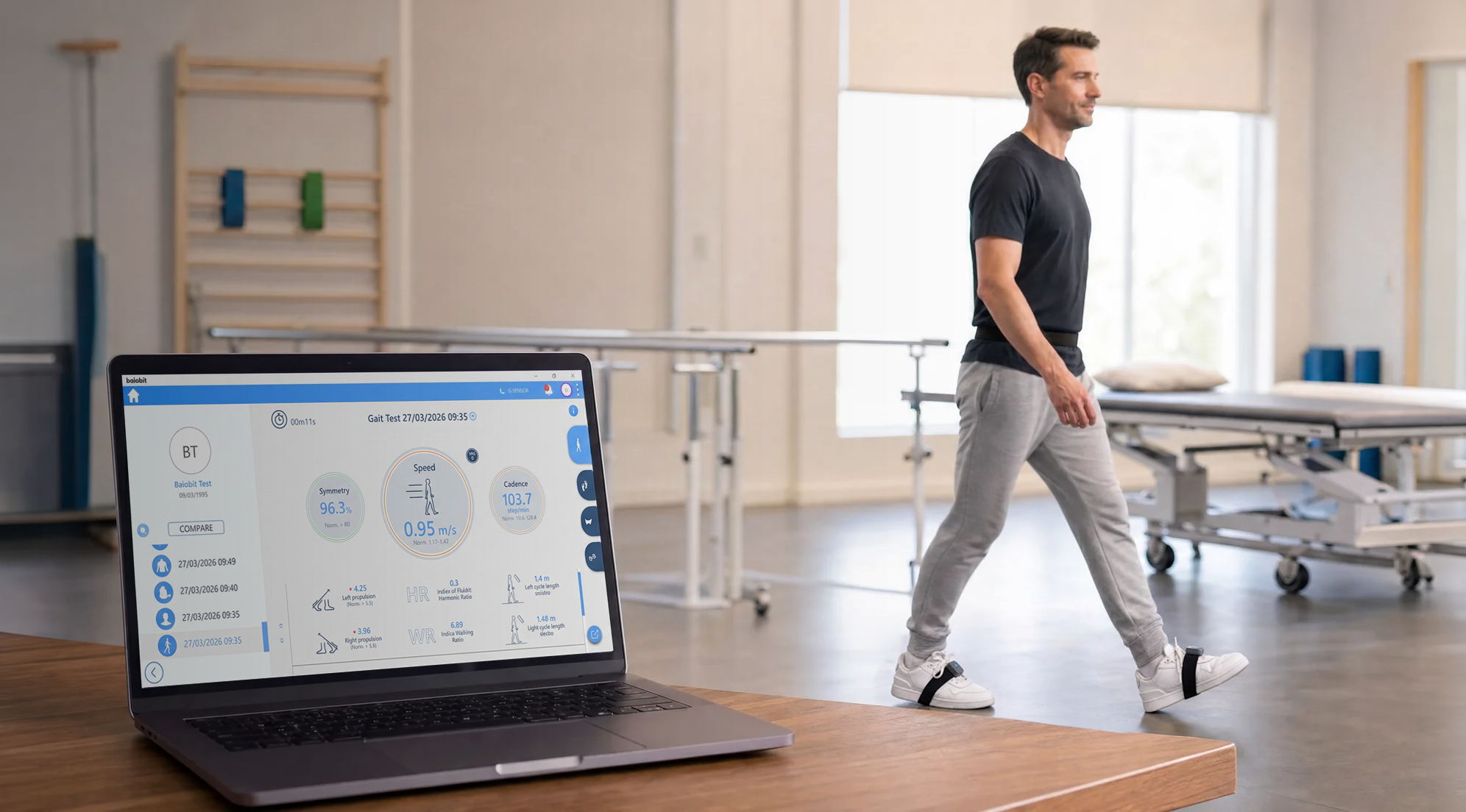
- ✔️ BAIOBIT for spatiotemporal gait/balance parameters.
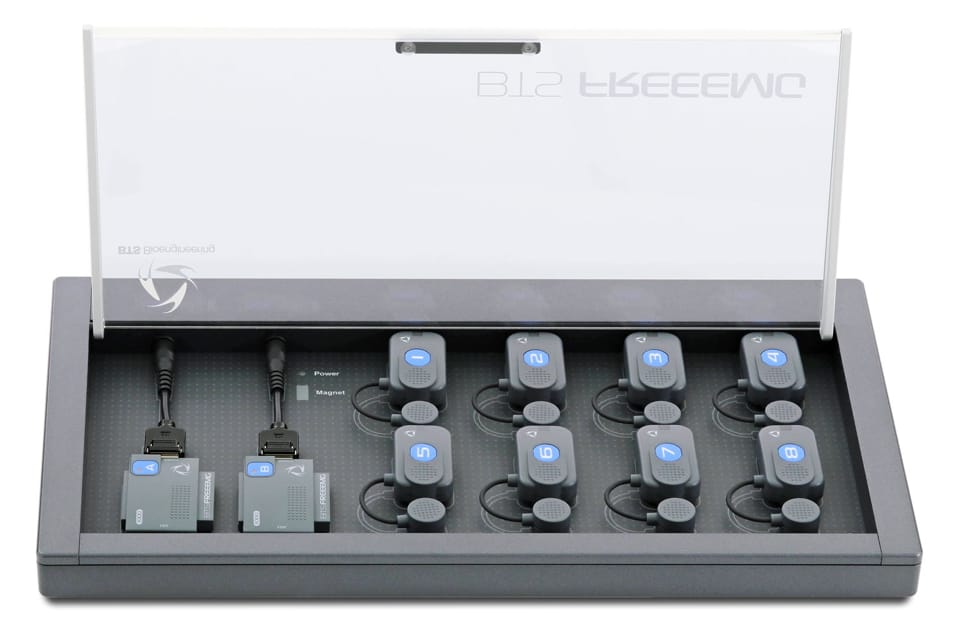
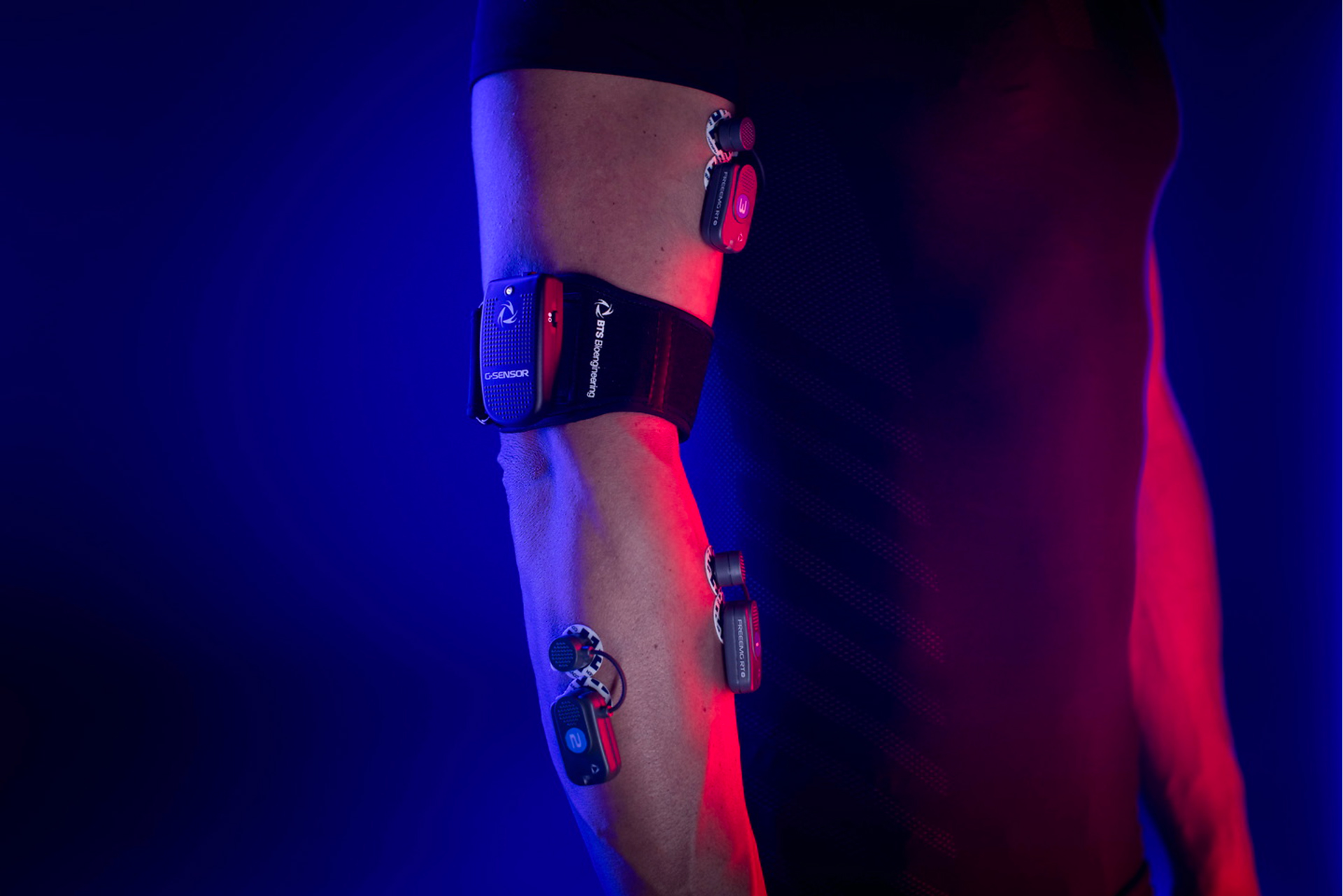
- ✔️ FREEEMG to analyze muscle activation.
- ✔️ Unified report (PDF + raw data): trends, asymmetry indexes, session notes in one place, supporting the multidisciplinary team.
These new features are considered a “game changer” in terms of research and publications, making the system easier and faster to use on a daily basis with more patients, improving clinical routine quality and research analysis opportunities.
Want to know more about the advanced features of NIRVANA 3.0?
Roadmap of Future Updates
BTS Bioengineering has a clear and strategic roadmap for the continuous evolution of NIRVANA 3.0, ensuring cutting-edge technological updates and new features for the digital rehabilitation of the future:
Dual-Sensor Integration
Status: Implemented
Extended spatial coverage and reduced blind spots for more accurate and natural motor rehabilitation.
Ongoing updating of the exercise library
Status: Ongoing
New cognitive and motor exercises released every quarter, developed with scientific evidence for neurorehabilitation, paediatrics and geriatrics.
Integration of BAIOBIT Inertial Sensors
Timeline: Early 2026
Objective motor assessments before and after treatment with advanced biomechanical analysis for spatio-temporal movement parameters.
New Advanced Unified Report
Timeline: Within 12 months
Integrated dashboard combining all markerless skeletal tracking data, motor parameters, cognitive progress, and advanced analytics for the multidisciplinary team.
🎯 Continuous Innovation: The NIRVANA 3.0 roadmap ensures your investment in rehab technology stays cutting-edge
Benefits for Clinicians and Patients
Clinical Applications and Case Studies
NIRVANA 3.0 can be used with a wide variety of patients, from neurodegenerative diseases to paediatric rehabilitation, to treat motor and cognitive disorders in an immersive and motivating way.
🧠 Stroke
A 2025 study of 22 patients showed that combining NIRVANA with conventional therapy improves upper limb mobility (shoulder and hand) more than standard therapy alone.
Conclusion: NIRVANA is safe and effective, even for therapists and doctors.
🧬 Multiple Sclerosis (MS)
In a study of 60 patients, the group treated with NIRVANA showed more significant cognitive improvements (memory, attention) and motor skills than the control group.
Why it works: it stimulates multisensory integration and motivation.
🧒 Global Developmental Delay / Autism
After 20 intensive sessions, children with autism spectrum disorders showed increased brain connectivity (EEG) and improvements in socialisation, communication, and daily skills.
Immersion offers enormous potential in paediatric rehabilitation.
Discover the full potential of NIRVANA 3.0 in immersive rehabilitation!
