Bassano Cremonesini Institute for Mental Disabilities
A Center of Excellence Specializing in the Care of Individuals with Neurodevelopmental Disorders

Beyond Assistance: The Bassano Cremonesini Institute Transforms Rehabilitation into Functional Recovery
The Bassano Cremonesini Institute for Mental Disabilities, a historic foundation in Lombardy dedicated to the care of individuals with mental disabilities, is evolving its rehabilitative approach. Building on a solid tradition, the Institute is now embracing innovation by introducing unconventional methods and advanced technologies such as immersive virtual reality. The goal is to overcome the challenges posed by complex conditions, enhancing psychomotor and cognitive abilities and stimulating patients’ motivation, to achieve stable and lasting functional recovery.
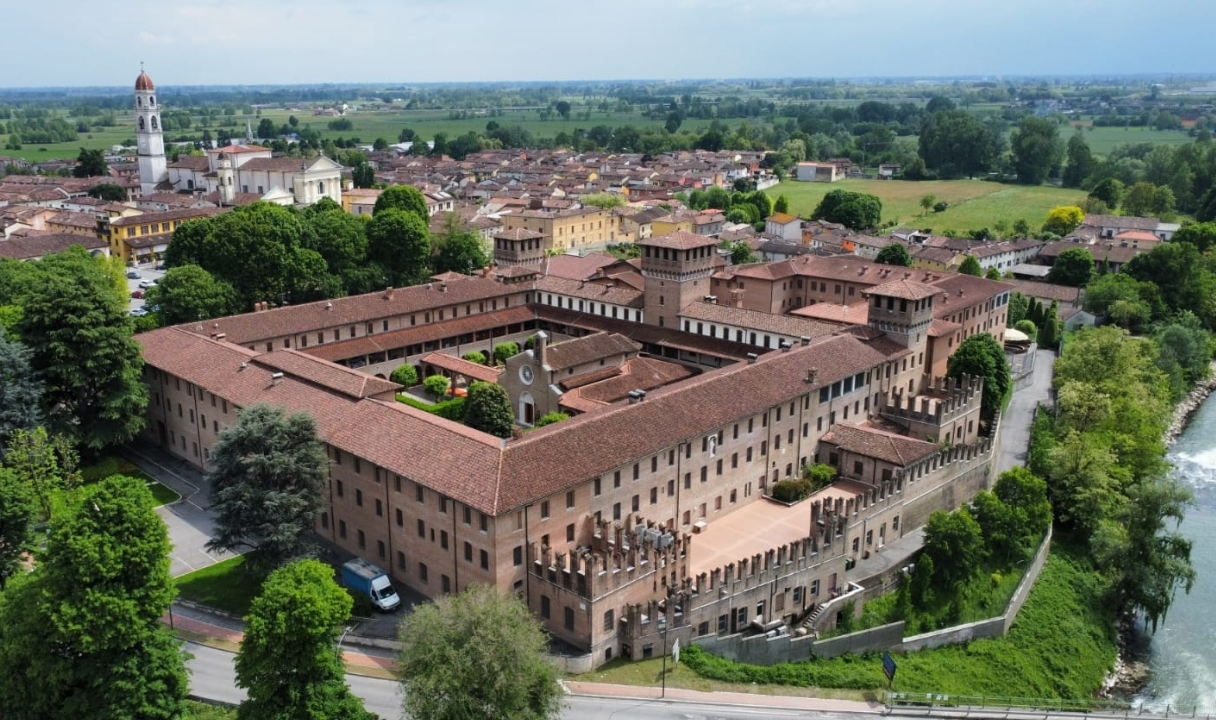
The Bassano Cremonesini Institute for Mental Disabilities is currently one of the largest facilities in Lombardy, comprising a Nursing Home (R.S.A.) with a capacity of 180 beds and a Residential Facility for the Disabled (R.S.D.) with 140 beds. Since 2004, it has been a non-profit foundation with private legal status.
The Institute’s premises cover an area of 23,000 square meters and include a central porticoed building that still preserves the ancient structure of the original “Castle” — a defensive stronghold protecting Brescia’s territorial and commercial interests against neighboring Cremona. Its origins likely date back to the 12th century. The founder of the Institute, Monsignor Bassano Cremonesini, purchased the property on February 6, 1900, from Countess Costantina Borromeo, and in 1901 announced the creation of a new charitable institution. On December 14, 1911, the Institute was legally recognized as a Moral Entity by Royal Decree.
Over time, the Institute has undergone inevitable transformations through expansions, continuous renovations, and the refinement of its organizational guidelines, all aimed at strengthening its mission: to guarantee a high quality of life while respecting each individual’s uniqueness, privacy, and dignity, addressing their physical, social, and psychological needs as a whole. Alongside qualified and continuous care, the Institute implements diverse rehabilitative programs focused on the development, integration, and functional enhancement of physical, psychomotor, and cognitive abilities. The facility offers a wide range of well-equipped spaces, including two gyms, a swimming pool, several workshops, a music therapy room, and a Sensory Room.
The Institute is deeply rooted in strong traditional values, which are essential for upholding ethical principles and ensuring comprehensive, high-quality care for the individual. Its gradual openness to innovation and the transformation of working methods already represent a major challenge, as they aim to break down rigid mindsets in environments where care and support dominate daily life — yet where rehabilitation is still often entrusted exclusively to technical staff.
This challenge becomes even more significant when considering the psychopathological complexity of the residents, which often allows only for the mitigation of symptoms or the slowing of progressive decline. Our goal is to sustainably enhance psychomotor and cognitive abilities, to recover dormant capabilities, and, most importantly, to elicit new skills in adult and chronic patients.
Moving from facilitating therapeutic environments — such as virtual reality — to real-world application will be our next major commitment.
A rehabilitative process capable of producing substantial and lasting transformations in patients — typically affected by psychiatric or neuropsychiatric disorders — requires consistent participation over an extended period of time. The use of non-traditional approaches began several years ago through the implementation of structured and advanced projects designed to stimulate multiple motor, psychomotor, and relational functions simultaneously, with progressive goals and the capacity to foster new expectations in the patient.
One such initiative was the creation of an integrated volleyball team, which is currently participating in competitive circuits. Innovative methods spark curiosity, ensuring engagement, help maintain attention throughout the rehabilitative process, and foster desire and motivation.
“To better understand the world we belong to, we must learn to explore.
It begins by imagining something that doesn’t yet exist,
feeling a wave rise within us that demands evolution.
Even more powerful are the emotions that unfold
when we tenaciously transform an idea into a project.
Every stimulated neuron, every virtual experience, every piece of collected data…
is a step toward a deeper understanding of who we are —
and who we might become.”
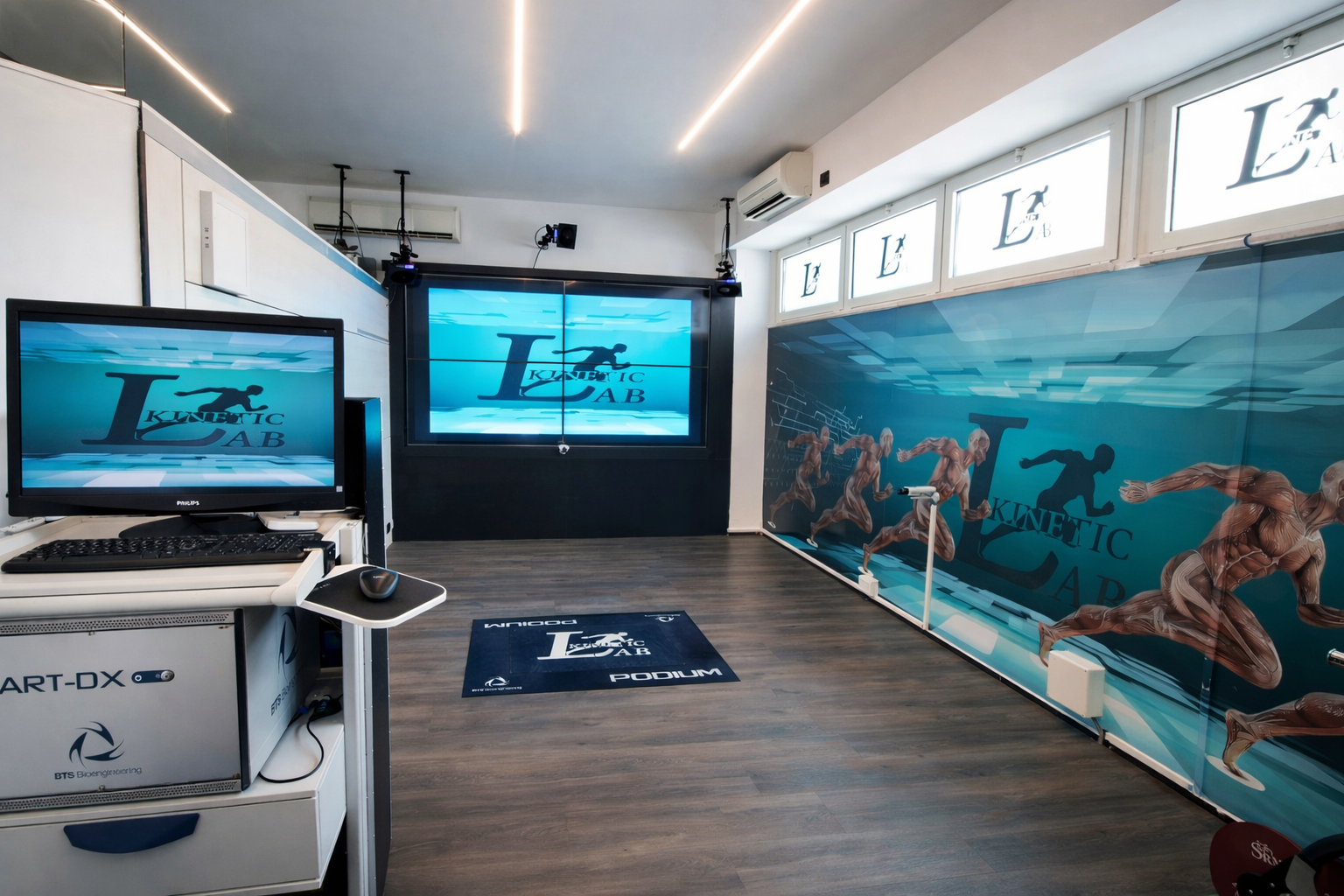
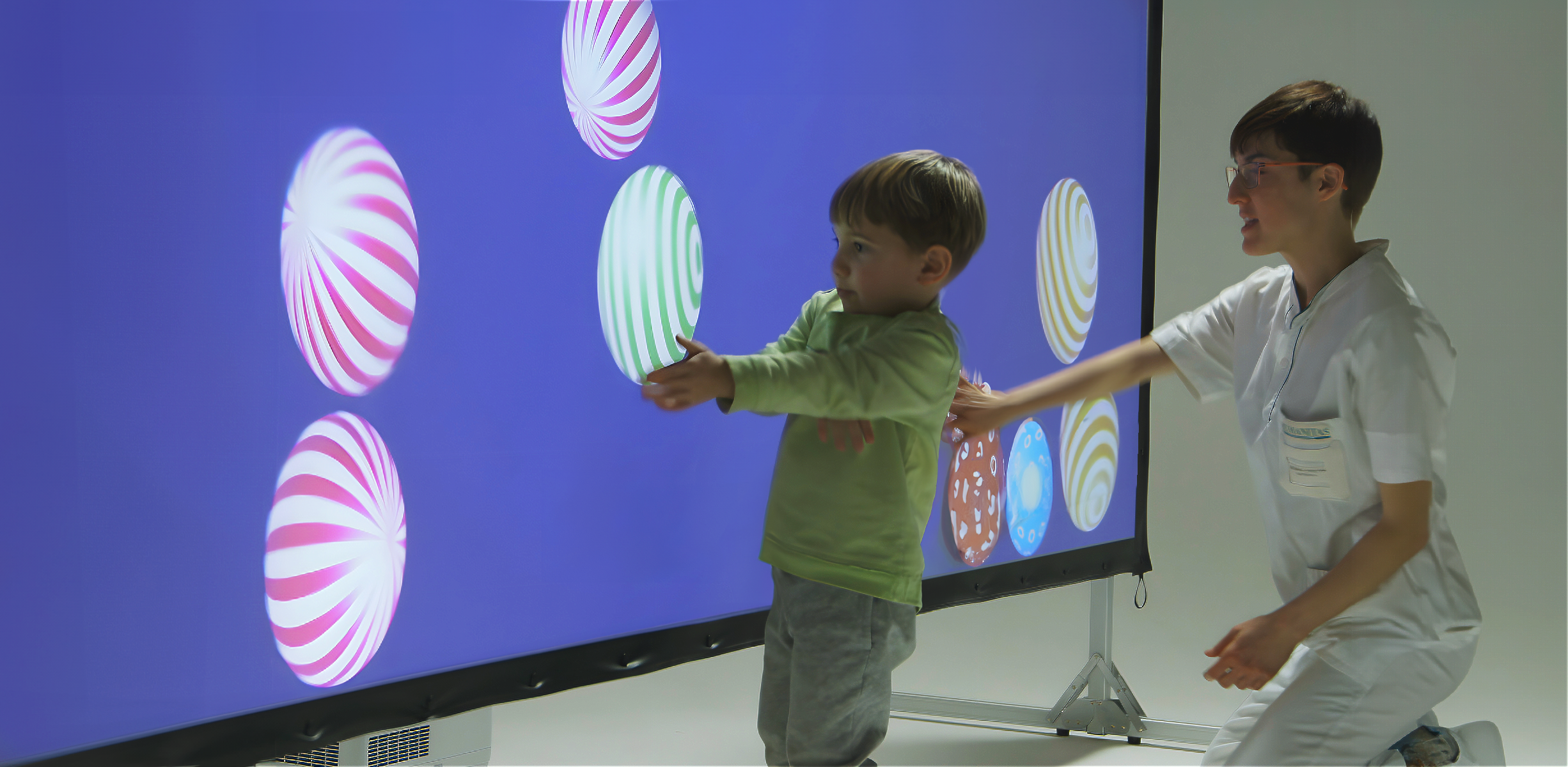
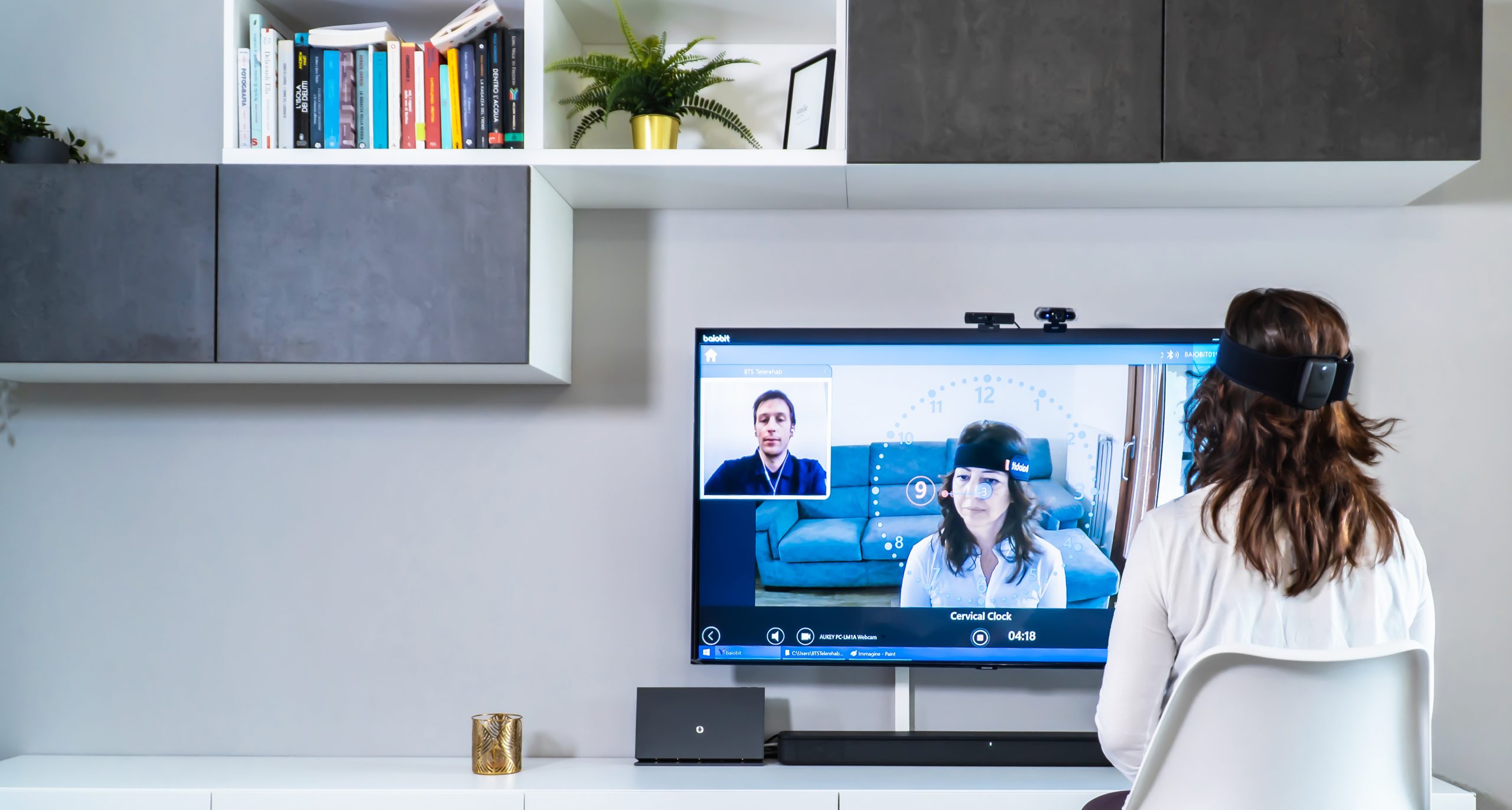
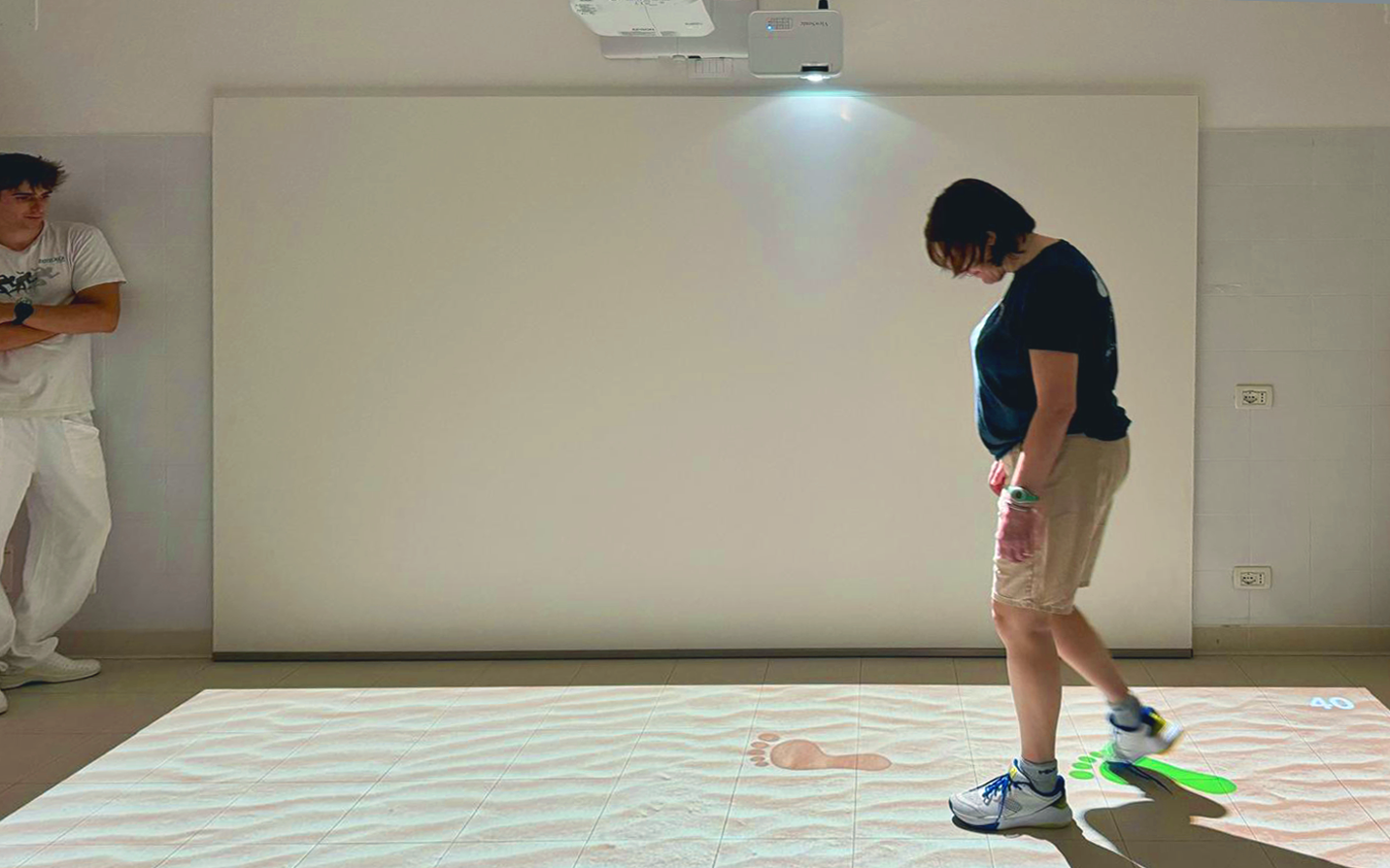
In 2024, a virtual corner was created within the physiotherapy room in the rehabilitation area. For one year, patients with various psychiatric disorders in their medical history and patients with dual diagnoses were assessed. The systems used were “Nirvana”, with psycho-motor and neuro-motor goal settings, and “Baiobit Cognitive”, aimed at stimulating higher cognitive functions in adult women with psychiatric disorders and/or intellectual disabilities. The primary professionals involved were physiotherapists and educators. Currently, numerous rehabilitative programs are officially included in individualized care plans, demonstrating high effectiveness, and a study project is underway.
We chose BTS because it offers semi-immersive virtual reality programs without the use of headsets, which are unsuitable and potentially harmful for psychiatric patients. The content, also adapted for pediatric settings, is appropriate as it is intuitive enough even for individuals with moderate intellectual disabilities and dual diagnoses.